


A high protein soup solves a problem that salads and shakes never quite solve. It is warm, filling, cheap to scale, and easy to eat on a day when cooking feels like a chore, yet a well built bowl carries as much protein as a chicken breast dinner. The five recipes in this guide each deliver roughly 30 grams of protein or more per serving, with full ingredients in metric and imperial, step by step methods, and honest per serving estimates. There is also a simple formula underneath all five, so once you understand how a high protein soup is built, you can turn whatever is in your fridge into a sixth recipe of your own.
Protein figures in this article are careful home estimates based on standard ingredient values of the kind listed in USDA FoodData Central. Your exact numbers will move with brands and portion sizes, so treat them as planning figures, not lab results.
What Makes a Soup High Protein?
A soup counts as high protein here when a normal serving, about 500 ml (2 cups), provides at least 25 grams of protein, and the five recipes below aim higher, at 30 grams plus. Most traditional soups land between 8 and 15 grams, because they are mostly vegetables and stock with a little meat for flavour. Closing the gap takes deliberate building, in three layers:
- A main protein: chicken, turkey, lean beef, lentils, beans, tofu, or Greek yogurt, used in a real portion, not a garnish. Plan on 120 to 170 g (4 to 6 oz) of cooked meat per serving, or 200 g (about 1 cup) of cooked lentils or beans.
- A supporting protein: stock made from bones or a good quality boxed stock, white beans blended into the base, quinoa instead of rice, or a swirl of yogurt at the end. These quietly add 4 to 8 grams most people never count.
- A finishing protein: grated hard cheese, a soft boiled egg, toasted pumpkin seeds, or crispy chickpeas on top, worth another 3 to 7 grams and the texture contrast that makes a blended soup interesting.
If you are working out how much protein you need in a day at all, the targets in our beginner strength training plan are a sensible starting point, and one of these soups at lunch and one at dinner covers a large share of that target without a single shake.
Recipe 1: Chicken, Lentil, and Vegetable Soup
This is the bowl to start with: the lentils disappear into the broth as they cook, thickening it and adding protein and fibre, while the chicken keeps it unmistakably a chicken soup. Serves 4.
- 600 g (1 lb 5 oz) boneless, skinless chicken breast or thigh
- 200 g (1 cup) dried red lentils, rinsed
- 1.5 litres (6 cups) chicken stock
- 2 carrots, diced; 2 celery stalks, diced; 1 large onion, diced
- 3 garlic cloves, minced; 1 teaspoon ground cumin; 1 teaspoon smoked paprika
- 1 tablespoon olive oil; juice of half a lemon; salt and black pepper
- 100 g (about 3 cups) baby spinach
Heat the oil in a large pot over medium heat. Soften the onion, carrot, and celery for 6 to 7 minutes. Stir in the garlic, cumin, and paprika for 30 seconds, then add the stock, lentils, and whole chicken pieces. Simmer gently for 20 to 22 minutes, until the lentils are soft and the chicken is cooked through. Lift the chicken out, shred it with two forks, and return it to the pot. Stir in the spinach and lemon juice, season, and rest for 5 minutes. Per serving: about 42 g protein, 390 kcal, 9 g fibre.
Recipe 2: Turkey and White Bean Chilli Soup
A chilli that eats like a soup, built on lean turkey and two kinds of beans. It is the best meal prep recipe in this list and tastes better on day two. Serves 4.
- 500 g (1 lb) lean ground turkey
- 2 cans (400 g / 14 oz each) white beans such as cannellini, drained and rinsed
- 1 can (400 g / 14 oz) chopped tomatoes
- 750 ml (3 cups) chicken or turkey stock
- 1 onion, 1 bell pepper, and 2 garlic cloves, chopped
- 2 teaspoons chilli powder, 1 teaspoon ground cumin, 1 teaspoon oregano
- 1 tablespoon olive oil; salt, pepper, and a pinch of sugar if the tomatoes are sharp
Brown the turkey in the oil over medium high heat, breaking it up, for 6 to 8 minutes. Add the onion and pepper for 4 minutes, then the garlic and spices for 30 seconds. Add the tomatoes, stock, and beans, then simmer for 25 minutes. Blend one ladleful of the soup and stir it back in for body, or mash some beans against the side of the pot. Serve as is, or with a spoonful of Greek yogurt on top, which adds about 3 g protein per tablespoon. Per serving: about 44 g protein, 430 kcal, 11 g fibre. Bean heavy bowls like this one are exactly the pattern described in our guide to fibermaxxing, fibre and protein arriving in the same food.
Recipe 3: Beef, Barley, and Mushroom Soup
The deepest flavoured bowl here, and the one that suits a slow Sunday. Barley brings fibre and chew; mushrooms bring savoury depth for very few calories. Serves 4.
- 500 g (1 lb) lean stewing beef, cut into 2 cm (3/4 inch) cubes, patted dry
- 150 g (3/4 cup) pearl barley, rinsed
- 300 g (10 oz) mushrooms, sliced; 1 onion; 2 carrots; 2 garlic cloves
- 1.5 litres (6 cups) beef stock; 1 tablespoon tomato paste; 1 teaspoon thyme
- 1 tablespoon olive oil; salt and black pepper
Sear the beef in the hot oil in batches until well browned, about 8 minutes in total, and set aside. Soften the onion, carrot, and mushrooms in the same pot for 7 minutes, scraping up the browned bits. Stir in the garlic and tomato paste, then return the beef with the stock, barley, and thyme. Simmer gently, partly covered, for 50 to 60 minutes, until the beef is tender and the barley is soft. Season firmly; barley drinks salt. Per serving: about 38 g protein, 450 kcal, 8 g fibre.
Recipe 4: Red Lentil, Coconut, and Tofu Soup
The plant based bowl, and the fastest: it is on the table in about 30 minutes. Pressing the tofu and browning it first keeps it firm instead of spongy. Serves 4.
- 350 g (12 oz) firm tofu, pressed for 10 minutes and cut into cubes
- 250 g (1 1/4 cups) dried red lentils, rinsed
- 1 can (400 ml / 14 fl oz) light coconut milk
- 750 ml (3 cups) vegetable stock
- 1 onion, 2 garlic cloves, and a thumb of ginger, all finely chopped
- 2 tablespoons red curry paste (check the label if you need it vegetarian); 1 tablespoon oil
- Juice of 1 lime; a handful of coriander (cilantro) leaves
Brown the tofu cubes in the oil for 5 to 6 minutes and set aside. In the same pot, soften the onion, garlic, and ginger for 4 minutes, stir in the curry paste for 30 seconds, then add the lentils, stock, and coconut milk. Simmer for 15 to 18 minutes, until the lentils collapse. Stir the tofu back in, finish with lime juice and coriander, and season. Per serving: about 31 g protein, 420 kcal, 10 g fibre. Plant based eaters should note the protein here works because three sources stack: lentils, tofu, and coconut milk in a supporting role. No single plant ingredient has to do the whole job.
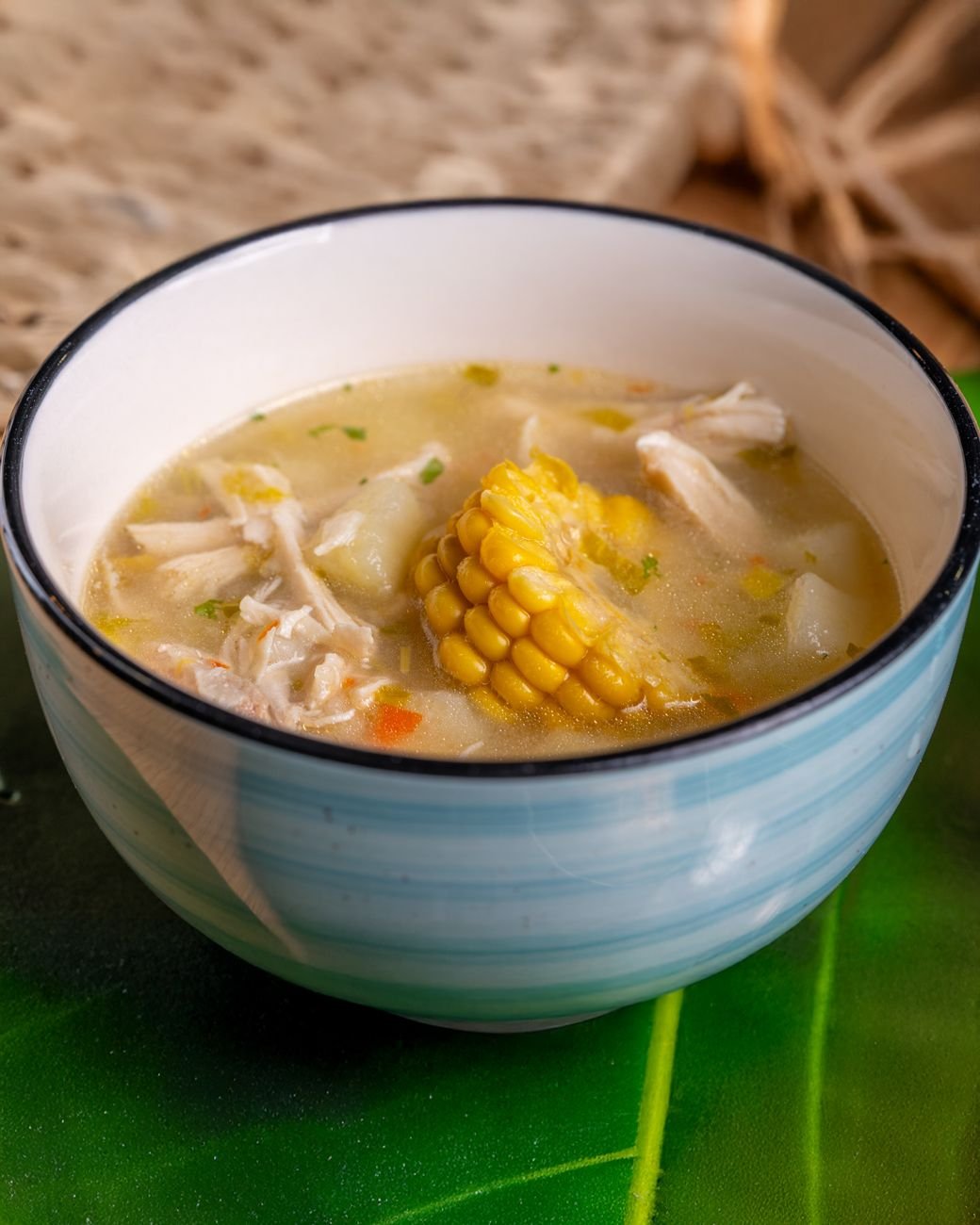
Recipe 5: Egg Drop Soup With Chicken and Sweetcorn
Finally, the lightest bowl in the list and the quickest, at about 15 minutes start to finish. The classic egg ribbons carry more protein than most people expect once chicken and tofu join them. Serves 4 as a light meal, or 6 as a starter.
- 300 g (10 oz) cooked chicken breast, finely shredded
- 200 g (7 oz) silken or soft tofu, cut into small cubes
- 1.5 litres (6 cups) good chicken stock
- 200 g (1 1/3 cups) sweetcorn, frozen or canned and drained
- 4 eggs, beaten; 2 tablespoons cornflour (cornstarch) mixed with 3 tablespoons water
- 1 teaspoon grated ginger; 2 spring onions (scallions), sliced; white pepper and salt
- 1 teaspoon sesame oil
Bring the stock to a gentle simmer with the ginger. Add the chicken, tofu, and sweetcorn and simmer for 3 minutes. Stir in the cornflour mixture and let the soup thicken slightly, about 1 minute. Swirl the soup in one direction with a spoon and drizzle in the eggs in a thin stream; they will set into ribbons in about 30 seconds. Finish with spring onions, white pepper, and sesame oil. Per serving as a light meal for 4: about 33 g protein, 290 kcal, 2 g fibre. On training days this is a practical pre or post workout bowl, light enough not to sit heavily; our guide to what to eat before and after a workout covers the timing logic.
The High Protein Soup Formula, for Your Own Versions
Every recipe above is the same skeleton wearing different clothes. Learn the skeleton and the fridge becomes the recipe book:
- Base: 1.5 litres (6 cups) of stock per 4 servings, built on aromatics softened in a little oil: onion, garlic, plus one flavour anchor such as spices, curry paste, or tomato paste.
- Main protein: 500 to 600 g (about 1 lb) of meat, or 200 to 250 g (1 to 1 1/4 cups) of dried lentils, or 2 cans of beans, or a block of tofu, per 4 servings.
- Bulk with benefits: vegetables for volume, plus a smart staple: barley, quinoa, lentils, or beans, which add protein and fibre together instead of the empty bulk of white rice or noodles.
- Finish: acid (lemon, lime, or a splash of vinegar), fresh herbs, and one crunchy or creamy topping. Acid is the step home cooks skip, and it is the step that makes a soup taste finished.
Count your bowl before you cook it: add up the main protein, divide by servings, then check the supporting layers. If the main layer alone gives under 20 g per serving, the toppings will not rescue it; add a second main, such as beans alongside chicken, rather than doubling the cheese.
Meal Prep, Storage, and Freezing
Soup is the original meal prep food, and these recipes were chosen with that in mind. Three of the five, the turkey chilli soup, the beef and barley, and the chicken and lentil, follow exactly the batch logic in our high protein meal prep guide: cook once, portion into single servings, and lunch is handled for four days.
- Fridge: cool within 2 hours, refrigerate in sealed containers, and eat within 3 to 4 days. Soups with beans and lentils keep best; the egg drop soup should be eaten within 2 days.
- Freezer: freeze for up to 3 months, leaving 2.5 cm (1 inch) of headroom. Freeze without yogurt, spinach, or egg ribbons where you can; add fresh spinach and yogurt when you reheat. The egg drop soup does not freeze well and is so fast that it is better made fresh.
- Reheating: reheat until steaming hot throughout, ideally to a gentle boil for soups containing meat. Add a splash of stock or water, because lentil and barley soups thicken a lot in storage.
- Portion trick: freeze single portions in flat sealed bags or large silicone muffin trays. Flat portions thaw in a bowl of warm water in about 20 minutes, far faster than a solid block.
For readers in Australia, where November is late spring rather than soup season, the egg drop and the lentil coconut bowls work served just warm rather than piping hot, and they still deliver the same protein. For readers in the United Kingdom, Canada, and the northern United States, this is precisely the food November was invented for, and a Sunday batch sets up the week.
How These Soups Fit Fat Loss and Muscle Goals
A 400 kcal bowl carrying 40 g of protein is a useful tool for both goals this site covers. For fat loss, soup has a head start: research on eating patterns consistently finds that starting a meal with soup, or eating a broth based bowl as the meal, helps people feel full on fewer calories, because volume and warmth slow eating down. That is the same satiety logic that makes a modest deficit sustainable, which our explainer on why you are not losing weight in a calorie deficit breaks down. For muscle, the requirement is simply total daily protein, eaten consistently, and two soup meals a day can deliver 70 to 85 g of it before breakfast and snacks are counted. That is the practical core of how to lose weight without losing muscle: keep protein high, keep the deficit modest, and keep the food enjoyable enough to repeat.
However, two honest cautions. First, restaurant and canned soups are usually far saltier and far lower in protein than these recipes, so the label, not the word soup, decides. Second, a soup only counts as a high protein meal at a real portion size; a small cup as a starter is a starter, however good the recipe.
Frequently Asked Questions About High Protein Soup
How much protein should a soup have to count as a meal?
For most adults, a main course soup should carry at least 25 g of protein and 300 to 500 kcal. Below that, treat it as a starter or pair it with a protein rich side such as eggs, yogurt, or a cheese toast.
Can I make these soups in a slow cooker?
Yes for recipes 1, 2, and 3. Cook the chicken lentil soup on low for 4 to 5 hours (add the spinach at the end), the turkey chilli soup on low for 5 to 6 hours, and the beef and barley on low for 7 to 8 hours, which suits tougher beef well. Browning the meat first still improves flavour, even in a slow cooker.
How can I add protein to a soup without meat?
Stack plant sources the way recipe 4 does: lentils or beans as the main, tofu or tempeh as the second, and a finish of Greek yogurt if you eat dairy, or toasted seeds and nutritional yeast if you do not. Blending white beans into the base adds body and about 6 g of protein per serving without changing the flavour much.
Why is my soup thin and watery?
Usually too much stock for the solids, or lentils and barley that were not given time to release their starch. Simmer uncovered for 10 to 15 minutes, blend one ladleful and stir it back in, or add a small handful of red lentils and give them 15 minutes. Thin soup is a fixable soup.
Can I use rotisserie chicken?
Yes, and it makes recipe 1 and recipe 5 faster still. Add shredded rotisserie chicken in the last 5 minutes so it heats through without drying out, and expect a slightly saltier bowl; season after adding it, not before.
Are these soups suitable for freezing in portions for work lunches?
Recipes 1, 2, 3, and 4, yes, for up to 3 months. Reheat from frozen in a microwave with a splash of water, stirring halfway, or thaw overnight in the fridge. Add any yogurt, herbs, or crunchy toppings fresh at serving time.
The Bottom Line on High Protein Soup
A high protein soup is not a special product or a diet gimmick. It is an ordinary soup built on purpose: a real portion of a main protein, a supporting layer most cooks forget, and a finish that adds flavour and a few more grams. Start with the chicken and lentil bowl, learn the formula, and by the third batch you will be building your own versions from whatever the fridge offers, which is the moment a recipe collection turns into a habit.
This article is general cooking and nutrition information. It is not medical or dietary advice for any individual condition. If you have kidney disease or another condition for which protein intake is medically managed, check with your own clinician before raising your protein intake.

 Ablaze Fitness


