If you want to get rid of bad breath, start with the cause, not with a stronger mint. In fact, most bad breath starts in the mouth, and it often responds to simple daily habits. However, a mint or a rinse can only hide the smell for a short time. Therefore, this guide looks at the real causes first. Then it gives you a routine you can keep up for the long term.
Quick answer: how to get rid of bad breath
To get rid of bad breath, clean your teeth, tongue, and the spaces between your teeth every day. In addition, drink water through the day and avoid a dry mouth. Also, treat gum problems, tonsil stones, and reflux if they are part of the cause. Finally, see a dentist if the smell stays after a few weeks of good care. As a result, you give your mouth a real chance to stay fresh.
First, brush twice a day for two minutes with fluoride toothpaste. Then clean your tongue gently once a day. Also, floss or use interdental brushes once a day. In addition, drink water and chew sugar-free gum after meals when you cannot brush. However, do not rely on mouthwash alone. For example, a strong rinse may freshen breath for an hour, but it will not remove plaque or treat gum disease.
What is bad breath (halitosis)?
Bad breath is also called halitosis. In simple terms, it is an unpleasant smell from the mouth. Also, it can come from the nose or throat in some cases. However, most cases start in the mouth. For example, bacteria break down food and dead cells. Then they release gases that smell bad. As a result, the breath can smell stale, sour, or sharp. If you want to get rid of bad breath, it helps to know where the smell starts.
Many people worry about their breath more than others notice it. In fact, it is hard to smell your own breath well. Therefore, ask a trusted person or a dentist if you are unsure. Also, notice clues such as a bad taste, a coated tongue, or a dry mouth. Then you can focus on the cause, not just the smell.
Why does my breath smell even after brushing?
This is one of the most common questions people ask. In fact, brushing alone does not reach every spot. For example, bacteria can hide on the back of the tongue. Also, food can stay between teeth and under the gum line. In addition, tonsil stones, sinus mucus, and a dry mouth can add smell. Therefore, brushing helps, but it is only one part of the routine.
Also, check how you brush. For example, a quick 30-second brush will miss plaque. In addition, skipping the tongue and skipping floss leaves bacteria behind. However, a full routine takes only a few minutes. Then the smell often improves within days. If it does not, look at the other causes below.
What causes bad breath, and how to get rid of bad breath
Bad breath rarely has one single cause. In fact, several factors often work together. For example, a dry mouth can make plaque smell worse. Also, gum disease can add a new source of odor. Therefore, work through the list below. Then you can spot your most likely causes.
Bacteria and tongue coating
The tongue has a rough surface with many small grooves. In addition, food, dead cells, and bacteria can collect there. As a result, a white or yellow coating can form. Also, that coating can smell strong, even after you brush your teeth. Therefore, clean your tongue gently every day. For example, use a tongue scraper or the back of a soft brush. Then rinse with water. However, do not press so hard that you hurt your tongue.
Dry mouth and how to get rid of bad breath
Saliva helps wash away food and bacteria. In fact, it is one of the mouth’s natural defenses. However, less saliva means more odor. For example, mouth breathing, sleep, and some medicines can dry the mouth. Also, dehydration can make the problem worse. Therefore, drink water often and avoid long dry spells. In addition, sugar-free gum can help saliva flow. Then check the section on medicines below. Drinking water is a simple first step to get rid of bad breath linked to dryness.
Food, drink, and how to get rid of bad breath
Some foods leave a strong smell for hours. For example, garlic, onion, and spicy foods can affect breath. Also, coffee and alcohol can dry the mouth. In addition, sugary drinks feed bacteria. As a result, plaque grows faster. Therefore, rinse with water after strong foods. Also, brush when you can. However, do not brush right after acidic drinks. For example, wait about 30 minutes after soda or citrus. Then brushing is gentler on enamel. Rinsing after meals is a small habit that can help you get rid of bad breath after strong foods.
Smoking, tobacco, and how to get rid of bad breath
Smoking leaves its own smell in the mouth. In addition, it dries the mouth and harms gum tissue. As a result, gum disease becomes more likely. Also, tobacco can stain teeth and reduce saliva flow. Therefore, stopping tobacco is one of the strongest steps you can take. For example, many people notice fresher breath within weeks. In addition, their gums often bleed less. However, if you smoke, ask a health professional for support. Then quitting becomes easier.
Gum disease and tooth decay
Gum disease starts with plaque along the gum line. In fact, plaque is a sticky film of bacteria. Also, it can harden into tartar if you do not remove it. As a result, gums can swell, bleed, and pull away from teeth. Then pockets form, and bacteria grow inside them. Therefore, bleeding gums are a warning sign, not a normal event. In addition, holes in teeth can trap food and bacteria. For example, a decayed tooth can smell even after brushing. Then only dental treatment can fix the source. The NHS notes that keeping teeth, tongue, and mouth clean is the best first step, and it also lists gum problems as a common cause. You can read the NHS bad breath guide for a short, clear summary.
Poor denture or brace hygiene
Dentures, retainers, and braces can trap food and bacteria. In fact, small gaps hold plaque that a brush may miss. Also, dentures can develop a film if you do not clean them well. Therefore, clean removable items as your dentist directs. For example, remove dentures at night and clean them daily. In addition, brush braces carefully around wires and brackets. Then rinse after meals. However, do not use harsh cleaners on dentures unless your dentist advises them. As a result, you reduce one hidden source of odor.
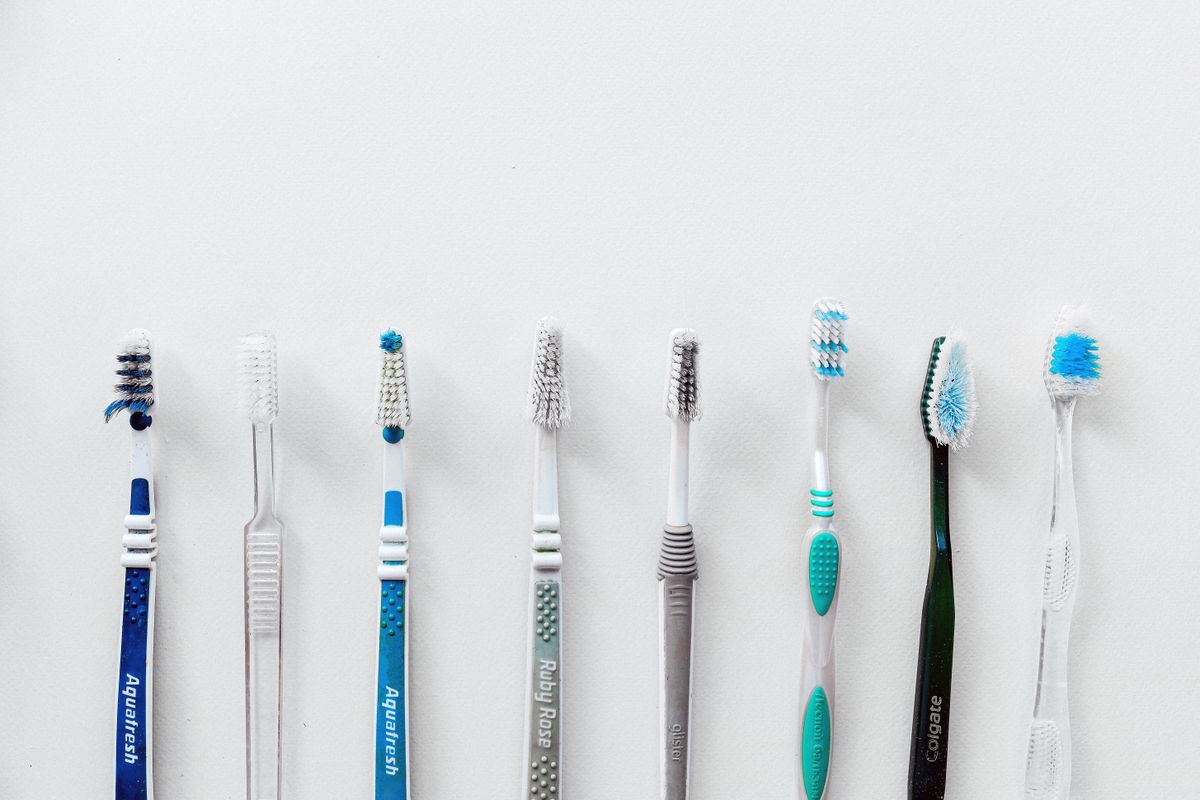
Tonsil stones: a hidden cause of bad breath
Many people ask: what are tonsil stones and why do they smell so bad? In fact, tonsil stones are small, firm lumps that form in the tonsils. Also, they are called tonsilloliths. For example, food, dead cells, and mucus can collect in tonsil crevices. Then minerals can harden that debris. As a result, small white or yellow stones form. In addition, bacteria can grow on them. Therefore, the smell can be strong, even when teeth look clean.
Why do tonsil stones smell?
Tonsil stones smell because bacteria break down the trapped debris. In fact, those bacteria can release sulfur-like gases. Also, the stones sit in warm, moist tissue. As a result, odor can build up over time. However, not every tonsil stone causes bad breath. For example, small stones may cause no symptoms at all. In addition, some people notice a bad taste first. Then they may spot a stone in the mirror.
Signs you may have tonsil stones
Signs can include bad breath that returns after brushing. Also, you may feel a lump or irritation in the throat. In addition, some people cough up small white lumps. For example, a stone may come out during coughing or eating. Also, you may notice ear discomfort or a sore throat. However, those signs can have other causes too. Therefore, do not assume tonsil stones are the cause. In addition, do not try to remove deep stones with sharp tools. Then you can avoid injury and infection.
Safe general ways people deal with tonsil stones
Many people start with gentle steps. For example, gargle with warm salt water after meals. Also, keep up good oral hygiene and drink water. In addition, avoid poking the tonsils with hard objects. However, some stones come out on their own. For example, coughing or gargling may dislodge a small stone. If stones keep returning, cause pain, or cause frequent sore throats, see a dentist or doctor. Then a professional can check your tonsils and discuss options. In addition, Mayo Clinic notes that small tonsil stones are covered with bacteria that can cause bad breath. You can read the Mayo Clinic bad breath guide for more background on mouth, nose, and throat causes.
Can sinus problems or postnasal drip cause bad breath?
Yes, sinus problems can play a role. In fact, mucus from the sinuses can drip down the back of the throat. Also, that mucus can feed bacteria. As a result, breath may smell worse during a cold or sinus infection. In addition, a blocked nose can force mouth breathing. Then the mouth dries out. Therefore, sinus care can help breath too.
For example, rinse your nose with saline if your doctor advises it. Also, drink water and rest during a cold. In addition, treat allergies that cause postnasal drip. However, do not use decongestant sprays for long periods unless a health professional advises it. Then you can avoid rebound congestion. If sinus symptoms last more than 10 days, or you have facial pain and fever, seek care.
Can bad breath come from your stomach?
This is a common worry. In fact, most bad breath starts in the mouth, not the stomach. However, stomach problems can add to the smell in some cases. For example, acid reflux can bring stomach acid into the throat. Also, that acid can irritate tissue and change breath. In addition, burping can carry food smells upward. Therefore, reflux can matter, but it is rarely the only cause.
Also, some people use the term gut rot breath for a strong smell. However, that phrase is not a medical diagnosis. In fact, breath alone cannot prove a gut problem. Therefore, do not start a strict gut cleanse based on breath alone. Instead, keep up oral care first. Then look at reflux signs, such as heartburn, regurgitation, or a sour taste. If those signs are frequent, talk to a doctor. In addition, you can read general background on gut bacteria and digestive health. However, that post is general information, not a diagnosis.
Medications, dry mouth, and how to get rid of bad breath
Many medicines can dry the mouth. For example, some allergy, blood pressure, and mood medicines reduce saliva. Also, some mouth rinses with alcohol can dry tissue. As a result, bacteria grow more easily. In addition, some medicines break down into chemicals that affect breath. Therefore, check your medicine list if dry mouth started after a new prescription.
However, never stop a prescribed medicine because of bad breath. Instead, tell your doctor or pharmacist. For example, they may adjust the dose or suggest saliva support. In addition, sip water often and chew sugar-free gum. Also, avoid alcohol-based rinses if your mouth feels dry. Then use a fluoride toothpaste and a gentle rinse. As a result, you protect teeth while you manage dryness.
Why is morning breath so bad, and how to get rid of bad breath in the morning?
Morning breath is common. In fact, saliva flow drops during sleep. Also, the mouth stays closed for hours. As a result, bacteria grow and odor builds up. In addition, mouth breathing or snoring can dry the mouth further. Therefore, morning breath does not always mean poor hygiene.
However, you can reduce it. For example, brush and floss before bed. Also, clean your tongue at night. In addition, drink water before bed if you wake dry. Then brush, clean your tongue, and drink water in the morning. As a result, most morning odor clears fast. If it stays strong all day, check the other causes above.
Does dehydration cause bad breath?
Yes, dehydration can make breath worse. In fact, less water means less saliva. Also, a dry mouth lets bacteria grow. Therefore, drink water through the day. For example, keep a bottle nearby and sip often. In addition, eat water-rich foods such as cucumber and melon. However, water alone will not fix gum disease or tonsil stones. Then you still need the full routine below.

How to get rid of bad breath step by step
A good routine does not need fancy tools. In fact, the basics work best. Also, the routine below is easy to repeat. Therefore, start with these steps. Then adjust with help from your dentist.
A realistic daily routine
In the morning, brush for two minutes and clean your tongue. Also, drink a glass of water. After meals, rinse with water when you cannot brush. In addition, chew sugar-free gum for a short time. At night, floss or use interdental brushes. Then brush again and clean your tongue. As a result, you remove food and plaque before sleep. Finally, keep dental visits regular, usually every six months unless your dentist advises otherwise.
Brushing technique that helps
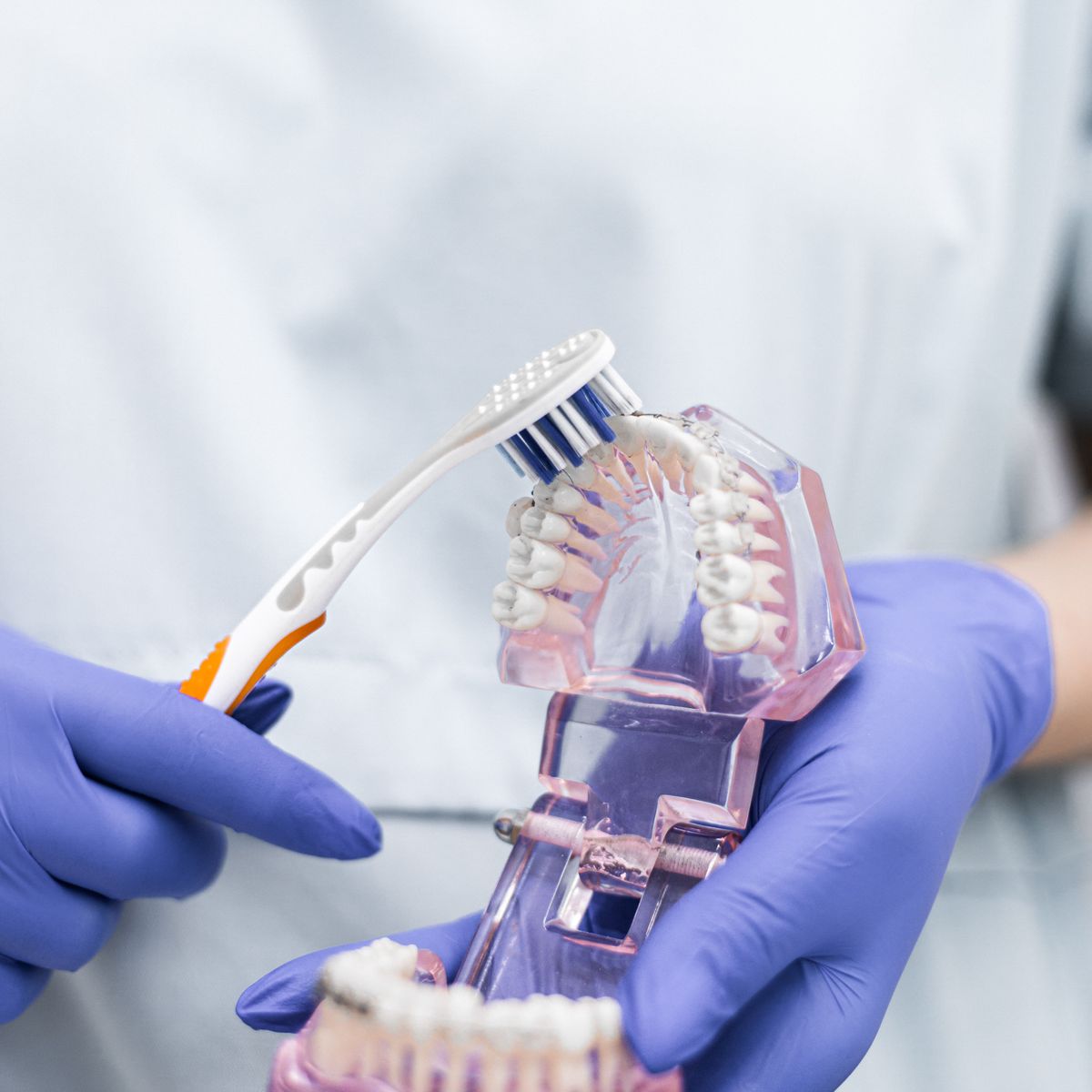
Use a soft brush and fluoride toothpaste. Also, hold the brush at a slight angle to the gum line. Then use small, gentle circles. In addition, brush all surfaces: front, back, and chewing sides. However, do not scrub hard. For example, hard scrubbing can harm gums. Then rinse lightly, and do not swallow toothpaste. As a result, fluoride stays on teeth a bit longer.
Tongue cleaning, flossing, and hydration
Tongue cleaning removes coating that brushing can miss. For example, scrape from back to front once or twice. Also, rinse the scraper after each pass. In addition, floss gently along each tooth. Then curve the floss around the tooth, not straight down. However, bleeding at first can be normal if you are new to flossing. If bleeding lasts more than a week, see a dentist. In addition, drink water through the day. As a result, your mouth stays moist and cleaner.
What only masks odor when you try to get rid of bad breath
Some products freshen breath without fixing the cause. For example, mints, gum, and sprays can cover smell for a short time. Also, strong mouthwash can make breath feel fresh fast. However, it does not remove plaque from teeth or under gums. In addition, alcohol-based rinses can dry the mouth. As a result, breath may smell worse later.
Therefore, use mouthwash as a helper, not as the main fix. For example, choose an alcohol-free rinse if your mouth feels dry. Also, keep brushing, flossing, and tongue cleaning as the core routine. Then mouthwash adds a short boost. However, if you need mints all day, look for the cause. In addition, ask your dentist about a rinse that fits your needs.
When to see a dentist or doctor about how to get rid of bad breath
Most bad breath improves with good oral care. However, some signs need professional care. For example, see a dentist soon if you notice any of the signs below. In addition, see a doctor if you have fever or trouble swallowing. Then a professional can find the cause and plan treatment.
- Bad breath that stays after a few weeks of good hygiene
- Gums that bleed often, swell, or pull away from teeth
- Loose teeth or teeth that shift
- Mouth sores that do not heal
- Fever with mouth, throat, or sinus pain
- Trouble swallowing or breathing
Also, bring a list of medicines and a note of when the smell started. For example, that history helps your dentist or doctor. In addition, tell them about reflux, sinus problems, or tonsil stones. Then they can check the mouth, throat, and sinuses. As a result, you get a plan based on your cause, not a guess.
Simple daily habits that help you get rid of bad breath
Small habits can make a big difference over time. For example, keep a water bottle at your desk and sip through the day. Also, keep sugar-free gum in your bag for times when you cannot brush. In addition, rinse with plain water after coffee, snacks, and strong meals. Then you remove food that bacteria would feed on. As a result, your mouth stays cleaner between brushes.
Keep water and sugar-free gum handy to get rid of bad breath
Water and sugar-free gum are simple tools, not magic fixes. For example, water helps saliva wash away food and bacteria. Also, gum can boost saliva after a meal. However, gum does not replace brushing or flossing. In addition, avoid sugary gum, because sugar feeds bacteria. Therefore, use these tools between brushes, and keep the full routine at morning and night. Then you support fresh breath all day, not just for an hour. If you want to get rid of bad breath for good, steady habits matter more than any single product.
Frequently asked questions about how to get rid of bad breath
Why does my breath smell even after brushing?
Brushing may miss the tongue, the spaces between teeth, and tonsil stones. In addition, dry mouth and gum disease can add smell. Therefore, add tongue cleaning, flossing, and water to your routine. Then check gum health if the smell stays.
Why does bad breath keep coming back?
Bad breath returns when the cause stays. For example, plaque, tonsil stones, dry mouth, or reflux can keep adding odor. Also, skipping floss or tongue cleaning lets bacteria build up again. Therefore, keep the full routine daily. In addition, treat the cause, not just the smell.
Can bad breath come from your stomach?
Yes, but it is less common than mouth causes. For example, reflux can bring acid and food smells into the throat. However, most bad breath starts with bacteria in the mouth. Therefore, start with oral care. Then see a doctor if reflux signs are frequent.
What are tonsil stones and why do they smell?
Tonsil stones are small lumps of debris that harden in tonsil crevices. Also, bacteria grow on them and release sulfur-like gases. As a result, they can smell strong. In addition, gentle salt-water gargling can help. However, do not poke deep stones with sharp tools.
How do I know if my bad breath is from my teeth or my stomach?
Start with mouth clues. For example, a coated tongue, bleeding gums, or food trapped between teeth points to the mouth. In addition, a sour taste, heartburn, or regurgitation points to reflux. However, only a dentist or doctor can sort mixed causes. Therefore, ask for help if you are unsure.
Why is morning breath so bad?
Saliva flow drops during sleep. Also, bacteria grow in a closed, dry mouth. As a result, morning breath is common. However, brushing and flossing before bed help a lot. In addition, drink water in the morning. Then most morning odor clears fast.
Does dehydration cause bad breath?
Yes, dehydration can worsen breath. In fact, less water means less saliva. Also, a dry mouth lets bacteria grow. Therefore, drink water through the day. However, water alone will not fix gum disease or tonsil stones.
Can sinus problems or postnasal drip cause bad breath?
Yes. In fact, sinus mucus can drip into the throat and feed bacteria. Also, a blocked nose can cause mouth breathing. Then the mouth dries out. Therefore, sinus care and water can help. However, seek care if sinus symptoms last more than 10 days.
Does mouthwash make bad breath worse when you try to get rid of bad breath?
Mouthwash alone does not fix the cause. In addition, alcohol-based rinses can dry the mouth. As a result, breath may smell worse later. Therefore, use an alcohol-free rinse as a helper. Also, keep brushing, flossing, and tongue cleaning as the core routine.
How to get rid of bad breath for the long term
Long-term fresh breath comes from finding and treating the cause. In fact, no rinse or mint can promise a permanent cure. However, a steady routine can keep most breath fresh. For example, clean teeth, tongue, and between teeth every day. Also, drink water and avoid tobacco. In addition, treat gum disease, tonsil stones, and reflux when they are part of the cause. Then keep dental visits regular.
Also, be patient. For example, gum health may take weeks to improve. In addition, tonsil stones may return until a professional checks them. However, small daily steps add up. Therefore, pick a routine you can keep. Then adjust it with your dentist’s advice. As a result, you give your breath the best chance to stay fresh for the long term.
This article is for general information only. It is not medical or dental advice. If you have persistent bad breath, bleeding gums, loose teeth, mouth sores, fever, or trouble swallowing, please see a dentist or doctor for personal advice.

 Ablaze Fitness