

Every few months, social media finds a new nutrition trend and gives it a name that sounds like a vitamin. The latest one is fibermaxxing, and for once, the habit underneath the hype is genuinely useful. Still, a fair question comes first: what is fibermaxxing? Does deliberately eating as much fiber as possible actually help, or does it just cause bloating?
The short answer is that the direction is right and the speed is where people go wrong. Fiber is one of the most under-eaten nutrients in the modern diet, and raising your intake gradually brings real, documented benefits. Jumping from almost none to a huge amount in a few days, however, is a reliable recipe for bloating, cramps, and quitting.
This guide explains the trend honestly: what fibermaxxing is, how much fiber you actually need, the two main types of fiber, and a safe week-by-week ramp to the target without the miserable adjustment week. It also includes a practical food list and a sample day reaching about 35 grams.
What Is Fibermaxxing, Exactly?
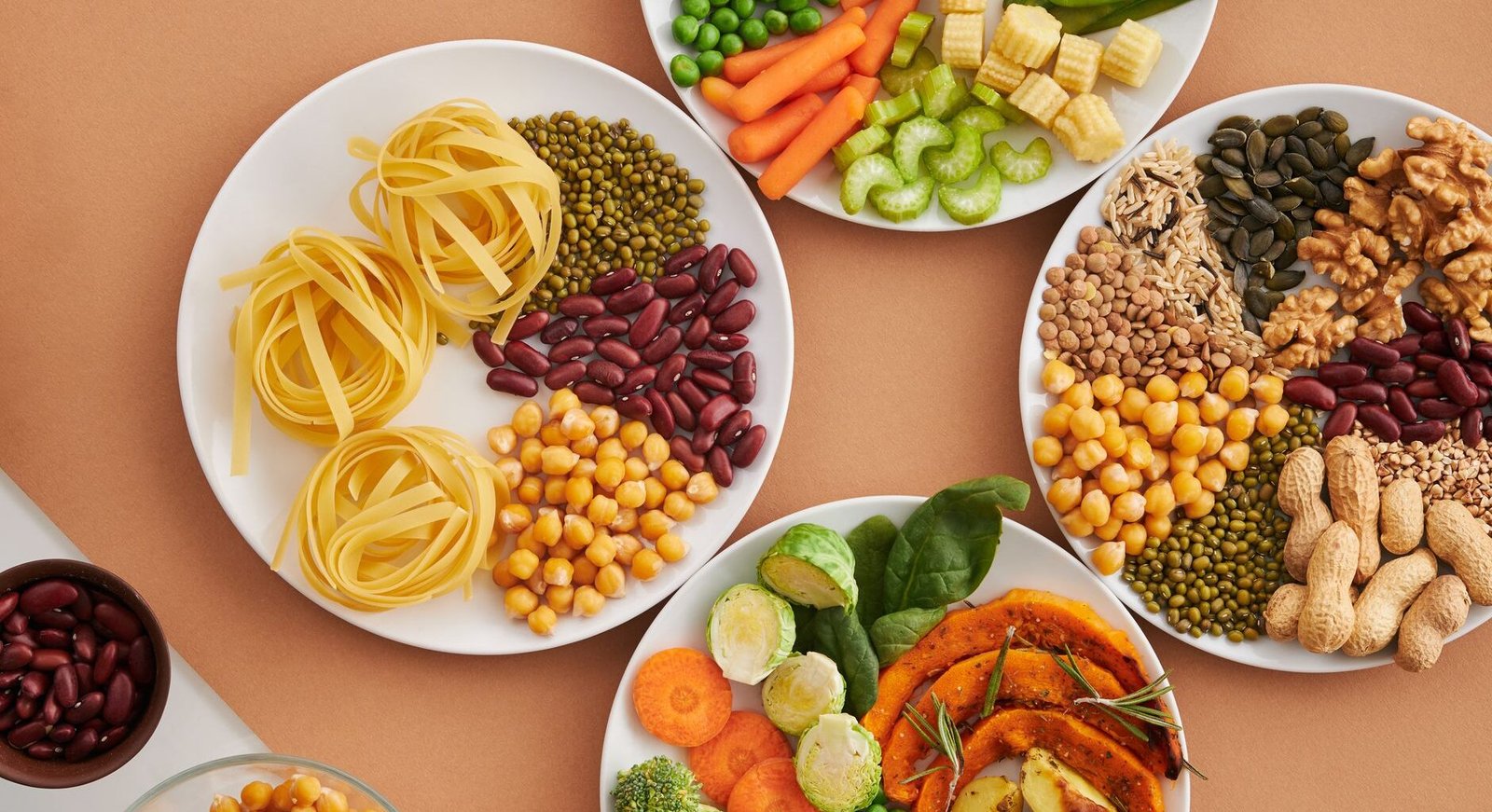
Fibermaxxing means deliberately maximizing the fiber in your diet instead of treating it as an afterthought. People doing it build meals around beans, lentils, oats, vegetables, fruit, and whole grains, and often track their daily grams the way others track protein.
The trend went viral in late 2026 for understandable reasons. It is cheap, it is food based rather than supplement based, and it pushes against a real problem: most people eat far less fiber than guidelines suggest.
There is, however, a gap between the trend and the sensible version of it. Online, fibermaxxing sometimes gets framed as a contest, with enormous single meals or jumps straight to 50 or 60 grams a day. Your gut adapts to fiber gradually, and the benefits come from your long-term daily average, not one heroic day of eating. The useful version is simple: know your target, know roughly where you are now, and close the gap slowly with normal food.
The Fiber Gap: How Much You Actually Need
Before ramping anything up, it helps to know the finish line. General guidance for adults works out to about 25 grams of fiber a day for women and about 38 grams a day for men. Another common way to express the same target is roughly 14 grams of fiber for every 1,000 calories you eat, which lands most adults in the same range.
Against those numbers, the average intake is low. Surveys in the United States consistently find that about 95 percent of adults fall short of the recommended amount, with typical intakes around 15 grams a day. In other words, the average person gets roughly half of what their gut is built to handle.
That gap matters because fiber is not a minor nutrient. It is the main food source for your gut bacteria, it adds the bulk that keeps digestion moving, and it slows how quickly a meal raises your blood sugar. A shortfall shows up quietly as irregular digestion, meals that do not keep you full, and energy that swings through the day.
This is also how much fiber you should eat each day in practical terms: not the most you can physically manage, but a steady daily amount in that 25 to 38 gram window, reached gradually and held comfortably. Consistency beats intensity here, exactly as it does in training.
Soluble vs Insoluble Fiber, in Plain Terms
Fiber comes in two main types, and you need both. The difference is mostly about what each type does in water.
Soluble fiber dissolves in water and forms a gel. You find it in oats, beans, lentils, apples, citrus fruit, carrots, and chia seeds. Because it gels, it slows digestion, which helps steady blood sugar after meals and helps you feel full for longer. It is also the type your gut bacteria ferment most readily, which is why it is closely tied to gut health.
Insoluble fiber does not dissolve. Instead, it adds bulk and helps move things along. You find it in whole wheat products, vegetable skins, cauliflower, green beans, and nuts. Think of it as the type that keeps the whole system regular and prevents the sluggish feeling that comes with a low fiber diet.
Most whole plant foods contain a mix of both, so variety matters more than precision. If your week includes oats, beans, vegetables, fruit with the skin on, and whole grains, you are getting a reasonable blend without tracking the split.
One more category deserves a mention: fermentable fibers and resistant starch, found in foods like cooked and cooled potatoes, slightly green bananas, and legumes, feed beneficial gut bacteria particularly well. Our guide on how to starve bad gut bacteria explains that feeding relationship in more depth.
What Fiber Genuinely Does for You
Fiber has a long list of claimed benefits online, so here is what it reliably does, stated plainly.
It keeps you full. Fiber adds volume to meals and slows how quickly your stomach empties, so a fiber rich lunch holds off hunger far better than a low fiber meal with the same calories. For anyone managing their weight, that fullness is one of fiber’s most practical benefits.
It supports regularity. Insoluble fiber adds bulk, soluble fiber softens and gels, and together they help food move through your system at a healthy pace. People who raise their intake gradually and drink enough water commonly find digestion becomes more predictable within a few weeks.
It feeds your gut bacteria. Your microbes ferment fiber and produce compounds that support the gut lining and calm, normal gut function, making a fiber rich diet one of the most dependable ways to support a diverse gut microbiome. The flip side is worth knowing too: habits covered in our breakdown of 15 factors that kill good gut bacteria can undermine that progress, and a very low fiber diet is high on that list.
It steadies blood sugar. Soluble fiber slows carbohydrate absorption, so glucose from a meal enters your bloodstream more gradually. That means fewer sharp spikes and crashes, and steadier energy through the afternoon.
What fiber does not do is cure diseases, detox your body, or override the rest of your diet. It is a foundation habit, not a treatment, and framed that way its benefits are impressive enough without any hype.
The Safe Ramp: How to Eat More Fiber Without the Bloat
Here is the part the viral posts usually skip. If you take one idea from this article, make it this one: the ramp matters more than the target.
Your gut bacteria need time to adjust to a higher fiber load. When intake jumps suddenly, they ferment the extra fiber quickly. That produces gas faster than your system is used to handling. The result is the bloating that gives fiber a bad reputation. The real culprit was the speed, not the fiber.
Add about 5 grams per week. If you currently eat around 15 grams a day, aim for 20 grams daily in week one. Then aim for 25 in week two, and so on. At that pace, most people reach the 30 to 35 gram range in about a month with little drama. Five grams is roughly one serving of beans or a bowl of oats, so each step feels small.
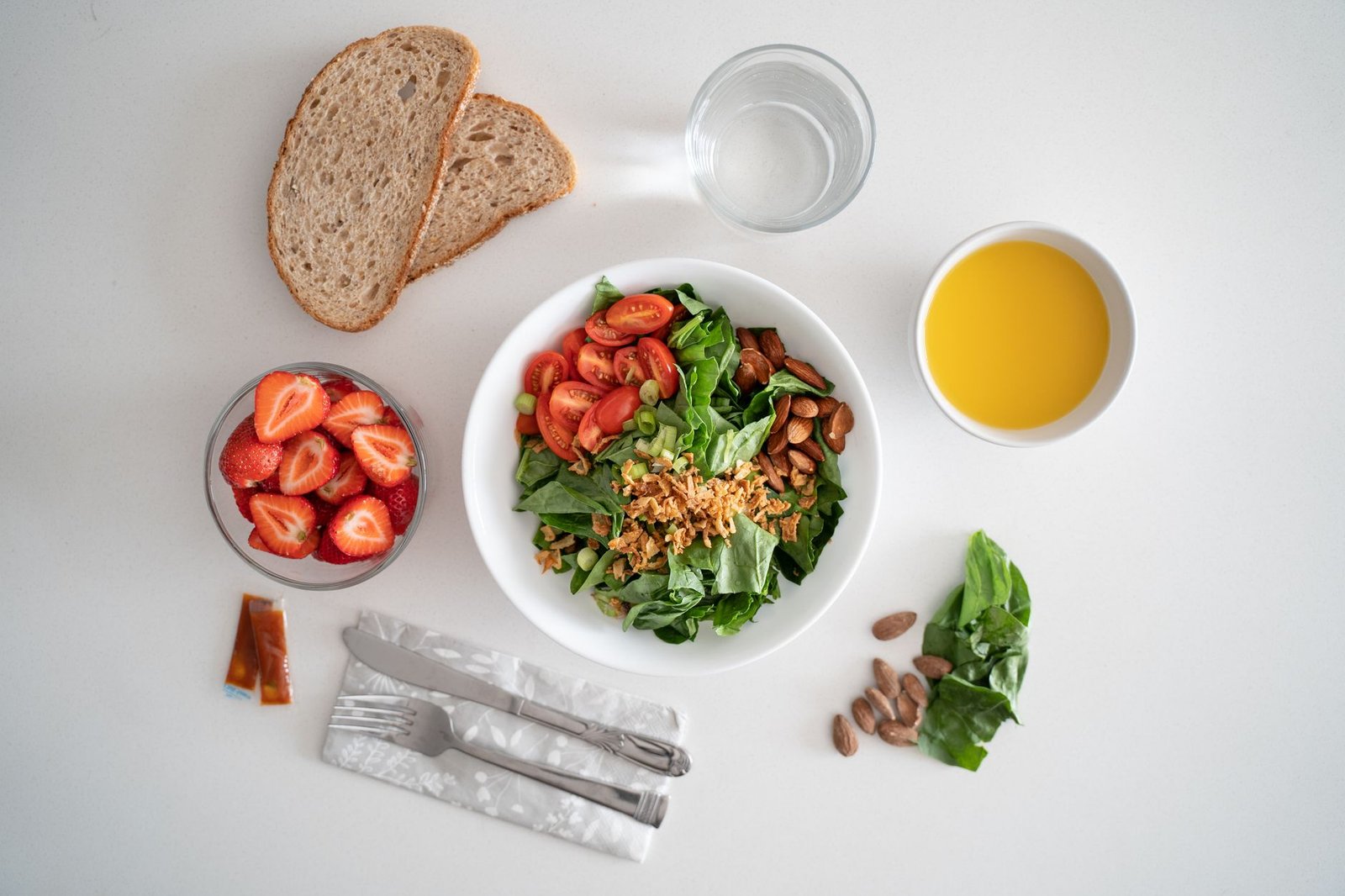
Pair fiber with water. Fiber absorbs water as it moves through your gut, and it works best when enough fluid is available. Increase your water intake alongside your fiber, sipping through the day rather than flooding one meal. A large glass of water with each meal is a simple anchor habit.
What is fibermaxxing without the bloat?
Spread it across the day. Three moderate fiber meals digest far more comfortably than one enormous fiber bomb. Include a fiber source at breakfast, lunch, and dinner, plus fruit or nuts as a snack, rather than saving your whole target for one sitting.
Cook and prep your staples. Beans and lentils are far more appealing when already cooked and waiting in the fridge. Batch cooking a pot of lentils, roasted vegetables, or overnight oats at the weekend makes the daily target almost automatic, the same way our high protein meal prep guide uses one prep session to carry a whole week.
Give each step at least a few days before adding more. Persistent pain is not part of the deal, and the troubleshooting section below covers what to adjust.
The Fibermaxxing Food List: Where the Grams Actually Are
Targets are abstract until you see them as food. The list below shows approximate fiber amounts for common foods, using typical serving sizes. Exact numbers vary by brand and preparation, so treat these as planning figures.
Legumes, the heavy lifters:
- Lentils, 1 cup cooked: about 15 g
- Black beans, 1 cup cooked: about 15 g
- Chickpeas, 1 cup cooked: about 12 g
- Kidney beans, 1 cup cooked: about 11 g
Grains and breakfast foods:
- Oats, 1 cup cooked: about 4 g
- Whole wheat bread, 2 slices: about 4 to 5 g
- Brown rice, 1 cup cooked: about 3.5 g
- Quinoa, 1 cup cooked: about 5 g
- Popcorn, air popped, 3 cups: about 3.5 g
Fruit:
- Raspberries, 1 cup: about 8 g
- Pear, 1 medium with skin: about 5.5 g
- Apple, 1 medium with skin: about 4.5 g
- Banana, 1 medium: about 3 g
- Orange, 1 medium: about 3 g
Vegetables:
- Brussels sprouts, 1 cup cooked: about 4 g
- Broccoli, 1 cup cooked: about 5 g
- Sweet potato, 1 medium with skin: about 4 g
- Carrots, 1 cup raw: about 3.5 g
Seeds and nuts:
- Chia seeds, 2 tablespoons: about 7 to 10 g
- Ground flaxseed, 2 tablespoons: about 4 g
- Almonds, small handful (about 23 nuts): about 3.5 g
Two patterns stand out. First, legumes are in a league of their own, delivering in one cup what many foods need three servings to match. Second, fruit with the skin on and berries quietly outperform most snacks. One legume serving, one oat or whole grain serving, two vegetables, and two fruits a day gets most people close to target.
A Sample Day at About 35 Grams
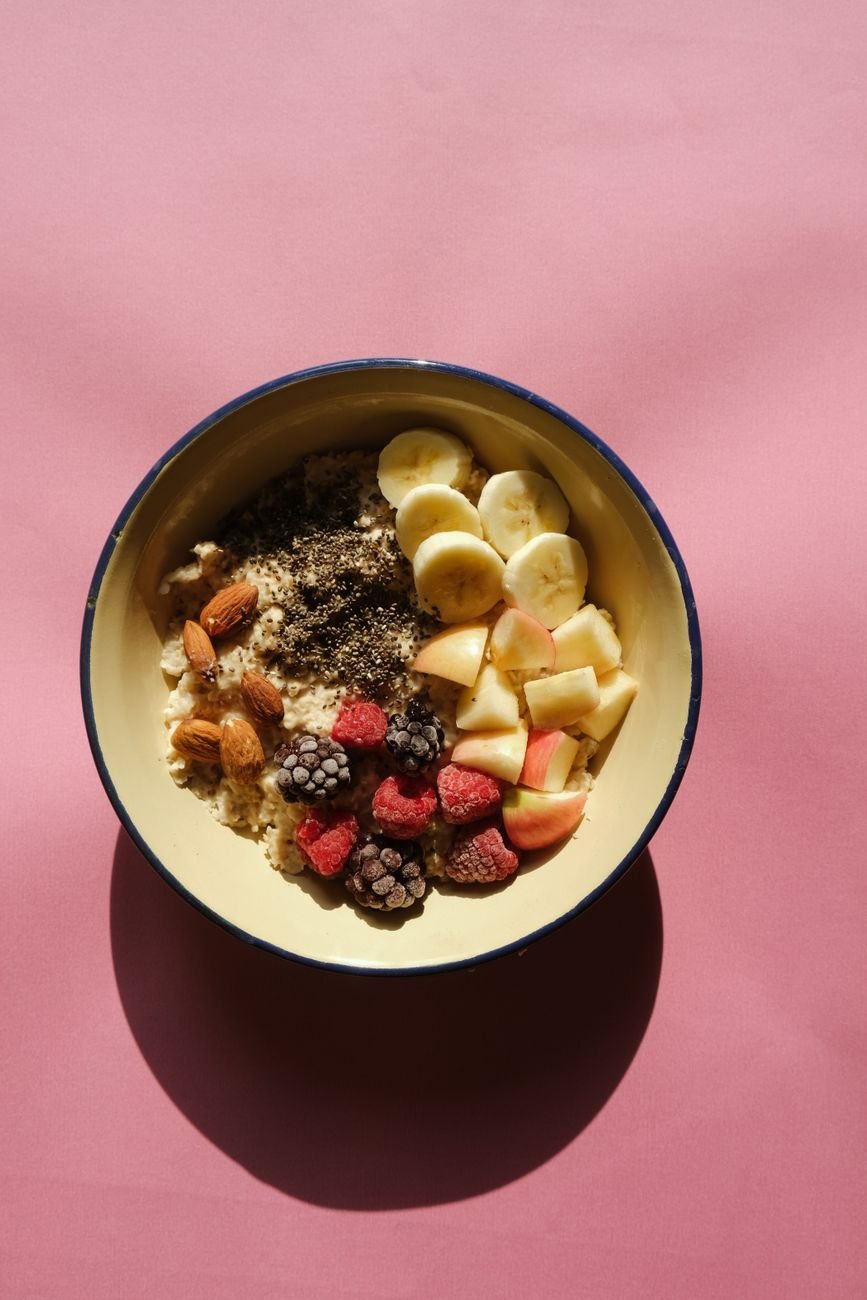
Numbers become real when arranged into meals. Here is an ordinary day that lands at roughly 35 grams, using only the foods above.
Breakfast, about 13 g: A bowl of oats (4 g) topped with a cup of raspberries (8 g), with a tablespoon of ground flaxseed stirred in (about 2 g).
Lunch, about 11 g: A lentil and vegetable soup or a black bean burrito bowl. One cup of lentils brings about 15 g on its own, so a smaller three-quarter cup portion with vegetables lands near 11 to 12 grams.
Snack, about 4 to 5 g: A pear with its skin on (5.5 g), or an apple (4.5 g) if pears are not your thing.
Dinner, about 9 g: Grilled chicken or fish with a cup of cooked broccoli (5 g) and a medium sweet potato with the skin (4 g).
Add those up and the day reaches roughly 35 grams without supplements, powders, or anything unusual on the plate. Planning days like this in advance is exactly what a structured plan is for, and our 7-day diet plan for weight loss shows how to lay out a full week so fiber, protein, and calories all take care of themselves.
Bloat Troubleshooting: Why It Happens and What to Fix
If you have tried eating more fiber before and felt worse, one of four usual causes was almost certainly responsible.
You ramped too fast. This is the most common cause by far. Doubling your intake in a weekend overwhelms your gut bacteria and produces a lot of gas in a short window. Drop back to the last comfortable level, hold it for a week, then resume at 5 gram steps.
You did not drink enough water. Fiber without fluid can feel heavy and sluggish, because it absorbs what water is available and everything moves more slowly. Add a glass of water with each meal and keep a bottle nearby.
You took it all in one dose. A single massive high fiber meal, or a large fiber supplement drink on an empty stomach, concentrates the whole adjustment into one uncomfortable hour. Split your target across three meals and a snack instead, as the sample day above does.
Carbonated drinks joined the party. Fizzy drinks add swallowed gas on top of the gas your bacteria are already producing, which can make a normal adjustment feel far worse. If bloating bothers you during the ramp, swap sparkling drinks for still water for a week or two.
Finally, rinse canned beans before eating them, and soak and rinse dried beans well. Some of the most gas producing compounds sit in the cooking liquid, and rinsing measurably reduces them. Small details like this separate a trend you abandon from a habit you keep.
Cautions: The Responsible Fine Print
Fibermaxxing is food, not medicine, and for most healthy adults a gradual increase is well tolerated. Even so, a few cautions belong in any honest guide.
Increase gradually, always. The ramp in this article is not optional decoration. It is the difference between a comfortable habit and a miserable week, and the main point where the viral version of the trend goes wrong.
Mind the timing with some medications. Very high fiber meals can affect how certain medications are absorbed, and some medicines are best taken an hour or two apart from a large fiber dose. If you take regular medication, check its guidance or ask your pharmacist about spacing, rather than guessing.
Some people should check first. If you have a diagnosed digestive condition such as Crohn’s disease, ulcerative colitis, gastroparesis, or a bowel stricture, or you are recovering from bowel surgery, your fiber advice may be very different, and in some phases a lower fiber diet is recommended. Talk to your clinician or dietitian before following any trend, including this one.
What is fibermaxxing at very high intakes?
More is not endlessly better. Extremely high intakes, far beyond the guideline range, can interfere with mineral absorption and crowd out other nutrients, including protein and healthy fats. Hitting 30 to 35 grams a day steadily puts you ahead of about 95 percent of adults; there is no prize for doubling it.
How Fibermaxxing Fits the Bigger Gut Picture
It helps to see this trend as one piece of a wider pattern rather than a standalone fix. Fiber works alongside the rest of your gut habits: fermented foods, the variety of plants across your week, sleep, and movement.
That is why this article links into our existing gut health cluster rather than replacing it. Feeding beneficial bacteria with fiber is the positive half of the equation; the other half is avoiding the habits that work against them. Pair this guide with the two gut articles linked above and you have the full system: feed the good bacteria, stop undermining them, and give the process time.
Frequently Asked Questions
What is fibermaxxing, in one sentence?
It is the trend of deliberately maximizing daily fiber intake, ideally by building meals around beans, lentils, oats, vegetables, fruit, and whole grains until you reach the recommended 25 to 38 grams a day, rather than the 15 grams most people average.
How much fiber should I aim for each day?
About 25 grams a day for women and about 38 grams a day for men is the standard guideline range, or roughly 14 grams per 1,000 calories eaten. Most people do best aiming first for a steady 30 grams, then adjusting within the range based on comfort.
Why does eating more fiber make me bloated at first?
Your gut bacteria ferment fiber and produce gas as part of that normal process. When intake jumps suddenly, fermentation ramps up faster than your system can comfortably handle, so gas and pressure build. Ramping by about 5 grams per week and drinking enough water gives your gut time to adapt.
Can fibermaxxing help with weight loss?
It can support it, mainly through fullness. Fiber rich meals keep you satisfied longer on similar calories, which makes a moderate calorie deficit easier to hold. Fiber itself is not a fat loss treatment, though, and total intake still decides the outcome.
What is fibermaxxing, in practice?
Do I need a fiber supplement to do this?
No. The food list in this article reaches the daily target comfortably, and whole foods bring water, micronutrients, and both fiber types along with the grams. Supplements exist, but they are not required, and the food-first version is the one most dietitians recommend starting with.
How long before I notice a difference?
Most people who ramp gradually notice more regular digestion and better fullness after meals within two to four weeks, as gut bacteria populations shift over a similar timeframe. If persistent discomfort continues after a few weeks at a comfortable level, ease back and consider discussing it with a clinician.
The Bottom Line
Fibermaxxing is a rare viral trend that points in the right direction: most adults eat about half the fiber they should, and closing that gap supports fullness, regularity, gut bacteria, and steadier energy. The only real trap is speed. Add roughly 5 grams a week, drink water alongside it, spread intake across the day, and build meals around legumes, oats, vegetables, fruit, and whole grains. Do that for a month and you will out-eat almost everyone around you on fiber, without the bloat that makes most people quit in week one.
This article is general health and nutrition information only and is not medical advice or a diagnosis. Talk to a qualified professional about your own situation, especially if you have a digestive condition or take regular medication.

 Ablaze Fitness


