


Ask a Southern family what belongs beside the turkey and you will not hear the word stuffing first. You will hear dressing, and in that kitchen dressing means one thing: a cornbread dressing recipe, baked in its own dish until the top turns deep gold and crisp, the middle stays soft and savoury, and the edges develop the crunchy corners everyone quietly competes for.
This cornbread dressing recipe is built to be reliable on the biggest cooking day of the year. The cornbread bakes a day or two ahead. The vegetables cook until sweet before they ever meet the crumbs. The liquid goes in gradually, so you control the texture instead of hoping for it. And the whole dish assembles the day before, which means on Thanksgiving Day it needs nothing but oven space and your attention for less than an hour.
It is also, deliberately, a different dish from bread stuffing. If your table wants the classic bread based version, our stuffing recipe covers it in full. Cornbread dressing is its Southern counterpart: cornmeal flavour at the centre, a more rustic crumb, sage and thyme doing the seasoning work, and a texture that slices into squares rather than scooping like a pudding. Many tables serve both, and nobody complains.
Cornbread Dressing at a Glance
- Prep time: 30 minutes, plus baking the cornbread ahead
- Cook time: 45 to 55 minutes
- Total time: about 1 hour 30 minutes, not counting the cornbread
- Yield: about 12 servings as a side dish
- Dish size: a 23 by 33 cm (9 by 13 inch) baking dish, or a large cast iron skillet
- Difficulty: easy to moderate; the method matters more than any skill
- Make ahead: yes, assemble up to 1 day ahead, or bake and freeze for up to 1 month
Dressing or Stuffing: Why This Recipe Bakes in a Dish
The old distinction still explains the name. Stuffing was cooked inside the bird. Dressing is cooked in a separate dish, which is how this recipe works and how most food safety guidance prefers it: a dish of dressing bakes evenly, reaches a safe temperature on its own schedule, and develops the crisp top that an in-bird version never gets. The United States Department of Agriculture guidance on turkey basics and safe preparation at https://www.fsis.usda.gov/food-safety/safe-food-handling-and-preparation/poultry-and-food-safety/turkey-basics-safe-thawing sets out the safe temperature approach for holiday cooking, and baking dressing separately is the practical way to follow it while the turkey rests.
There is a flavour bonus, too. Cooked in a dish, the dressing exchanges flavours with nothing but its own ingredients, so the cornbread, celery, onion and sage stay clean and distinct. Drippings fans are not forgotten: a few spoonfuls of pan drippings whisked into the stock give you turkey richness in a controlled amount, without turning the dish greasy.
The Cornbread: Bake It First, Bake It Plain
Great cornbread dressing starts with cornbread that would be too plain to serve alone. Sweet, cake style cornbread makes sweet dressing, which is not the goal for this cornbread dressing recipe. You want a savoury, sturdy cornbread with little or no sugar, baked until firm enough to crumble into pieces that hold their shape in liquid.
Simple savoury cornbread for dressing
- 250 g (2 cups) fine or medium cornmeal, yellow or white
- 125 g (1 cup) plain all purpose flour
- 1 tablespoon baking powder
- 1 teaspoon fine salt
- 2 large eggs
- 300 ml (1 1/4 cups) buttermilk, or milk with 1 tablespoon lemon juice rested for 5 minutes
- 60 ml (1/4 cup) melted butter or a neutral oil, plus extra for the pan
Heat the oven to 220 degrees C (425 degrees F). Whisk the dry ingredients, whisk the eggs with the buttermilk and butter, then combine just until no dry flour remains. Bake in a greased 23 cm (9 inch) pan for 20 to 25 minutes, until golden and firm in the centre. Cool completely, then crumble into a mix of crumbs and small chunks about the size of a pea to a grape. Spread the crumbles on a tray and leave them uncovered for several hours or overnight. Slightly dry cornbread drinks up stock without collapsing, and that one detail prevents most gummy dressing.
Short on time? A boxed cornbread mix with low sugar works if you bake it a day ahead and dry the crumbles the same way. What matters is the dry, savoury crumb, not the pedigree of the mix.
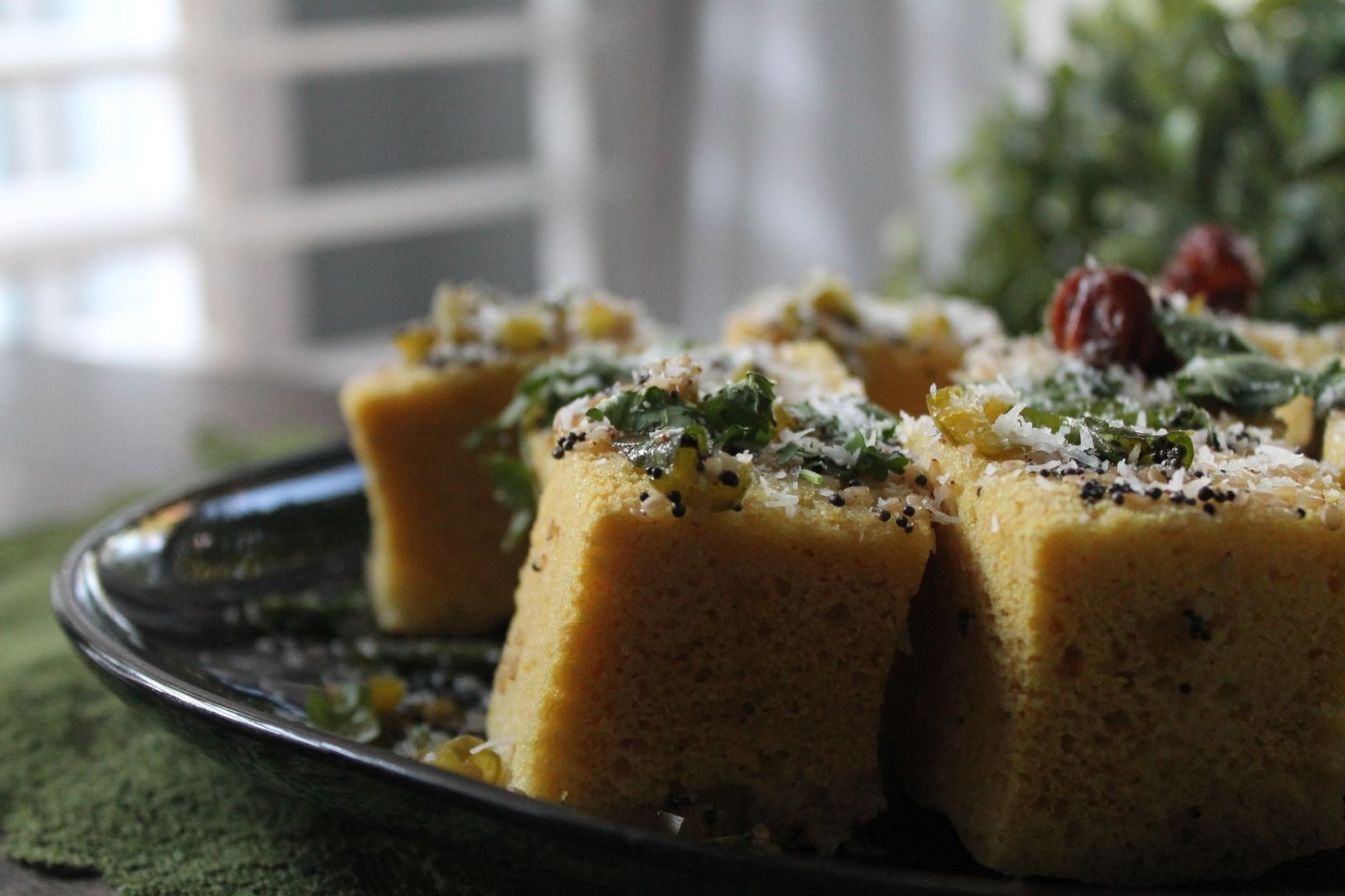
Ingredients for the Dressing
- All of the cornbread above, crumbled and dried, about 1 kg (about 10 cups of crumbles)
- 115 g (1/2 cup) unsalted butter, plus extra for the dish
- 2 medium onions, finely diced, about 300 g
- 4 celery stalks, finely diced, about 200 g
- 1 medium green bell pepper, finely diced (optional, classic in many Southern versions)
- 3 garlic cloves, minced
- 2 teaspoons dried sage, or 2 tablespoons fresh sage finely chopped
- 1 teaspoon dried thyme
- 1 teaspoon fine salt, plus more to taste
- 1/2 teaspoon black pepper
- 750 ml to 1 litre (3 to 4 cups) warm turkey or chicken stock, plus 2 to 3 tablespoons turkey drippings if you have them
- 2 large eggs, beaten
- 2 tablespoons chopped fresh parsley, plus more to serve
How to Make Cornbread Dressing, Step by Step
Step 1: Cook the vegetables low and slow. Melt the butter in a large pan over medium heat. Add the onion, celery and pepper with a pinch of the salt and cook for 10 to 12 minutes, stirring now and then, until soft and sweet with no colour beyond a light gold at the edges. Add the garlic, sage and thyme for the final minute. Raw or rushed vegetables stay harsh and crunchy in the finished dish; this gentle start is where dressing flavour is actually built.
Step 2: Combine the crumbs and vegetables. Tip the crumbled cornbread into your largest bowl. Scrape in the vegetables and all their butter, add the parsley, the remaining salt and the pepper, and toss until the crumbs are evenly coated and flecked with green.
Step 3: Add liquid gradually, and judge the texture. Pour in 750 ml (3 cups) of the warm stock and fold gently. Now judge: the mixture should be very moist, like a thick porridge that holds a spoon’s trail for a second, with no dry pockets and no pool of liquid at the bottom. Add more stock a splash at a time until you reach that point. Different cornbreads absorb differently, which is why this cornbread dressing recipe gives a range rather than a single fixed amount. Then fold in the beaten eggs.
Step 4: Rest, taste, adjust. Rest the bowl for 10 minutes while the crumbs finish absorbing. Taste a small spoonful and adjust salt and sage now, because after baking you cannot. The mixture will look wetter than you expect. That is correct; the oven sets it.
Baking the cornbread dressing recipe
Step 5: Bake until crisp on top and set in the middle. Heat the oven to 190 degrees C (375 degrees F). Butter the dish, fill it, and smooth the top without packing it down hard. Bake uncovered for 45 to 55 minutes, until the top is deep golden and crisp, the edges pull slightly from the sides, and the centre is set and hot, at least 74 degrees C (165 degrees F) on a thermometer. Rest 10 minutes before serving so the squares cut cleanly. Serve it with the turkey gravy recipe passed at the table, not poured over in the kitchen, so the crisp top survives to the plate.
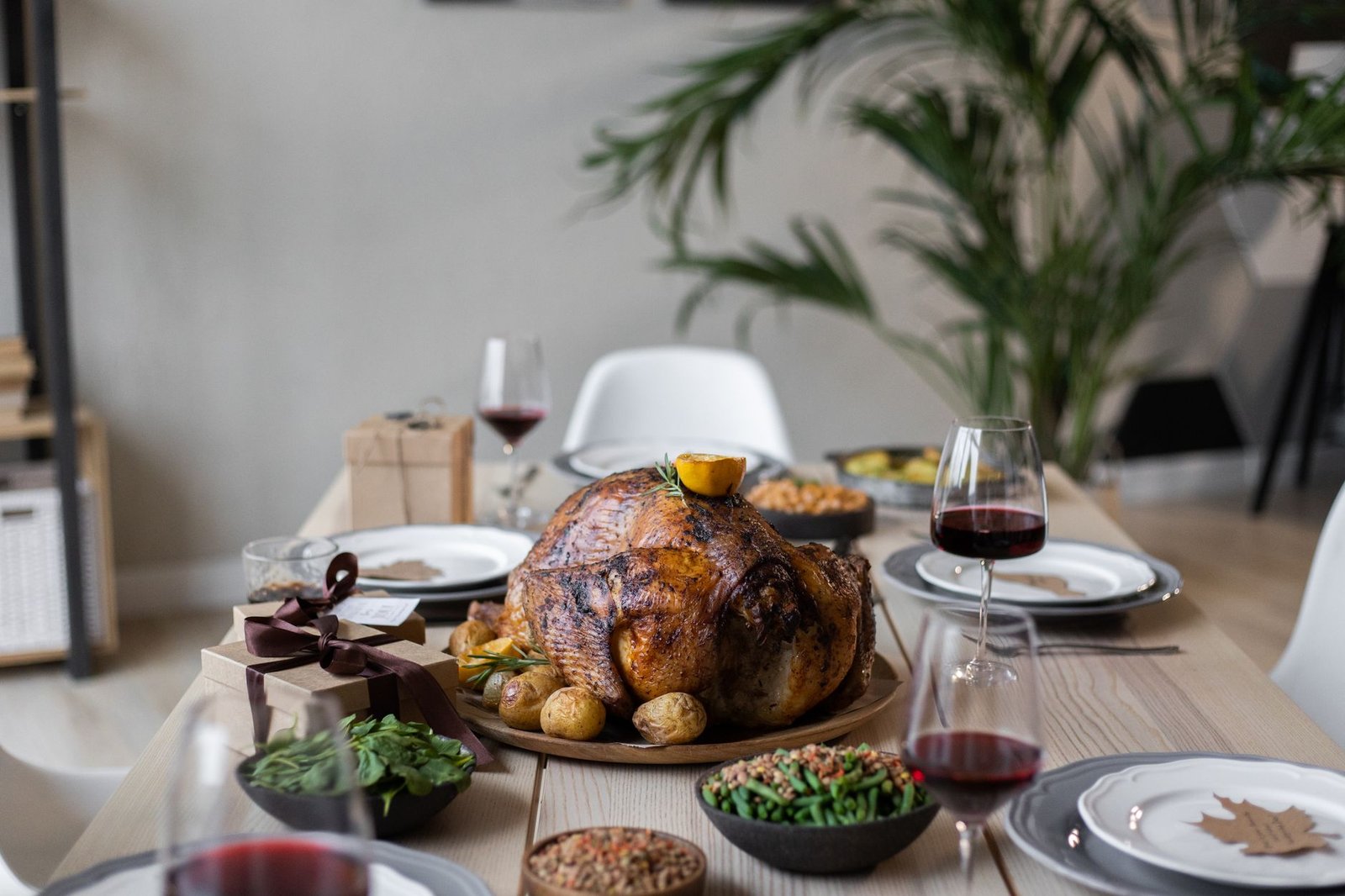
How Much Dressing Per Person?
Plan on about 175 ml (3/4 cup) of baked dressing per person as a side, and make a full extra quarter of the recipe when your table treats dressing as a main event, which Southern tables often do. This recipe’s 12 servings suit 10 to 12 people alongside a full spread of thanksgiving side dishes. For a smaller table of 6, halve everything and bake in a 20 cm (8 inch) square dish for about 35 to 40 minutes. Leftovers reheat well and freeze honestly, so erring large is the safer error.
Make Ahead and Freezing Plan
Thanksgiving cooking rewards anything finished early, and this cornbread dressing recipe is one of the best make ahead dishes on the table:
- Two days ahead: bake the cornbread, cool it, crumble it and leave the crumbs drying, covered with a clean cloth.
- One day ahead: cook the vegetables, assemble the full mixture in its buttered dish, cover and refrigerate. Add 5 to 10 minutes to the baking time when it goes into the oven cold.
- Freezing unbaked: assemble, wrap the dish well and freeze for up to 1 month. Thaw overnight in the fridge before baking.
- Freezing baked: cool completely, portion, wrap and freeze for up to 1 month. Reheat covered at 180 degrees C (350 degrees F) until hot through, then uncover for 5 minutes to bring the crisp back.
Keep the assembled dish in the fridge, not on the counter, and get it into the oven within a day. Egg based dishes do not belong at room temperature while the turkey marathon unfolds.
Variations That Stay True to the Dish
- Sausage cornbread dressing. Brown 450 g (1 pound) of breakfast style sausage, crumble it and fold it in with the vegetables, using its pan fat in place of some of the butter. Rich, classic and very filling.
- Oyster dressing. A coastal tradition: fold in about 240 ml (1 cup) of chopped shucked oysters with their liquor at the liquid step, and reduce the stock slightly. Serve this version only where your table expects it.
- Cornbread and biscuit dressing. Replace a third of the cornbread crumbs with crumbled day old biscuits for a softer, richer crumb.
- Vegetarian dressing. Use a good vegetable stock, skip the drippings, and add an extra handful of mushrooms cooked with the vegetables for depth.
- A little heat. A finely diced jalapeno or a pinch of cayenne with the vegetables suits tables that like their sides lively.
Each variation keeps the same liquid judgement and the same bake. Change the accent, not the structure, and the recipe stays reliable. Around the rest of the table, this dressing sits naturally beside a roast turkey recipe as the centrepiece, with the sweet potato casserole recipe bringing the sweet counterweight and the cranberry sauce recipe cutting through the richness.
Troubleshooting: Fixing the Classic Problems
Gummy dressing. Almost always one of three causes: the crumbles were too fresh, the mixture was stirred hard instead of folded, or too much liquid went in at once. Next time you make this cornbread dressing recipe, dry the crumbs longer, fold gently and add stock in stages. This time, spread the baked dressing in a thinner layer and return it to the oven uncovered for 10 minutes to drive off moisture.
Dry dressing. Too little liquid, or an oven left uncovered too long for a small batch. Stir warm stock over the sliced leftovers a spoonful at a time when reheating, and cover the dish for the first half of a reheat.
Bland dressing. Under salted crumbs and tired dried sage are the usual suspects. Sage is the signature seasoning here; it should be clearly present. Season the mixture before baking, because a baked dish resists late correction.
Soggy bottom, crisp top. The dish was too deep or the mixture too wet. A wider, shallower dish gives more of the crisp surface everyone wants and a more even set.
Burnt edges before the centre sets. Your oven runs hot or the dish sat too close to the element. Move the rack to the centre, and tent the top loosely with foil for the middle stretch if needed.
A Thanksgiving Day Timeline That Includes This Dish
Dressing fails most often as a scheduling problem, not a recipe problem. Give this cornbread dressing recipe a place in the day rather than squeezing it in around the turkey. Work backwards from the meal. If dinner is at 4 in the afternoon, take the dressing out of the fridge at about 2:30. Assemble it the day before, and let it lose its chill while the oven finishes other work. It bakes from roughly 3:00 to 3:55. Use the oven space the turkey vacates when the bird comes out to rest. A resting turkey frees exactly the rack and the heat the dressing wants. While the dressing bakes, the turkey rests under foil. It needs that rest anyway. The gravy gets its ten focused minutes on the stove. The dressing then rests for 10 minutes while the turkey is carved. Both reach the table hot at the same moment.
For a smaller midday meal the same order holds, just earlier. Assemble in the morning if you did not do it the day before. Bake while the main dish rests. Never hold a baked egg based dressing warm for hours. If the meal slips, bake the dressing closer to serving. It is safer and better to reheat the faster sides instead. The crisp top is at its best within half an hour of the oven. Plan the bake to finish last among the sides whenever you can.
Regional Styles Worth Knowing
Cornbread dressing is a family of recipes, not a single fixed formula, and knowing the branches helps you read any family version with confidence. The classic upland Southern style is the one this cornbread dressing recipe follows: yellow or white cornmeal, celery, onion, sage, stock and egg, baked in a dish or skillet. Delta and Louisiana versions often add the bell pepper this recipe lists as optional, and sometimes a Cajun seasoning warmth alongside the sage. Texas versions frequently include the sausage variation, or a little jalapeno heat, and lean drier and crumblier. Lowcountry coastal versions are where the oyster variation belongs, built around the liquor from the oysters as part of the liquid.
What unites them is method rather than any single ingredient: a savoury cornbread crumb, dried before use, aromatic vegetables cooked until sweet, enough seasoned stock to make the mixture spoonable and wet, and an uncovered bake that sets the centre and crisps the top. If you inherit a handwritten family version with puzzling quantities, judge it against those four points and it will usually tell you what it needs.
Frequently Asked Questions About Cornbread Dressing
Can I make cornbread dressing without eggs?
Yes. The eggs bind the dish, but a version without them still works if you handle it gently: add a little extra stock, rest the mixture a full 15 minutes so the crumbs bind themselves, and expect a looser, more crumbly set that scoops rather than slices.
What is the difference between cornbread dressing and stuffing?
The base and the pan. Cornbread dressing is cornbread based and bakes in its own dish, Southern style. Classic stuffing is usually white bread based. Both bake to a crisp top when cooked in a dish, and many families proudly serve their own version of each name.
How do I know the dressing is done?
The top is deep golden, the edges are crisp and pulling in, and the centre reads at least 74 degrees C (165 degrees F) and feels set rather than sloshing when the dish is nudged. When in doubt, give it five more minutes; this cornbread dressing recipe forgives extra time better than undercooking.
More questions about this cornbread dressing recipe
Can I use store bought cornbread?
Yes, if it is savoury rather than sweet. Bakery cornbread and low sugar mixes both work. Dry the crumbles overnight either way, because fresh store cornbread is often too moist and too tender on its own.
How long do leftovers keep?
Three to four days in the fridge in a covered container, or up to a month frozen. Reheat until steaming hot throughout, and use leftover dressing within a day of reheating. Leftover dressing fried in a little butter in a skillet, with an egg on top, is a breakfast worth planning for.
Can I bake dressing in a cast iron skillet?
Yes, and many Southern cooks prefer it. A 30 cm (12 inch) skillet gives excellent crisp edges. Preheat the buttered skillet in the oven for a few minutes before filling it if you want an especially crunchy bottom crust.
The Bottom Line
A dependable cornbread dressing recipe rests on four habits: plain savoury cornbread baked ahead and dried, vegetables cooked slowly until sweet, liquid added gradually until the mixture looks like thick porridge, and an uncovered bake that finishes crisp on top and set in the middle. Season it clearly with sage, taste before it bakes, and let gravy meet it at the table rather than in the dish. Do those things and the pan will come back empty, with the corner pieces claimed before you sit down.
This recipe is general home cooking information. Follow safe food handling for egg and poultry dishes: refrigerate leftovers promptly, reheat until steaming hot, and when in doubt, throw it out.

 Ablaze Fitness


