


A milk thistle supplement is one of those products that seems to appear everywhere at once. A friend mentions it. Then you notice a health store shelf full of it. Soon a search feed starts showing it after one curious click. The plant behind it has a long history in traditional herbal practice. Today, makers sell it in capsules, tablets, liquids, and teas in many countries. That popularity raises a fair question. What is actually inside the bottle? What can it reasonably do?
This guide answers that question in plain language. First, it explains what milk thistle is and what its active compounds are thought to do. Then it looks at what the research does and does not show. It also explains how people usually take a milk thistle supplement. You will also find safety notes, common mistakes, and label tips here. Everything here is general information, not medical advice. Read it, then talk it over with a pharmacist or doctor if you are thinking about trying it.
The short version is simple. Milk thistle is a flowering plant. Its seeds hold a group of compounds called silymarin. Researchers have studied silymarin for decades. Most of that work happened in labs and in small human studies. The results look interesting, but they stay mixed. They do not support big promises. Think of a milk thistle supplement as a widely used herbal product with modest, uncertain evidence. It is not a proven treatment for any condition.
What Is Milk Thistle, Exactly?
Milk thistle is a tall, spiky plant. It has purple flowers and pale green leaves with white veins. Its botanical name is Silybum marianum. It grows wild across parts of Europe, Asia, and North Africa. Farmers also grow it as a crop in several other regions. People have used the plant in traditional herbal practice for more than two thousand years. Most old preparations used its seeds. Modern supplements usually hold an extract of those seeds. Makers concentrate the extract and pack it into a capsule or tablet, or mix it into a liquid.
Researchers focus on one part of the plant: silymarin. Silymarin is a group of flavonoid compounds from the seeds. Silybin is the best known of these compounds. Some people spell it silibinin. Silymarin is not a single chemical. It is a mixture. Different products hold different amounts of it. That is one reason products vary so much. A label that says milk thistle seed extract is not the same as a label that lists a standardised amount of silymarin. That difference matters when you compare products.
People usually take a milk thistle supplement by mouth, once or twice a day, often with food. Shops sell it on its own and in blends with other herbs, vitamins, or minerals. It is not a food in the ordinary sense. In most countries, it is not a medicine either. Instead, it sits in the in between category of dietary supplements. That means you have to check quality, dose, and evidence yourself. No regulator checks every product before it reaches the shelf.
What Is Silymarin and Why Does It Matter?
Researchers call the active mixture in milk thistle seeds silymarin. That mixture is the reason researchers study the plant at all. It is a group of related compounds called flavonolignans. Silybin is the one found in the largest amount. In lab work, silymarin has shown antioxidant activity. That means it can help neutralise unstable molecules called free radicals in test tube and animal studies. That is an interesting starting point. Still, it is a long way from proving a benefit in people. Honest guides say so plainly.
One practical detail is standardisation. A product that says it holds 80 percent silymarin has a measured amount of that mixture in every dose. Makers design it that way. A product that only says milk thistle seed may hold very little of the active mixture. That can happen even if the total milligrams on the label look large. Standardisation is not unique to milk thistle. Our guide to the ashwagandha supplement explains how makers measure and label another plant extract. The same label reading skills apply here.
Bioavailability is another word worth knowing. It describes how much of a substance actually reaches the bloodstream after you swallow it. Silymarin does not absorb very well on its own. That is why some products use special forms. One example is silymarin bound to phospholipids. Makers design these forms to improve absorption. Researchers have studied these forms more in small trials than in large ones. Their advantage is plausible rather than proven. If a label promises far better absorption, treat that as marketing. Look for the evidence behind the claim first.
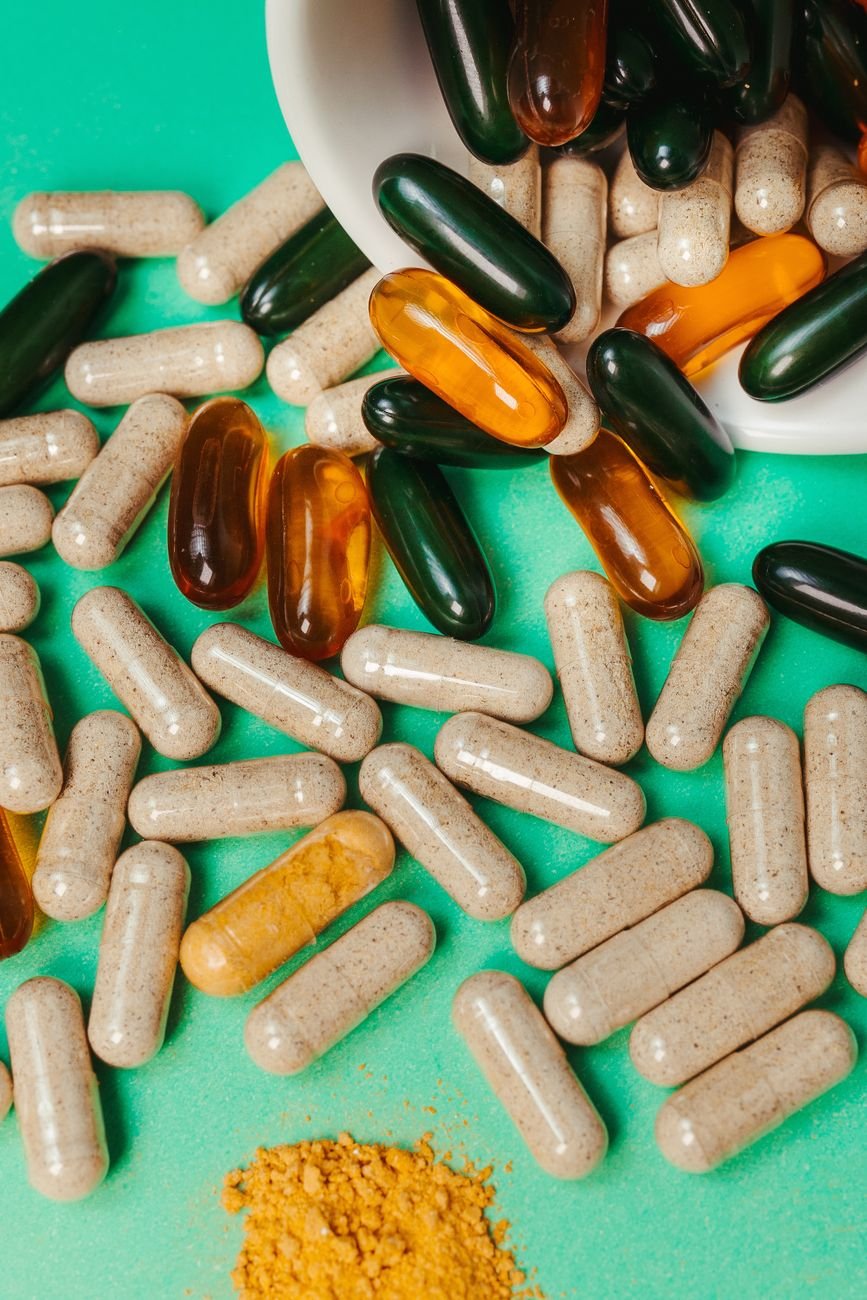
What Does a Milk Thistle Supplement Do?
Most of the interest in milk thistle centres on the liver. Researchers have studied silymarin there more than anywhere else. In lab and animal studies, silymarin has shown antioxidant effects. It has also interacted with liver cells in ways that interest researchers. Some studies suggest it may help protect liver cells from certain kinds of damage in a test tube. Be clear about what that means. A result in a lab dish is a clue, not a promise. Human bodies are far more complex than a single cell culture.
People also ask about digestion, skin, and general wellbeing. Milk thistle has a traditional reputation for supporting digestion, and some people take it after rich meals. That use comes from herbal tradition rather than from strong modern trials. The same is true for skin: a few small studies have looked at silymarin in skin care, but a capsule is not the same as a cream, and the evidence for one does not prove anything about the other. If you are reading claims about glowing skin or a flat stomach, treat them as marketing, not science.
The honest summary is that a milk thistle supplement is a product with a long history, a plausible mechanism, and modest evidence. It is not a proven treatment for any liver condition, and it does not cleanse, flush, or reset the liver. The liver already filters blood, processes nutrients, and breaks down substances on its own, and no capsule takes over that work. If you want a broader view of everyday habits that people associate with liver care, our article on home remedies to support liver health is a useful companion read, and it is written with the same caution about big claims.
What the Research Actually Shows
The research on milk thistle is best described as promising in the laboratory and uncertain in people. Reviews of the human studies often reach the same conclusion: the trials are small, they use different doses and different products, and they measure different outcomes. That makes it hard to combine them into one clear answer. Some small trials have reported small improvements in certain blood markers related to liver health, while others have found no meaningful difference compared with a placebo. When results point in both directions, the honest conclusion is that we do not yet know, not that the product works or that it does not.
The National Center for Complementary and Integrative Health, part of the National Institutes of Health, gives a useful summary of this picture. It notes that milk thistle has been studied for liver conditions and for other uses, and that the evidence is limited and mixed, with few large, high quality trials. That is the kind of source to trust when a product page says otherwise, because it weighs the whole body of research rather than picking the one study that sounds best.
Milk Thistle Supplement Studies: Why Results Vary
It also helps to know why the studies are hard to compare. One trial may use 140 milligrams of silymarin three times a day, another may use a single 600 milligram dose of a different extract, and a third may use a tea. The people in the studies differ too, in age, health, diet, and the medicines they take. A supplement that seems to help one group in one setting may do nothing measurable in another. That does not make the research useless. It means the answer depends on the details, and a single headline cannot capture it.
How to Take a Milk Thistle Supplement
There is no single correct dose for a milk thistle supplement, because the products differ and the research has used different amounts. Many human studies have used doses in the range of 140 milligrams of silymarin, taken two or three times a day, which adds up to about 280 to 420 milligrams of silymarin per day. Other studies have used a single daily dose of a standardised extract. These are doses used in research, not a personal recommendation, and the right choice for any one person depends on their health, their medicines, and the advice of their pharmacist or doctor.
Most labels suggest taking the product with food, and that is sensible advice. Food can reduce stomach discomfort, and some people find that a capsule on an empty stomach causes mild nausea. Taking it at the same time each day, for example with breakfast, also makes it easier to remember. If you miss a dose, simply take the next one at the usual time rather than doubling up. Doubling a dose does not make up for a missed one, and it raises the chance of stomach upset for no benefit.
Milk Thistle Supplement Forms: Capsules, Tablets, and Tea
Form matters less than consistency and label clarity. Capsules and tablets are the most common, and they give a measured dose. Liquids and teas are harder to measure, because the amount of silymarin in a cup of tea depends on how it was brewed and how strong the plant material was. If you prefer a tea, treat it as a pleasant drink rather than a measured dose. Whatever form you choose, give it time: herbal products are not fast acting in the way a pain reliever is, and people who expect a result in two days are usually disappointed. A fair trial, if a health professional agrees it is suitable for you, is usually measured in weeks, not days.
Who Should Be Careful With Milk Thistle?
Milk thistle is generally considered well tolerated when taken as directed, and most people who take it report no problems, or only mild ones such as stomach upset, a headache, or a skin rash. That does not mean it is right for everyone. People who are allergic to plants in the daisy family, such as ragweed, chrysanthemums, marigolds, or daisies, should be cautious, because milk thistle belongs to the same family and cross reactions are possible. If you have ever had an allergic reaction to a plant in this group, talk to a doctor before trying it.
Anyone who is pregnant or breastfeeding should also talk to a health professional first, because there is not enough reliable research to say it is safe in those situations, and the safe choice is to get personal advice. The same applies to children, to people with a liver condition, and to anyone taking regular medicine. Milk thistle can affect enzymes in the liver that help break down some medicines, which means it can change how those medicines work. That is not a reason to panic, but it is a reason to mention it to your pharmacist, who can check your specific medicines in a few minutes.
Stop taking it and seek medical advice promptly if you notice a rash, swelling, trouble breathing, or severe stomach pain. Those signs are uncommon, but they need attention the same day. More generally, if you have a liver condition or you have been told your liver blood tests are unusual, do not try to manage that with a supplement on your own. A doctor can look at the full picture, including your history and your medicines, and that conversation is worth more than any product review you will read online.
How to Choose a Good Milk Thistle Supplement
Start with the label, and read it the way a pharmacist would. Look for the amount of silymarin per dose, not just the total weight of the plant extract. A product that lists 150 milligrams of milk thistle seed extract standardised to 80 percent silymarin gives you 120 milligrams of silymarin, and that is a clear, checkable number. A product that lists only a large total weight, with no silymarin figure, is asking you to guess, and you should not have to guess about what you swallow.
Next, look for independent testing. A mark from a third party testing organisation means someone other than the maker checked the product for identity and purity, and that is worth more than a star rating on a shopping site. Also check the other ingredients. Some blends add extra herbs, sweeteners, or high doses of other vitamins, and those extras can matter if you already take other supplements. The same label reading habit helps with any supplement. Our guide to the vitamin D supplement shows what to look for on a very different product, and our collagen supplement guide makes the same point about checking what is actually inside the tub.
Price is a poor guide on its own. The cheapest bottle often holds the least silymarin. The most expensive bottle often makes the loudest claims. A mid priced product is usually a better choice. Look for a clear silymarin figure, a short ingredient list, and third party testing. Keep the bottle in a cool, dry place. Check the expiry date. Throw away any product that smells odd or has clumped. Supplements go off, just like food.

Common Mistakes to Avoid
The first mistake is buying on a claim rather than on a label. A bottle that promises a fast result, a cleanse, or a transformation is selling a story, not a supplement. The second mistake is taking a very high dose in the hope of a faster result. More of an herbal extract is not better, and high doses raise the chance of stomach upset and of interactions with medicines, without any proven extra benefit.
The third mistake is stopping other healthy habits because a capsule feels like a shortcut. No supplement replaces sleep, movement, balanced food, and drinking enough water, and anyone who tells you otherwise is selling something. The fourth mistake is forgetting to tell your pharmacist about it. Supplements count as part of your medicine list, and a pharmacist can spot an interaction in seconds. The same habit applies to every daily supplement. Our guide on how to take creatine makes the same point about consistency and label reading, and our article on magnesium glycinate for sleep shows how a different supplement also needs a check against your medicines before you start.
The fifth mistake is judging a product after three days. Herbal supplements work slowly, if they work at all, and a few days is not a fair test. The sixth mistake is buying from a seller you cannot trace. If a shop will not say where a product was made, who tested it, or what is in it, buy elsewhere. A clear label, a real company, and a batch number are basic signs of a serious product.
Frequently Asked Questions
Is a milk thistle supplement safe to take every day? For most healthy adults, milk thistle is considered well tolerated when taken as directed, and short term daily use is the most studied pattern. Long term daily use has less research behind it, so it is wise to check in with a pharmacist or doctor if you plan to take it for months, and to stop and ask for advice if you notice any new symptoms.
How long does it take to notice anything? There is no set time, and many people notice nothing at all, which is normal for a product with modest evidence. If a health professional agrees a trial is suitable for you, a fair trial is usually measured in weeks, and any change should be judged against how you felt before you started, not against a promise on a label.
Can I take milk thistle with other supplements? It depends on which ones. Milk thistle can affect how the liver breaks down some medicines and supplements, so the safe move is to list everything you take, including vitamins, herbal products, and over the counter medicines, and show that list to your pharmacist before adding it.
Is milk thistle the same as a liver cleanse? No. A milk thistle supplement is a plant extract, and a liver cleanse is a marketing idea, not a medical treatment. Your liver does its own filtering and processing, and no capsule cleanses, flushes, or resets it. If you want to support your liver, the habits with the strongest evidence are the ordinary ones: balanced food, movement, sleep, and limiting alcohol.
Milk Thistle Supplement: The Bottom Line
Disclaimer: This article is general information only and is not medical advice. It does not diagnose, treat, or prevent any condition. Talk to your doctor or pharmacist before starting any new supplement, especially if you are pregnant, breastfeeding, taking medicine, or living with a liver condition.

 Ablaze Fitness


