


Ask anyone what they remember about Thanksgiving dinner and almost nobody starts with the turkey. They talk about the stuffing that disappeared first, the mashed potatoes done properly, the one green vegetable that somehow held its own, and the cranberry sauce that half the table insists must come from a can and the other half insists must not. Thanksgiving side dishes are the meal. The turkey is the excuse.
This guide plans them properly. You will get the core lineup that satisfies almost every table, how much of each dish to make per person, which dishes to cook ahead and which to finish last, a realistic oven schedule for one ordinary oven, and the lighter swaps that keep the table feeling generous without sending everyone to the sofa by four in the afternoon. Every core dish links to its full recipe on this site, so this page is the plan and those pages are the cooking.
The Core Lineup: Thanksgiving Side Dishes That Cover Every Job
A good Thanksgiving table is not about the number of dishes. It is about coverage. Each dish has a job, and when two dishes do the same job, one of them gets ignored while a gap elsewhere gets noticed. These seven jobs cover a full table.
- The starch everyone expects: stuffing or dressing. This is the dish people cross the room for. Our classic stuffing recipe covers the traditional bread based version with the crisp top and soft centre that soaks up gravy exactly as it should. Cook it in a dish beside the bird, which keeps its top crisp and makes timing far easier than stuffing inside the turkey.
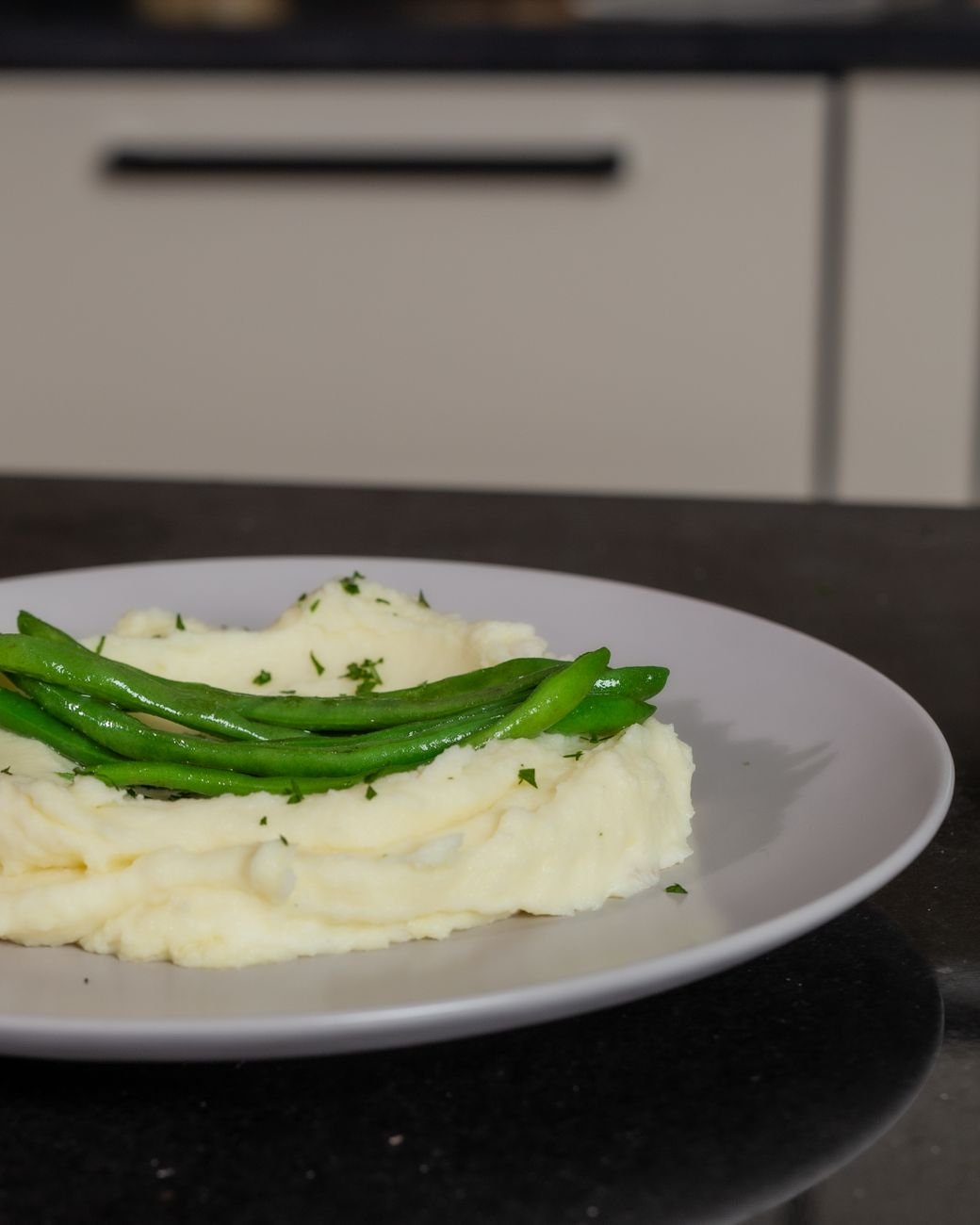
- The comfort anchor: mashed potatoes. Mashed potatoes are the plate’s foundation, the thing gravy was invented for. The mashed potatoes recipe here is built to hold well, which matters because potatoes are at their best made slightly ahead and kept warm rather than mashed in a panic while the turkey rests. Make more than you think. Leftovers are guaranteed to be claimed.
- The green vegetable with actual flavour: green bean casserole. Every table needs one green dish that people take seconds of, and this is it. The green bean casserole recipe assembles a full day ahead, which alone earns its place, and bakes while the turkey rests. If your table prefers a fresher green, roasted Brussels sprouts or simple buttered green beans fill the same slot with the same timing logic.
- The sweet counterweight: sweet potato casserole. One sweet, rich side balances the savoury weight of the rest of the plate. Our sweet potato casserole recipe gives you the classic version and a lighter one, so you can match your own table. It reheats beautifully, which makes it a natural make ahead candidate.
The Last Three Jobs on the Plate
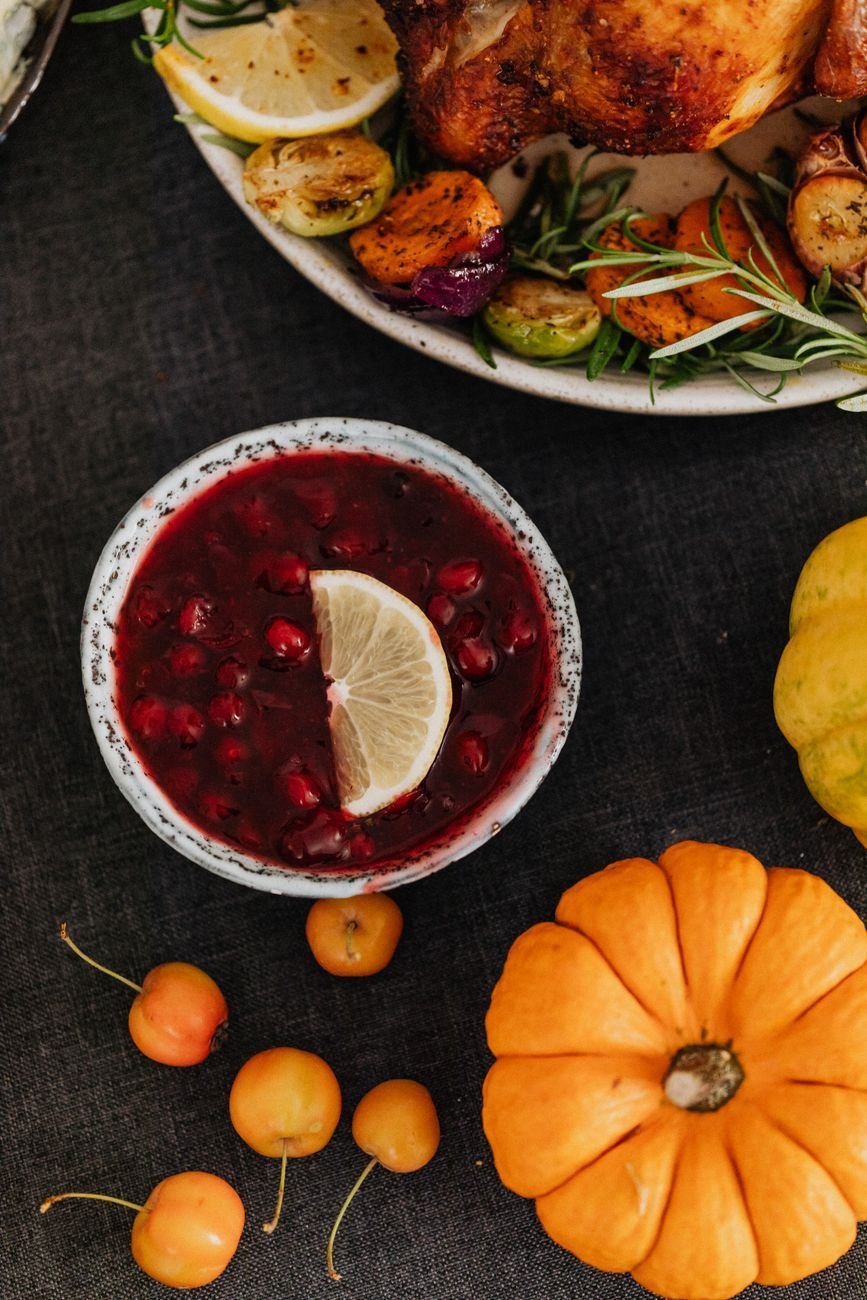
- The sharp, bright note: cranberry sauce. Cranberry is the only genuinely tart, acidic thing on most Thanksgiving plates, and it cuts through everything rich. A homemade cranberry sauce takes about fifteen minutes, keeps for a week in the fridge, and should always be the first dish you make, days ahead, because it improves as it sits.
- The gravy. Gravy is a side dish in everything but name, and it is the one element that rescues any dry slice or bland bite on the plate. It is made last, from the turkey drippings, in about ten minutes. Treat it as non-negotiable and plan its ten minutes into the schedule below.
- The bread. Rolls or a simple bread for the table, bought or baked, warmed at the last moment. Bread does the quiet work of making the meal feel complete and gives people something to do with the last of the gravy.
Dessert sits outside the seven but belongs in the plan: a pecan pie baked a day or two ahead and a pumpkin pie alongside it cover both the firm slice and the soft slice schools of thought, and both improve overnight.
Thanksgiving Side Dishes: How Much to Make Per Person
Underbuying is the classic Thanksgiving anxiety, and overbuying is the classic Thanksgiving outcome. These per person figures, for adults with normal appetites at a full table, land in the sensible middle and assume you want modest leftovers rather than a second feast.
| Dish | Per person | For 8 people | For 12 people |
|---|---|---|---|
| Stuffing | 180 ml (3/4 cup) | 1.4 litres (6 cups) | 2.2 litres (9 cups) |
| Mashed potatoes | 225 g (1/2 lb) raw potatoes | 1.8 kg (4 lb) | 2.7 kg (6 lb) |
| Green bean casserole | 180 ml (3/4 cup) | 1.4 litres (6 cups) | 2.2 litres (9 cups) |
| Sweet potato casserole | 150 ml (2/3 cup) | 1.2 litres (5 cups) | 1.8 kg worth (7 to 8 cups) |
| Cranberry sauce | 60 ml (1/4 cup) | 480 ml (2 cups) | 720 ml (3 cups) |
| Gravy | 80 ml (1/3 cup) | 650 ml (2 3/4 cups) | 950 ml (4 cups) |
| Rolls | 1 to 2 | 12 | 18 |
Scale the turkey eaters honestly. A table of teenagers and a table of grandparents do not eat the same Thanksgiving, and no chart knows your family. When in doubt, add to the stuffing and potatoes first: they are cheap, they reheat best, and they are what leftover sandwiches are built from.
The Make Ahead Map for Thanksgiving Side Dishes
The single biggest difference between a calm Thanksgiving and a frantic one is how much cooking happens before the day. Almost every thanksgiving side dish either improves with a head start or loses nothing by it.
Three to five days ahead: cranberry sauce, made completely and refrigerated. Pie dough, made and frozen or refrigerated.
Two days ahead: both pies, baked completely. Sweet potato casserole, assembled unbaked and refrigerated, or baked and held for reheating.
One day ahead: green bean casserole, assembled unbaked. Bread for stuffing, cubed and left out to stale, which genuinely improves stuffing texture. Potatoes, peeled and held in cold water in the fridge if your recipe suits it.
On the day: stuffing mixed and baked, mashed potatoes finished, gravy made in the final ten minutes, rolls warmed, green bean casserole and sweet potato casserole baked or reheated while the turkey rests.
Notice what is left for the day itself: mostly oven time and two finishing jobs. That is the whole strategy. Thanksgiving day cooking should feel like conducting, not firefighting.
One Oven: A Realistic Schedule for Thanksgiving Side Dishes
Most home ovens fit the turkey and nothing else while it roasts, so the schedule works around that fact instead of pretending otherwise. This version assumes the turkey comes out about 45 minutes before you sit down, which it should: a rested turkey carves better and stays juicier than one rushed to the table.
| When | What happens |
|---|---|
| Turkey out, resting under foil | Oven rises to 190 degrees C (375 degrees F) |
| Rest + 0 minutes | Stuffing and green bean casserole go in |
| Rest + 10 minutes | Sweet potato casserole goes in, if it needs the oven |
| Rest + 20 minutes | Mashed potatoes reheated gently on the stove; gravy started |
| Rest + 30 minutes | Rolls in for their final warm through |
| Rest + 35 minutes | Stuffing checked for a crisp top; casseroles come out |
| Rest + 40 minutes | Gravy finished and strained into a warm jug |
| Rest + 45 minutes | Turkey carved; everything to the table together |
Two habits make this schedule hold. First, serve sides in the dishes they baked in, brought straight to the table, rather than transferring everything into serving bowls that need washing and warming. Second, keep a kettle of hot water ready: a splash revives mashed potatoes, thins gravy, and rescues almost any small timing disaster.
Lighter Swaps That Do Not Feel Like Sacrifice
A Thanksgiving table can carry a few lighter choices without anyone feeling managed, as long as the swaps respect what each dish is for. The goal is a table where the classics stay classic and the overall plate balances better.
Mashed potatoes: swap a third of the potatoes for cauliflower, steamed and mashed in. The texture stays creamy, the flavour stays potato, and the dish lightens noticeably.
Sweet potato casserole: use the lighter topping of oats and chopped pecans instead of marshmallow, or serve the casserole without a topping and let the sweet potato speak.
Green vegetables: add one simply cooked green dish, such as green beans with lemon, beside the casserole. People genuinely take both.
Gravy: skim the fat from the drippings properly rather than skipping gravy, which nobody wants. A well skimmed gravy tastes cleaner, not weaker.
Portions by design: serve the richest dishes in slightly smaller dishes placed along the table, and the vegetables in the biggest ones. People serve themselves in proportion to what is in front of them.
What does not work: announcing lighter versions. Cook them well, serve them proudly, and let the food make its own case.
Food Safety for a Long, Warm Table
Thanksgiving side dishes sit out longer than almost any other meal, so a little planning matters. The USDA guidance on turkey basics and safe handling covers thawing and cooking the bird itself; for the sides, the working rules are simple. Get perishable dishes into the fridge within 2 hours of serving. Keep hot dishes genuinely hot, above 60 degrees C (140 degrees F), while they wait, rather than lukewarm on a counter. Refrigerate leftovers in shallow containers so they chill quickly, and plan to eat them within 3 to 4 days, or freeze them on the day in labelled portions. Gravy deserves special care: bring leftover gravy back to a full boil before serving it again.
Regional and Family Favourites Worth a Slot
Beyond the core seven, most tables carry one or two dishes that exist because a specific person would riot if they vanished, and regional traditions explain most of them. Macaroni and cheese anchors Thanksgiving across much of the American South and earns its place anywhere cheese lovers gather. Cornbread dressing replaces bread stuffing in many Southern kitchens. Green bean casserole itself began as a Midwestern standard before it became a national one. Candied yams, creamed corn, glazed carrots, wild rice pilaf, and a jellied cranberry sauce served in perfect slices from the can all hold fierce local loyalties.
The planning rule for these thanksgiving side dishes is simple: a family favourite outranks a fashionable addition every time. If your table expects one of them, build it into the lineup and let it replace the closest core dish rather than simply adding to the pile, because oven space and appetites are both finite. One new experiment per year is also plenty. Thanksgiving is the one meal where people want the food they remember, improved slightly, rather than a menu that surprises them.
Setting the Table So Your Thanksgiving Side Dishes Actually Work
Thanksgiving side dishes fail quietly at the serving stage more often than at the cooking stage. A few habits protect all the work above. Serve the sauciest dishes, gravy and cranberry especially, in vessels with lips or spouts. Set them where a drip lands on a plate rather than the tablecloth. Put the carving board at the end of the serving line, not the start. Plates fill with sides first, and turkey portions stay sensible. Keep one small bowl of flaky salt and a pepper grinder on the table. Seasoning at the table is personal in a way seasoning in the kitchen cannot be. Warm the plates if you can, in a low oven or with hot water. A Thanksgiving plate travels further than any other meal of the year. It arrives cold more often than hosts realise.
Finally, photograph nothing and announce nothing: sit down while the food is hot. The cook sitting down is the signal everyone is waiting for. A table that starts together eats better than a table that starts in shifts.
Frequently Asked Questions About Thanksgiving Side Dishes
How many side dishes should a Thanksgiving dinner have?
Five to seven thanksgiving side dishes is the range that works for most tables: stuffing, one potato dish, one green vegetable, one sweet side, cranberry sauce, gravy, and bread. Fewer feels sparse, more splits your attention and your oven without making the meal better.
What is the most popular Thanksgiving side dish?
Stuffing and mashed potatoes trade the top spot depending on the survey and the region, with macaroni and cheese leading in much of the American South. The practical answer for your table is whichever dish your family asks about in advance, and that dish deserves your best effort and your biggest portion.
Which Thanksgiving side dishes can be made the day before?
Cranberry sauce keeps for a week. Green bean casserole and sweet potato casserole assemble a day ahead and bake on the day. Pies bake two days ahead and improve. Stuffing is best mixed and baked on the day, though its bread can stale overnight and its vegetables can be cooked ahead.
Keeping Sides Warm and Other Questions
How do I keep side dishes warm without drying them out?
Hold them covered, in a low oven at about 90 to 100 degrees C (200 degrees F), or wrapped in towels in a closed cooler, which works surprisingly well for an hour. Add a splash of hot water, milk, or stock before serving to restore the texture of potatoes and stuffing.
What side dishes go with turkey besides the classics?
Roasted root vegetables, a bright slaw or salad for contrast, cornbread, glazed carrots, and a wild rice dish all sit comfortably beside turkey. Add one new dish at a time rather than rebuilding the table, because Thanksgiving eaters are traditionalists.
How much gravy should I make?
Plan on about 80 ml (1/3 cup) per person and make a little extra, because gravy is the one thing that is never left over by accident. If your turkey is short on drippings, stretch the gravy with good stock rather than serving less of it.
A Note for Canadian, British, and Australian Tables
Thanksgiving timing differs across the countries this site serves, and the plan adapts easily. In Canada, Thanksgiving falls on the second Monday of October, in the middle of harvest season. The same dishes apply, and local vegetables are at their peak.
In the United Kingdom and Australia, the holiday is not a national fixture. This lineup works unchanged as a harvest or Christmas table plan. One southern hemisphere adjustment applies: an Australian December table is a summer table. Serve the cranberry sauce and one casserole cold or at room temperature. Add a crisp salad in the green slot. Let the hot dishes that remain, the stuffing and potatoes, carry the traditional centre. The coverage logic, the quantities per person, and the make ahead map stay exactly the same in every hemisphere. They were never really about the date. They are about how a celebratory table eats.
The Bottom Line on Thanksgiving Side Dishes
Great thanksgiving side dishes are a planning achievement more than a cooking one. Cover the seven jobs on the plate, make the cranberry sauce and pies days ahead, assemble the casseroles the day before, and let the turkey’s resting time become your oven’s finishing window. Do that, and the sides, which are the part of the meal everyone actually talks about, arrive hot, complete, and calm at the same moment.
This guide is general home cooking information. Cooking times vary with dish size and oven, so treat the doneness of each individual recipe, and standard food safety practice, as the final word.

 Ablaze Fitness


