

A Pilates reformer can change your home workouts. It adds spring resistance to classic Pilates moves, so your muscles work harder with less impact on your joints. But the best Pilates reformer for your home is not always the most expensive one. The right choice depends on your space, your budget, and how you plan to use it. This guide compares seven reformers that are worth your money in 2026, and it names three types to skip. Use it before you spend a cent.
Reformers are a big purchase. Most good models cost as much as a year of studio classes, and a bad one can eat up floor space for years. That is why we looked at resistance systems, carriage size, footbar positions, build quality, and foldability. We also weighed how easy each model is to learn on, because a reformer you avoid is money wasted. The result is a short list you can trust, with clear reasons for every pick.
If you are new to Pilates, start with the basics below. If you already know what you want, jump to the seven picks. Either way, measure your space first. A reformer is longer than most people expect, and that one step saves more returns than any other tip in this guide.
What Is a Pilates Reformer, and Who Is It For?
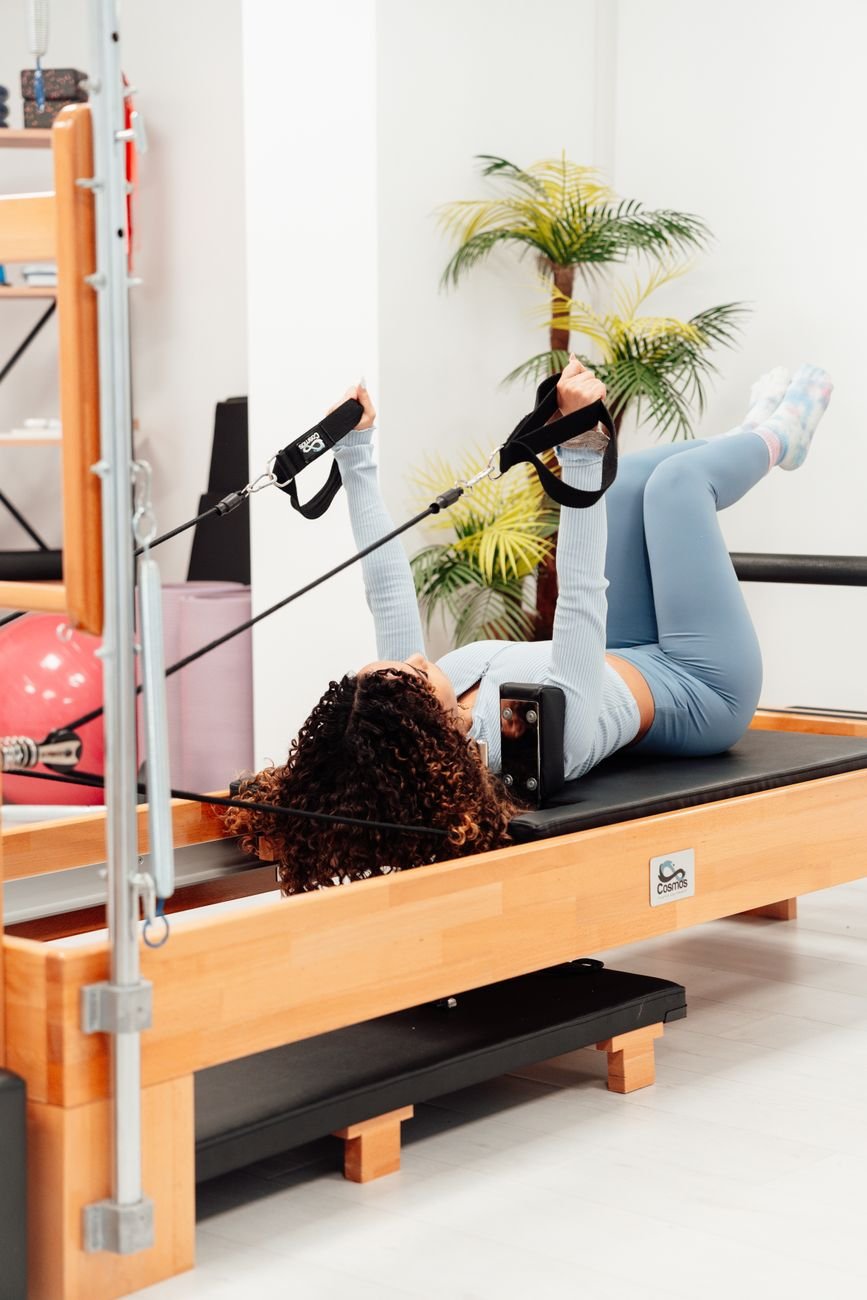
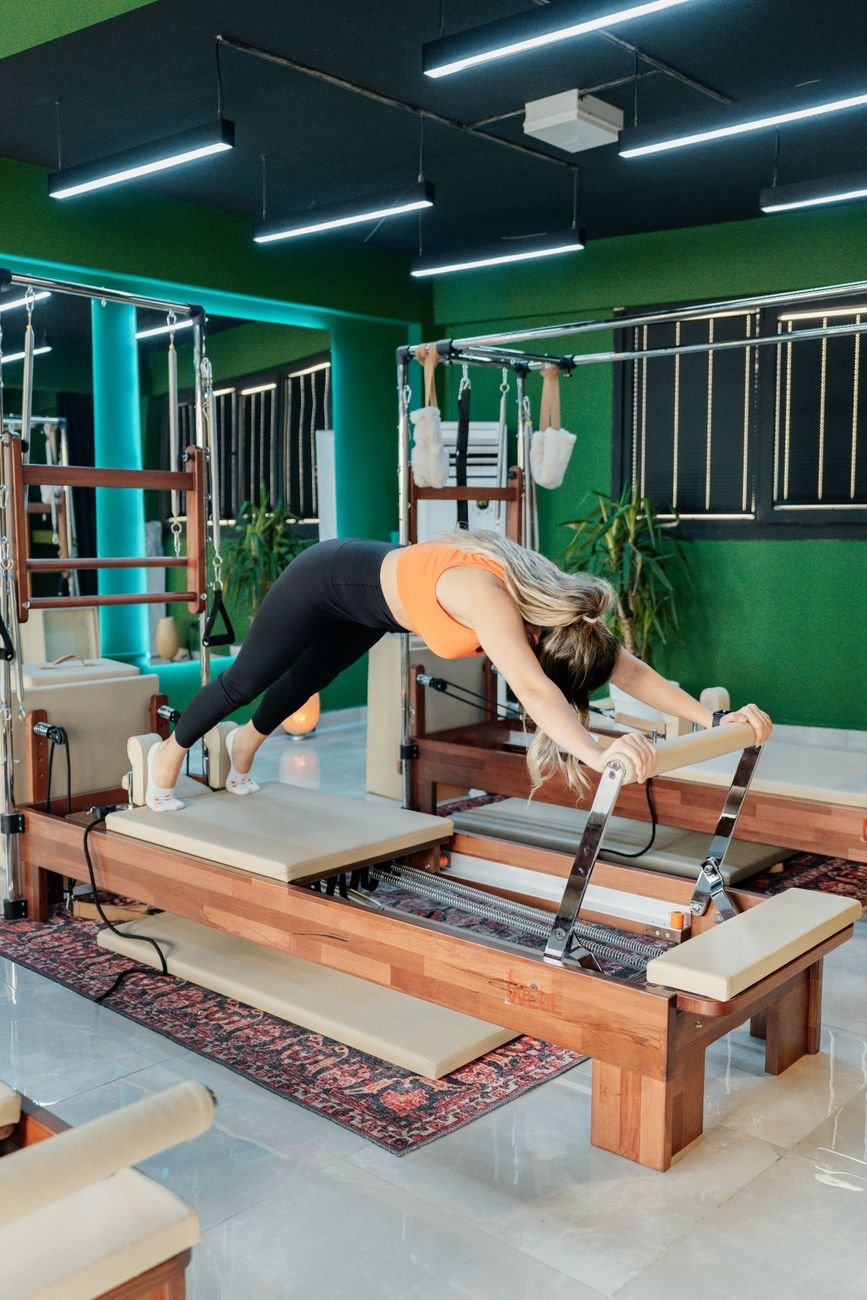
A Pilates reformer is a bed-like frame with a sliding carriage, springs, straps, and a footbar. You lie, sit, kneel, or stand on the carriage and push against spring resistance. The springs make each move smooth and controlled, and they let you change the load in small steps. That is why reformers work for both gentle sessions and hard strength workouts.
Reformers suit many people. Beginners like the support, because the carriage guides the body through each move. Runners and lifters use them for core strength and hip mobility. Older adults use them for balance and leg strength, since most moves are done lying down or seated. And people with sore knees often prefer reformer work to jumping or running, because the load stays low impact.
Research backs up the interest. A 2025 randomized controlled trial in young adults with chronic low back pain found that reformer Pilates improved pain, sleep, and related measures. You can read a 2025 randomized controlled trial of reformer Pilates on PubMed to see the details. That does not mean a reformer will fix your back, and it is not a substitute for medical advice. But it does show that the method has real evidence behind it, not just social media buzz.
- A reformer is a good fit if you want low impact strength training.
- It suits you if you like guided, structured workouts.
- It works if you have room for a machine about 2.4 metres long.
- It pays off if you will use it at least twice a week.
How We Chose the Best Pilates Reformers for This Guide
We judged every reformer on the same six points. First, resistance: the springs should offer a useful range, from light to heavy, with smooth changes. Second, carriage size: a wider carriage suits taller users and side-lying work. Third, the footbar: it should adjust to several positions and lock firmly. Fourth, build: the frame should feel solid, not wobbly, under full load. Fifth, size and storage: the best Pilates reformer for a small home folds or stands on end. Sixth, learning support: good classes or clear guides matter, because most buyers are learning as they go.
We also checked what each model leaves out. A reformer with no jumpboard is fine if you never plan to jump, but a missing footbar adjustment is a real problem. And we treated price as a range, not a fixed number, because prices change with sales and bundles. Use the labels in this guide (budget, mid range, and premium) as a rough guide, then check the current price before you buy. If you are building a home gym from scratch, our guide to the best home gym equipment for beginners will help you plan the rest of the room around your reformer.
- In short, we picked reformers that are sturdy under full load.
- They adjust for different heights and body sizes.
- They are easy to store when the session ends.
- They come with classes or clear guides.
- They are fairly priced for what they offer.
The 7 Best Pilates Reformers for Home in 2026
Here are the seven reformers that made the cut. Each one earns its place for a different reason, so read the best for line first, then the detail. Prices shift with sales, so treat the price labels as a guide, not a quote.
1. Balanced Body Allegro 2: The Best Pilates Reformer for Most Homes
The Allegro 2 is the reformer you will see in most good studios, and it works just as well at home. It has five springs with clear tension levels, a wide carriage that suits taller users, and a footbar that moves through several positions. The frame is low to the floor, so it is easy to get on and off, and it rolls on wheels when you need to move it. In short, it does everything well, and it does nothing badly.
The trade-off is price and size. The Allegro 2 sits in the premium range, and it needs a clear floor space of about 2.5 metres. But it also holds its value better than most home machines, and it is built to last for years of daily use. If you want one reformer that you will never outgrow, this is the best Pilates reformer for most homes. Best for: most buyers who want a studio quality reformer at home.
2. Merrithew SPX Max: Best for Serious Home Studios
The SPX Max is the choice if you want a near-studio setup. It comes with a vertical frame for tower work, a jumpboard, and a wide range of spring options. The carriage is smooth and quiet, and the build quality is excellent. It feels like a commercial machine because it is one, and it suits people who train hard and want the full range of Pilates work.
But it is tall, heavy, and premium priced. The vertical frame adds height, so check your ceiling before you order. And the learning curve is real, because the tower opens up many new moves. If you have the space and the budget, it is superb. If you want something simple, pick a smaller model instead. Best for: dedicated home studios and experienced users.
3. AeroPilates Pro XP 556: The Best Pilates Reformer on a Budget
The AeroPilates Pro XP 556 is the best value pick in this guide. It includes a cardio rebounder, which lets you add low impact jumping to your sessions, and it folds for storage. The frame is lighter than the premium models, so it is easy to move, and the price sits in the budget range. For a first reformer, it covers the basics well.
The carriage is narrower than the Allegro 2, and the springs feel lighter at the top end. Tall users may find it short, so check the length if you are over 185 cm. But for most beginners, those limits will not matter for the first year or two. It is the best Pilates reformer on a budget, and it is a smart way to test whether reformer training suits you. Best for: beginners and budget buyers.
4. Stamina AeroPilates Pro: Best Foldable Reformer for Small Spaces
The Stamina AeroPilates Pro folds in half, so it fits in a closet or under a bed. That makes it the best foldable reformer for flats and small rooms. It still offers four resistance cords, a padded platform, and a headrest that adjusts. The setup takes a minute, and the fold mechanism is simple enough to use every day.
The trade-off is a lighter build. It uses cords rather than steel springs, so the resistance feels different, and it suits lighter users best. It is not the pick for heavy daily training. But if space is your main limit, this model removes the biggest barrier to owning a reformer, and that matters more than spring type. Best for: small flats and renters.
5. Frame Reformer: Best Modern Design
The Frame reformer looks more like furniture than gym equipment, with clean lines and a light wood finish. It comes with live and on demand classes, so you always have a workout to follow. The carriage is wide and smooth, the footbar adjusts easily, and the spring system covers a good range. It is a strong pick if you want your reformer to look good in a living room.
The catch is the subscription. The classes work best with a membership, which adds a monthly cost. The frame is also fixed in length, so it does not fold. But the design and the class library make it easy to stay consistent, and consistency is what gets results. If you train better with a coach on screen, this is your model. Best for: design lovers and class followers.
6. Flexia: The Best Pilates Reformer for Guided Workouts
Flexia is a smart reformer with sensors that track your reps, range, and form. It connects to an app with guided classes that adapt to your level. The carriage and springs are solid, and the frame is compact for a smart machine. If you like data and feedback, you will enjoy seeing your progress after each session.
As with any smart machine, the app matters. You will get the most from Flexia if you use its classes often, and the subscription adds to the cost over time. The reformer itself is well built, though, and it works fine as a simple machine too. It is the best Pilates reformer for guided workouts, because the coaching is built into the product. Best for: tech fans and people who need coaching to stay on track.
7. Elina Pilates Elite Wood: Best Classic Wood Reformer
The Elina Pilates Elite Wood is a classic studio reformer with a solid wood frame. It looks warm and timeless, and it feels rock solid under load. The carriage is wide, the springs are strong, and the footbar locks in several positions. It suits people who want a traditional Pilates feel and a machine that will last for decades.
Wood reformers need more care than metal ones. Wipe the frame after sweaty sessions, and keep it out of damp rooms. It is also heavy, so it is best left in one place. But if you have a dedicated room and you love the classic look, this is a reformer you will keep for life. Best for: classic Pilates fans with a dedicated space.
3 Pilates Reformers to Skip (and Why)
Not every reformer is worth your money. These three types show up in ads often, and they cause the most regret. Skip them, even when the price looks tempting. When you shop for the best Pilates reformer, remember that a low price is not a bargain if the machine is unsafe or unusable.
- Ultra cheap no-name reformers. These often have thin carriages, weak springs, and frames that flex under load. They also lack spare parts, so a broken spring can end the machine. If the brand has no reviews and no warranty, walk away.
- Reformers with a fixed footbar. A footbar that does not adjust will fit only some body sizes, and it limits the moves you can do. This is the one feature you should never compromise on, because it affects almost every exercise.
- Reformers that are too big for your room. A great machine you cannot use is a bad buy. If it does not fold and you have no spare room, it will become a clothes rack. Measure first, then shop.
Best Pilates Reformer for Small Spaces: Measure First
If you live in a flat, the best Pilates reformer for you is the one that fits. Start by measuring the spot where you will train, and add 60 cm at each end for the carriage travel and your body. Then check the folded size, not just the open size. A model that folds in half or stands on end is worth more in a small home than an extra spring.
Think about noise and floors too. A reformer on a hard floor can slide, so a mat under the frame helps. And if you share walls, pick a model with quiet springs, because metal on metal can carry through a building. For a small space cardio option to pair with Pilates, compare a walking pad and a treadmill in our walking pad vs treadmill guide, and see our best walking pad picks for quiet models. If you are new to walking pads, read our beginner guide to walking pads first.
How to Use Your New Reformer Without Hurting Yourself
A reformer is safe when you respect the springs. Most injuries come from rushing, not from the machine. Start with one or two springs, learn the basic footwork, and add load slowly. Book one live class or watch a beginner series before your first solo session, because good form matters more than heavy resistance.
- Starting with too many springs. Heavy springs pull you out of form. Start light, and add one spring at a time.
- Skipping the warm up. Cold hips and shoulders do not move well on a carriage. Spend five minutes on easy moves first.
- Holding your breath. Breathe out on the effort and in on the return. It keeps your core steady and your blood pressure stable.
- Letting the carriage slam. Control the return on every rep. The slow return is where the strength is built.
- Training through sharp pain. Mild muscle burn is normal, but sharp joint pain is a stop sign. Rest, and ask a coach or a clinician if it keeps happening.
After hard sessions, follow our post-workout recovery tips to bounce back faster, and add these hip stretches for tight hips when your hips feel stiff. Both habits keep you training week after week.
Reformer vs Mat Pilates: Which Is Better for You?
Mat Pilates needs only a mat and your body weight, so it costs almost nothing and you can do it anywhere. Reformer Pilates adds spring resistance, which gives you more load options and more support for tricky moves. Neither is better in general. Mat work builds control and body awareness, while reformer work builds strength faster because you can add load in small steps.
When you can afford only one, ask yourself what you will do more often. Travel a lot or train in small rooms, and mat Pilates wins. Want a dedicated home setup with machines? Then a reformer wins. Many people do both, and that mix works well.
Best Pilates Reformer Questions, Answered
What is the best Pilates reformer for beginners?
For most beginners, the best Pilates reformer is a foldable model with clear spring levels and a wide carriage, such as the AeroPilates Pro XP 556 in this guide. It is affordable, easy to store, and simple to learn on. If your budget allows, the Balanced Body Allegro 2 is the model you will not outgrow.
How much should I spend on a home Pilates reformer?
Budget models start in the low hundreds, mid range models cost more, and premium studio models cost several thousand. Spend what your training frequency justifies. If you will use it three times a week, a mid range or premium model is fair value. If you are testing the method, start with a budget model and upgrade later.
Do I need a jumpboard?
No. A jumpboard adds low impact cardio to reformer sessions, but it is not required. Most beginners do fine without one for the first year. Add it later if you want more variety, or pick a model that includes one from the start.
The Bottom Line
The best Pilates reformer is the one that fits your space, your budget, and your training habits. For most homes, that is the Balanced Body Allegro 2, because it does everything well and lasts for years. If money is tight, the AeroPilates Pro XP 556 gives you the same method for less. And if space is tight, pick a model that folds. Measure your room, choose from the seven picks above, and start with light springs. Your future self will thank you.

 Ablaze Fitness


 Mélanie Courcelles


