


A mini stepper is about the size of a shoebox. It sits under a desk, in a corner, or beside the sofa. The price is far less than a treadmill, yet it promises a real workout in a tiny footprint. So the question is fair: does a mini stepper workout actually work, or is it just a gadget that gathers dust?
The short answer is that a mini stepper workout can help. In fact, it raises your heart rate, works your legs, and gets you moving. Still, it will not replace a full gym. It will not melt fat from one spot either. But for a beginner who wants simple, low impact movement at home, it is a solid start. This guide explains what a mini stepper workout does, what it cannot do, and how to use one well.
You will also get a full 20 minute beginner plan, a four week progression, and the mistakes that waste most sessions. By the end, you will know whether a mini stepper workout fits your goals, and exactly how to start one.
What Is a Mini Stepper, Exactly?
A mini stepper is a small exercise machine with two pedals. You place one foot on each pedal and step up and down. Two hydraulic pistons under the pedals create resistance. Most models are about 40 to 50 centimeters (16 to 20 inches) wide and weigh 6 to 9 kilograms (13 to 20 pounds). You can lift one with one hand and slide it under a bed.
There are two common types. A straight up and down stepper moves the pedals vertically, like climbing a short flight of stairs. A twist stepper turns the pedals slightly from side to side as you step, which asks more of your hips and inner thighs. Some models add resistance bands for the arms. The bands turn a leg workout into a light full body session.
A mini stepper is not a stair climber. The stair climber is a large gym machine with a long range of motion and a console. By contrast, a mini stepper has a short step, usually 15 to 25 centimeters (6 to 10 inches) of travel. That short step is the whole point. It keeps the machine small, quiet, and gentle on the joints.
Most mini steppers have a small display that counts steps, time, and estimated calories. The calorie number is a rough estimate, not a measurement. It cannot know your weight, your effort, or your fitness. Use it to compare your own sessions, not to count exact calories.
How a Mini Stepper Workout Is Supposed to Help
A mini stepper workout is meant to do three things. First, it raises your heart rate. Stepping is rhythmic, like walking uphill. Your heart pumps faster and your breathing deepens. That is moderate aerobic exercise, and it is the base of heart health.
Second, it works the muscles of the lower body. Each step pushes through the glutes, the thighs, and the calves. The motion is small, but it repeats hundreds of times in a session. As a result, that repetition builds endurance in the legs, even if it does not build large muscles.
Third, it fits real life. A mini stepper workout takes little space, makes little noise, and needs no gym membership. You can step while you watch television or listen to a podcast. A walking pad offers a similar idea at a larger size, but a mini stepper fits in a flat or a small room where a walking pad cannot. For many beginners, that convenience is the main benefit.
Does a Mini Stepper Actually Work?
Here is the honest answer. Stepping exercise does raise heart rate and burn calories. Research on stair climbing and step exercise shows clear gains in aerobic fitness over several weeks. A mini stepper uses the same basic motion, so it can raise fitness too. But most of that research used full size step machines or real stairs, not mini steppers. Direct studies on mini steppers are few and small.
So the evidence is indirect, not weak. The motion is real, the effort is real, and the heart rate rise is measurable. What a mini stepper workout cannot do is match the calorie burn of running or a long bike ride. A 30 minute session at a steady pace burns roughly 100 to 150 calories for most adults, depending on weight and effort. In other words, that is similar to a brisk walk, not a run.
A mini stepper workout will not build large muscles. The resistance is light and the range of motion is short. Your legs will feel firmer and stronger over time, but you will not build the strength that squats or lunges provide. Pair stepping with a strength training plan twice a week for a balanced routine.
A mini stepper workout also will not target belly fat. No exercise burns fat from one spot. Fat loss comes from a steady calorie deficit over weeks, plus enough sleep and a balanced diet. A mini stepper workout helps by adding movement to your day. Overall, it is one piece of the picture, not the whole picture.
What Muscles Does a Mini Stepper Train?
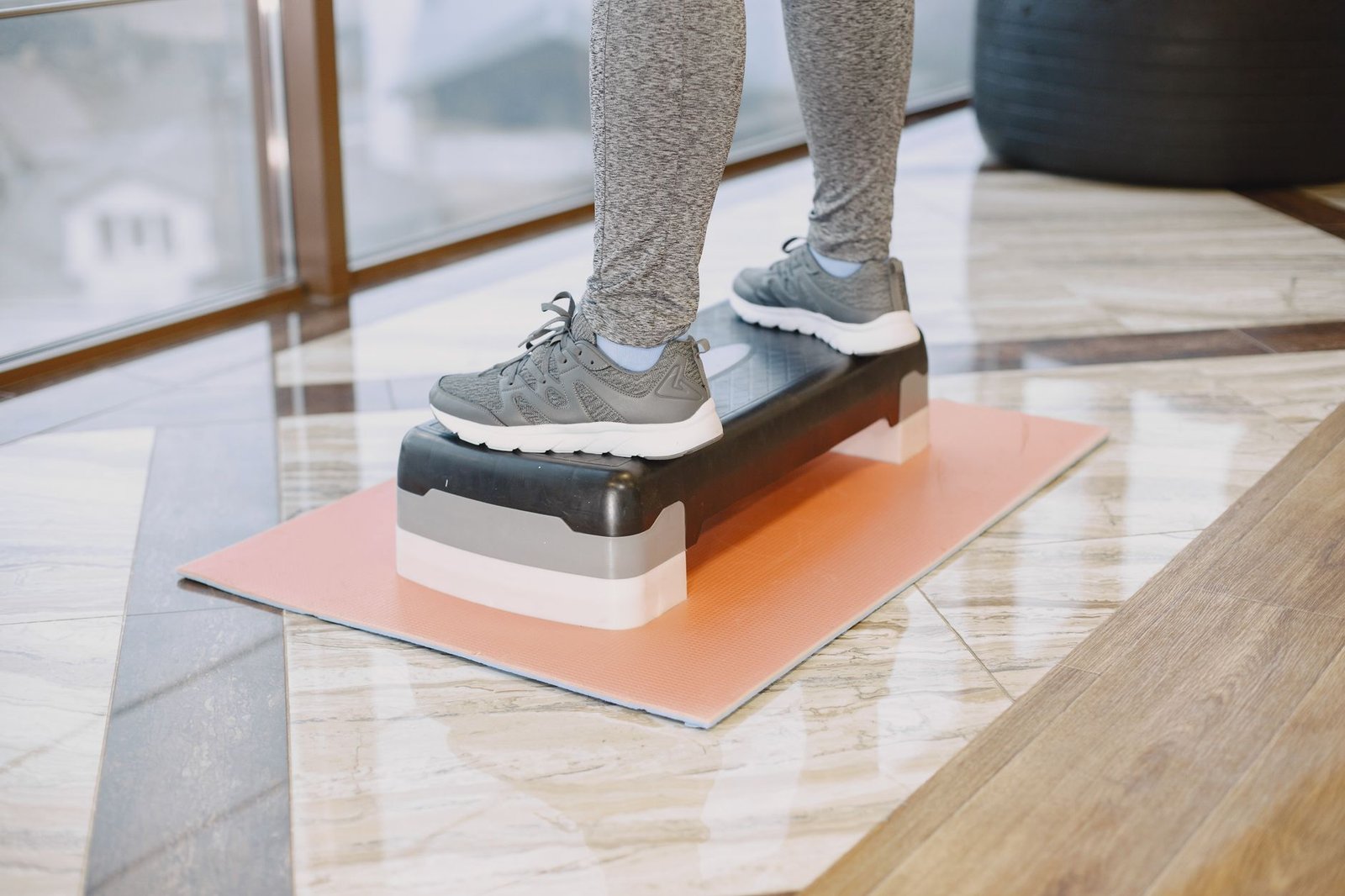
The main workers in a mini stepper workout are the glutes, the quadriceps at the front of the thigh, the hamstrings at the back, and the calves. Each step is a small push. First, the glutes drive the pedal down. Next, the quads straighten the knee. Finally, the calves lift the heel. Over hundreds of steps, those muscles tire in a useful way.
Your core works too, quietly. You must stay upright and balanced on two moving pedals. Your abdominal muscles and the small muscles around your spine hold you steady. That is why a mini stepper workout can improve balance over time, especially if you step without holding on.
The upper body does little on a basic stepper. That is the main gap. If your model has resistance bands, you can add arm pulls or shoulder presses while you step. Even without bands, you can pump your arms as you step, the way you would when you walk fast. It raises the heart rate a little more and keeps the session balanced.
To train the glutes more, take a slightly longer step and press through the heel. To train the calves more, let the heel rise at the top of each step. Keep the movement smooth. Short, choppy steps use less muscle and tire the knees faster. A mini stepper workout is a low impact workout, so it suits people who want gentle movement that still counts.
Your First Mini Stepper Workout: A 20 Minute Beginner Plan
This mini stepper workout takes 20 minutes from start to finish. It suits a complete beginner. You need a mini stepper, a bottle of water, and a clear space about 1 meter (3 feet) wide. Wear flat, supportive shoes. Keep a chair or a wall nearby for balance.
The 20 Minute Session, Minute by Minute
Minutes 0 to 3: Warm up. Step slowly and gently. Keep the resistance low. Swing your arms. Let your heart rate rise slowly. The goal is warm muscles, not speed. If you feel stiff, march in place for a minute before you step on the machine.
Minutes 3 to 8: Steady stepping. Find a pace you can hold while you talk in short sentences. That is moderate effort. Keep your back straight and your knees soft. Look ahead, not down at your feet. Breathe in through your nose and out through your mouth.
Minutes 8 to 16: Intervals. Step faster for 1 minute, then slow down for 1 minute. Repeat four times. The fast minute should feel hard but not desperate. You should still be able to speak a few words. The slow minute lets your breathing settle. This is the part of the mini stepper workout that builds fitness fastest.
Minutes 16 to 20: Cool down. Step slowly for 3 minutes. Then step off and stretch your calves, thighs, and hips for 1 minute. Hold each stretch for 20 to 30 seconds. Drink water. Write down your step count and how the session felt. That note helps you track progress.
How to Progress Over Four Weeks
Week 1: do the 20 minute mini stepper workout three times. Keep the intervals gentle. Focus on posture and smooth steps. If 20 minutes feels long, stop at 15 and build up. Consistency matters more than one hard session.
Week 2: add 5 minutes to the steady section, so the session lasts 25 minutes. Keep the same interval pattern. If your legs feel heavy the next day, take an extra rest day. Mild soreness, including delayed onset muscle soreness, is normal in the first two weeks.
Week 3: make the fast intervals longer. Step fast for 90 seconds and slow for 60 seconds. Repeat four times. Week 4: add a fourth session to your week, or raise the resistance one notch. Do not change everything at once. Change one thing each week and let your body adapt.
How Often Should You Step?
Three to five sessions a week is a good target for a beginner. That adds up to 60 to 100 minutes of moderate activity. The NHS physical activity guidelines for adults recommend at least 150 minutes of moderate activity a week, so a mini stepper workout can cover a large part of that target. Add walking or another activity to reach the full amount.
Take at least one full rest day each week. Muscles recover and grow stronger on rest days, not during the session. Our guide to rest days explains how to space hard and easy days. If you step every day, keep two of those sessions very easy and short.
You can use a mini stepper workout on its own or as part of a home workout plan. Many people step for 20 minutes in the morning, then do strength work later in the day. Others use the stepper as a warm up before a longer session. Both approaches work. Pick the one you will actually repeat.
Who Should Skip It?
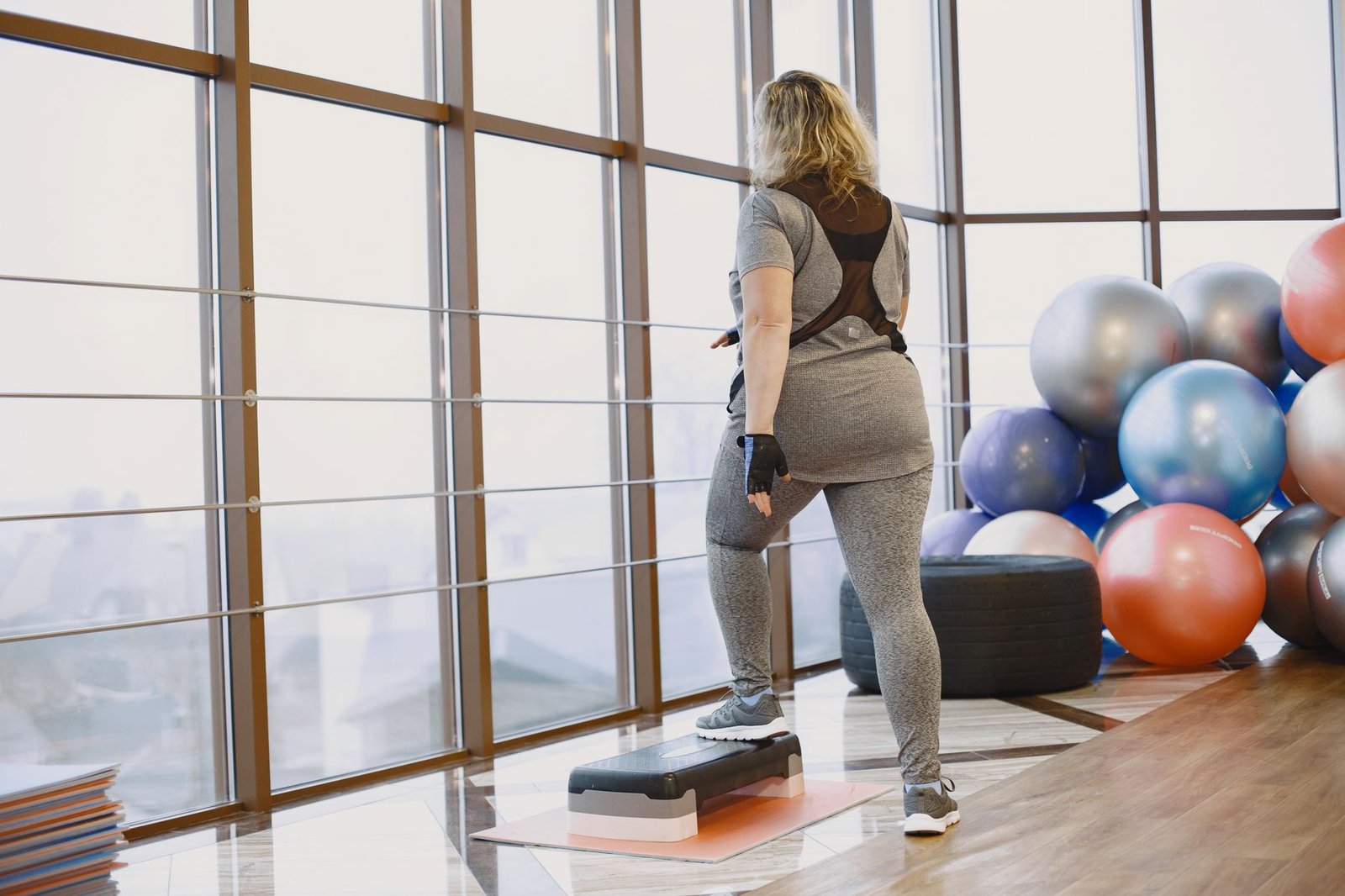
A mini stepper workout is gentle, but it is not for everyone. Skip it if you have knee pain that gets worse with stairs, a recent ankle sprain, or a balance problem that makes you unsteady. The pedals move, and a wobble can lead to a fall. Hold a chair or a wall if you feel unsure.
Ask your doctor first if you have a heart condition, high blood pressure, dizziness, or a long term health condition. The same applies if you are pregnant, have had recent surgery, or take medicine that affects your balance. A short conversation with your doctor is safer than a guess.
Stop the session if you feel chest pain, severe shortness of breath, or sharp joint pain. Those signs mean the session is too hard or the machine is not right for you. If you have ongoing knee trouble, our knee exercises guide may suit you better than a stepper. Start gently, and choose the tool that fits your body.
Common Mistakes to Avoid
The first mistake is leaning forward and holding on too tight. Many beginners grip a chair or a wall and hunch over the machine. That posture loads the lower back and takes work away from the legs. Stand tall. Keep your hands light. Touch a support only for balance.
The second mistake is taking tiny, fast steps. A mini stepper workout works best with full, smooth steps. Push each pedal all the way down and let it rise fully. Short, choppy steps burn less energy and irritate the knees. Slow down and use the full range.
The third mistake is going too hard on day one. A new stepper feels easy for the first five minutes. Then the legs tire quickly. Start with 15 to 20 minutes. Then add time slowly. A session that leaves you sore for three days is too much, too soon.
The fourth mistake is forgetting the upper body. A mini stepper workout trains the legs. It does little for the arms, chest, or back. Add a short strength session twice a week, or use the resistance bands that came with your stepper. A balanced routine beats a one sided one.
The fifth mistake is stepping every day without rest. Daily stepping sounds dedicated, but tired muscles do not recover. Soreness builds up and motivation drops. Take at least one rest day a week. If your legs ache, take two. Rest is part of the plan, not a break from it.
Frequently Asked Questions
Can a mini stepper workout help me lose weight? A mini stepper workout can help with weight loss, but only as part of a bigger plan. It burns calories and builds a daily movement habit. Weight loss needs a steady calorie deficit over weeks. Pair the stepper with balanced meals, enough sleep, and strength work. On its own, a mini stepper workout will not change your weight much.
How many calories does a mini stepper workout burn? A 30 minute mini stepper workout burns roughly 100 to 150 calories for most adults. The exact number depends on your weight, your pace, and the resistance. A heavier person burns more. A faster pace burns more. Treat the display number as a rough guide, not a fact.
Is a mini stepper workout bad for your knees? A mini stepper workout is low impact, so it is usually gentle on the knees. The short step keeps the load small. But if your knees hurt on stairs, a stepper may hurt too. Keep your knees soft and never lock them. Step slowly. If pain lasts more than a day, stop and ask a professional.
More Mini Stepper Questions
Can I use a mini stepper every day? You can, but you do not need to. Three to five sessions a week is enough for a beginner. However, daily use is fine if most sessions are easy and short. Give your legs at least one rest day a week. Soreness that fades within a day is normal. Soreness that grows is a sign to rest longer.
How long should a mini stepper workout last? A beginner session of 20 minutes is a good start. After a few weeks, build to 30 minutes. Longer sessions are fine if you build up slowly. The best session length is the one you can repeat three to five times a week without dreading it.
Do I need special shoes for a mini stepper workout? No special shoes are needed. Wear flat, supportive trainers with a firm sole. Avoid soft, thick soles that wobble on the pedals. Do not step barefoot. Bare feet slip, and the pedals can pinch toes. Tie your laces before you start.
Mini Stepper Workout: The Bottom Line
A mini stepper workout is a simple, low cost way to move more at home. It raises your heart rate, trains your legs, and fits in a small space. It will not replace strength training, and it will not burn fat from one spot. But as part of a balanced week, it earns its place.
Finally, start with the 20 minute plan in this guide. Step three times a week. Add time slowly. Keep your posture tall and your steps smooth. If you stay consistent for four weeks, you will feel the difference in your legs and your energy. That is the real test of any workout, and a mini stepper workout passes it for most beginners.
This article is for general information only. It is not medical advice. A mini stepper workout is not a treatment for any health condition. If you have a health condition or take medication, talk to a qualified health professional before starting a new exercise routine.

 Ablaze Fitness


 Mélanie Courcelles


