

Spin classes have a reputation for being intense, loud, and a little intimidating from the outside. Rows of bikes fill a dark room, and an instructor calls out efforts over the music. Everyone else seems to know exactly what to do. The reality is friendlier than the reputation. Spin classes are one of the most beginner accessible forms of group cardio there is. The single most important control in the room, the resistance dial, sits in your own hand. You decide how hard every minute feels, and nobody else can see your setting.
This guide walks through everything a first timer actually needs. It covers what spin classes are and the main formats you will see on a schedule. It also explains bike setup and how a class runs from warm up to cool down. Finally, it explains the screen numbers and how to choose the right class for your goals and budget. By the end, your first class should feel like following a plan rather than taking a test.
What spin classes actually are
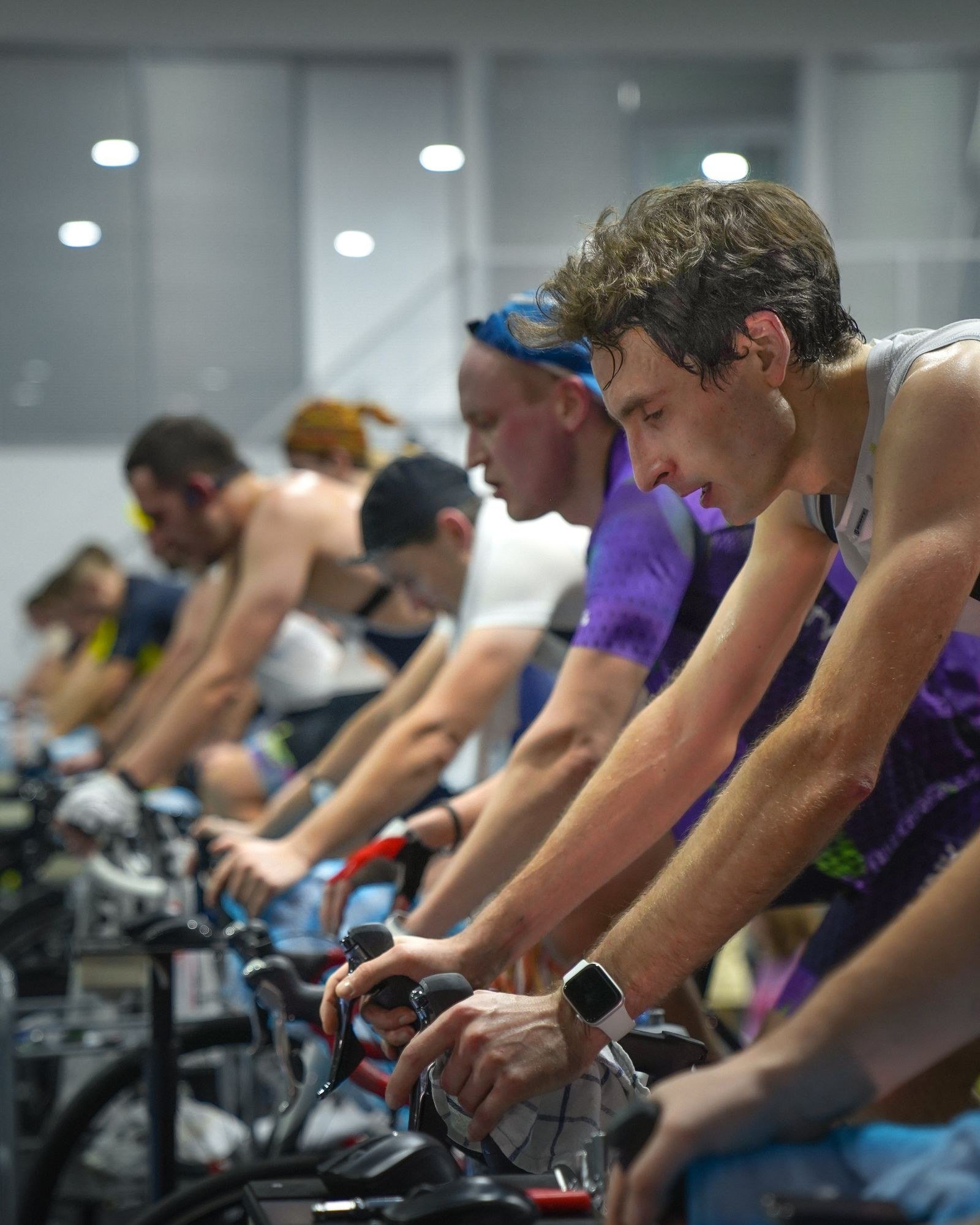
A spin class is an indoor cycling workout on a stationary bike, led by an instructor and ridden to music. Unlike a solo session on a gym bike, you do not just pedal at whatever pace you drift into. The instructor structures the ride instead: faster flat stretches, heavy climbing stretches, and short hard intervals. Recovery periods are built in too, with the music setting the tempo. Classes usually run 30 to 60 minutes, with 45 minutes the most common length.
Two things define the format. The first is that effort comes in waves. You are never asked to ride at one punishing pace for the whole class. The built in recovery stretches are part of the design, not a sign you are falling behind. The second is that the work is self scaled. The instructor suggests a resistance level or an effort out of ten, but the actual dial belongs to you. A first timer riding at half the suggested resistance gets the same structure and music. They get a genuinely good workout, at the dose their body is ready for.
It also helps to know what spin classes are not. They are not road cycling training, although road riders use them in winter. Nobody judges your output, there is no finish line, and falling “behind” is impossible because the bikes do not move.
The main types of spin classes
Schedules use a handful of recurring formats. The names vary a little between studios, but the structures below cover most of what you will find.
Rhythm rides
Rhythm classes are built around the beat of the music. You pedal in time with the track. The instructor layers in choreography such as presses, taps, and standing sequences that land on the beat. These classes feel the most like a party and the least like a measurement exercise. They suit beginners who are motivated by music and energy.
Power and performance rides
Performance classes are built around metrics. The bike console shows your output, and the instructor calls target ranges for cadence and power. Some studios display a class leaderboard. These rides suit people who like data, structure, and measurable progress. Beginners are welcome, but expect a more athletic tone and less choreography.
Endurance and mixed rides
Endurance classes keep the effort steadier and longer, with extended climbs and sustained moderate work rather than short spikes. Many general timetable classes are really mixed rides. They borrow from all three formats: some rhythm, some intervals, and one long climb. If a listing gives no format clue beyond a time and an instructor name, expect this mixed style.
How to set up your bike before spin classes
Bike setup is the highest value five minutes in the whole experience. A poorly adjusted bike is the main reason first rides feel awful, and it has nothing to do with fitness. Arrive early, claim a bike, and work through these steps.
Step 1: Seat height
Stand next to the bike. Raise the seat until the top of the saddle is roughly level with your hip bone. Sit on the bike and put the ball of one foot on the pedal. Push that pedal to the bottom of the stroke. Your knee should keep a soft bend, nearly straight but not locked. If your hips rock side to side as you pedal, the seat is too high. If your knees feel cramped and pushed out, it is too low.
Step 2: Seat forward or backward
Level the pedals with each other. Then slide the saddle so your front knee sits about over the ball of your front foot. Starting a fraction further back takes pressure off the knees. Move it one notch at a time, because small changes matter here.
Step 3: Handlebar height
For your first classes, set the handlebars at least as high as the seat, or a little higher. A higher bar position keeps your back flatter and your neck and shoulders relaxed. Experienced riders drop the bars lower for a more aggressive position. There is no prize for copying that on day one.
Step 4: Feet, straps, and shoes
Most studio bikes have dual purpose pedals. One side has a cage with a strap, and the other has a clip for cycling shoes. Regular trainers go in the cage, with the ball of your foot over the center of the pedal and the strap snug. Some studios rent cycling shoes that clip in, which feels more secure once you are used to it. Clipping in is optional for beginners. Clipping out is one practice twist of the heel outward. Try it once while holding the handlebars before class starts.
How a spin class runs, start to finish
Most classes follow the same arc, which is reassuring once you know it.
It starts with a warm up of five minutes or so. The pedaling is easy at first and gradually quickens, while the instructor explains the ride ahead. Then comes the main set, usually two or three working blocks separated by short recoveries. A block might be a climb, where you add resistance and ride seated or standing at a slower, heavier cadence. Another might be intervals: 20 to 40 seconds of fast, hard effort followed by easy spinning, repeated several times. Rhythm classes replace some of this with choreography, while endurance classes stretch one block into a long, steady effort.
Near the end there is often one final push. It is the hardest short effort of the day, placed when you know the finish is close. Then the resistance comes off and the pedaling slows. The class finishes with a cool down and a few minutes of stretching.
Expect the instructor to talk a lot: cues about posture, reminders to breathe, countdowns, and encouragement. Almost every cue is an invitation rather than an order.
The numbers on the screen, explained plainly
Performance bikes display up to four numbers. Here is what each one means.
Cadence
Cadence is how fast you pedal, measured in revolutions per minute. Flats are often ridden around 80 to 110, and climbs slower, around 55 to 75, with heavy resistance. The beat of the music helps you hold it.
Resistance
Resistance is the dial, knob, or lever that makes pedaling harder. Instructors may describe it as a number, a fraction of a turn, or an effort out of ten. Every bike model calibrates differently. Treat the instructor’s numbers as relative directions: a little more, a lot more, back it off.
Power
Power, shown in watts, combines cadence and resistance into one output number. It is the most honest measure of how much work you are doing, which is why performance classes love it. Beginners should care about this number least. It only becomes meaningful when you compare your own rides over time.
Heart rate
If the bike or your watch shows heart rate, it tells you how hard your cardiovascular system is working relative to your own maximum. Effort zones turn that into a simple scale from very easy to maximal, and our heart rate zones calculator will estimate yours from your age in seconds.
The honest summary: in your first few classes, watch cadence loosely, manage resistance by feel, and let everything else go. Perceived effort, the simple question of whether you could speak a few words or nothing at all, is a reliable guide by itself.
What to wear and bring to spin classes
You do not need special kit. Padded cycling shorts are the one upgrade regulars swear by, because the saddle is the main comfort issue in week one, but any fitted shorts, leggings, or workout bottoms that will not catch on the bike work fine. On top, a breathable t shirt or tank is enough, and many riders bring a small towel because you will sweat more than you expect in a warm studio.
Bring a full water bottle, since most studios have a refill station rather than cups. Trainers with stiff soles are better than soft, flexible running shoes in the pedal cages, because a firm sole spreads the pressure across your foot. Finally, arrive 10 to 15 minutes early for your first class: setup help and a good spot near a fan are first come, first served.
First class survival tips for spin classes
Keep your resistance honest but kind. The classic beginner error is following every cue literally, loading the dial until the legs stop, and spending the last third of class defeated. Ride the first class at about 70 percent of what the instructor suggests and finish feeling like you could have done a little more. That is a successful first ride.
Sit down whenever you need to. Standing sequences are optional in every well run class, and riding them seated still works the legs hard. Skip the arm choreography in rhythm classes until your legs are on autopilot. Nobody is scoring you, and the regulars are focused on their own dials.
Expect the saddle to make its presence known. Some soreness in the first week is normal while your body adapts, and it usually fades within three or four rides as you toughen up and your setup improves. Padded shorts and double checking your seat height both help. If soreness is sharp, one sided, or getting worse ride by ride, that is a setup or fit problem worth raising with the instructor.
And pace yourself, not the person next to you. The rider beside you may be on their two hundredth class, riding a recovery day, or quietly struggling behind a brave face. Your dial, your ride.
The benefits of spin classes, honestly stated
The strongest claim for spin classes is also the simplest: they are vigorous cardiovascular exercise in a controlled, joint friendly form. Regular aerobic training of this kind is associated with better heart and lung fitness, improved blood pressure and blood sugar control, and better mood and sleep for many people. The CDC’s adult activity guidelines recommend at least 150 minutes of moderate intensity activity a week, or 75 minutes of vigorous activity, and one 45 minute class ridden with real effort covers a large share of the vigorous option.
Because the bike supports your weight, cycling is low impact compared with running: your feet never strike the ground, and the pedaling motion is smooth and circular. That makes it a useful cardio option for people whose knees or ankles dislike impact, provided the bike fit is right. Calorie burn is real but often oversold by studio marketing; a typical class might use a few hundred calories depending on your size and effort, rather than the dramatic figures on promotional posters. The biggest practical benefit is adherence: a booked class, a good playlist, and an instructor expecting you are powerful tools for actually doing the workout, week after week.
Who spin classes suit, and who should be careful
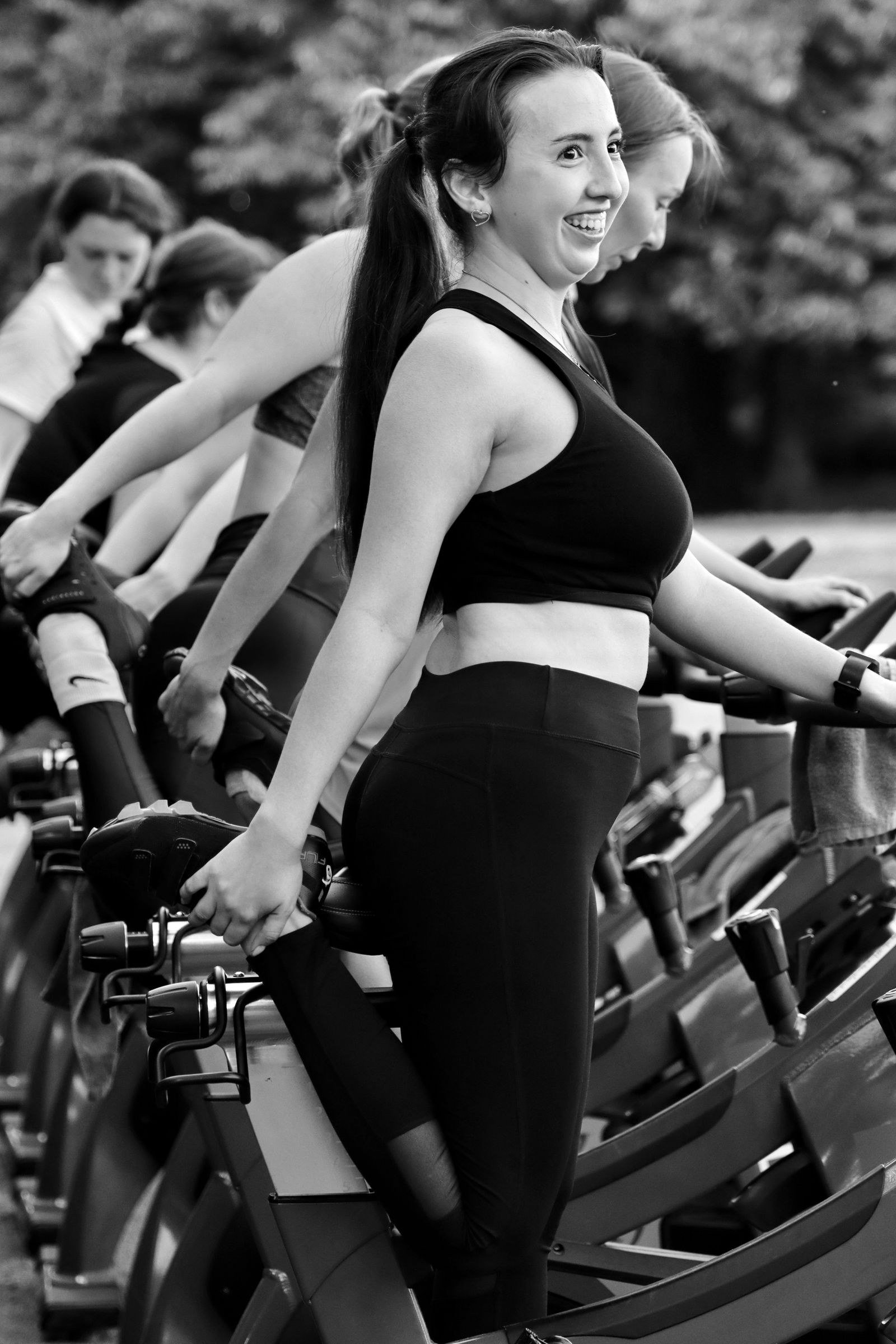
Spin classes suit a wide range of people: beginners who want cardio without choreography to memorize, runners giving their joints a break, team sport players building an engine, and anyone who trains better with an appointment and a group. The self scaled resistance means mixed levels work in one room, which is rare in group fitness.
A few people should take extra care. If you have knee pain, check your setup first, because a seat that is too low is the most common cause of front of knee ache on a bike, and keep resistance moderate on climbs rather than grinding slowly against a heavy dial. Hip issues, especially any history of hip replacement or impingement, call for a higher seat and handlebar and a conversation with your clinician before standing climbs. Anyone who is pregnant, managing a heart condition, or returning from surgery should get medical clearance before vigorous classes, as with any hard exercise. If cycling specifically bothers your joints even with a good fit, our guide to low impact workouts for beginners covers gentler ways to build the same habit.
How to choose the right spin class for you
Match the format to your personality first. If music and atmosphere carry you through hard work, start with a rhythm class. When you like targets and proof of progress, choose a performance class with metrics. If you prefer steady effort and find intervals stressful, look for endurance classes. Comparing fitness classes side by side helps you see where spin fits among the other formats on a typical timetable.
Then check the practicalities. Class length matters: a 30 minute class is a kinder first step than a 60 minute one. Instructor matters more than studio brand, so try two or three instructors before deciding the format is not for you, because teaching styles vary enormously. Time of day matters too, since the class you will actually attend beats the theoretically perfect one. If you prefer a structured solo cardio workout instead, the 12-3-30 treadmill workout offers a similar set it and follow it simplicity, and many people rotate both.
Most gyms and studios offer a trial class, an intro week, or a first timer package. Use it. One visit tells you more about the bikes, the music volume, and the instructor than any review page.
What spin classes cost
Prices vary widely by city and country, but the patterns are consistent. A single drop in class at a dedicated studio commonly runs about US$20 to US$35, with premium city studios charging more. Class packs bring the per class cost down, often into the US$15 to US$25 range. Unlimited monthly memberships at cycling studios often sit around US$120 to US$200. The cheapest route of all is a general gym membership, where spin classes are usually included in the timetable at no extra cost. Treat these figures as typical ranges to budget around rather than quotes, and check for intro offers or off peak pricing where you live. When you search for workout classes near me, check whether spin is included in a general membership or sold only as studio packs, because that changes the real price per ride.
Spin classes FAQ
Are spin classes good for beginners?
Yes, provided you scale the resistance to your own level and choose a shorter class to start. The bike supports your weight, there is no choreography you must master in rhythm free formats, and the instructor’s suggestions are ranges rather than requirements. Tell the instructor it is your first class and they will usually help with setup.
How many calories do spin classes burn?
It depends on your body weight, the class length, and how hard you actually ride. A reasonable general estimate for a 45 minute class is a few hundred calories for most adults. Console and watch estimates tend to run high, so treat them as motivation rather than accounting.
How often should I take spin classes each week?
Two or three classes a week is a productive rhythm for most people, with at least a day between hard rides at first. Daily hard classes are a fast route to tired legs and stalled progress, because fitness improves during recovery. Our guide to ways to recover faster covers the sleep, rest day, and stretching habits that make that recovery count. One class a week still counts.
Do I need cycling shoes for spin classes?
No. Regular trainers in the pedal cages are fine for your first classes. Clip in shoes give a smoother, more secure pedal stroke and are worth considering if you end up riding weekly, and many studios rent them so you can test the difference.
Why does the saddle hurt so much at first?
Studio saddles are narrow and firm, and your sit bones are not yet used to carrying your weight on one. Mild soreness over the first few rides is normal and usually fades as your body adapts. Padded shorts, a seat height check, and standing briefly during recoveries all help. Pain that is sharp, numb, or worsening is not normal and is worth discussing with the instructor or a bike fitter.
Are spin classes bad for your knees?
Cycling is generally considered knee friendly because it is non weight bearing and the motion is controlled, but setup and load management decide the experience. A seat that is too low, or grinding at very low cadence against heavy resistance, can irritate the front of the knee. Set the seat correctly, keep cadence smooth, and build resistance gradually. Persistent knee pain deserves an assessment rather than perseverance.
The bottom line
Spin classes look harder from the doorway than they feel from the saddle. Pick a format that matches your personality, arrive early, set your bike up with care, and ride your first classes at a level that leaves you willing to come back. The resistance dial makes you the coach of your own workout, and consistency does the rest.
General information only: this article is educational and is not medical advice. If you have a medical condition, are pregnant, or are returning to exercise after injury or surgery, check with your own clinician before starting vigorous exercise.

 Ablaze Fitness


 Mélanie Courcelles


