


A walking pad is a slim, flat treadmill built for one job: slow walking while you do something else, usually work at a desk. It will not train you for a 10K, and it is not trying to. This walking pad guide answers the question most beginners actually have. Is one worth the money and the floor space? Honestly, for the right person, a walking pad quietly solves the hardest problem in modern fitness. Desk work eats the hours you meant to move in.
The maths is what sells it. Sitting at a desk costs roughly 1.3 METs of energy. Slow walking at 3 kilometres per hour costs about 2.5 to 2.8 METs in the Compendium of Physical Activities, the standard reference for exercise energy cost. Walking while you work roughly doubles the energy cost of those hours. More importantly, it converts them into thousands of steps you would never have taken. Whether that trade is worth it for you depends on your days, your space, and your balance, so let us go through all three.
One naming note before we start: “walking pad” is the generic term for this category of flat under-desk treadmill, and it is also the name of one well-known brand. This walking pad guide is about the category, not any single maker, and it recommends no brands.
Walking pad guide: what a walking pad is (and is not)
A walking pad is a low-profile treadmill, typically 12 to 15 centimetres thick, designed to slide under a desk and to fold or roll away under a sofa or bed afterwards. Most models top out at walking speeds, around 6 kilometres per hour, controlled by a small remote or an app. Some fold in half for storage; a smaller group of dual-mode models add a riser handle that lets them run faster, but the core idea stays the same: a belt you walk on slowly, indoors, while life happens around it.
What it is not: a running treadmill (the belt, motor, and speeds are not built for it), a medical device, or a replacement for strength training or outdoor walks in daylight. Think of it as a step-harvesting tool. Judged on that job, it is excellent. Judged as a gym, it will disappoint you.
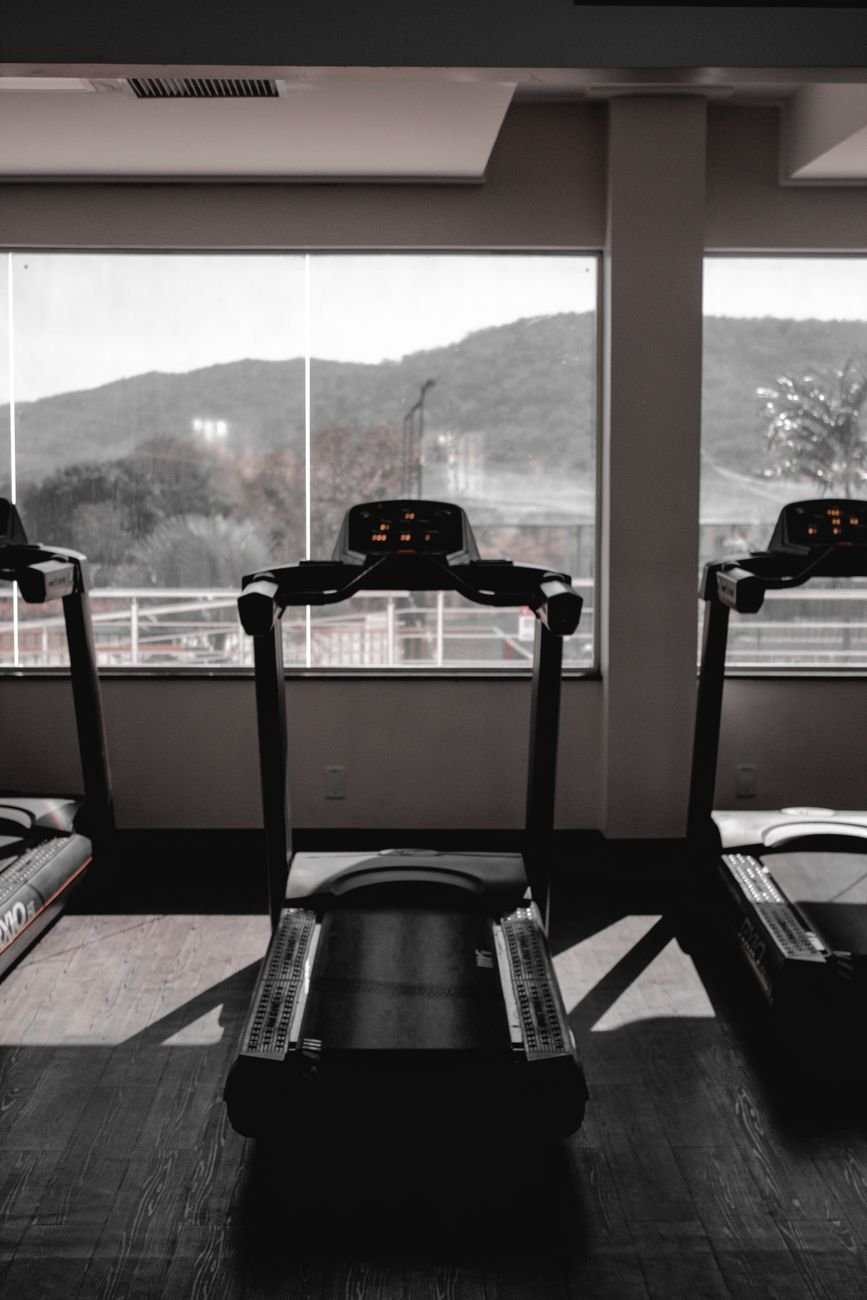
Walking pad guide: walking pad vs full treadmill
| Feature | Walking pad | Full treadmill |
|---|---|---|
| Top speed | About 6 km/h, walking only | 16 to 22 km/h, running included |
| Size and storage | Folds flat, stores under a bed or sofa | Large, usually a permanent fixture |
| Noise | Quiet at walking speeds, a low hum | Louder, especially at running speeds |
| Incline | Most have none or a fixed slight slope | Adjustable incline is standard |
| Desk use | Built for it, slow and steady | Awkward; too fast and bulky to work over |
| Price | Roughly CA$250 to CA$700 for most home models | Roughly CA$800 and well upward |
| Best for | Steps during the workday | Training sessions and runners |
Prices move constantly and vary by country, so treat those ranges as a shape, not a quote. The pattern that matters: a walking pad costs a fraction of a decent treadmill because it does a fraction of the jobs, the indoor walking fraction.
Walking pad guide: who a walking pad suits, and who should skip it
A walking pad earns its keep if most of these sound like you:
- You work at a desk six or more hours a day, at home, where nobody minds a quiet belt under your desk.
- Your step count collapses in winter, in dark evenings, or in bad weather, and you keep meaning to fix it.
- You regularly fall short of step goals you care about, like the 10,000 steps in our guide to walking 10,000 steps for fat loss.
- You have a few square metres of floor and somewhere flat to store a folded pad.
Skip it, or think much harder first, if:
- You already walk plenty outdoors. The pad solves a problem you do not have.
- Your balance is unsteady, you use walking aids, or you have a condition affecting gait. Most pads have no handrail, and that matters (more in the safety section).
- You want to run, train intervals, or walk steep inclines. Buy the treadmill instead.
- Your floors carry sound badly to neighbours below and you cannot use a mat or reasonable hours. Pads are quiet, not silent.
Walking pad guide: does walking while you work actually work?
Yes, with expectations set correctly. This walking pad guide starts with simple arithmetic. An hour at 3 kilometres per hour adds roughly 4,500 to 5,500 steps depending on your stride. It costs a 70-kilogram adult roughly 150 to 190 kilocalories, against about 80 to 90 for the same hour sitting. Spread across a workday of meetings, email, and reading, three accumulated hours of pad walking can carry you most of the way to a 10,000-step day before you have left the house. Our breakdown of how many calories you burn walking 10,000 steps shows what those steps are worth by body weight, and the pad is simply a reliable way to collect them.
The indirect effects matter as much. People who walk during the workday break up long sitting stretches, which is where stiffness, the 3 p.m. slump, and a lot of vague back tightness come from. Many users also find easy walking compatible with focus work: reading, calls, and routine email at a gentle pace feel natural within a week or two.
What it will not do: replace progressive strength training (your muscles need load, not just steps, which is why a simple routine like our beginner home workout plan with no equipment pairs well with a pad), replace outdoor daylight, or produce dramatic fat loss on its own. It is a consistency machine. If consistency is your bottleneck, that is exactly what you need.
Walking pad guide: the specs that actually matter before you buy
Ignore the marketing order on the box. These are the specifications that decide whether a pad works in your home, in the order they will affect you:
Belt size. This is the comfort spec. Look for a belt at least 40 centimetres wide and 100 centimetres long; taller walkers with longer strides should aim longer. A narrow, short belt forces a mincing gait that never relaxes, and it is the most common reason pads get returned.
User weight capacity. Most home pads are rated around 100 to 120 kilograms. Choose a model rated at least 15 to 20 kilograms above your weight; motors and belts live longer and run quieter with margin in hand. Treat headline motor horsepower with suspicion, since the way it is measured varies wildly between makers.
Speed range. A working range of about 0.8 to 6 kilometres per hour covers everything this category is for. Your working speed will live between 1.5 and 3 kilometres per hour, which surprises people until they try typing at 4.
Noise. Expect a low hum at working speeds. Brushless motors tend to run quieter, and a mat underneath (see safety) cuts vibration through the floor. If you take calls, test your first week: most people find a gentle pace unnoticeable on calls, especially with a headset.
Size, storage and controls
Size, weight, and storage. Check the folded thickness against your storage spot (under-bed clearance is the classic trap), and the pad’s own weight, typically 20 to 35 kilograms. Transport wheels matter, because you will move it more often than you expect.
Controls and extras. A clear remote and a display you can read at a glance beat a clever app you will stop opening. Step counting in the app is fine; your phone or watch already does it. Manual (non-motorised) pads exist and are cheaper, but most beginners find the steady pace of a motorised belt far easier to work on.
Walking pad guide: setting up your desk for walking
The pad is only half the system; the desk is the other half. This walking pad guide treats the desk as essential. An adjustable-height desk is close to essential, because the belt raises you about 12 to 15 centimetres, and your desk surface needs to meet your elbows at roughly 90 degrees while you stand tall on the belt. If a new desk is not in the budget, a sturdy laptop riser plus an external keyboard on a raised platform can bridge the gap for a while.
Set the screen at eye level so you are not walking with your neck bent, keep your wrists neutral, and wear supportive shoes or trainers rather than thick socks alone; your feet are doing real work for hours. Start every session at the slowest speed, step on from the back with a hand on the desk edge, and only speed up once your stride feels boring. Boring is the goal: you should be able to forget the belt entirely.
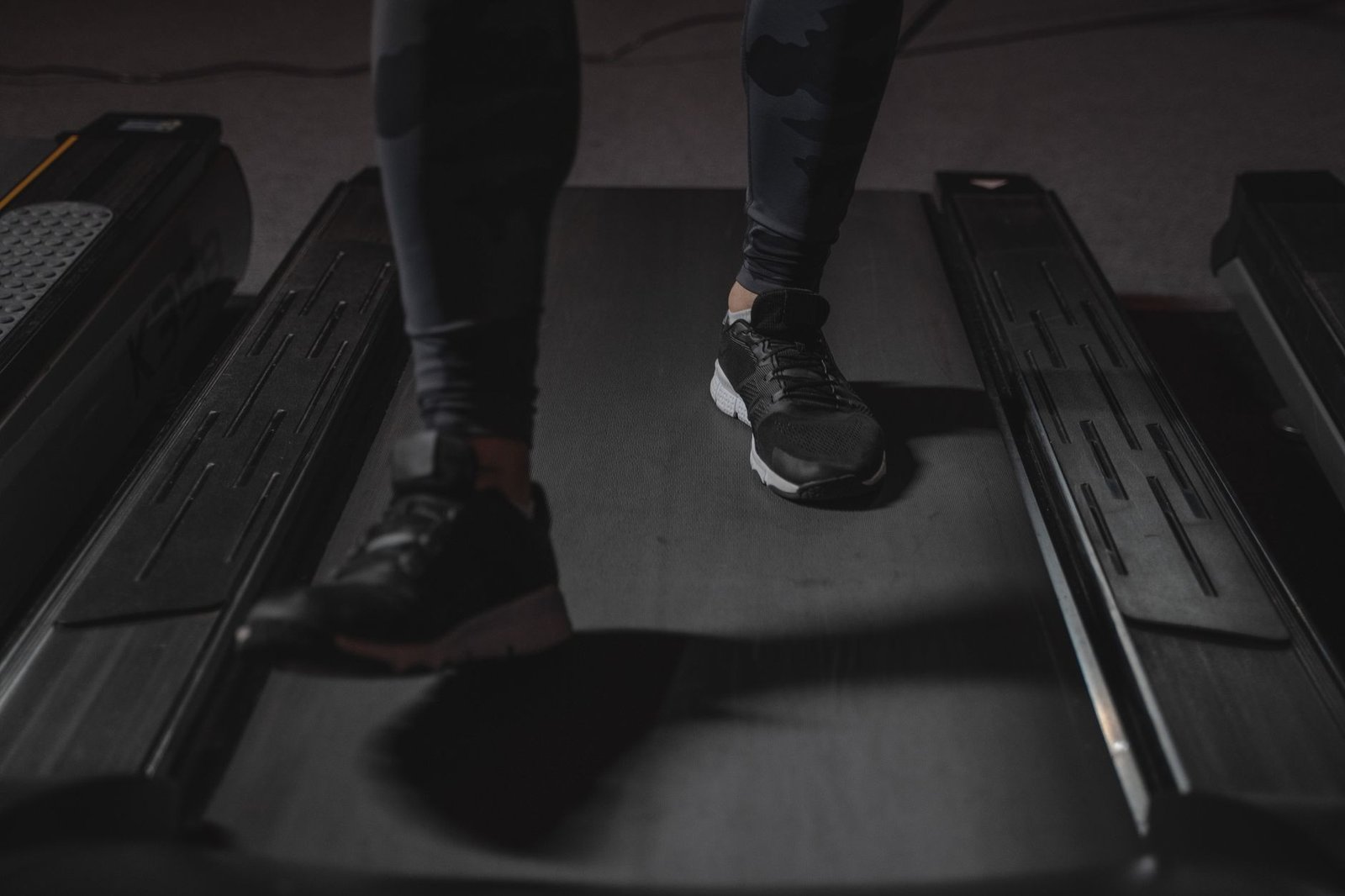
Walking pad guide: safety basics nobody puts on the box
Most walking pads have no handrail, because they are built to slide under desks. That single fact drives the safety list:
- Start slow, every time. Begin at the lowest speed with a hand on the desk edge until your stride settles, and step off backwards onto solid floor, never sideways off a moving belt.
- Give yourself a landing zone. Keep the area behind and beside the pad clear, and position the pad so the desk edge is within easy reach as a steadying point.
- Keep children and pets away while it runs, and unplug or lock it when you are done if small children are in the house. A slow belt is still a moving machine.
- Use a mat underneath. It protects the floor, steadies the pad, and noticeably reduces vibration and noise for anyone below you.
- Maintain the belt. Centre it if it drifts (every pad has an adjustment method in its manual), and apply the silicone lubricant most makers specify every few months. A dry belt strains the motor and shortens the pad’s life.
- Know your limits. If you feel dizzy, unsteady, or your gait changes as you tire, stop. Walking pads reward the fresh and punish the stubborn, and there is no distance target worth a fall. If your balance is a known issue, talk to a clinician before buying, and consider a model with a riser handle or a traditional treadmill with rails instead.
Walking pad guide: a simple desk walking routine that builds itself
The trick with a walking pad is accumulation, not sessions. Attach walking to things that already happen: calls, reading, email blocks, and the post-lunch slump. Then build the total gently over four weeks:
Week 1: two 20-minute walks per workday, at a pace where typing feels easy (usually 1.5 to 2.5 km/h). About 3,000 to 4,000 pad steps a day.
Week 2: three 20-minute walks, or two of 30 minutes. Add a short walk after lunch, which doubles as the classic post-meal walk.
Week 3: 90 minutes total across the day, in whatever blocks your calendar allows. Most people now land near 7,000 to 8,000 total daily steps with normal life added.
Week 4 and beyond: two to three hours of accumulated pad time on workdays is a realistic ceiling for most people, and it reliably carries a desk worker past 10,000 steps. From here, the pad is maintenance, not a project.
Chase the routine, not the speed. If you want a harder walking workout, take it outside with hills or a loaded pack (our beginner rucking guide is the natural next step), and keep the pad for what it does best: turning seated hours into steps. To turn your step totals into a personal calorie number at any body weight, run them through our calorie calculator.
Common beginner mistakes
Buying the smallest, cheapest belt. The savings evaporate the first time your stride feels cramped. Belt size is the comfort spec; fund it first.
Walking too fast to work. If your mouse accuracy is suffering, you are at 4 km/h pretending to be productive. Slow down until the work is normal, and let the minutes do the job.
Standing all day instead. Parking yourself motionless on a stopped pad (or beside it) trades sitting stiffness for standing stiffness. The value is in the walking; schedule it in blocks and sit between them without guilt.
Skipping the mat and the lubricant. Two cheap habits that decide how the pad sounds in year one and whether it still runs in year three.
Expecting the pad to be a full fitness plan. It covers steps and breaks up sitting beautifully. Strength, mobility, and daylight still need their own small places in your week.
So, are walking pads worth it?
Worth it, if your problem is seated hours. If you work at a desk most of the day, your steps collapse in bad weather or dark months, and you have the floor space, a walking pad converts dead hours into thousands of steps with almost no willpower once the routine sets. Few fitness purchases pay rent that reliably.
Not worth it, if your problem is something else. If you already walk outdoors most days, want to run or train hard at home, or your balance makes a rail-free belt a worry, the money serves you better elsewhere: good shoes and a coat for the walker, a full treadmill for the runner, a clinician-guided plan for balance.
And if you are on the fence, borrow the decision rule from every good equipment purchase: buy for the week you actually live, not the week you imagine. The pad that fits your real calendar, your real floor, and your real stride is the one that will still be running next year.
Frequently asked questions
Can you run on a walking pad?
On standard models, no. Most cap at about 6 kilometres per hour, which is a brisk walk, and their belts and motors are not built for running impact. A few dual-mode models with a raised handle allow light jogging speeds, but if running is the goal, a full treadmill is the right tool.
How many steps do you get in an hour on a walking pad?
At a comfortable working pace of about 3 kilometres per hour, most adults take roughly 4,500 to 5,500 steps in an hour, depending on stride length. At an easier 2 kilometres per hour, expect roughly 3,000 to 3,500.
Is a walking pad loud on work calls?
Usually not. At working speeds the sound is a low hum, and a mat underneath reduces it further. Most people take calls while walking without anyone noticing, especially with a headset. Faster paces and worn, dry belts are louder, which is another reason to keep up the simple maintenance.
Do you need a standing desk to use a walking pad?
Practically, yes. The belt lifts you about 12 to 15 centimetres, and you need your screen at eye level and your keyboard at elbow height while you walk. An adjustable desk is the clean solution; a laptop riser with an external keyboard can work as a stopgap.
Can a walking pad replace walking outside?
It can replace the steps, but not everything else. Outdoor walking adds daylight, varied terrain, and hills that a flat pad cannot. Many happy owners use the pad for workday steps and keep a shorter outdoor walk for the rest, which is a genuinely good combination.
The bottom line
A walking pad is worth it when it is aimed at the right target: the seated hours of a desk worker’s day. This walking pad guide judges it by belt size, capacity, noise, and storage rather than headline features. Set the desk up properly, respect the safety basics of a rail-free belt, and build your total in small daily blocks. Do that, and the most sedentary part of your day quietly becomes the most reliable exercise you do.
This article is general health and fitness information only and is not medical advice, a diagnosis, or a treatment recommendation. Talk to a qualified professional about your own situation, especially if you have a balance, joint, heart, or mobility condition, or take medication.

 Ablaze Fitness


 Mélanie Courcelles


