


The best creatine gummies are having a moment. Scroll any fitness feed and you will see bright jars of chewable creatine promising the same strength and muscle benefits as powder, without the shaker, the grit or the measuring scoop. For people who hate mixing powder, that sounds like a small miracle.
The honest picture is more mixed. The best creatine gummies can be a genuinely good option, but only if the dose, the form and the testing check out. Many jars on the shelf fall short on at least one of those three, and the label does not always make it obvious. This guide walks through the 7 checks that separate a good chewable from expensive candy, compares gummies with powder honestly, and flags the mistakes that waste money.
What Are Creatine Gummies, Exactly?
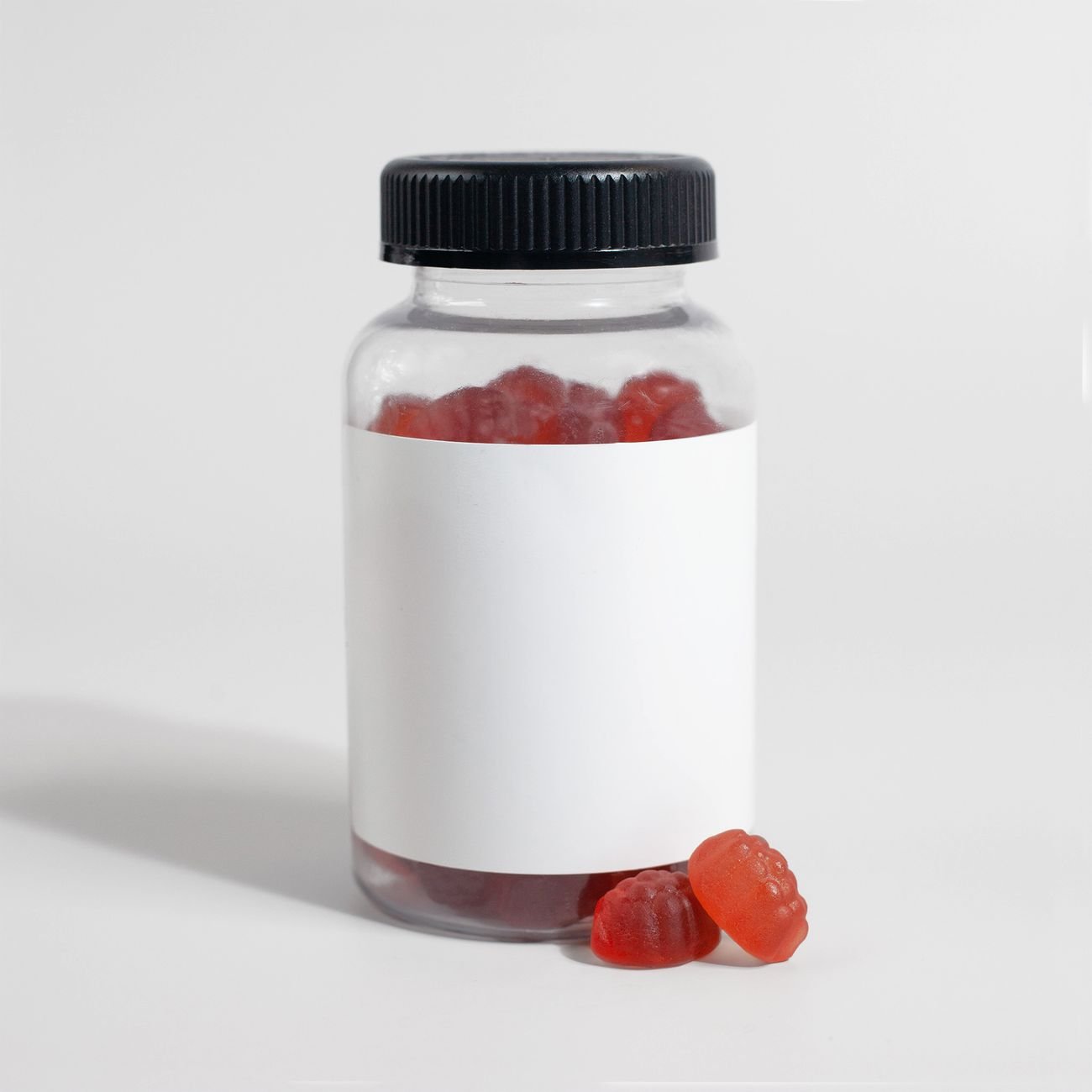
Creatine gummies are chewable sweets that contain creatine, usually creatine monohydrate, the form with the most research behind it. Each gummy holds a small amount, often 1 to 1.5 grams, so a full serving is usually 2 to 4 gummies. The rest of the gummy is sweetener, flavouring, gelatin or pectin, and colouring. In other words, the active ingredient is the same supplement lifters have mixed into shakes for decades, wrapped in a format that tastes like a treat.
The idea is simple: make the daily habit easier. You chew a few gummies instead of stirring powder into water, and you never need a shaker bottle. Our full form-by-form comparison explains how monohydrate became the default form and why the other forms cost more, and that background helps here, because the form inside the gummy matters as much as the format.
The best creatine gummies should be judged the same way as any other creatine product: by dose, by form, by testing and by price per gram. The chewable format changes the experience, not the science.
Why the Best Creatine Gummies Took Off
Three things drove the rise. First, convenience: no scoop, no shaker, no powder on the kitchen counter. Second, taste: a fruit-flavoured gummy beats a chalky shake for most people. Third, routine: a jar on the desk is easier to remember than a tub in the cupboard, and the easiest supplement to take is the one you actually take.
The hype went further than that, though. Some brands talk as if gummies absorb better or work faster than powder. There is no solid evidence for that. The creatine inside is the same. Your muscles do not care whether it arrived in a shake or a chew, as long as the daily amount is right. What gummies change is the experience, and the experience is where most of the value sits.
That is also where the problems hide. A gummy can only hold so much creatine, so the dose per piece is small. Sugar and sweeteners add calories and can bother teeth. And because gummies look and taste like sweets, it is easy to treat them like sweets and take one when the serving is three. The checks below deal with each of those traps in turn.
The 7 Checks for the Best Creatine Gummies
Use these checks in order. The first two decide whether the product can work at all. The next three decide whether it is good value and safe to use daily. The last two decide whether it fits your life. A product that fails check 1 or 2 is not worth buying, no matter how good it tastes.
1. Check the Dose Per Serving
Most research uses 3 to 5 grams of creatine a day for adults. That is the range to aim for, and it is the first number to find on the label. Look for ‘creatine per serving’ and check how many gummies make one serving. If one gummy holds 1 gram and the serving is 3 gummies, the serving gives 3 grams. That works. If the serving gives only 1.5 grams, you would need two servings a day to reach the studied range, which doubles the cost and the sugar.
Watch for labels that list creatine per gummy in big type and hide the serving size in small type. The per-gummy number is marketing. The per-serving number is the dose. If you want the full picture on daily amounts, our full dosing guide covers the standard 3 to 5 gram range and the loading approach some people use, and it is worth a read before you settle on a product.
2. Check the Form
Creatine monohydrate is the form with the most research behind it, and it is also the cheapest to make. That combination is why it is the default in most good products. Other forms, such as creatine hydrochloride, buffered creatine and creatine ethyl ester, claim better absorption or less bloating, but the evidence for those claims is thin, and they cost more per gram.
For gummies, the form matters even more, because some forms are less stable in a chewable format. Monohydrate is the safe, studied choice. If a jar uses a different form, ask what evidence supports the switch, and check whether the price per gram still makes sense. A fancy form is not a reason to pay double.
3. Check the Sugar and Sweeteners
A gummy needs sweetener to taste like a gummy. Check how much sugar each serving adds, and whether the product uses sugar, glucose syrup, sugar alcohols or a mix. A serving with 3 to 5 grams of sugar is small in the context of a day. Two servings a day doubles it, and sugar alcohols can upset some stomachs in larger amounts.
If you track your food, our guide on how to count macros will help you fit the extra carbs into your day. It is a small amount, but it counts if you track closely. Sugar-free options exist, and they suit people who want to keep added sugar low, as long as the sweetener used agrees with them.
4. Check Third-Party Testing
Supplements are not tested by regulators before they reach the shelf in the same way medicines are. Independent testing is the best signal of quality you can get. Look for a seal from a recognised testing program, such as NSF Certified for Sport, Informed Sport or USP Verified, or a batch certificate of analysis from the brand. The seal should be printed on the jar or listed on the product page with a batch number you can check.
Testing matters more for the best creatine gummies than for plain powder, because a gummy has more ingredients and more steps in manufacturing, and each step is a chance for the dose to drift. A brand that pays for independent testing is telling you it is willing to be checked. A brand that only says ‘lab tested’ without naming the lab or showing a certificate is telling you much less.
5. Check the Rest of the Label
Read past the creatine line. Some gummies add other ingredients, such as vitamins, caffeine or herbal extracts, and those extras change what the product is. A gummy with added caffeine is a different product from a plain creatine gummy, and it may not suit an evening routine. Others add colourings or flavours that some people prefer to avoid.
Also check the allergen line. Gummies are often made with gelatin, which comes from animals, or pectin, which is plant based. If you eat vegetarian or vegan, the gelatin question decides the product for you. The label should state the source clearly.
6. Check the Cost Per Gram
Gummies cost more than powder, and that is fair: they cost more to make, and you pay for convenience. But the gap varies a lot, so do the maths. Divide the price of the jar by the number of servings, then divide again by the grams of creatine per serving. That gives the cost per gram. Compare that number with plain powder, which is usually a fraction of the price.
A reasonable premium for convenience is one thing. Paying five times the price per gram for a low dose is another. If the cost per gram is high and the dose per serving is low, the jar is a bad deal twice over. Use the cost per gram as your reality check before you buy.
7. Check the Serving Size You Will Actually Take
Be honest about the habit. A serving of 4 large gummies every day is easy for some people and a chore for others. A serving of 2 small gummies is easier to stick with. The best creatine gummies are the ones you will take every day, because creatine works through consistency, not through single doses.
Think about travel too. Gummies travel better than powder: no tub, no scoop, no spill. If you travel often or train away from home, that matters. If you mostly train at home and want the lowest cost, powder may still win. The right format depends on your routine, not on the marketing.
Creatine Gummies vs Powder: An Honest Comparison
The fairest way to compare them is side by side, on the things that matter. That is the honest trade-off at the heart of the best creatine gummies debate: convenience against cost, precision against habit.
- Dose accuracy: powder wins, because you can weigh an exact amount, while gummies give you a fixed dose per piece.
- Cost: powder wins by a wide margin, and the gap grows with every jar.
- Convenience: gummies win. No mixing, no shaker, no powder on the counter.
- Taste: gummies win for most people, and taste is what keeps a habit alive.
- Stomach comfort: about even, though some people find gummies gentler because the dose arrives with food-like ingredients.
- Stability: powder wins, because gummies can soften in heat and lose texture over time.
Neither format is ‘better’ in the abstract. Powder is the better buy and the more precise tool. Gummies are the better habit for people who struggle with powder. If you already take powder happily, switching to gummies buys convenience and costs money. If you keep skipping your powder because you dislike the taste or the fuss, gummies may be the format that finally makes the habit stick. A beginner strength training plan works the same way: the best plan is the one you follow, and the same logic applies to the supplement that supports it.
Who Gummies Suit (and Who Should Skip Them)
Gummies suit people who dislike powder, people who travel, people who want a simple daily habit, and people who find measuring a scoop annoying. They also suit anyone who has tried powder and given up on it: a format you use beats a format you abandon.
They suit some groups less well. Those on a tight budget get far more creatine per dollar from powder. People who want a precise dose will prefer a scale and a scoop. People who avoid sugar or who dislike chewing supplements may prefer capsules. And if you are pregnant, breastfeeding, under 18, or managing a kidney condition, talk to a clinician before taking any creatine product, whatever the format. Our guide for women over 40 covers how creatine fits into training at that stage of life, and it is a useful read alongside this one.
How to Take Creatine Gummies
Take the full serving every day, at the same time if you can, so it becomes a habit. Morning with breakfast works for most people, because the gummies travel well and pair with food. Timing around training matters far less than daily consistency: your muscles store creatine over days and weeks, so the exact hour is not important.
Do not split the serving across the day to make it last longer, and do not take extra to ‘catch up’ after a missed day. Just take the normal serving the next day. If you miss a day, nothing is lost. If you train on rest days, keep taking them: creatine works through steady stores, not through a pre-workout boost, so rest days count too. Our guide to how many rest days a week you need will help you plan the gaps between sessions, and creatine fits into that plan without changing it.
Store the jar somewhere cool and dry, away from heat. Gummies soften in warm rooms and can stick together, which makes the dose harder to count. Keep the lid closed and keep the jar out of reach of children: gummies look like sweets, and children should not take them.
5 Mistakes People Make With Creatine Gummies
Most of the money wasted on gummies comes from a handful of avoidable mistakes. Here are the five that show up most often.
Mistake 1: Trusting the Front of the Pack
The front of the jar is marketing. ‘High strength’, ‘maximum potency’ and ‘advanced formula’ are not measured claims, and they tell you nothing about the dose. Turn the jar around. The supplement facts panel is the only part that counts, and the dose per serving is the only number that decides whether the product works.
Mistake 2: Taking One Gummy and Calling It a Dose
This is the most common mistake, and the most expensive one. If the serving is 3 gummies and you take 1, you get a third of the dose, and a third of the dose will not build the stores that the research is based on. Count the serving, take the full serving, and treat the jar as a supplement, not a sweet.
Mistake 3: Paying for a Fancy Form
A hydrochloride or buffered form in a gummy costs more and does not have better evidence than monohydrate. Some people do find one form gentler on the stomach, and that is a fair reason to choose it, but ‘better absorption’ on its own is not a reason to pay double. Check the form, check the price per gram, and let those two numbers decide.
Mistake 4: Ignoring the Sugar
Sugar per serving looks small on its own, but it adds up across a month, and it matters if you track carbs closely or if you take two servings to reach your dose. Read the sugar line, add it to your day honestly, and choose a sugar-free option if the numbers bother you.
Mistake 5: Quitting After a Week
Creatine does not work in a week. Muscle stores build over 2 to 4 weeks of steady daily use, and the strength and performance effects show up after that. People who stop after 7 days because they feel nothing have quit before the product had a chance. Give it a month of daily use before you judge it, and track your training so you can see the change. Our guide to how to recover faster after workout explains the other half of progress: training hard is only useful if you recover well between sessions.
Best Creatine Gummies: Frequently Asked Questions
Do creatine gummies work as well as powder?
Yes, if the dose matches. The creatine inside is the same, and your body does not distinguish between a gummy and a shake. What matters is the daily amount: 3 to 5 grams a day, taken consistently. A gummy that gives only 1.5 grams a day will not match a powder that gives 5 grams, but that is a dose problem, not a format problem.
How many creatine gummies should I take a day?
Take the serving size printed on the label, whatever number of gummies that is. Most products set a serving at 2 to 4 gummies, which gives 3 to 5 grams of creatine. Do not guess: count the serving, and take the full serving every day.
Are creatine gummies safe?
Creatine monohydrate is one of the most studied sports supplements, and the Mayo Clinic describes it as generally safe at recommended doses for most people, with weight gain as the most common side effect. That said, supplements are not risk free for everyone, and people with kidney disease, or anyone who is pregnant or breastfeeding, should talk to a clinician first. Check the label for allergens, and keep gummies away from children.
Can I take creatine gummies on rest days?
Yes, and you should. Creatine works by keeping your muscle stores topped up, and those stores fall if you stop. Take the same serving on rest days as on training days, at the same time if you can, so the habit stays simple.
The Bottom Line
The best creatine gummies are the ones that pass the checks: a full 3 to 5 gram serving, creatine monohydrate, independent testing, a clear label, a fair cost per gram, and a serving size you will actually take every day. Get those right and the format is a genuine advantage. Get them wrong and you are paying supplement prices for sweets.
If you want the widest choice and the lowest cost, powder still wins. If you want the habit to stick, gummies may be the format that does it. Either way, the decision is the same: judge the dose, not the jar.
This article is for general information only and is not medical advice. Supplements affect people differently, and the information here does not replace advice from a qualified health professional. Talk to a clinician before starting any new supplement, especially if you have a medical condition, take medication, are pregnant or breastfeeding, or are under 18.

 Ablaze Fitness


