


Walking pad vs treadmill is the question that comes up whenever someone tries to build a home gym in a small space. Both machines let you walk indoors, both count toward your daily movement, and both cost real money. The right choice depends on how you plan to use it, how much room you have, and whether you want to run.
You do not need to be a runner to get value from either machine. A walking pad suits people who want more steps while they work or move on rainy days. A treadmill suits people who want proper workouts, running, and incline training at home.
The Short Answer: Walking Pad vs Treadmill
If you want more steps without leaving the house, and you have very little space, a walking pad is the easy winner. It slides under a bed or a desk, it is quiet, and it costs less than most treadmills. It is built for walking, not running, and that limit is fine if walking is what you actually do.
If you want to run, train with incline, or follow structured workouts, a treadmill is the better buy. It goes faster, it tilts, and it gives you a bigger deck and handrails. The trade off is size, noise, and price.
Our guide to the best walking pad explains what to look for if you lean that way, and our walking pad beginner guide covers setup and safe use. Every section below ends with a clear winner for that point.
What a Walking Pad Actually Is
A walking pad is a slim, flat treadmill with no handrails and no console tower. The belt is narrow, usually about 40 to 45 cm wide (16 to 18 inches), and the top speed is low, often 6 km/h (3.7 mph) or less. Some models reach 8 km/h (5 mph), but they are still built for walking. You control it with a remote or a small display, and many people use it under a standing desk.
The appeal is the size. A typical pad is about 120 cm long and 50 cm wide (47 by 20 inches), and it folds or slides flat to about 12 cm high (5 inches). That means it can live under a bed, under a sofa, or against a wall. It weighs around 20 to 30 kg (44 to 66 lb), so one person can move it.
The limits matter. Most walking pads have no incline, a short belt, and a weight limit near 100 to 120 kg (220 to 265 lb). Running on one feels cramped, and the motor is not built for it. If you buy a pad expecting a treadmill, you will be disappointed.
What a Treadmill Actually Is
A treadmill is a full exercise machine with a motor, a running deck, handrails, and a console. The belt is wider, usually 45 to 55 cm (18 to 22 inches), and the deck is longer, around 130 to 150 cm (51 to 59 inches). Top speeds run from 12 to 16 km/h (7.5 to 10 mph) on most home models, and incline goes from 0 to 10 or 15 percent.
That extra size brings real training options. You can walk, jog, run, and climb. You can follow interval workouts, use the incline to raise your heart rate without running, and hold the rails for balance support.
The cost is floor space and money. A home treadmill takes about 170 by 75 cm (67 by 30 inches) of floor, plus clearance behind it. It weighs 60 to 100 kg (132 to 220 lb). Prices start near 700 dollars for a basic model and climb past 2,500 dollars for a sturdy one.
For most buyers, space decides this contest before price or speed get a look in. A walking pad wins on space by a wide margin, and that is the main reason people buy one. A treadmill wins on speed and incline by an equally wide margin.
Space and Storage: Walking Pad vs Treadmill
A walking pad is built to disappear. It is flat, light, and narrow, and it slides under furniture when you finish. A treadmill is built to stay put. It is tall, heavy, and wide, and even a folding model still takes up a real chunk of a room.
Think about where the machine will live, not just where you will use it. A pad that slides under a bed costs you no floor space between sessions. A treadmill needs a permanent home, or a corner where it can stand folded.
Measuring your floor
Measure the space where you plan to walk, then add clearance. Leave at least 60 cm (2 feet) behind the machine and 30 cm (1 foot) on each side so you can step off safely. Check the ceiling height if you plan to use incline, and check door widths too.
Tape the outline on the floor with masking tape and live with it for a day. Walk around it, open nearby doors, and see if it blocks anything.
Storing a walking pad under a bed or sofa
This is where the walking pad earns its keep. Most pads are about 12 cm high (5 inches) when flat, so they slide under a standard bed frame or sofa. Some have wheels, so you can tilt and roll them into a closet. One person can do it in seconds.
A folding treadmill is a different story. Folded, it stands about 150 cm tall (59 inches) and still weighs 60 to 100 kg. You can lean it against a wall, but it is not something you will move every day.
Speed and Incline: Walking Pad vs Treadmill
On speed and incline, the treadmill wins without a contest. A walking pad tops out near 6 km/h (3.7 mph), which is a brisk walk. A home treadmill reaches 12 to 16 km/h (7.5 to 10 mph), which covers jogging and running for most people.
Incline is the bigger difference. Most walking pads have no incline at all. A treadmill tilts from 0 to 10 or 15 percent, and that tilt changes everything. Walking uphill burns more energy, works your glutes and calves harder, and raises your heart rate without impact on your joints.
The 12-3-30 pattern, explained
The 12-3-30 pattern is simple: 12 percent incline, 3 mph (4.8 km/h), 30 minutes. It is hard enough to feel like a workout and gentle enough to repeat most days. You need a treadmill with a 12 percent incline to do it, which rules out every walking pad.
Start lower if you are new to incline walking. Try 6 percent for 15 minutes and build up over a few weeks. Hold the rails lightly at first, then let go once your balance settles. Our guide to the 12-3-30 treadmill workout walks through the full progression.
Health Effects: Daily Steps vs Workout Intensity
Both machines help your health, but in different ways. A walking pad helps you move more across the whole day, turning sitting time into stepping time. A treadmill helps you train harder in a shorter session, raising your heart rate and building fitness.
The CDC recommends 150 minutes of moderate activity a week for adults, plus muscle work on two days. That target is reachable with either machine. A pad helps you collect minutes in small chunks across the day, which suits desk workers. The CDC physical activity guidelines for adults explain the weekly target in plain terms.
Steps are the pad’s strength. Walking while you work can add thousands of steps a day without a dedicated workout slot. Our guide to calories burned walking 10,000 steps shows how those steps add up over a week. Walking after meals helps too, and our article on walking after meals benefits explains why a short stroll after eating is worth the effort.
Intensity is the treadmill’s strength. Brisk walking is moderate activity, but running and incline walking push your heart rate higher and build fitness faster. If your goal is to get fitter, not just move more, the treadmill gives you room to grow. Low impact variety helps too, and our guide to vibration plate exercises covers another compact option for days when your joints want a break.
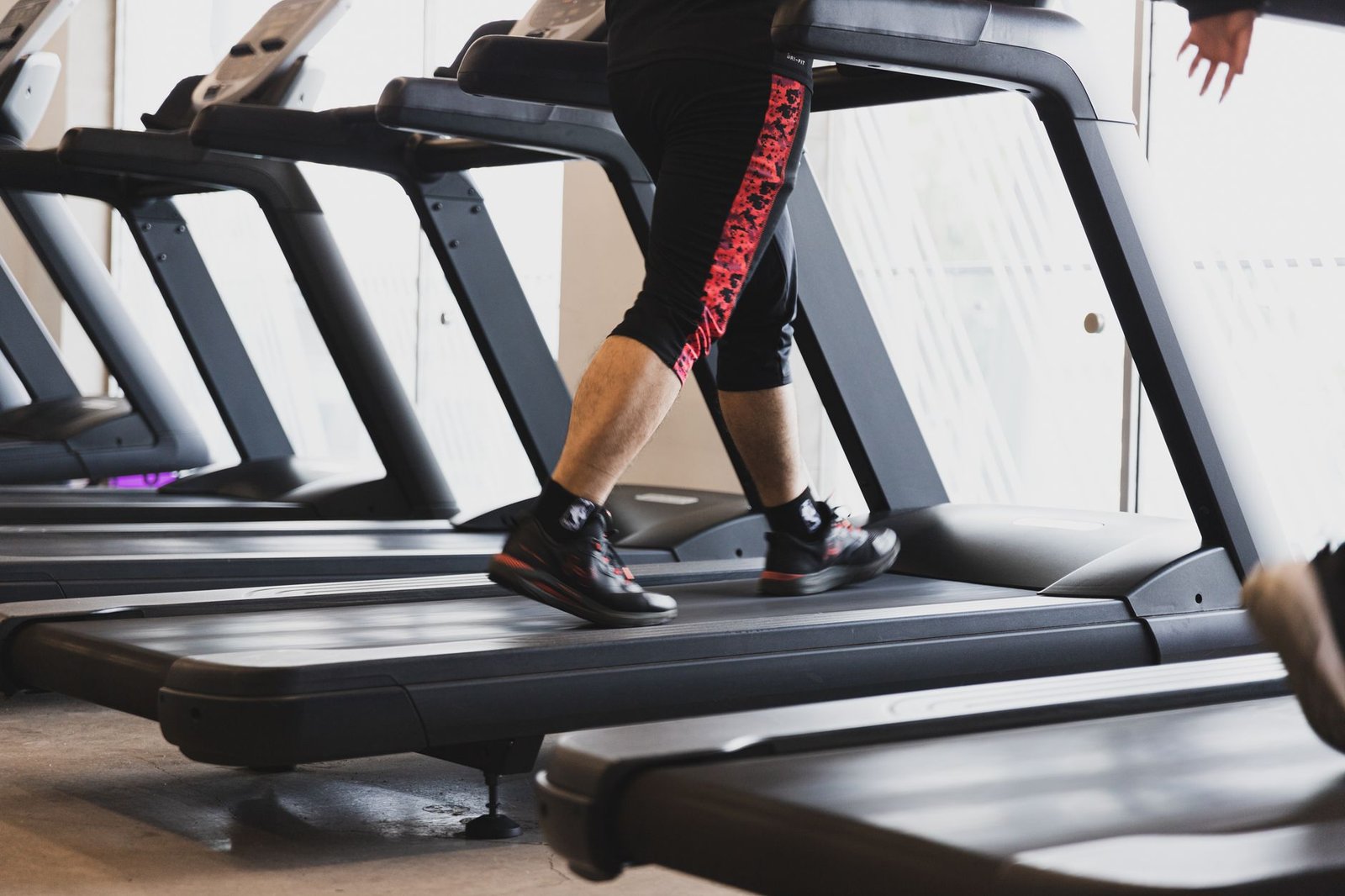
Space, speed, and health effects are the headline differences, but smaller details decide the walking pad vs treadmill choice for many buyers. Noise, cost, durability, and safety are where a good buy turns into a regret.
Noise: Walking Pad vs Treadmill
A walking pad is quiet because the motor is small and the top speed is low. A treadmill is louder because the motor is bigger and running feet hit the deck harder. The gap grows with speed. A pad at a slow walk hums softly, while a treadmill at a run thuds with every step. If you live in a flat, noise alone can settle the walking pad vs treadmill debate.
A walking pad usually runs near 45 to 55 decibels at walking speed, about the level of a quiet conversation. A treadmill at running speed often reaches 60 to 70 decibels, closer to a vacuum cleaner. A thick exercise mat under either machine cuts the vibration that travels through the floor.
If you plan to walk during work calls, the pad wins, because your voice will carry over a pad but a treadmill at speed will drown you out. If you exercise while the house sleeps, the pad wins again. In a house with a basement or a garage gym, treadmill noise is not a problem.
The Full Cost Picture
The sticker price is only the start, so compare the full first year cost. A walking pad usually costs 250 to 700 dollars. A home treadmill usually costs 700 to 2,500 dollars, and a sturdy model with a strong motor sits at the top of that range.
A pad used at a desk needs a standing desk or a desk riser, which adds 150 to 400 dollars if you do not already own one. A mat costs 30 to 80 dollars and is worth buying for either machine, because it protects the floor and cuts noise. Electricity is small for both, a few dollars a month at most, and a pad uses less because the motor is smaller.
Maintenance is where the treadmill costs more. Both machines need the belt lubricated now and then, and both will need a new belt after years of use. A treadmill belt and deck cost more to replace, and a repair call costs more too. A pad often costs under 1,000 dollars in year one, while a treadmill often costs 1,000 to 3,000 dollars. The walking pad vs treadmill cost gap is real.
Durability and Weight Limits
Check the weight limit before you buy anything, because it tells you how sturdy the machine is. Most walking pads list a limit of 100 to 120 kg (220 to 265 lb). Most home treadmills list 120 to 150 kg (265 to 330 lb). Buy a machine rated well above your body weight, not exactly at it.
Motor power matters too. A walking pad motor is often 1 to 1.5 horsepower, which is enough for walking. A home treadmill motor is often 2 to 3 horsepower, and a stronger motor runs cooler and lasts longer. A pad belt near 100 cm long (39 inches) suits a walking stride, while a treadmill deck near 140 cm (55 inches) suits a running stride.
Warranty length is a useful quality signal. A one year warranty is standard on cheap pads. Two to five years on the motor and frame is normal on a decent treadmill. Read the warranty before you buy, and keep the receipt.
Safety First
Safety is simple on both machines if you respect their limits. A walking pad has no handrails, so hold a desk or a wall when you step on and off, and start at the lowest speed until you find your balance. Never step on a moving belt from the side.
A treadmill has handrails and a safety key, and you should use both. Clip the safety key to your clothing every time, because it stops the belt if you fall. Keep children and pets out of the room while it runs, and unplug it when you finish so a child cannot start it.
Talk to a clinician before you start a new exercise routine if you have a heart condition, a balance problem, or joint pain that limits walking. This article is general information, not medical advice.
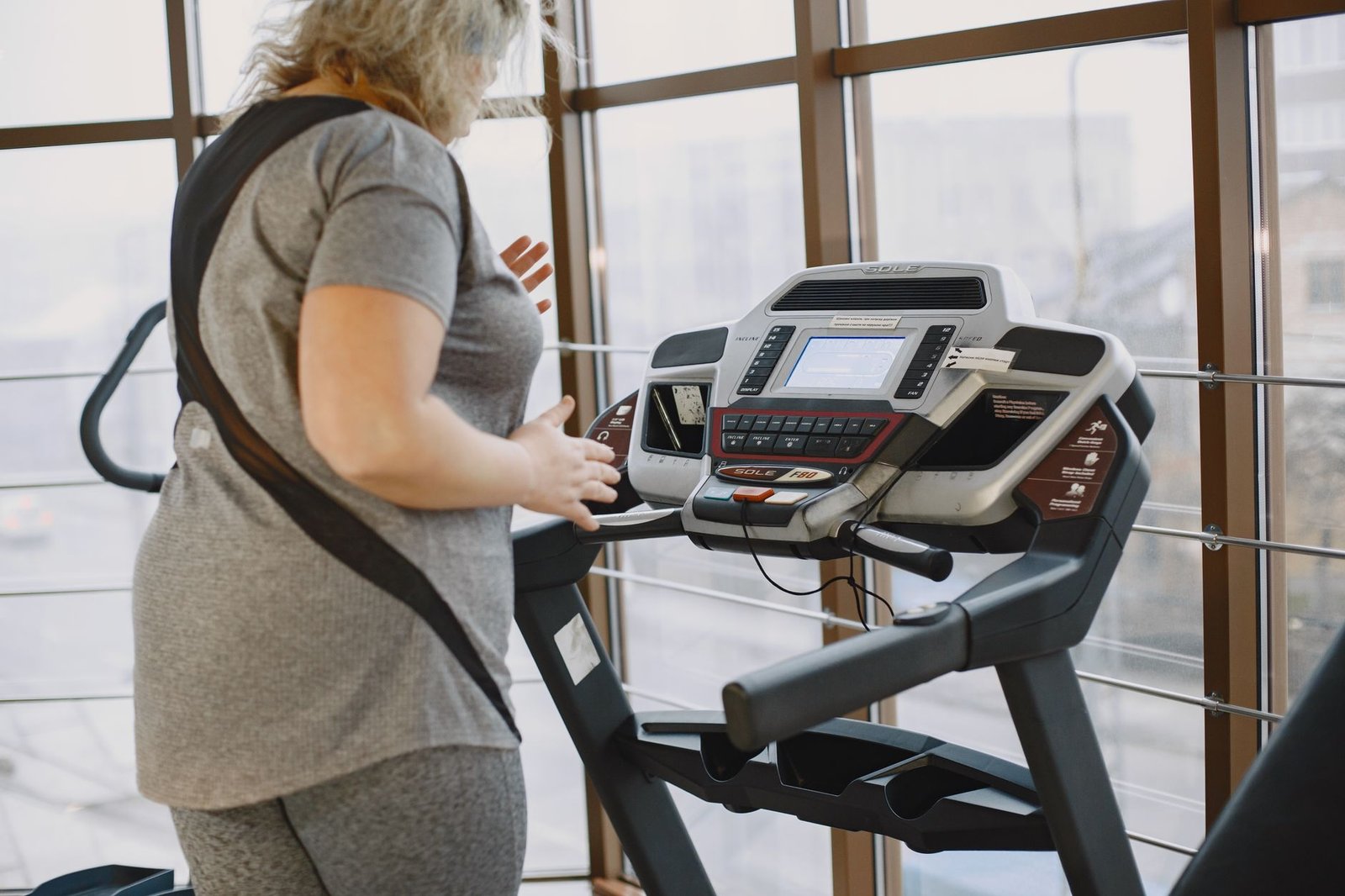
Here is the whole walking pad vs treadmill comparison in one place. Space, storage, noise, and cost go to the walking pad. Speed, incline, and workout intensity go to the treadmill. Neither machine is better in every way.
Walking Pad vs Treadmill Head to Head
A walking pad is a step counter that lives under your desk. It suits small homes, desk workers, and people who want more movement without a workout slot. A treadmill is a training machine that lives in a corner. It suits runners and people who want structured workouts. The walking pad vs treadmill choice comes down to steps or training.
Our guide to the best home gym equipment for beginners puts both machines in the wider picture, so you can see what else fits a small home gym and a modest budget.
Five Questions That Decide It
These five questions settle the walking pad vs treadmill decision for most buyers. Answer them honestly, and the right machine will be clear.
How much floor space can you give up for good? If the answer is none, buy a walking pad, because it stores under a bed. If you have a spare corner or a basement, a treadmill is workable.
Do you want to run, or only walk? If you want to run, even sometimes, you need a treadmill. A walking pad cannot run, and buying one hoping it will is the most common regret in this category.
Will you use it at a desk? If you plan to walk while you work, the pad is the only option that fits under a desk. A treadmill is too tall, too loud, and too wide for desk use.
What is your real budget? A pad plus a desk riser and a mat usually stays under 1,000 dollars. A decent treadmill with a mat usually costs 1,000 to 3,000 dollars. Spend what the machine is worth to you, not what a sale price suggests.
Do you live in a flat or a shared house? If neighbours or sleeping children are a factor, the quiet pad wins. If you have a house with a basement or a garage, the treadmill’s noise is not a problem.
Walking Pad vs Treadmill FAQ
Can I run on a walking pad?
No, not really. Most walking pads top out near 6 km/h (3.7 mph) and have a short, narrow belt with no handrails. Running on one is cramped and unsafe. If you want to run, buy a treadmill.
Is a walking pad enough for weight loss?
A walking pad helps because it adds steps and burns calories across the day, but no machine causes weight loss on its own. Food intake matters more than any workout. A pad works best as part of a plan that includes eating well and moving more every day.
More Walking Pad vs Treadmill Questions
Do I need a desk with a walking pad?
Only if you want to work while you walk. A pad works fine on its own in front of a television or while you listen to a podcast. A standing desk or riser is an extra cost, so only buy one if desk walking is the point.
How long does a walking pad last?
A decent pad lasts several years with regular walking use, and the motor is the part that wears first. Keep the belt clean and lubricated, stay under the weight limit, and the machine will last longer. A treadmill usually lasts longer overall because the motor and frame are built for harder use.
Which is better for bad knees?
Walking is gentler on knees than running, and both machines let you walk. A walking pad is slightly gentler because the speed is low and the belt is forgiving. A treadmill adds incline walking, which is also low impact. Talk to a clinician about your knees before you buy, because the right choice depends on your joints, not the machine.
The honest answer is that the best machine is the one you will use. A walking pad used every day beats a treadmill that becomes a clothes rack. A treadmill used three times a week beats a pad that stays under the bed. Pick the machine that fits your home, your budget, and your habits, then use it. Prices and specifications change, so check the listing before you buy, and measure your space before the box arrives.

 Ablaze Fitness


 Mélanie Courcelles


