


You lose more than water when you sweat. Every litre of sweat carries electrolytes out with it — sodium, potassium and smaller amounts of other minerals — and on a long run, a hot shift at work or a heavy session in a heated room, that mineral loss is the difference between finishing tired and finishing with a headache, cramps and a strange flat feeling that plain water does not fix.
Electrolytes have become a product category, a flavour trend and a morning routine all at once, which makes the simple questions easy to lose. What are electrolytes, actually? How much do you need on a normal day, and how much more on a training day? And when is an electrolyte drink genuinely useful, rather than an expensive way to drink flavoured water? This guide answers those questions with numbers you can use, a food first plan that covers most people most days, and clear rules for the situations where plain water is honestly not enough.
One boundary first. This is general information about normal nutrition and exercise for healthy adults. It is not medical advice, it does not diagnose or treat any condition, and electrolytes are not a miracle fix for energy, fat loss or performance. Used at the right time, they do one useful job well: they replace what sweat, illness or a very low food day actually took out.
What are electrolytes?
Electrolytes are minerals that carry an electric charge when dissolved in fluid. That charge is what lets them do their work in nerves, muscles and fluid balance. The main electrolytes your body manages carefully are:
- Sodium. The main electrolyte in fluid outside your cells. It is central to how much water your body holds, to blood pressure regulation and to nerve signalling. It is also the electrolyte you lose most in sweat.
- Potassium. The main electrolyte inside your cells. It works as sodium’s partner across cell walls and matters for muscle contraction, including the heart. Most people get less potassium than recommended, because it lives in foods many people under eat.
- Magnesium. Involved in hundreds of enzyme reactions, muscle and nerve function and normal heart rhythm. Sweat losses are modest, but dietary shortfalls are common. Readers who know it from our magnesium glycinate for sleep guide are meeting the same mineral in a different context.
- Calcium. Best known for bones, but also an electrolyte with roles in muscle contraction and nerve signalling. Normal diets usually cover it, and sweat losses are small.
- Chloride. Travels with sodium, including in ordinary table salt, and helps maintain fluid and acid balance.
- Phosphate and bicarbonate. Part of the body’s acid buffering system. Healthy kidneys manage these tightly, and they are rarely a supplement topic for healthy adults.
The United States National Library of Medicine overview of fluid and electrolyte balance at https://medlineplus.gov/ency/article/002350.htm explains the core idea plainly: your body keeps the amounts of water and electrolytes in a careful balance, and both too little and too much of either can cause problems. That balance, not maximum intake, is the goal of everything in this article.
How much do you need on a normal day?
Daily reference amounts for adults give a useful anchor. Exact recommendations differ slightly between the United States, the United Kingdom, Canada and Australia, but they cluster in the same ranges:
| Electrolyte | Typical adult daily target from food and drink | Honest notes |
|---|---|---|
| Sodium | Under 2,300 mg, with about 1,500 mg often cited as an ideal target for many adults | Most adults already exceed this from food alone on rest days |
| Potassium | About 3,400 mg for men and 2,600 mg for women (US adequate intake) | Most adults fall short; food is the fix |
| Magnesium | About 400 to 420 mg for men and 310 to 320 mg for women | Beans, nuts, seeds and whole grains are the big sources |
| Calcium | About 1,000 mg, rising to 1,200 mg for older adults | Dairy, fortified plant milks, tinned fish with bones and leafy greens |
Read that sodium row twice, because it explains most of the confusion in this whole topic. On a normal, non training day, the average adult in the target countries already eats more sodium than recommended, mostly from bread, processed foods, sauces, cheese and restaurant meals. Potassium usually runs the opposite way: too little, not too much. So for everyday life, the winning electrolyte move for most people is not adding a salty supplement drink. It is eating more potassium rich food and letting normal meals cover sodium.
Training days, hot days and illness days are different, and they get their own sections below. The supplement question only makes sense once you separate those days from ordinary ones.
What you actually lose in sweat
Sweat is mostly water, but its mineral content is large enough to matter over long efforts. Typical sweat sodium concentration varies widely between people, roughly 20 to 80 millimoles per litre, which works out to very roughly 460 to 1,840 mg of sodium per litre of sweat. Sweat rates vary just as widely: about half a litre an hour in gentle exercise in cool weather, and well over a litre an hour in hard training or heat.
Put those together and a two hour summer session can easily cost 1 to 2 litres of fluid and 1,000 mg or more of sodium, plus a few hundred milligrams of potassium. That is the gap an electrolyte drink is built to close. It also explains why the same drink is pointless after a 30 minute easy session in an air conditioned room, where losses may be a quarter of that and a normal meal replaces them within the hour.
Salty sweaters lose more. The visible clues are white salt lines on clothing and skin, stinging eyes and sweat that tastes strongly salty. If that is you, your replacement needs sit at the higher end of every range in this article.
When plain water is enough, and when it is not
Here is the practical dividing line most healthy adults can use:
Plain water is enough when:
- Your session is under about 60 minutes, at easy to moderate effort, in cool or indoor conditions.
- You can eat a normal meal within an hour or two afterwards.
- It is a rest day, however warm you feel at your desk.
Electrolytes genuinely help when:
- Your session runs longer than 60 to 90 minutes, especially with continuous sweating.
- You train in real heat, in heavy clothing, or twice in one day with limited recovery time.
- You are doing long outdoor efforts such as hiking, rucking or long runs. Our beginner rucking guide readers walking for hours with added weight are exactly this case.
- You finish with the classic pattern of headache, unusual fatigue and water that does not seem to help.
- You have been ill with vomiting or diarrhoea, where losses are fast and oral rehydration products, which are built on a specific glucose and sodium balance, are the right tool. Seek medical care promptly for severe illness, confusion, fainting or inability to keep fluids down.
There is also a risk in the opposite direction. Drinking very large amounts of plain water during very long events without replacing sodium can dilute blood sodium, a dangerous condition called hyponatremia. It is uncommon and specific to prolonged efforts with aggressive overdrinking, but it is the strongest reason long duration athletes plan electrolytes deliberately instead of just drinking as much water as possible.
How to use electrolytes around training
A simple plan covers almost every real training situation:
Before. Arrive hydrated rather than trying to fix a deficit in the final ten minutes. Eat normally in the hours before, drink to thirst, and for a long or hot session, a normal salty meal beforehand does more than any special pre workout drink. If you are stacking habits, electrolytes sit happily beside a routine such as how to take creatine, because both work best attached to an existing meal or training ritual.
During. For efforts over 60 to 90 minutes, a drink providing roughly 300 to 600 mg of sodium per litre is a reasonable working range for many adults, sipped regularly rather than taken in one large amount at the end. Heavier and saltier sweaters in heat often use the upper end or slightly above. Potassium in during exercise drinks is usually modest, and that is fine, because potassium replacement is mainly a food job across the whole day.
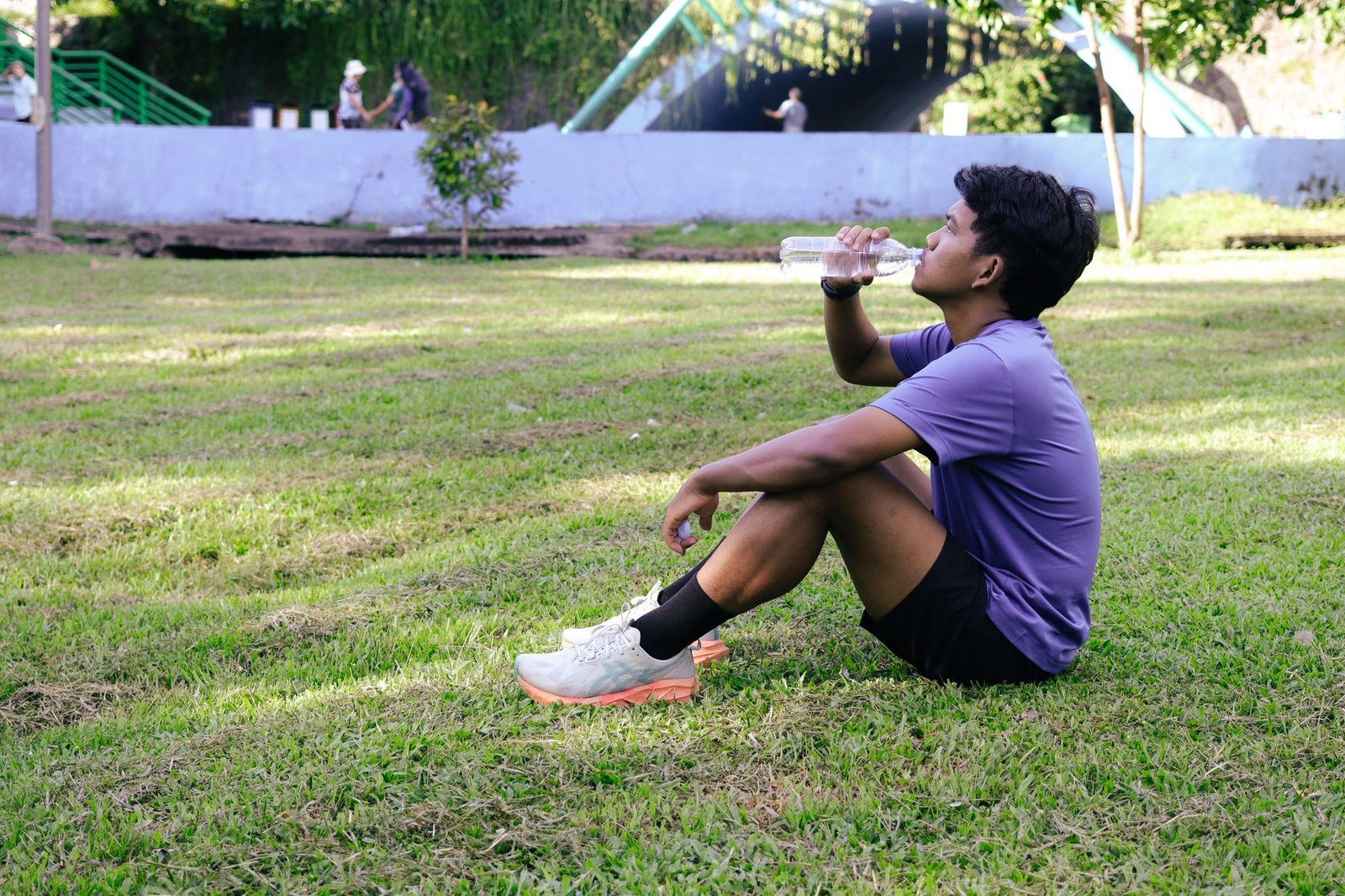
After. Replace fluid gradually, eat a real meal, and let food do most of the work. Soups, salted meals, dairy or fortified alternatives, fruit and potatoes close the gap efficiently. Our high protein soup recipes are a good example of recovery food that quietly delivers fluid, sodium and potassium together. Weighing yourself before and after long sessions is the most honest guide: each kilogram lost is roughly a litre of fluid to replace over the following hours, alongside food.
Heat based recovery raises losses further. If your routine includes sauna time, the guidance in how long should you sit in a sauna pairs naturally with deliberate rehydration afterwards, because a sauna can cost as much sweat as a training session without feeling like exercise.
Food first: covering electrolytes without a single product
Before buying anything, check how close your normal eating already gets you:
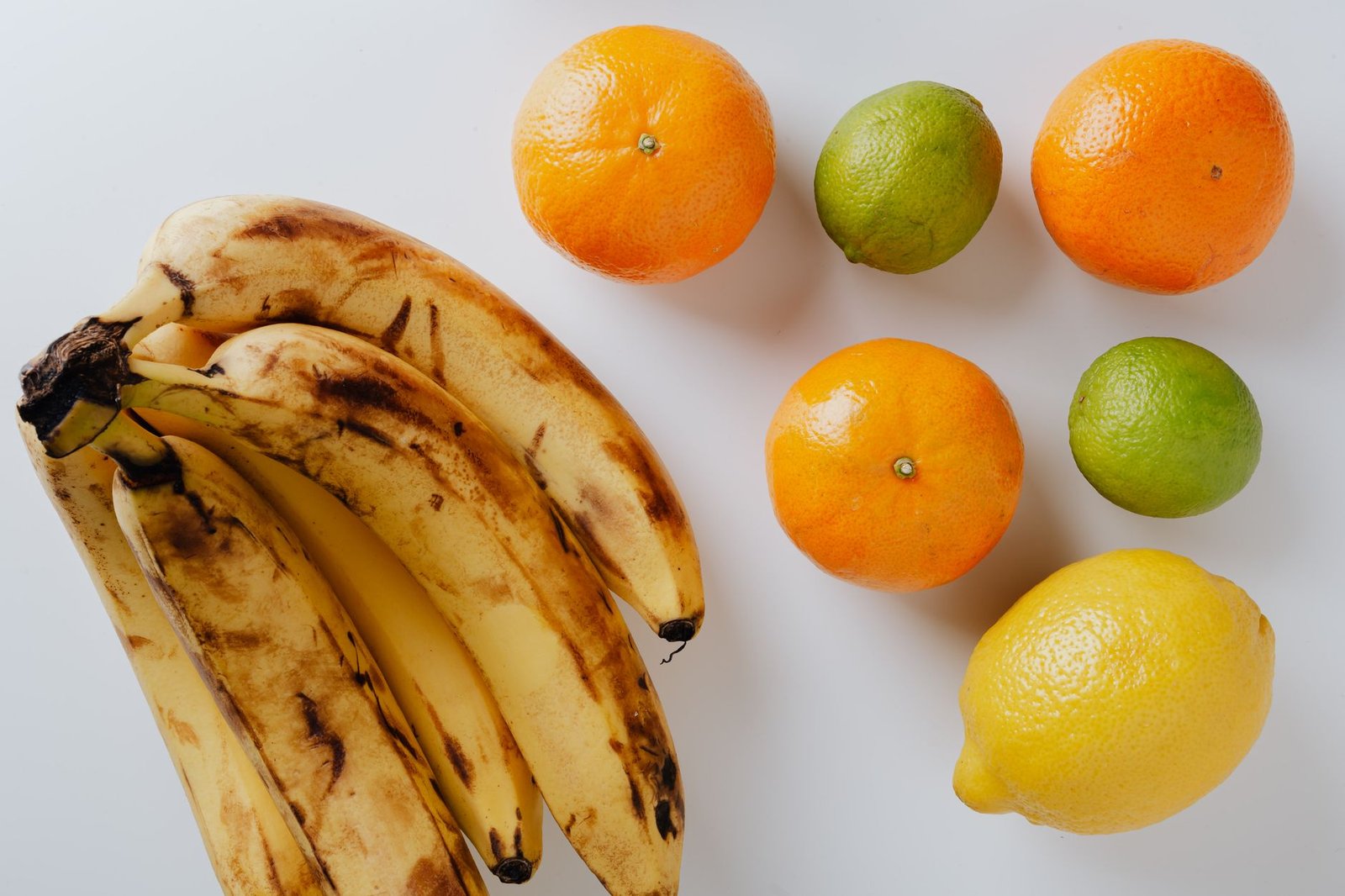
- Potassium: bananas, potatoes, beans, lentils, yogurt, milk, tomatoes, oranges, leafy greens and salmon. Adding one or two of these daily moves potassium more than any drink mix.
- Magnesium: nuts, seeds, beans, whole grains, dark leafy greens and dark chocolate in modest amounts.
- Sodium: already abundant in most diets. Training days are the exception, not the rule.
- Calcium: dairy foods, fortified plant milks, calcium set tofu and tinned fish eaten with their soft bones.
- Fluid itself: water, milk, tea, coffee in normal amounts and water rich foods all count toward daily fluid.
A walker building toward walking 10,000 steps in summer is a good test case. A one hour walk in warm weather may cost half a litre of sweat or more. Water during the walk plus a normal meal afterwards covers that fully on most days. The two hour weekend walk in heat is where an electrolyte drink earns its place.
How to read an electrolyte product label
If you do buy a product, the label tells you in ten seconds whether it fits the job:
- Sodium per serving, in milligrams. This is the number that matters most for training replacement. Products with only 50 to 100 mg per serving are flavoured water for exercise purposes.
- Serving size versus bottle size. Some labels quote a serving that is half the bottle. Double the numbers before judging.
- Sugar. Sugar is not automatically bad here. Glucose helps sodium and water absorption, which is why oral rehydration formulas include it, and long training can use the energy. For an everyday desk drink, added sugar is a cost with no benefit.
- Potassium and magnesium amounts. Useful as a top up, rarely large enough to fix a dietary shortfall on their own.
- Claims. Treat promises about detox, fat burning, massive energy or miracle recovery as marketing, not information. Electrolytes replace minerals and fluid. That is the whole honest claim.
Powders, tablets, ready made drinks and oral rehydration sachets all have a place. Powders and tablets suit training because you control the strength. Oral rehydration products suit illness because their glucose and sodium ratio is standardised for absorption. Everyday low dose drinks suit almost nothing that a meal does not do better.
Who should check with a clinician before using electrolyte supplements
Extra sodium and potassium are not safe defaults for everyone. Check with your clinician or pharmacist first if you:
- Have kidney disease or reduced kidney function, because potassium and fluid handling change.
- Have heart failure, high blood pressure managed with medication, or a condition where you have been told to restrict sodium or fluid.
- Take medication that affects potassium, including some blood pressure medicines and potassium sparing diuretics, or take lithium.
- Are pregnant and considering regular supplement drinks rather than food.
- Regularly feel dizzy, faint, confused or severely unwell around exercise or illness, which needs assessment rather than a stronger drink mix.
Children lose fluids faster relative to their size and become unwell sooner during illness. Follow child specific guidance and seek care early rather than adapting adult training advice.
Common electrolyte mistakes
- Drinking electrolytes all day, every day, by default. On rest days most adults need less sodium, not more, and the extra becomes a cost with no job to do.
- Chasing potassium or magnesium from drinks instead of food. The doses in drinks are small beside what a bean, potato and greens based meal provides.
- Ignoring sweat rate. Guessing losses from how hard a session felt, instead of noticing duration, heat, clothing and, for long efforts, weight change.
- Waiting until you are desperate. Starting replacement only after a headache and nausea arrive makes catching up slow and unpleasant. Small regular sips during long efforts beat rescue attempts.
- Overdrinking plain water on very long days. More water is not always safer. On multi hour efforts, fluid plus sodium, paced sensibly, is the safer pattern.
- Copying an athlete’s exact formula. Elite athletes in heat can have sweat rates and sodium losses far beyond a recreational trainer’s. Scale the principle to your own losses, not their label.
Frequently asked questions about electrolytes
Do I need electrolytes after every workout?
No. For sessions under about an hour in normal conditions, water and your next meal cover your losses. Electrolytes earn their place on long, hot or repeated sessions, and during illness with fluid loss.
How much sodium should an electrolyte drink have?
For training replacement, roughly 300 to 600 mg of sodium per litre is a useful working range for many adults, with salty sweaters in heat sometimes going higher. Check the label per litre, not per sip, and remember a product with under 100 mg per serving is barely contributing.
Can you have too many electrolytes?
Yes. Too much sodium works against blood pressure goals, too much potassium is dangerous for people with kidney problems or on certain medicines, and very concentrated drinks can upset your stomach and pull water the wrong way. Balance is the goal, not maximum intake.
More questions about electrolytes
Are electrolytes good first thing in the morning?
You wake slightly dehydrated after a night without fluids, and a glass of water fixes that for most people. A morning electrolyte drink is not harmful for most healthy adults, but it is rarely necessary unless you train early in heat, lost fluid overnight through illness, or know breakfast is hours away after training.
Do electrolytes help cramps?
Sometimes. Cramps have several causes, including fatigue and training load, and sodium and fluid loss is one contributor, especially in long hot sessions with heavy sweating. Replacing fluid and sodium helps that share of cramps, but it is not a guaranteed cure for every cramp.
What is the difference between a sports drink and an oral rehydration solution?
A sports drink is built for taste and energy during exercise, usually with modest sodium. An oral rehydration solution is a medical style formula with a specific glucose and sodium balance designed to maximise absorption during illness losses. They solve different problems and are not interchangeable in a serious illness.
The bottom line
Electrolytes are simply the charged minerals, above all sodium and potassium, that let your body hold fluid where it belongs and run nerves and muscles properly. Cover the everyday side with food: enough potassium rich plants and dairy or fortified alternatives, normal meals, and water to thirst. Save deliberate electrolyte drinks for the days they match: long sessions, hot sessions, twice a day training, heavy sweating and illness recovery. Match the dose to the loss, read the sodium per litre before you buy, and let balance, not marketing, set the target.
This article is general information about nutrition and exercise for healthy adults. It is not medical advice and does not diagnose or treat any condition. If you have kidney, heart or blood pressure conditions, take related medication, or feel severely unwell with fluid loss, consult a qualified health professional.

 Ablaze Fitness


