


Walk into any supplement shop or scroll any fitness feed and you will see the same promise: the best creatine will transform your training. The shelves are crowded with tubs, capsules and powders, each claiming to be the one that finally works. Choosing the best creatine should be simple, yet the marketing makes it feel like a chemistry exam.
Here is the good news. Creatine is one of the most studied sports supplements in the world, and the evidence points in a clear direction. Most healthy adults who train for strength can get real, modest benefits from the right form at the right dose. The trick is knowing which form that is, because not every product on the shelf deserves your money.
This guide compares the 7 main forms of creatine, explains what the research actually says, and gives you a checklist for choosing the best creatine for your goals and your budget. No brand names, no hype, just the facts you need to buy once and buy right.
What This Supplement Actually Does in Your Body
Creatine is a compound your body makes from amino acids, and you also get small amounts from meat and fish. About 95 percent of the creatine in your body sits in your muscles, where it is stored as phosphocreatine. When you lift a heavy weight or sprint, your muscles burn through their ready supply of energy, called ATP, in seconds. Phosphocreatine helps rebuild ATP quickly, which is why creatine matters most for short, intense efforts: heavy sets, sprints, jumps and repeated bursts.
Reviews of controlled trials have found the same pattern. People who take creatine while following a resistance training programme tend to gain a little more strength and lean muscle than people who train without it. The gains are real but modest, usually a few percent on strength measures over several weeks. Creatine is not a shortcut around training. It is a small boost on top of consistent lifting, enough protein and enough sleep.
Creatine also draws water into muscle cells, which explains the most common side effect: a small, quick rise on the scales, usually 1 to 2 kg (about 2 to 4 lb) in the first weeks. That is water inside the muscle, not fat, and it usually settles once your muscles are saturated. People who eat little or no meat, including vegetarians and vegans, often start with lower muscle creatine stores, so they may notice the effect more. That is worth knowing if your diet is plant based.
Why One Size Does Not Fit All
The best creatine for a powerlifter chasing a personal best is not necessarily the best creatine for a beginner who gets an upset stomach from powders, or for a traveller who wants capsules instead of a tub. Your training, your digestion, your budget and even where you train all change the answer.
That is why this guide ranks forms by evidence first and convenience second. A form with decades of research behind it beats a newer form with a clever label every time. Price is a poor guide to quality: some of the cheapest creatine is also the best studied, while some of the most expensive options rest on claims the research does not support.
Keep that in mind as you read the comparison below. The goal is not to find a miracle product. It is to find the form that fits your body and your routine, so you can take it every day without thinking about it.
The Best Creatine Forms, Compared
Seven forms cover almost everything sold today. Below, each one is judged on the same three questions: what does the research say, who does it suit, and what does it cost you in money or comfort. The verdict for most people is in the first entry, and the rest of the list explains why the others exist.
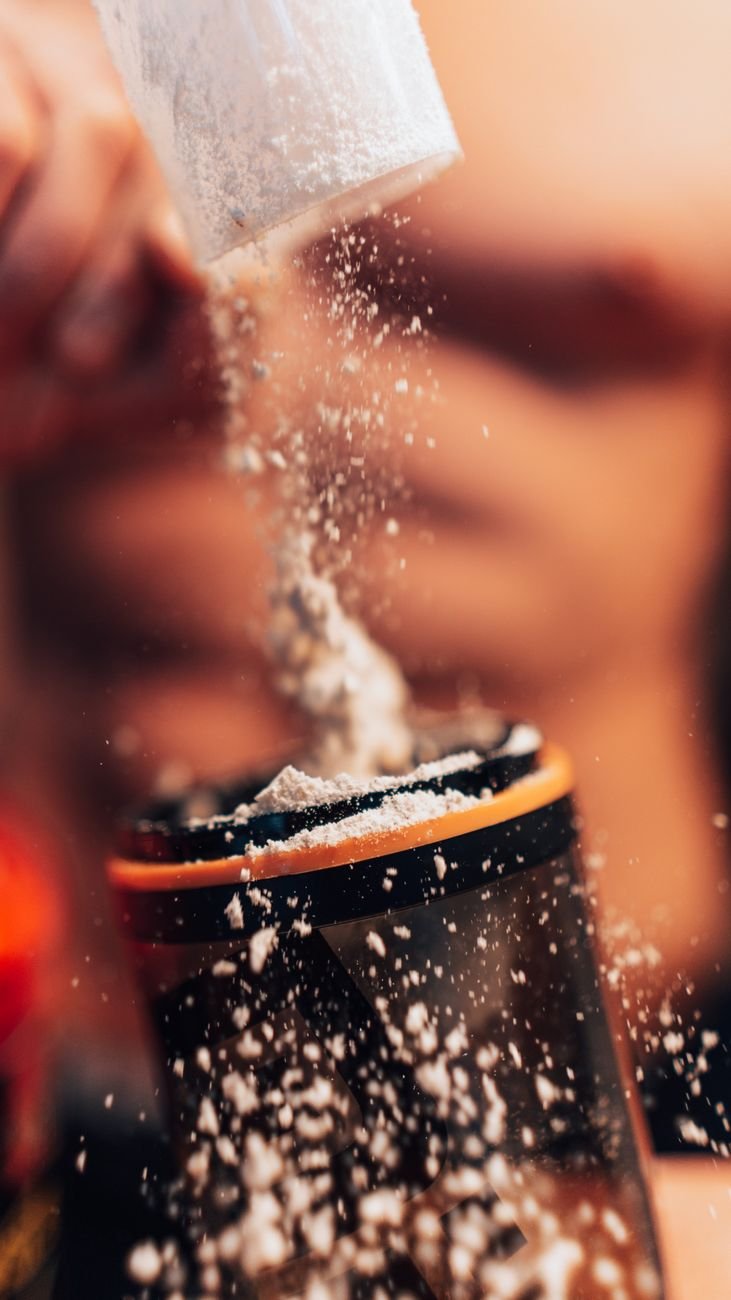
1. Creatine Monohydrate: The Default Best Creatine
Creatine monohydrate is creatine bound to a water molecule, and it is the form used in the vast majority of published studies. That matters more than any marketing claim. When reviews say creatine improves strength and lean mass, they are almost always talking about monohydrate, because that is what researchers tested.
It is also the cheapest form per serving by a wide margin, it dissolves well enough in water or juice if you stir it, and a daily dose of 3 to 5 g is easy to measure with the scoop most tubs include. The main drawback is mild stomach discomfort in a small number of people, especially when the powder is taken dry or on an empty stomach. Mixing it into a drink and taking it with food usually solves that.
Verdict: for most lifters, monohydrate is the best creatine. Start here unless you have a specific reason not to.
2. Micronized Creatine Monohydrate: The Same, But Smoother
Micronized monohydrate is the same compound ground into finer particles. It mixes more easily, leaves less grit at the bottom of the glass, and some people find it gentler on the stomach. The research behind it is the same research behind monohydrate, because the active ingredient is identical.
It usually costs a little more than standard monohydrate, and the difference is convenience, not results. If you dislike the texture of regular powder, this is a sensible upgrade. If you do not mind stirring a little longer, standard monohydrate does the same job for less money.
Verdict: the best creatine for people who want monohydrate without the grit.
3. Creatine Hydrochloride (HCL): Small Doses, Big Price
Creatine HCL is creatine bound to hydrochloric acid, which makes it dissolve very easily in water. Sellers often claim it absorbs better, so you need a much smaller dose, often under 1 g. That sounds appealing, but the claim rests on very little human evidence. No large trial has shown HCL beats monohydrate for strength or muscle gain, and the dose in many HCL products is so small that total creatine intake may be lower.
The other problem is price. Per gram of creatine, HCL is usually several times more expensive than monohydrate. You are paying a premium for solubility, not for proven extra results.
Verdict: a reasonable choice if you struggle to swallow powders and want capsules, but a poor value choice otherwise. Do not expect better results than monohydrate.
4. Buffered Creatine: The Stomach-Friendly Claim
Buffered creatine is monohydrate mixed with an alkaline powder, sold on the idea that it survives stomach acid better and causes less bloating. The theory sounds neat, but the human evidence is thin. The few small studies that compared buffered creatine with monohydrate found no clear advantage in strength, muscle gain or stomach comfort.
It costs more than monohydrate and offers no proven benefit. If standard monohydrate upsets your stomach, try taking a smaller dose with food, or try the micronized version, before paying extra for a buffer.
Verdict: interesting theory, unproven advantage. Monohydrate remains the safer bet.
5. Creatine Ethyl Ester: The Absorbed-Better Myth
Creatine ethyl ester was marketed as a form that survives digestion better and needs no loading phase. The pitch was that attaching an ester group helps creatine slip into muscle cells more easily. The evidence never caught up with the pitch. In the few head-to-head studies available, ethyl ester performed worse than monohydrate, with some of it breaking down into creatinine, the waste product, before it could be used.
It also tends to cost more than monohydrate. There is no good reason to choose it today.
Verdict: skip it. The science does not support the price.
6. Liquid Creatine: Convenient, But Unstable
Liquid creatine sounds convenient: no mixing, no powder, just a shot or a capful. The problem is stability. Creatine breaks down into creatinine when it sits in water for a long time, which means a bottle that has been on a shelf for months may contain far less active creatine than the label suggests. Studies of liquid products have found exactly that.
If you like the idea of a ready-made dose, you are better off mixing powder fresh each day. It takes thirty seconds and you know what you are getting.
Verdict: convenient in theory, unreliable in practice. Fresh powder wins.
7. Creatine Blends: A Little of Everything
Blends combine several forms, usually monohydrate plus one or two of the forms above, and promise the benefits of all of them. In practice, blends have two problems. First, the label often hides how much of each form you get. Second, the extra forms add cost without adding proven benefit, since monohydrate alone already does the job.
Some blends also include extra ingredients, like sugars or stimulants, that you may not want. Read the label carefully. If a blend does not tell you exactly how much creatine monohydrate it contains per serving, treat that as a warning sign.
Verdict: a blend can work if it is transparent about doses and priced like monohydrate. Most are not, so check the label before you buy.
The comparison points to a clear winner. For the vast majority of people, plain creatine monohydrate, or micronized monohydrate if you prefer a smoother mix, is the best creatine you can buy. The other forms exist for edge cases: capsules for travellers, HCL for people who truly cannot tolerate powder. None of them has beaten monohydrate in a fair head-to-head test.
How to Choose the Right One for You
Use this five-step checklist before you buy. It takes two minutes and it filters out most bad products.
- Step 1: Check the form. Look for creatine monohydrate or micronized creatine monohydrate on the label. Anything else should have to earn its higher price.
- Step 2: Check the dose per serving. You want 3 to 5 g of creatine per serving. If the label lists a blend without amounts, or a dose under 3 g, put it back.
- Step 3: Check for third-party testing. Look for a mark from an independent testing programme on the tub. Supplements are not regulated like medicines, so independent testing is the best check that the product contains what the label claims.
- Step 4: Check the ingredient list. Short is good. Creatine, and possibly a flavouring or sweetener, is all you need. Long lists of extras add cost, not results.
- Step 5: Check the price per serving, not the price per tub. Divide the tub price by the number of servings. Monohydrate is usually the cheapest per serving by a large margin, and that is a sign you are buying the right thing.
If you train at home, a basic set of home gym equipment for beginners is enough to put creatine to work. The supplement supports the training; it never replaces it.
How Much Creatine to Take
The standard approach is simple: take 3 to 5 g of creatine monohydrate every day. Your muscles fill up gradually over about three to four weeks, and then the daily dose keeps them topped up. Some people use a loading phase of about 20 g per day, split into four doses, for five to seven days to fill stores faster, then drop to a daily maintenance dose. Loading is optional. It gets you to saturation sooner, but the end result is the same, and the large doses are more likely to upset your stomach.
Timing matters less than consistency. You can take creatine in the morning, before training or after training. The small advantage sometimes reported for taking it after training is not large enough to worry about. What matters is taking it every day, including rest days, because muscle creatine drops slowly when you stop.
Mix powder into water, juice or a smoothie. It does not need to be taken with a special drink, and it does not need to be cycled on and off. Our full dosing guide covers loading, timing and common questions in detail, including what to do if you miss a day.
Who Benefits Most
Creatine helps most when your training already includes heavy, repeated efforts. That includes lifters working through a beginner strength training plan, athletes who sprint or jump, and anyone whose programme is built around progressive overload. If your training is mostly gentle cardio, creatine will do very little for you, because your muscles are rarely pushed to the point where fast ATP matters.
People who eat little meat may benefit more, because their muscle creatine stores start lower. Vegetarians and vegans often see a slightly larger response, which makes creatine one of the few supplements worth considering on a plant-based diet.
Women over 40 who train for strength are another group worth mentioning. Strength training in midlife protects muscle and bone, and creatine can add a small boost to that work. Our guide for women over 40 explains the dose and the safety points in more detail.
Creatine works best alongside enough protein, which is easier to plan when you know how to count macros. Protein builds the muscle; creatine helps you train a little harder so the protein has more work to do. Neither replaces the other.
Creatine Safety and Side Effects Worth Knowing
For healthy adults, creatine monohydrate has one of the best safety records of any sports supplement. Decades of studies, including trials lasting up to five years, have found no harm to the liver or kidneys in healthy people at recommended doses. That is a strong record, and it is one reason monohydrate is the default recommendation.
The common side effects are mild: water retention inside the muscle, which adds 1 to 2 kg on the scales, and occasional stomach discomfort or bloating, usually when the dose is large or taken dry. Drinking enough water and splitting a large dose across the day usually helps.
There are people who should talk to a doctor or pharmacist first. That includes anyone with kidney disease, anyone who is pregnant or breastfeeding, and anyone taking medicines that affect the kidneys. Teenagers should also check with a clinician and a parent, because most studies were done in adults. The National Institutes of Health Office of Dietary Supplements publishes a consumer fact sheet on supplements for exercise and athletic performance that summarises the evidence on creatine.
5 Mistakes That Waste Money on the Best Creatine
Mistake 1: Paying for a Fancy Form With No Proof
The most expensive creatine is rarely the best creatine. If a product costs three times more than monohydrate, it should have evidence to justify it. Most do not. Start with monohydrate and upgrade only if you have a real problem it solves.
Mistake 2: Taking It Only on Training Days
Creatine works by keeping your muscles saturated. Skipping rest days lets levels drift down. Take it daily, even when you do not train. Your muscles do not know what day of the week it is.
Mistake 3: Expecting Results Without Training
Creatine adds a small boost to a good programme. It does not build muscle on its own. If your training is inconsistent, fix the training first. Guidance on how many rest days a week you need and how to recover faster after workout will do more for your progress than any supplement.
Mistake 4: Trusting a Label With No Testing
Supplements are not tested by regulators before they are sold. A product that has never been independently tested may contain less creatine than the label claims, or things that are not on the label at all. Third-party testing marks are the simplest quality check available.
Mistake 5: Stopping After Two Weeks
Creatine takes three to four weeks to saturate your muscles at a daily dose. People who quit after a fortnight often conclude it does not work, when they simply did not give it time. Give it a full month of daily use before you judge it.
Best Creatine: Frequently Asked Questions
Is creatine monohydrate really the best creatine? For most people, yes. It has the most research, the lowest price and the best safety record. Other forms may suit specific needs, like capsules for travel, but none has beaten monohydrate for strength or muscle gain in a fair test.
Does creatine cause hair loss? One small study raised the question by finding a rise in a hormone linked to hair loss, but the study was small, short and has not been repeated. There is no good evidence that creatine causes hair loss in healthy adults. If hair loss runs in your family, that is a separate issue to discuss with a clinician.
Do I need to load creatine? No. Loading fills your muscles faster, in about a week instead of three to four weeks, but the final result is the same. If loading upsets your stomach, skip it and take 3 to 5 g daily.
Can I take creatine every day forever? Studies lasting up to five years found no harm in healthy adults at recommended doses. Many people take it daily for years. If your health changes, or you start a medicine that affects your kidneys, check with a clinician.
The Bottom Line
The best creatine is the one with the most evidence behind it, the clearest label and the lowest price per serving. For almost everyone, that is plain creatine monohydrate, 3 to 5 g a day, taken every day, alongside a solid training programme and enough protein. Use the checklist in this guide, ignore the hype on the label, and let the training do the talking.
This article is for general information only and is not medical advice. Supplements affect people differently, and creatine is not suitable for everyone. If you have a health condition, are pregnant or breastfeeding, or take prescription medicine, talk to a doctor or pharmacist before starting any supplement.

 Ablaze Fitness


