


You have probably heard someone say they are “tracking their macros”. You may have pictured a person weighing chicken breast at a restaurant while their friends back away. Here is the part nobody tells beginners. Learning how to count macros is mostly arithmetic you already know. After the first week, it takes about ten minutes a day. The people who quit are rarely the ones who found it hard. They were handed a system built for a bodybuilder in contest prep. They were told anything less was failure.
This guide gives you the beginner version of how to count macros that actually survives real life. Work out your own numbers and learn where the numbers on labels come from. You will build a simple daily routine. You will dodge the handful of mistakes that quietly add hundreds of untracked calories to a normal week. No food scale anxiety, no perfection standard, and no rule that says one untracked meal ruins anything.
What macros actually are, in plain language
Macros is short for macronutrients, the three parts of food that carry energy: protein, carbohydrate, and fat. Alcohol carries energy too, but it is not a nutrient your body needs. Most beginners can simply treat it as a bonus category to log honestly when it shows up.
Each macro carries a standard amount of energy per gram. Protein provides about 4 calories per gram. Carbohydrate provides about 4 calories per gram. Fat provides about 9 calories per gram. That is why small amounts of oils, butter, cheese, and nuts change a meal’s total so quickly. Fibre is a type of carbohydrate that your body only partly digests. Water, vitamins, and minerals carry no calories at all.
That simple maths is the whole foundation. Take a food with 25 grams of protein, 30 grams of carbohydrate, and 10 grams of fat. It holds roughly 100 plus 120 plus 90, which is 310 calories. When you count macros, you are counting those three gram totals across the day. You compare them with targets you set on purpose. That beats guessing from portion vibes and hoping the week averages out.
Why counting macros works when calorie counting alone stalls
Calories decide whether your weight trends up or down over time. Macros decide what that change is made of and how you feel while it happens. Two days can both land on 1,900 calories and produce completely different weeks. The day built on enough protein protects muscle, keeps hunger manageable, and supports training. The day built on random snacks and a protein total you could fit in a sandwich leaves you hungry. It leaves you flat in the gym, wondering why the same calories feel so much harder.
Protein is the macro beginners under-eat most often, and it is the one with the clearest payoff. It helps you keep muscle while you lose fat, and it is the most filling of the three. Carbohydrate fuels hard training, and fat supports hormones and makes food taste like food. Learning how to count macros also gives you flexibility rigid meal plans cannot. There is no forbidden list, only a daily budget you learn to spend on food you actually like.
Step 1: Set your calorie target before anything else
Macros start from a calorie target, because your protein, carbohydrate, and fat grams have to add up to something. Begin with your maintenance calories, the amount that keeps your current weight steady. The fastest honest route is a calculator built for the job. Use the Ablaze Fitness Calorie Calculator to get a maintenance estimate. It uses your age, weight, height, and activity level, and then you adjust it for your goal.
If your goal is fat loss, subtract roughly 300 to 500 calories from maintenance. That creates a deficit most people can hold for months without feeling punished. It is the same steady approach behind our guide to losing weight without losing muscle. If your goal is maintenance or performance, stay at the estimate. Let two to three weeks of real data tell you whether it is accurate. If your goal is muscle gain, add roughly 200 to 300 calories and accept a slow, controlled rise.
Treat the calculator number as a starting estimate, not a verdict. Your real maintenance is whatever keeps your average weight steady across two to three weeks of honest tracking. Weigh yourself a few mornings a week and compare weekly averages rather than single days. Then adjust by 100 to 200 calories if the trend clearly disagrees with your goal. That feedback loop is what turns a generic estimate into your number.
Step 2: Set protein first, because it anchors everything
Once calories are set, protein comes next, before carbohydrate and fat. A practical target for active adults is 1.6 to 2.2 grams of protein per kilogram of body weight per day. That range fits losing fat or building muscle. For general health at maintenance, aim for around 1.2 to 1.6 grams per kilogram. In imperial terms, that top range is about 0.7 to 1.0 grams per pound of body weight.
Take a 75 kilogram (165 pound) beginner aiming for fat loss at 1,900 calories. At 1.8 grams per kilogram, protein lands at 135 grams a day, which is 540 calories. That number becomes the anchor. Hit it, and the rest of the day has real freedom. Miss it by half, and hunger and muscle loss creep in, no matter how tidy the calorie total looks.
If you want the protein maths done for your exact stats and goal, try the Ablaze Fitness Protein Calculator. It gives you a daily gram target in seconds. Spread that target across the day in a way you will actually repeat. Aim for roughly 30 to 45 grams at each main meal for most people, plus a protein-carrying snack. That beats trying to rescue the whole target at dinner. Our high protein diet guide shows what those meals look like in practice. If your mornings run on caffeine, try the protein coffee methods. They are an easy way to start the day 20 grams ahead.
Step 3: Split what is left between fat and carbohydrate
With protein fixed, fat comes next. A sensible floor is about 0.7 to 1.0 grams of fat per kilogram of body weight. Most beginners do well landing somewhere between 20 and 35 percent of total calories from fat. For our 75 kilogram example, 60 grams of fat is a comfortable middle. That is 540 calories, enough for hormones, flavour, and satiety, without crowding out training fuel.
Carbohydrate takes whatever calories remain. In the example, 1,900 total minus 540 from protein minus 540 from fat leaves 820 calories. That is 205 grams of carbohydrate. That is not a low number, and it is not meant to be. Carbohydrate is the fuel your hardest sessions burn. Beginners who slash it to look disciplined usually discover the cost in flat workouts and evening cravings within a fortnight.
Notice what this order gives you. Protein protects the goal, fat protects health and satisfaction, and carbohydrate flexes with your training and your preferences. On rest days you can trade some carbohydrate for a little more fat if that suits your appetite. On heavy training days you can do the opposite. The calorie total and the protein target stay steady, and the other two breathe. That flexibility is a feature, not cheating.
Step 4: Use the Macro Calculator to skip the manual maths
You can do every step above with a pencil. Doing it once by hand teaches you more than a month of copying targets from an app. After that first pass, let a tool carry the arithmetic. The Ablaze Fitness Macro Calculator turns your stats, activity, and goal into protein, carbohydrate, and fat targets in one pass. It uses the same protein first logic. If its output differs wildly from your hand calculation, the usual cause is the activity setting. Most people overestimate how active an office job with four workouts a week really is. Pick the honest setting and let your two to three week trend arbitrate. Then write your targets somewhere you will see them daily. A typical beginner card reads: 1,900 calories, protein 135 grams, fat 60 grams, and carbohydrate 205 grams. Protein is marked as the priority on chaotic days.
Step 5: Learn to read a label like a tracker, not a shopper
Labels are where learning how to count macros becomes real, and where the first surprises live. Start with the serving size. Every number on the panel describes that serving. It does not describe the packet, the bowl you poured, or the amount a normal human actually eats. Cereal, granola, crisps, and sauces are famous for serving sizes half the size of a real portion. Weigh or measure your actual portion for the first few weeks. Compare it with the label serving, and prepare for at least one rude awakening. Almost everyone has a peanut butter or breakfast cereal moment in week one.
Next, sanity check the three macro lines with the 4, 4, and 9 maths. If the grams imply a very different total from the printed calories, log the printed calories. For foods without labels, the USDA FoodData Central database lists verified values for thousands of whole foods. It is the source most tracking apps quietly copy. Restaurant food is the honest grey zone: estimate from the closest cooked equivalent, log it without guilt, and move on. An estimate within 15 percent beats skipping the log entirely.

Step 6: How to count macros in ten minutes a day
Here is the routine that makes how to count macros a habit instead of a project. In the morning, or the night before, sketch the day in your tracker. Include the meals you already know are happening, with rough portions. This takes three minutes and turns the day into a plan with gaps you can see. Midday, spend two minutes logging what actually happened and checking the protein pace. If dinner needs to carry 70 grams of protein, learn that at 1 pm. Do not wait until 9 pm. In the evening, close the day in five minutes. Log dinner and snacks, and glance at the three totals. Note one sentence about anything unusual, like poor sleep or a work lunch. A day logged at 90 percent accuracy teaches you more than a perfect day followed by four unlogged ones.
Two habits separate the beginners who last from the ones who quit by Friday. First, pre-log the foods you eat most often as saved meals, so breakfast takes twenty seconds instead of two minutes. Second, weigh the calorie dense, easy to over-pour foods: oils, butter, nut butters, cheese, nuts, granola, and dressings. You do not need to weigh lettuce. You absolutely need to know what your free-poured tablespoon of olive oil really weighs. The honest answer is usually two and a half tablespoons.
A worked example: how to count macros on one ordinary day
Theory is tidy. Here is how to count macros on a normal day. Our 75 kilogram beginner targets 1,900 calories, 135 grams of protein, 60 grams of fat, and 205 grams of carbohydrate.
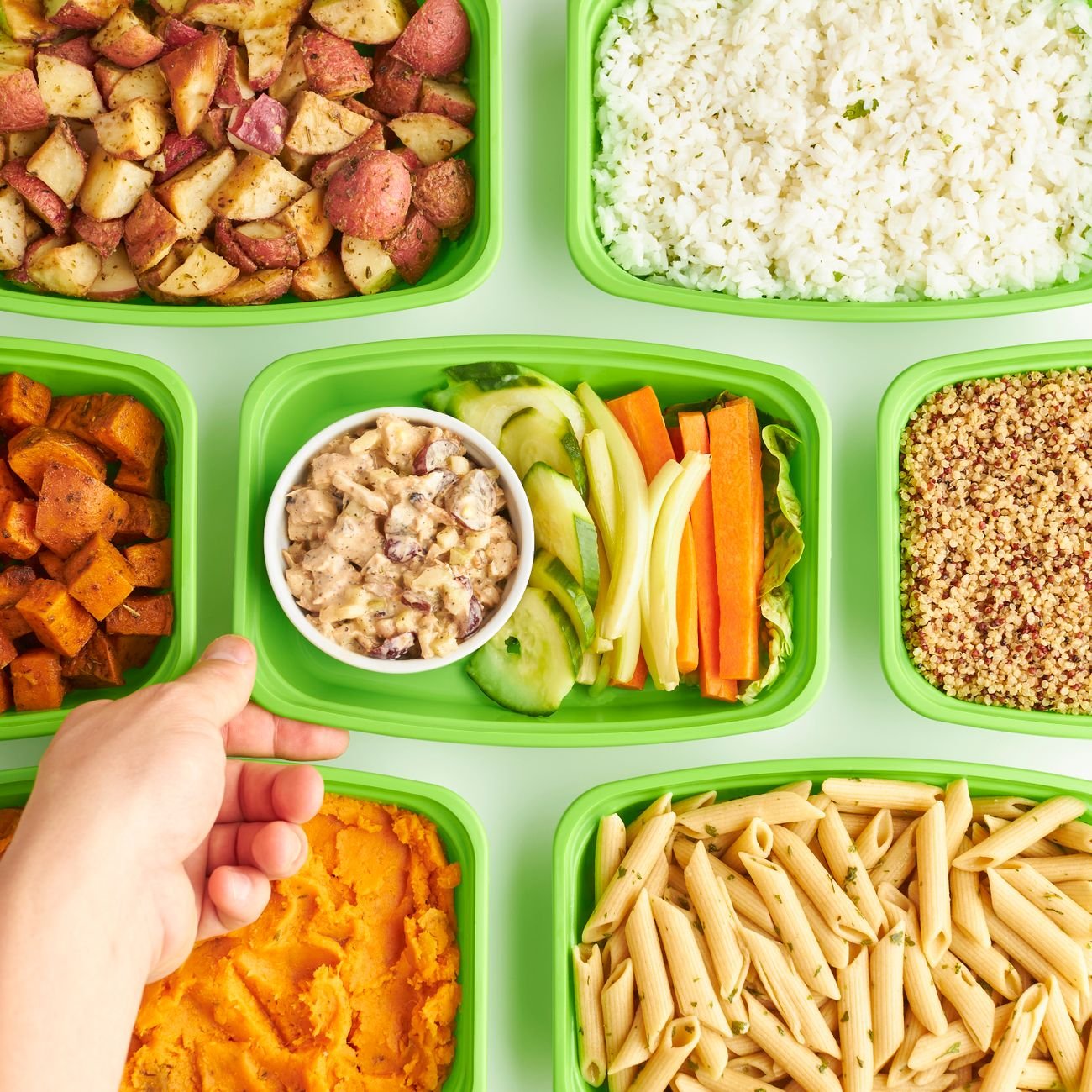
Breakfast is Greek yoghurt with oats, berries, and a spoon of honey. It has about 28 grams of protein, 55 grams of carbohydrate, and 8 grams of fat. Lunch is a chicken and rice bowl with vegetables and a measured tablespoon of olive oil. It has about 45 grams of protein, 70 grams of carbohydrate, and 18 grams of fat. A mid-afternoon snack of a protein coffee and an apple adds roughly 22 grams of protein. It adds 25 grams of carbohydrate with almost no fat. Dinner is salmon, potatoes, and greens. It has about 40 grams of protein, 50 grams of carbohydrate, and 30 grams of fat. The salmon honestly carries most of that fat line.
The day closes at about 135 grams of protein, 200 grams of carbohydrate, and 56 grams of fat. That is roughly 1,845 calories, close to target on every line. It is built from ordinary food, with no meal a normal person would call diet food. Your own version will use your foods and your targets, and it should. Adherence beats elegance every week of the year.
The mistakes that quietly wreck beginner tracking
The first mistake is tracking weekdays and freelancing weekends. Five tidy days at a 400 calorie deficit create a 2,000 calorie hole. Two untracked days of restaurant meals, drinks, and snacks can refill all of it. You do not need perfect weekends. You need honest ones, logged with the same estimates you would accept on a Tuesday.
The second mistake is forgetting the invisible calories. Cooking oil is absorbed by the pan, and dressing arrives already on the salad. Butter on the toast, sugar and milk in three coffees, and handfuls eaten while cooking all count too. None of these is a moral failing. Together they routinely add 200 to 400 calories a day, which is the entire deficit most people are chasing. Log them for two weeks and the mystery of the stuck scale usually solves itself.
The third mistake is chasing perfect splits. Hitting exactly 205 grams of carbohydrate matters far less than landing protein on target and calories within about 5 percent. Treat carbohydrate and fat as a shared pool with a protein anchor. Your accuracy where it counts goes up while your stress goes down. The fourth mistake is copying an influencer’s targets. Their body weight, training age, job, and goal are not yours. Their numbers were never meant to fit your life.
The fifth mistake is quitting after one chaotic day. Travel, illness, and celebrations will all produce untracked days. They are data, not verdicts. Log what you can, and return to the routine at the next meal rather than the next Monday. On chaotic days, simply hold protein and a rough calorie ceiling. Call it a successful maintenance day, because it is one.
How to count macros for the long term
Count strictly for long enough to learn how to count macros, which for most beginners is four to twelve weeks. In that window you will learn your staple meals by heart and recalibrate your eye for portions. You will discover your personal traps: the snack that costs more than lunch, and the sauce that doubles a meal. After that, many people loosen deliberately. They track protein and calories, and return to full tracking whenever the goal changes or the trend stalls. The skill is the asset. It makes every future adjustment a decision instead of a guess, including the ones in our intermittent fasting schedule guide.
One honest caution: if tracking starts to feel obsessive, step back. If you have any history of disordered eating, talk to a qualified professional or your doctor before continuing. No target in this article outranks your wellbeing.
Frequently asked questions about how to count macros
Does the app I use matter, or can I count macros on paper?
The tool matters far less than the habit. A notebook and a free label database will teach you exactly the same skill as the most polished app. The learning lives in weighing, reading, and estimating, not in the interface. Apps win on speed. Barcode scanning, saved meals, and automatic maths cut the daily routine to the ten minutes described above. Paper wins on awareness: writing a number by hand makes you notice it. Choose whichever you will still be using in week six, because that is the only feature that predicts success.
What if I hit my calories but miss my protein almost every day?
Then protein is your real project for the next two weeks, ahead of every other refinement. Add a protein anchor to the meal that currently has none, which for most beginners is breakfast. Front-load the day so dinner is not carrying an impossible rescue mission. Keep a high protein snack you genuinely like within reach at work. If you consistently land within about 10 grams of target, you are close enough for the goal to work. The pattern to fix is the 60 gram shortfall, not the 8 gram one.
Rest days and accuracy
Do I need to count macros on rest days too?
Yes, at least during your learning weeks. Your body does not reset its energy balance at midnight on a schedule that matches your training split. Keep calories and protein steady across the week at first. That simplicity is what lets you read your weight trend clearly. Later, if you enjoy the structure, you can shift some carbohydrate from rest days to training days. Hold the weekly totals steady while you do it. It is an advanced preference, not a requirement, and it changes far less than the marketing around it suggests.
How accurate do my numbers need to be for this to work?
Aim for honest and consistent rather than laboratory precise. Labels carry a legal margin of error and restaurant estimates are educated guesses. What makes the system work is that your errors stay roughly the same size every week. That keeps your trend meaningful. If your average weight moves the way your goal requires across two to three weeks, your tracking is accurate enough. That is the definition that matters. If it does not, tighten the obvious leaks first: oils, dressings, drinks, and weekends.
The bottom line on how to count macros
Learning how to count macros is a short project with a long payoff. Set calories from an honest maintenance estimate and anchor the day with protein. Let fat keep food enjoyable, and give carbohydrate the rest. Log in a ten minute routine and weigh the foods that pour heavy. Judge everything by your two to three week trend. Do that for a month and the guesswork that used to run your eating is gone.
This article is general information for healthy adults and is not medical or personalised nutrition advice. If you have a medical condition, are pregnant, or have concerns about your relationship with food, get advice first. Speak with your doctor or a registered dietitian before changing how you eat.

 Ablaze Fitness


 Mélanie Courcelles


