


Typing “pilates classes near me” into a search bar is easy. Making sense of the results is the hard part. The listings mix together mat classes in church halls, boutique reformer studios, physiotherapy clinics, and large gym chains. All use similar words to describe fairly different experiences. This guide sorts it out. It covers what the main formats actually involve and how to search and read listings properly. You will also learn what to compare before you book and what classes typically cost. The guide also explains what your first session will really feel like.
Pilates is a system of controlled, precise movement built around core strength, posture, breathing, and body awareness. It was developed in the early twentieth century by Joseph Pilates. The Pilates Method Alliance, the nonprofit professional association for the method, describes it as a whole body approach to fitness. It can be adapted for almost any age and ability level. That adaptability is a strength. It is also why quality varies so widely from one studio to the next.
Start With the Format: Mat vs Reformer Pilates Classes Near Me
Almost every result for pilates classes near me falls into one of two camps. Understanding the difference saves you from booking the wrong thing.
Mat Pilates
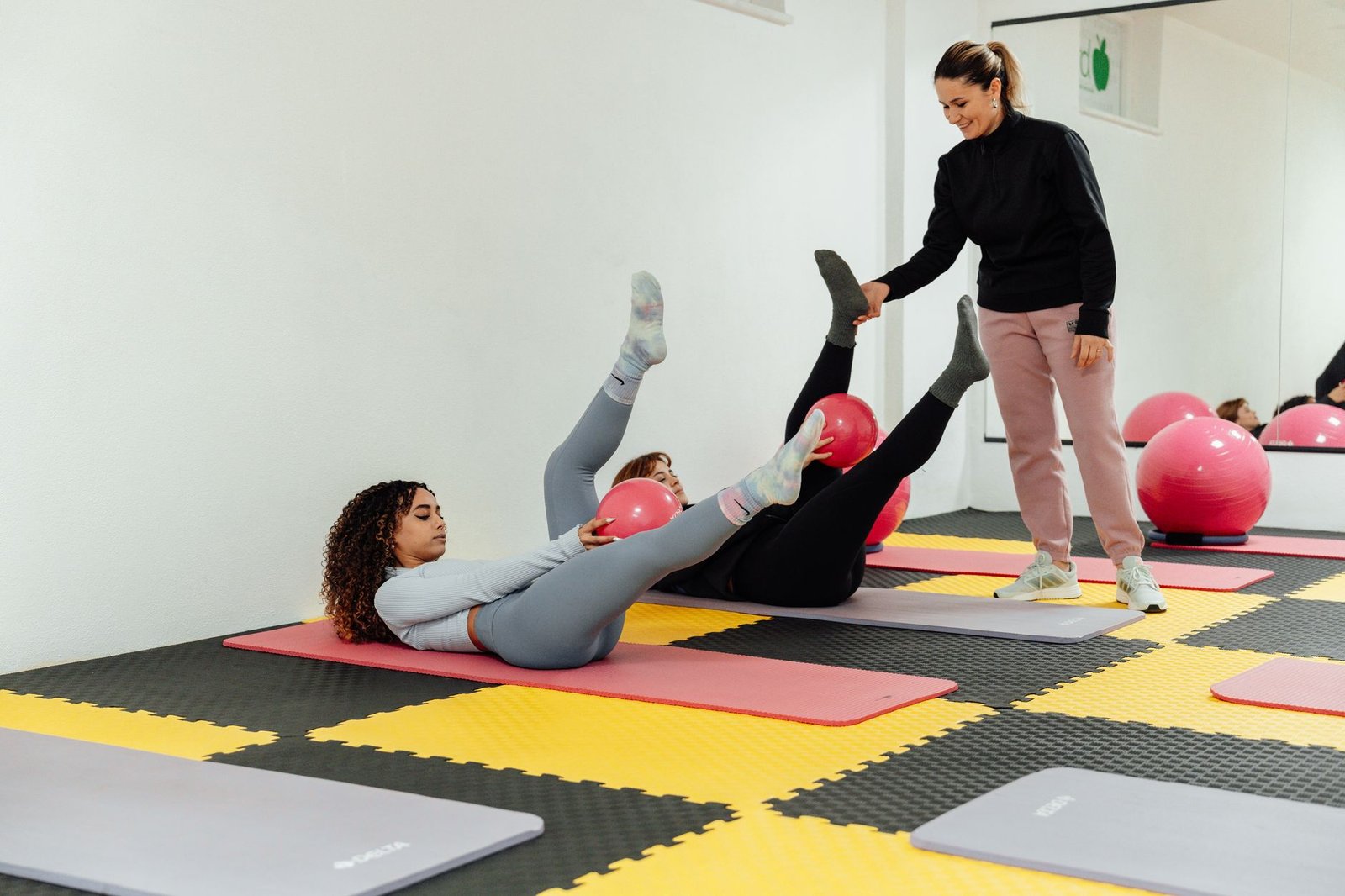
Mat Pilates is done on a thick exercise mat, on the floor, using your own body weight as resistance. The instructor may add small props such as a ring, a resistance band, light hand weights, or a small ball. There is no large equipment. Classes follow a flowing sequence of exercises. They target the deep abdominals, glutes, back, and hips, with a lot of attention on breathing and spinal alignment.
The feel is slow, controlled, and surprisingly demanding. Because there is nothing to adjust and nothing to hide behind, mat work exposes every compensation your body makes. It suits beginners well. The foundational movements are the same ones used on the equipment. Class sizes can be larger, and it is the cheapest way in. If you later want a free taste of the style at home, a structured wall pilates for beginners routine uses a wall for support and follows the same principles.
Reformer Pilates
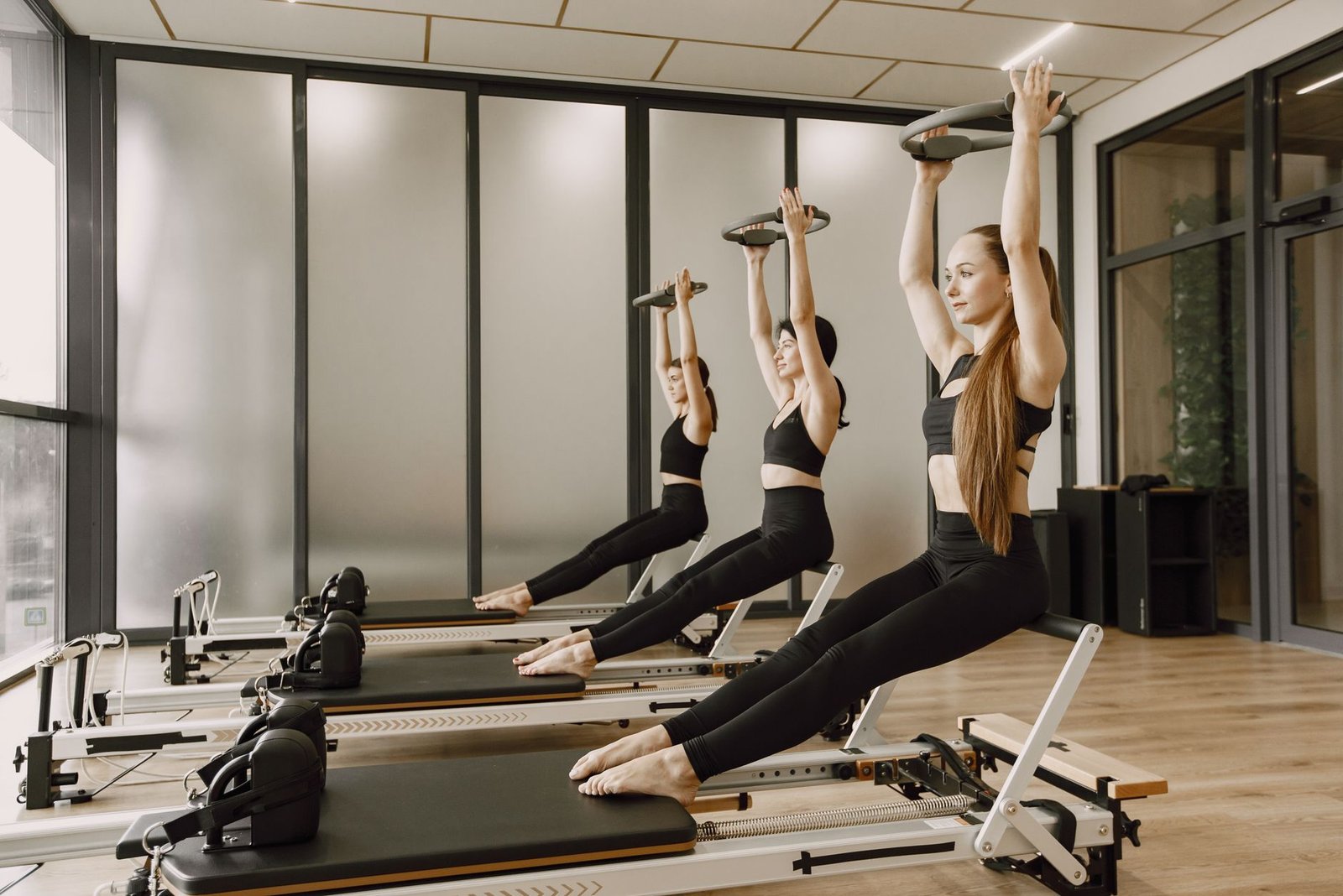
The reformer is a bed like frame with a sliding carriage, springs, straps, and a footbar. You push and pull against spring resistance while lying, sitting, kneeling, or standing on the moving carriage. The springs can make an exercise harder, but they can also support you. That support is why reformer work is often recommended for people who find floor work difficult at first.
The feel is smoother and more guided than mat work. The variety is much bigger, with hundreds of possible exercises and variations. Classes are smaller, usually six to twelve people, because every person needs a machine, and prices are noticeably higher. The main beginner risk is falling in love with the equipment and skipping the fundamentals. A good studio will steer new clients into an intro pathway. It will not drop them into a fast paced mixed level class.
Which one should you choose?
Choose mat if you want the lowest cost entry point, larger class energy, and a clear focus on fundamentals. Choose reformer if you enjoy equipment based training, want more variety and support, or have a slightly bigger budget. Many people do both: reformer sessions at a studio once or twice a week and short mat sessions at home between visits. Neither is objectively better. They are two doors into the same method.
Other Formats You Will See When Searching Pilates Classes Near Me
Listings use more labels than just mat and reformer. Here is what the common ones mean.
Classical vs contemporary Pilates
Classical Pilates follows the original exercise order and approach developed by Joseph Pilates, taught much as it was passed down through his own students. Contemporary Pilates keeps the core principles but adapts exercises using modern exercise science, and is more likely to modify movements for injuries, pregnancy, or different body types. Neither approach is automatically superior. Classical suits people who like tradition and structure; contemporary suits people who want more adaptation.
Clinical Pilates
Clinical Pilates is taught by physiotherapists or other qualified health professionals, usually in a clinic rather than a fitness studio. Sessions are often one to one or in very small groups, and the program is built around an assessment of your body and any history of pain or injury. It typically costs more than a fitness class, and in some places part of the cost may be claimable through health cover. It is a sensible starting point if you are returning to exercise after an injury, and your clinician can tell you when general classes are appropriate.
Megaformer style classes
Some studios use a larger, heavier machine inspired by the reformer and teach slow, high intensity muscular endurance classes on it, often to music and in a circuit like format. These workouts borrow Pilates equipment and some Pilates vocabulary, but they are not traditional Pilates and are usually not taught by comprehensively trained Pilates instructors. They can be an effective workout in their own right, but expect a much harder, faster burn and a higher injury learning curve if you are new.
Apparatus and studio sessions
Beyond the reformer, a fully equipped studio may offer work on the Cadillac or trapeze table, the Wunda chair, and various barrels. These usually appear in private or semi private sessions rather than group classes, and they are where the method gets most individualized.
How to Find Good Pilates Classes Near Me
A smarter search gives you a shortlist in minutes rather than a confusing map of pins.
Search Tactics for Finding Pilates Classes Near Me
Start with “pilates classes near me”, then run a second search with the format word added, such as “reformer pilates near me” or “mat pilates classes near me”, because studios often list under one format only. Add your suburb or neighborhood name as well, since map results favor distance over quality and a slightly longer trip often buys a much better studio. Check the schedule, not just the location: a studio ten minutes away with no classes at times you can attend is worse than one twenty minutes away with a timetable built around working hours.
How to read a listing
Look for four things on every studio page. First, a named timetable with real class levels, since vague promises usually mean one generic class for everyone. Second, instructor bios with actual training details. Third, an intro offer or beginner pathway described clearly. Fourth, recent reviews that mention specifics, such as corrections, class size, or clean equipment, rather than only star ratings. Listings on general fitness marketplaces can be useful for discovery, but always confirm the details on the studio’s own site before paying anything.
Use intro offers and private starter sessions
Most studios offer a discounted intro pack, such as two or three classes at a reduced rate, or a free or low cost first class. Take it, and treat those sessions as an audition in both directions. Many reformer studios also offer, or quietly require, one private starter session before group classes. That session teaches you the machine setup, the basic positions, and the studio’s cueing style, and it gives the instructor a chance to note anything they should modify for you. It costs more than a group class, but for reformer beginners it is money well spent.
What to Compare Before You Book: Pilates Classes Near Me Checklist
Two studios can charge the same price and deliver completely different value. Compare these points before you commit to a pack or membership.
| What to compare | What good looks like | What to question |
|---|---|---|
| Instructor certification | Comprehensive training of several hundred hours, ideally with a recognized credential | A weekend course or no training listed at all |
| Beginner pathway | Intro pack, foundations class, or required private starter session | New clients dropped straight into mixed level classes |
| Class size | Around 6 to 12 on reformers, similar or slightly larger on mats | Crowded rooms where the instructor cannot see everyone |
| Equipment condition | Clean, maintained machines with smooth springs and intact straps | Worn straps, noisy carriages, or broken props in use |
| Price model | Clear drop-in, pack, and membership pricing with expiry terms in writing | Vague pricing, pressure selling, or unclear cancellation terms |
| Teaching style | Corrections, options for different levels, and calm pacing | Instructor performs the workout at the front and rarely corrects anyone |
| Studio basics | Clean space, working booking system, reasonable late cancel window | Chaotic scheduling or classes that start late as a habit |
Instructor certification and training depth
This is the single biggest quality signal. Pilates teaching is not regulated the way physiotherapy is, so anyone can legally call themselves an instructor in most places. Comprehensive programs run to several hundred hours of study, practice teaching, and exams, and cover the full apparatus. Short courses exist too, and some are fine for simple mat classes, but for reformer work and for anyone with an injury history, training depth matters. Good studios name the school or program their instructors completed and are happy to be asked.
Class size, especially on reformers
On a reformer, the instructor is watching every carriage, spring setting, and strap at once. In a class of eight, that is manageable. In a class of fourteen or sixteen, individual correction drops sharply, and beginners are the ones who lose out. Ask the studio for the maximum number per class, and be wary of any reformer class that markets itself mainly on how many machines fit in the room.
What Pilates Classes Near Me Typically Cost
Prices vary a lot by city and country. Treat these as typical reported ranges in US dollars, not quotes. Mat classes commonly run about $15 to $30 for a drop-in. Class packs and gym based classes sit at the lower end. Reformer group classes commonly run about $30 to $50 or more per class. Premium studios in large cities charge above that. Private sessions commonly run about $60 to $120 or more. Semi private sessions for two or three people sit in between. Clinical Pilates through a physiotherapy clinic is often priced like a health appointment rather than a fitness class.
Intro packs change the maths for your first month. Compare studios on the intro price first and the ongoing price second. Also read the fine print: pack expiry dates, late cancellation windows, and whether memberships pause for holidays or illness. A slightly more expensive studio with a fair expiry policy often costs less over a year. A cheap studio with a strict policy can cost more.
What to Expect at Your First Pilates Class
Arrive ten to fifteen minutes early. You will usually need to fill in a short health form, and the instructor may ask about injuries, surgeries, or anything that affects how you move. Answer honestly and specifically. “My lower back gets sore” is useful information, and a good instructor will quietly offer you modifications all class because of it.
Most studios ask for grip socks, which are socks with rubber grips on the sole. They are a hygiene rule on shared equipment and they stop your feet sliding on the carriage. Many studios sell them at reception if you forget. Wear fitted, comfortable clothing without zips or hard buttons, since you will be lying on equipment and rolling through your spine. Leave jewellery that can catch on straps at home.
During the class, expect to move slowly and to be corrected often. Corrections are the product you are paying for, not a sign you are doing badly. Expect unfamiliar muscles to shake a little, especially deep abdominals and glutes, and expect to feel the work more the next day than during the session. Pace yourself: every exercise has an easier version, and asking for it is normal. If anything causes sharp pain, numbness, or dizziness, stop and tell the instructor straight away.
Who Pilates Suits, and Its Honest Limits
Pilates suits a wide range of people: beginners who want a structured, low impact start, desk workers who want to build postural strength and body awareness, active people who want better core control to support other training, and older adults who want strength and balance work without joint pounding. Research generally supports Pilates for improving core endurance, flexibility, balance, and general function, and many people report that it helps them manage everyday aches. Those reported benefits are real for many practitioners, but they are not guarantees, and Pilates is not a treatment for back pain, injuries, or medical conditions. If you have an ongoing condition, get guidance from your own clinician and consider starting with clinical Pilates or private sessions.
Be equally clear about what Pilates is not. It is not a complete cardiovascular program. Your heart and lungs still need work such as brisk walking, cycling, or swimming. It is not heavy progressive strength training either. It will not build maximum strength or large amounts of muscle the way a structured weights program can.
A beginner strength training plan covers that strength pillar on the days you are not in the studio. The happiest long term Pilates clients usually treat Pilates as the control and core pillar of a broader routine. A simple beginner home workout plan can fill the gaps between studio sessions without any kit. If joint friendly variety is your goal, Pilates pairs well with other training at home. Combining studio Pilates with other low impact workouts for beginners covers more ground without more studio fees. Gentler options such as chair yoga for seniors follow the same low impact philosophy on softer days.
Red Flags to Walk Away From
A little caution protects both your wallet and your body. Be wary of studios that will not tell you who teaches a class or what training that person has, classes so large the instructor clearly cannot watch the room, equipment that looks worn or unmaintained, and instructors who push everyone through the same advanced variation with no easier option. Pressure selling is another warning sign: long contracts pushed at your first visit, discounts that expire within the hour, or reluctance to put prices and cancellation terms in writing. Finally, treat medical promises as a red flag in themselves. A studio can fairly say its classes build strength, control, and flexibility. A studio that promises to fix your back, cure pain, or replace medical care is telling you something about its standards.
Pilates Classes Near Me: Frequently Asked Questions
How much do pilates classes near me usually cost?
Mat classes commonly run about $15 to $30 per drop-in class, and reformer classes commonly run about $30 to $50 or more, with private sessions higher again. Prices vary by city, so use intro packs to test a studio at the lowest cost before committing.
Should a beginner start with mat or reformer Pilates?
Either can work. Mat classes teach the fundamentals at the lowest price, while reformer classes offer more support and variety. If you choose reformer, look for a studio that offers a beginners class or a private starter session first.
How many people are in a typical reformer class?
Most quality studios cap reformer classes at around six to twelve people, because each person needs a machine and the instructor needs to watch every setup. Treat much larger reformer classes as a quality warning sign.
What should I wear to my first Pilates class?
Fitted, comfortable clothing without zips or hard buttons, and grip socks, which most studios require on the equipment. Arrive early, and tell the instructor about any injuries or conditions before the class starts.
Pilates Frequency, Back Pain and Styles
How often should I take Pilates classes to see results?
Two or three sessions a week is a common recommendation for building strength and control, with many people noticing changes in posture and core endurance within the first couple of months. One session a week still helps with movement quality and is far better than none.
Is Pilates good for back pain?
Many people with everyday back aches report that Pilates helps them feel stronger and more aware of how they move, and instructors can modify exercises around sensitive backs. It is not a treatment or a cure, though, so see a clinician about persistent or severe pain and ask whether clinical Pilates is a better starting point.
What is the difference between classical and contemporary Pilates?
Classical Pilates follows the original order and approach developed by Joseph Pilates. Contemporary Pilates adapts the method using modern exercise science and is more likely to modify exercises for different bodies and needs. Both can be taught well or badly, so judge the instructor, not just the label.
A Final Word
The best answer to “pilates classes near me” is rarely the closest pin on the map. It is the studio whose instructors are properly trained, whose class sizes let them actually teach you, and whose beginner pathway respects the fact that the method looks simple and is not. Use an intro pack, try both mat and reformer if you can, compare on the points in this guide, and let the quality of the teaching, not the fitout or the discount, make the decision.

 Ablaze Fitness


 Mélanie Courcelles


