

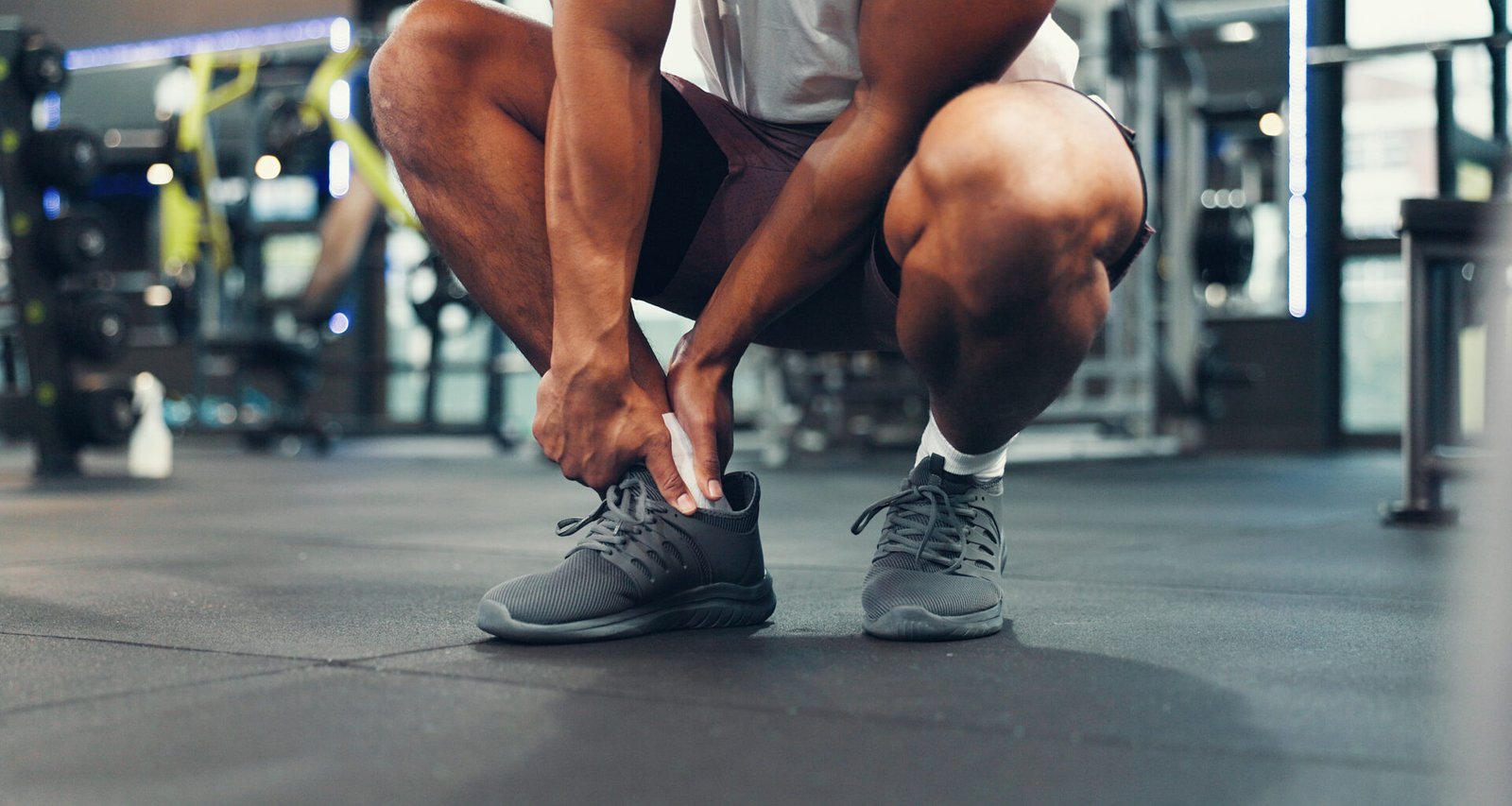
If your feet hurt after workouts, you are not alone. Soreness after exercise is a common topic in fitness writing. It can affect beginners and experienced exercisers alike. Feet support body weight, absorb impact, and adjust to changes in direction and surface. This article looks at everyday factors often discussed, such as footwear, training changes, and recovery habits. It also looks at signs that suggest a prompt check by a qualified professional.
Your Shoes May Not Be Right
Wearing shoes that do not fit well is a common topic in discussions about why feet hurt after workouts. Shoes that are too tight can press on the toes and the sides of the feet. Shoes that are too loose can let the foot slide inside the shoe. That sliding can lead to rubbing. A poor fit can also change the way a person walks or runs, even in small ways.
Support and cushioning are also discussed often. Shoes lose cushioning with use over time. A pair used for daily walking may feel different from a pair used for running or court sports. Checking whether shoes still feel even and comfortable, and whether wear on the soles looks uneven, is a simple general habit.
Socks and Laces Can Make a Difference
Socks and laces are small details, but they are part of fit. Thick socks can change how a shoe feels. Thin socks can change it in the other direction. Socks that bunch up can create folds that press on the skin. Laces that are very tight can press on the top of the foot. Laces that are very loose can let the heel slip. Trying shoes with the socks usually worn for training can give a clearer sense of fit.
You Increased Intensity Too Quickly
Doing too much too soon is another common topic. A sudden increase in distance, time, or intensity can add load to the feet. Running, jumping, and other high-impact activities add repeated impact. The body often needs time to adjust to a new level of training.
When feet hurt after workouts, gradual change is often discussed as a general principle. That can mean adding a little at a time, rather than a large jump in one week. It can also mean mixing harder days with easier days. Rest days are part of many training plans. They give the feet and the rest of the body time between hard sessions.
Surfaces Change the Load on Your Feet
The surface underfoot can change how a workout feels when feet hurt after workouts. Hard surfaces, such as concrete, are often described as firm underfoot. Softer surfaces, such as grass or a track, can feel different. Uneven ground can ask the feet and ankles to adjust more with each step. A change of surface can matter as much as a change of distance.
Moving from a treadmill to outdoor paths, or from a gym floor to a trail, is a change to note. Footwear that feels fine on one surface may feel different on another. Noting the surface, along with distance and time, can help a person see patterns over time.
Tight Muscles Are Putting Pressure on Your Feet
Tight calves and ankles are often mentioned alongside sore feet. These areas support movement during walking, running, and jumping. When they feel tight, movement can feel less smooth. That stiffness is a general topic in fitness writing, not a diagnosis for any reader.
Gentle stretching is often described in general terms after training. Examples in general fitness writing include slow calf stretches and ankle circles. The points often repeated are slow movement and a comfortable range. Any movement that feels sharp or wrong is a reason to stop and reassess, in general terms. For related general information, see knee strengthening exercises.
Warming Up and Cooling Down in General Terms
A warm-up is often described as light movement before a workout. Examples include easy walking and gentle leg movement. The general idea is to move from rest to activity in steps, rather than starting at full effort. A cool-down is often described in similar general terms, as slower movement after a workout.
Warm-ups and cool-downs are general training topics, not medical steps. They are often linked in fitness writing to general comfort during and after training. Keeping them short and easy is a common description. For related general information about movement, see lower back exercises.
You Are Not Recovering Properly
Recovery is often overlooked in training discussions. Feet take a lot of impact during many workouts. Without enough rest between sessions, soreness can linger. Sleep, rest days, and lighter sessions are often discussed as parts of general recovery.
Built Up Pressure and Fatigue
Over a long session, or over several hard days, feet can feel tired. That tired feeling can be more noticeable at the end of a workout. A training note that lists distance, surface, shoes, and rest can help a person notice patterns over time.
Structural Issues Like Bunions
Foot shape and alignment are often discussed in general terms. Differences in foot shape can change where pressure falls during a workout. Bunions are one example often mentioned in general writing. They can change how a shoe fits. That fit change can add to discomfort in general discussion.
You Are Ignoring Skin and Surface Issues
Skin issues are another everyday topic. Calluses can build up over time. They can create pressure points. Blisters can form where skin rubs against a shoe or sock. Keeping feet clean and dry, and checking shoes for rough seams, are general habits often mentioned.
When Your Feet Hurt After Workouts: Getting Checked Promptly
General fitness writing draws a line between everyday soreness and signs that need prompt attention. Pain that does not settle, pain that keeps coming back, or pain that gets worse over time is often listed as a reason to seek a prompt professional check.
- Pain that does not settle after rest.
- Swelling, bruising, or a change in foot shape.
- Numbness, tingling, or weakness.
- Pain after an injury, such as a twist or a fall.
- Trouble bearing weight or walking normally.
- Pain in only one foot that is new and persistent.
If any of these signs are present, a qualified professional can assess the foot in person. That assessment is outside the scope of general information. Do not wait for a pattern to become clear if walking is difficult or pain follows an injury.
Taking Control of Your Recovery
Small, general habits are often at the center of these discussions. Check shoe fit. Note socks and laces. Change training load gradually. Note surfaces. Allow rest between hard sessions. Keep warm-ups and cool-downs easy and general.
None of these points is a promise of relief. They are general topics to consider and discuss with a qualified professional when needed. A short note after each workout, covering shoes, surface, distance, and how feet felt, can make patterns easier to see over time.
General Information Disclaimer
This article is for general information only. It is not medical advice. It does not replace professional assessment. If foot pain is persistent, worsens, or follows an injury, seek assessment by a qualified professional promptly.

 Ablaze Fitness