


Searching for yoga classes near me usually takes about thirty seconds. Choosing the right one takes a little longer, and it is worth the extra few minutes. Two classes with the word yoga on the door can feel completely different: one is slow, quiet, and mostly done lying down, while the other is a fast, heated workout that leaves your shirt soaked. Neither is better. They are simply built for different people and different goals.
This guide walks through the main styles you will see on a local schedule, how to find classes in your area, what the differences in price and class size actually mean, and what to expect when you walk into your first session. By the end, you should be able to look at any timetable and know, within a class or two, whether it fits you. Then you can book your first class with confidence.
The Main Yoga Styles Behind Yoga Classes Near Me
Most local schedules use the same handful of style names. The names are not perfectly standardized, and one studio’s vinyasa may be gentler than another studio’s hatha. Nevertheless, the descriptions below are a reliable starting point.
Hatha is the umbrella term for physical yoga, and on a schedule it usually means a slower, foundational class. Poses are held for several breaths, the teacher explains alignment in detail, and there is time to actually learn what each shape is supposed to feel like. It suits beginners and anyone who prefers a steady pace.
Vinyasa links movement to breath, flowing from one pose into the next in sequences that build heat as they go. Classes vary widely in speed and difficulty, and teachers often offer modifications. It suits people who get restless holding still and who want a moderate workout with their stretch.
Yin is slow in a different way. Poses are mostly seated or lying down and are held for several minutes at a time, targeting the deeper connective tissues around the hips, pelvis, and spine. It is quiet and meditative, and it can feel surprisingly intense in a still kind of way. It suits people who want deep stretching and a calmer nervous system.
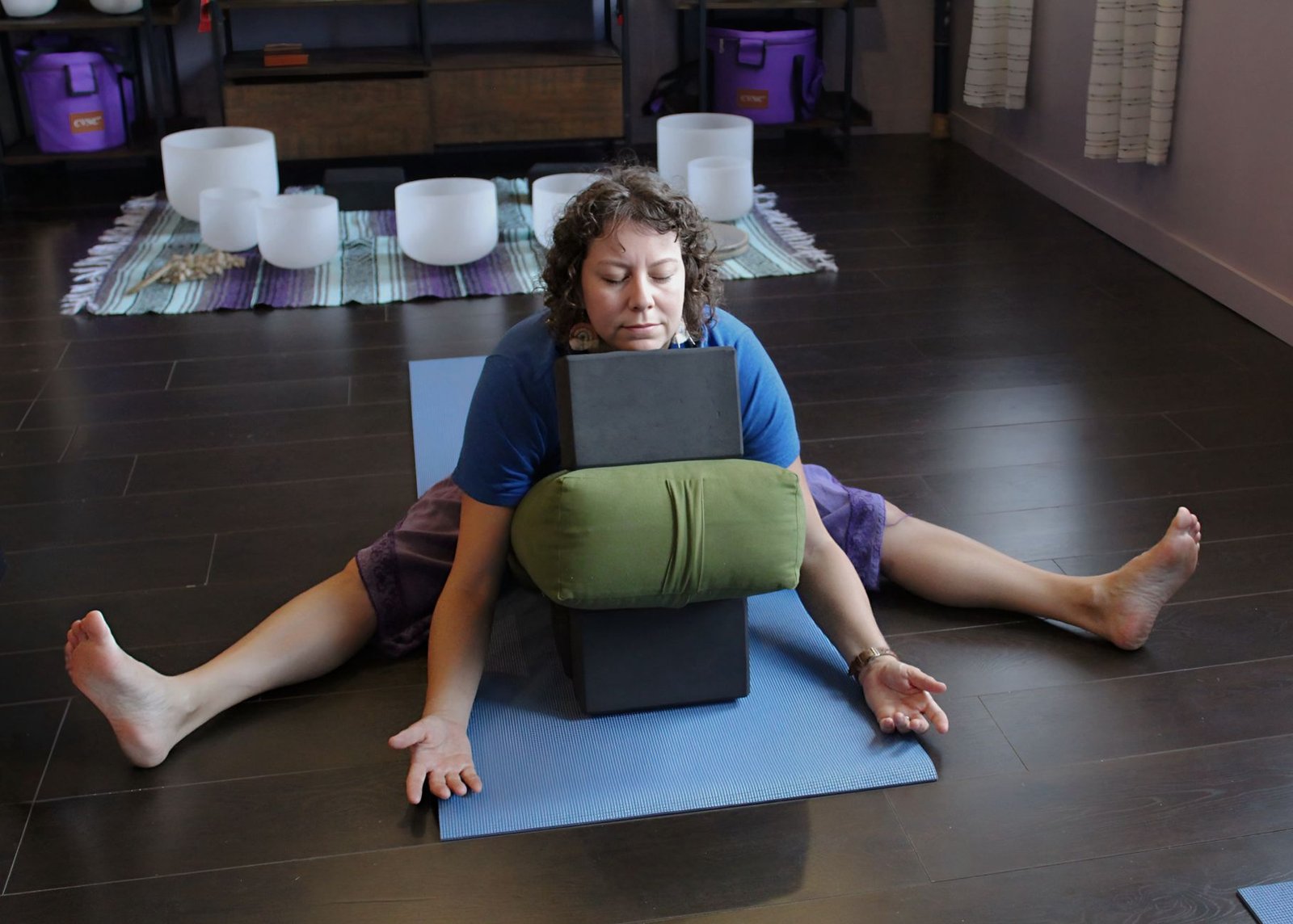
Restorative yoga is about rest, not effort. Props such as bolsters, blankets, and blocks support the body in a handful of poses held for ten minutes or more. A good restorative class leaves you feeling like you have had a nap. It suits people who are tired, stressed, recovering, or simply in need of genuine downtime.
Hot, Power, and Gentle Yoga Styles
Hot yoga takes place in a heated room, commonly around 35 to 40 degrees Celsius (95 to 105 degrees Fahrenheit). The heat makes muscles feel looser and makes the class considerably harder work for the heart. It suits people who enjoy intensity and sweating, and it is not the best first class if heat bothers you or you have a condition affected by heat.
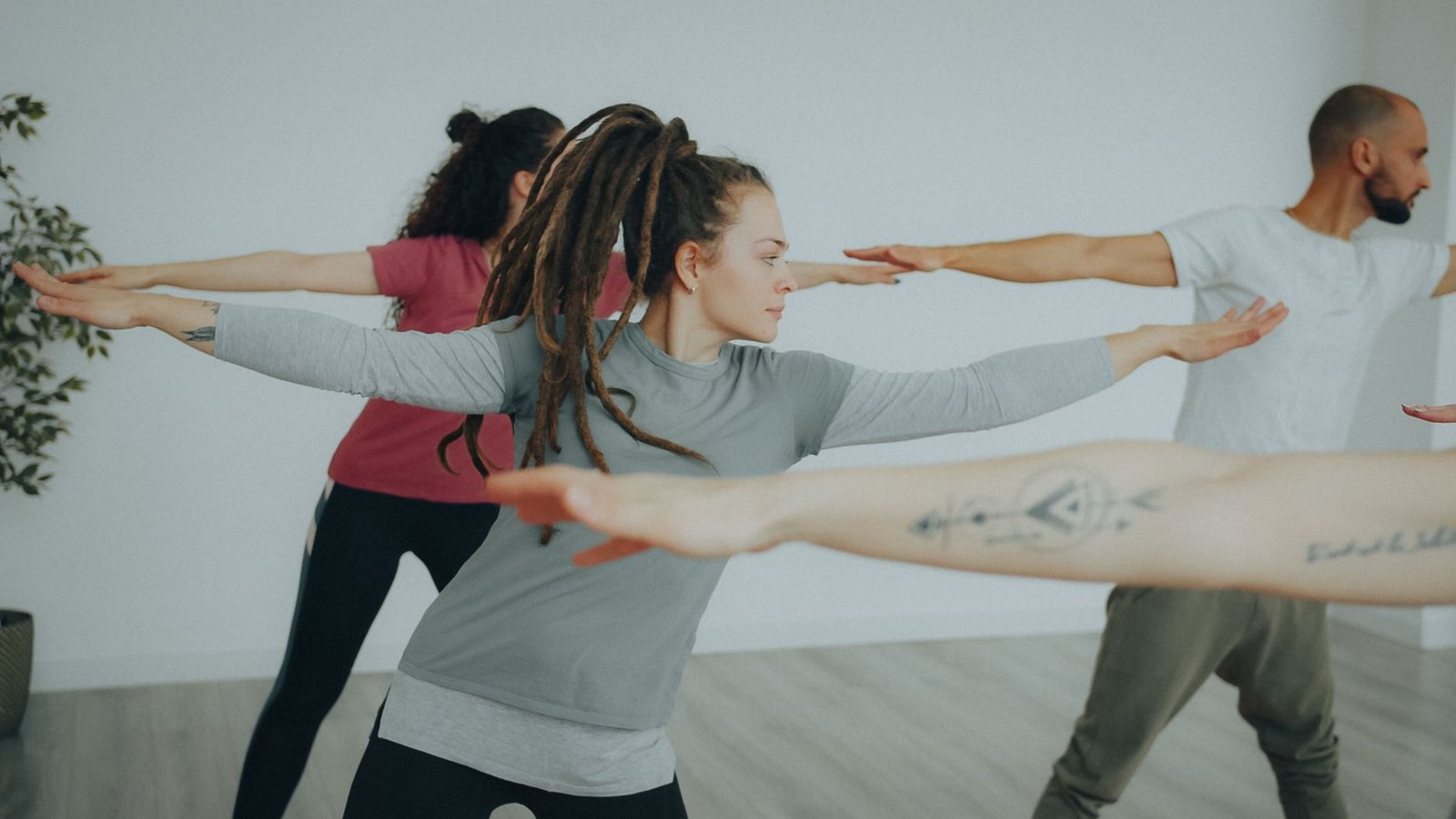
Power yoga is the most athletic style on most schedules. Expect faster flows, longer holds in strength based poses, core work, and sometimes light weights. It suits people who want yoga to be their main workout.
Gentle and chair based options remove the hardest parts of a standard class. Gentle yoga avoids deep ranges and floor transitions, while chair yoga uses a chair for support or as the seat for the whole practice. Our guide to chair yoga walks through how a supported practice works and who it helps most. These classes suit beginners, older adults, people returning after injury, and anyone who wants the benefits of yoga without getting up and down from the floor.
| Style | Pace | Heat | Strength vs relaxation | Best suited to |
|---|---|---|---|---|
| Hatha | Slow to moderate | Room temperature | Balanced | Beginners, technique learners |
| Vinyasa | Moderate to fast | Room temperature, body heat builds | Slightly strength leaning | People who like movement and variety |
| Yin | Very slow, long holds | Room temperature | Relaxation leaning | Deep stretching, stress relief |
| Restorative | Very slow, fully supported | Room temperature | Almost entirely relaxation | Rest, recovery, burnout |
| Hot yoga | Moderate to fast | Heated room | Strength and cardio leaning | Heat lovers, intensity seekers |
| Power yoga | Fast | Room temperature or warm | Mostly strength | Fitness focused practitioners |
| Gentle and chair | Slow | Room temperature | Relaxation leaning | Beginners, seniors, limited mobility |
How to Find Yoga Classes Near Me
Good classes are often closer than the first search results suggest. Dedicated studios are the obvious starting point. However, they are not the only option, and sometimes not the best one for a beginner.
Studios offer the widest range of styles and the most experienced teachers. Most run an introductory deal for new students. Gyms and leisure centers include yoga in standard memberships. That makes them the cheapest route if you already belong. It is also cheap if you plan to use the other facilities. Community centers, libraries, and places of worship frequently host low cost weekly classes. These rarely show up in glossy search results. Check notice boards and local council or parks department listings. Outdoor and donation based classes run in parks and on beaches in warmer months. They run in many cities across the US, UK, Canada, and Australia. They are often pay what you can.
Search Tactics for Finding Yoga Classes
A few search tactics make the hunt easier:
- Search the style as well as the word yoga. “Yin yoga” plus your neighborhood will surface small studios that a generic search buries.
- Read the class description, not just the name. Words like gentle, foundations, levels 1 to 2, or beginner friendly in the listing matter more than the style label.
- Use the intro offer properly. Most studios sell a cheap first week or first month. Treat it as an audition period and try at least three different teachers or styles before deciding.
- Check the timetable against your real life. The best class is the one at a time and place you will actually attend every week.
- Ask locally. Community groups, parent groups, and workplace chats often know which teachers are patient with beginners and which classes are secretly advanced.
What to Compare When Yoga Classes Near Me Differ
Next, once you have two or three candidates, compare them on the things that decide whether you will still be going in three months.
Teacher training and experience. Most reputable teachers hold a 200 hour or 500 hour yoga teacher training certificate. Many are registered with a professional body. More important than the certificate is experience with people like you. A teacher who regularly works with beginners, older adults, or injuries will pace and cue very differently. Their style differs from a teacher who works with athletes. Good studios list teacher bios openly. If a studio will not say who is teaching or what training they hold, that is information in itself.
Class size. A class of eight gives the teacher time to watch your alignment and offer adjustments. A class of forty can be energetic and fun, but nobody will notice if your knee is unhappy in a lunge. For your first few months, smaller is usually better.
Honesty in the listing. Trustworthy schedules describe the class plainly: who it is for, how strong it is, whether props are provided, and whether beginners are welcome. Be cautious with listings that promise transformation, detoxing, or dramatic weight loss. Yoga can support general fitness and wellbeing, but a class sold on miracle language is usually a sales funnel, not a practice.
Yoga Class Prices, Length and Booking
Price models. Most local yoga falls into one of three shapes. A drop-in class commonly costs about $15 to $30 in the US. Big city studios sit at the higher end. Community classes cost far less. Class packs bundle five or ten sessions at a small discount and usually expire within a few months. Memberships charge monthly and make sense only once you attend at least twice a week. Gym based yoga is often included in a membership you may already have. Whichever model you choose, check the cancellation policy and whether unused pack classes roll over before you commit.
Class length and booking. Sessions typically run 45, 60, 75, or 90 minutes. The hour long class is the standard and a good default for beginners. Shorter lunchtime sessions tend to move faster. Longer classes usually include more breathing work and a longer relaxation at the end. Most studios now ask you to book ahead through an app or website. Popular evening classes can fill by midday. Book your first few classes rather than risk a wasted trip. Note the late cancellation window. Many studios charge for spots cancelled within a few hours of the start time.
Your First Yoga Class: What to Expect
Almost everyone feels slightly out of place in their first class. However, almost everyone is wrong about how noticeable they are. Teachers expect beginners and plan for them.
First, arrive ten to fifteen minutes early. Then you can check in, find the studio room, and set up your mat. That unhurried start also gives you time to watch how the room is arranged, see where regulars place their mats, and settle your breathing before the class begins.
Tell the teacher, before class starts, about anything relevant: an injury, a recent surgery, pregnancy, high or low blood pressure, or a joint that complains. You do not need to announce it to the room. A quiet word means the teacher can offer you safer versions of poses and will understand when you modify or skip something.
Pacing Yourself and Relaxing Afterwards
During the class, pace yourself. Child’s pose is always available, at any moment, for as long as you need it. Resting is part of the practice, and experienced students do it without a second thought. Nobody is scoring you, and the person on the next mat is busy with their own balance. If a pose hurts in a sharp or joint based way, come out of it. Stretching can feel intense; pain is a stop signal.
Finally, most classes end with a few minutes of lying still, often called savasana, while the teacher dims the lights and lets the room settle. New students sometimes find this the strangest part of the class and, a few weeks later, the part they would least want to skip. Afterward, it is completely normal to have more questions than you arrived with. A good teacher expects a short chat at the end and can then point you to the next class on the schedule that fits your level.
Choosing Yoga Classes Near Me by Goal
So, if you are deciding between styles, let your main goal point you to the right section of the timetable.
For flexibility, look at hatha, yin, and gentle classes, where poses are held long enough for tissues to respond. A regular class pairs well with short home sessions, and these simple stretches that improve flexibility are a good between class routine.
For strength, choose vinyasa, power, or hot yoga, where flows include repeated planks, lunges, and standing sequences. Expect honest muscle fatigue in the first weeks. That is normal and it fades as the movements become familiar.
For stress, restorative and yin classes are the strongest fit, and slower hatha classes with a long relaxation at the end are close behind. Research summarized by the National Center for Complementary and Integrative Health suggests yoga may help with stress management and aspects of mental health for some people, which matches what regular students report anecdotally. If stress is your main reason for starting, our overview of meditation and mindfulness for stress covers the mental side of the same habit.
Yoga for Back Comfort, Community and a Gentle Start
For back comfort, gentle hatha and restorative classes are the usual starting points, and the same NCCIH summary of yoga research notes that evidence suggests yoga may help relieve low back pain for some people. Treat that as a reason to try a class, not a promise. Tell the teacher about your back before class, avoid any pose that produces sharp or radiating pain, and check with your own clinician if you have a diagnosed condition.
For community, pick a regular weekly class at the same time and place rather than dropping into different sessions. Familiar faces are how a class becomes a habit and then a social fixture. In particular, smaller studios and community center classes tend to build the strongest local feel.
For a gentle start generally, chair and gentle classes are excellent on ramps, and they overlap with other low impact workouts for beginners if you want variety while you build confidence.
Red Flags Worth Walking Away From
Most local yoga is welcoming and well taught. However, a few warning signs are worth taking seriously:
- Pressure sales. A hard push to buy a long membership after your first class, especially with today only pricing, is a sales culture, not a teaching culture.
- Teachers who push students into poses. A teacher should offer adjustments and options, never force your body deeper into a shape or insist you push through pain.
- No beginner pathway. If every class is described as all levels but moves at an advanced pace with no modifications offered, beginners are not actually being served.
- Pain treated as progress. Soreness the next day is normal. Being told that sharp pain, dizziness, or numbness is just part of it is not.
- Hidden costs. Booking fees, mat rental charges, and pack expiry rules should all be visible before you pay, not discovered afterward.
Frequently Asked Questions About Yoga Classes Near Me
How do I find yoga classes near me that suit complete beginners?
Search for beginner, foundations, or gentle in the class title or description, and favor studios with a stated beginner pathway or an intro series. Community center classes and slower hatha sessions are reliably beginner friendly. Call or message the studio before your first visit; how they answer a beginner’s question tells you a lot about the class.
How much do yoga classes near me usually cost?
A single drop-in class commonly costs about $15 to $30 in the US, less for community and gym based classes and more at premium city studios. Class packs lower the per class price slightly, and memberships suit people attending at least twice a week. Intro offers are usually the cheapest way to test a studio.
What should I bring to my first yoga class?
Bring water, a mat if you own one (most studios rent or lend them), and clothing you can stretch in. Studios provide props like blocks and blankets. Leave valuables at home where you can, and arrive early enough to settle in without rushing.
Yoga for Stiff Beginners, Practice Frequency and Hot Yoga Safety
Which yoga style is best if I am not flexible?
Flexibility is an outcome of practice, not an entry requirement. Hatha, gentle, yin, and chair based classes all work well for stiff beginners because they move slowly and use props for support. You never need to touch your toes to start.
How often should I go to see a difference?
One class a week is enough to notice changes in how you move and sleep within a few weeks for many people, and two or three sessions a week usually brings faster progress in strength and flexibility. Consistency over months matters far more than intensity in any single week.
Is hot yoga safe for beginners?
It can be, for healthy adults who tolerate heat well, but it is the hardest environment to learn in and it is sensible to try a few room temperature classes first. Drink water, rest whenever you need to, and skip heated classes entirely if you are pregnant or have a condition affected by heat unless your clinician says otherwise.
A Final Word
The search for yoga classes near me ends quickly; the real decision is which room, which teacher, and which style you will still enjoy in three months. Start with the style that matches your goal, use an intro offer to test more than one teacher, and judge the class by how you feel the next day rather than how impressive the poses looked. A modest class you attend every week will do more for you than a perfect class you visit twice. If you are also weighing up studio Pilates, our guide to pilates classes near me shows how to compare those classes before you book.
This article is general information only and is not medical advice. If you have an injury, a medical condition, or are pregnant, talk with your own care provider about which styles and poses are appropriate for you before starting.

 Ablaze Fitness


 Mélanie Courcelles


