

The best home gym equipment for beginners is not a room full of machines. It is a small set of pieces that lets you train your whole body, in a space you already have, for a price you can defend. A good home gym starts with a mat, a pair of weights, and a plan. A bad home gym starts with a big order, a full garage, and no idea what to do first. So use this guide before you spend a cent.
If you want to get stronger, move more, and train at home, the best home gym equipment can help. However, no piece of kit will train for you. It is a tool for building a habit, not a shortcut. In this guide, you will learn what counts as home gym equipment, what it can and cannot do, and which nine pieces are worth your money first. You will also learn a simple buying order that fits a small budget and a small room.
What Is Home Gym Equipment for Beginners?
Home gym equipment for beginners means simple, sturdy kit that helps you do basic strength and cardio moves at home. It can be as small as a mat and a pair of dumbbells, or as big as a rack and a bench. Most beginners need only the small end of that range. The goal is not to copy a gym. The goal is to train your legs, chest, back, arms, and core with moves you can learn in a week.
Space matters more than choice. Measure the floor you can clear, then pick kit that fits that space and folds away if you need it to. A spare corner of 2 metres by 2 metres, about 6.5 feet by 6.5 feet, is enough for most of the pieces in this guide. A garage or a spare room gives you more room, yet a flat with a living room floor can work just as well. Start with the space you have, not the space you wish you had.
Beginners do best with kit that is easy to learn, easy to store, and hard to break. A dumbbell is simple to hold, a band is simple to pull, and a mat is simple to roll out. Complex machines can wait until you know which moves you enjoy. In addition, simple kit costs less, so a wrong pick hurts less. That is why the nine pieces below are all simple, proven, and cheap to start with.
What the Best Home Gym Equipment Can and Cannot Do
The best home gym equipment can build real strength, if you use it with a plan. Two or three short sessions a week can build muscle, bone, and balance over months. The Mayo Clinic explains that strength training can build muscle, protect bones, and help with weight control, and those gains come from steady work, not from fancy kit. A simple set of weights, used twice a week, can change how you move and feel. That is the honest promise of home kit.
Home kit cannot do the work for you, and it cannot fix a poor diet or poor sleep on its own. It cannot replace a coach who watches your form, or a doctor who knows your health. It also cannot turn a single workout into lasting change. For example, a dumbbell will not build muscle if it sits in a corner. So use your kit with a plan, a routine, and patience, and judge it by months, not days.
Set fair goals for your first three months. Aim for two strength sessions a week, with a rest day between them. Aim to add a little weight or a few more reps each week, not to double your load in a day. Keep a short note of what you lift, so you can see progress. In addition, walk daily and sleep well, because strength grows between sessions, not during them. That steady pace is how beginners win.
The 9 Pieces of Best Home Gym Equipment for Beginners
These nine pieces cover strength, cardio, balance, and recovery. Each one earns its place by doing more than one job, and each one costs less than a month of most gym fees. Buy them in order, one at a time, and learn each piece before you buy the next. That slow pace keeps your home gym useful, not cluttered. The best home gym equipment is the kit you actually use, week after week.
1. Adjustable Dumbbells
Adjustable dumbbells are the first piece to buy, because one pair can replace a whole rack. You can change the weight in seconds, so one pair can serve squats, presses, rows, and curls. Start with a pair that goes from about 2 kg to 10 kg, or 5 lb to 22 lb, and add weight as you get stronger. Check that the lock feels firm, and that the handle fits your hand. A good pair should last for years.
Use dumbbells for goblet squats, chest presses, rows, and shoulder presses. Start light, learn the move, then add weight. Two sessions a week is enough to start. In addition, keep them on a mat or a rack, not on bare floor, so they do not roll or mark the floor. That small care keeps your home safe and your kit in good shape.
2. Resistance Bands
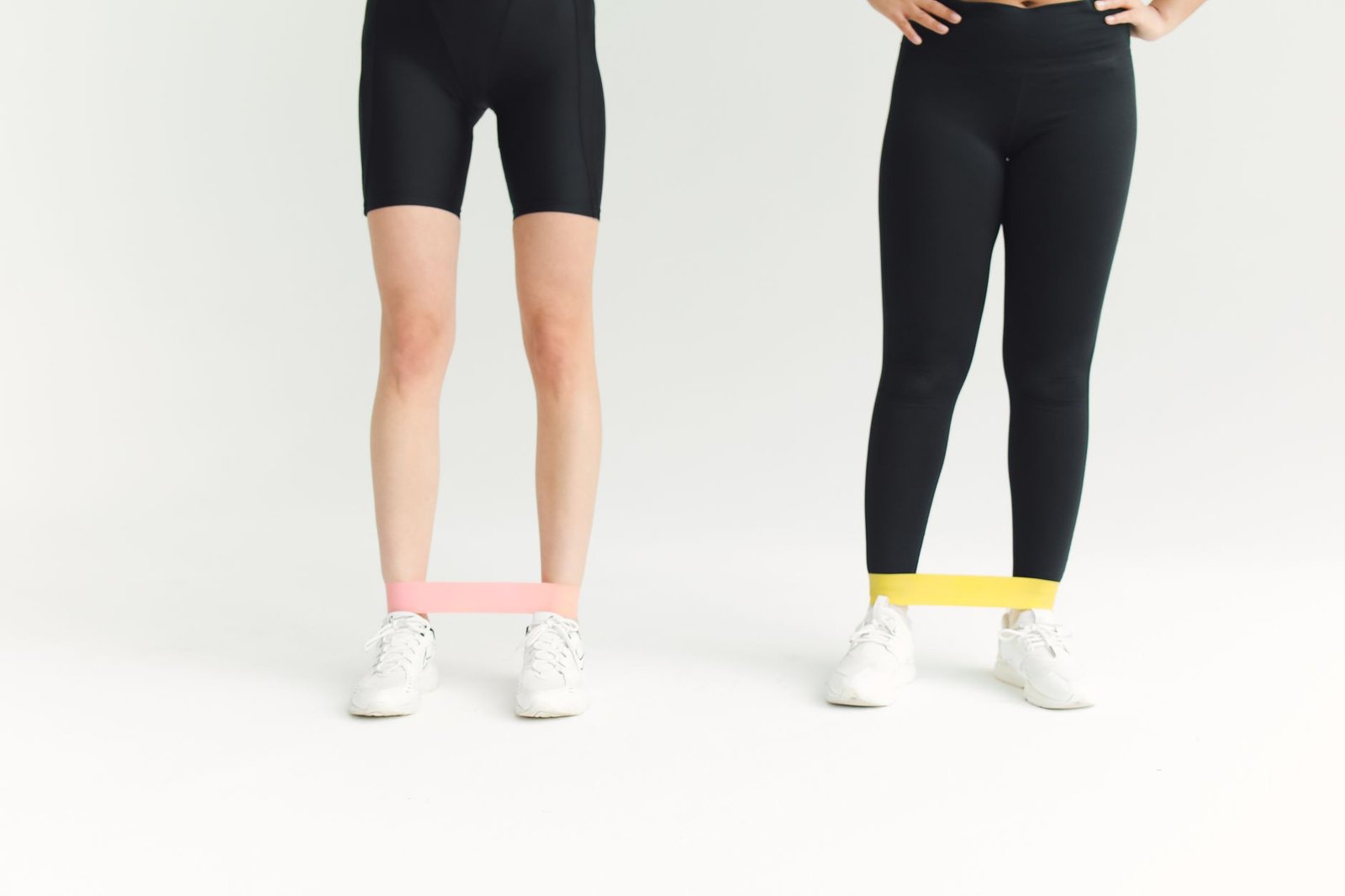
Resistance bands are light, cheap, and easy to store, and they train muscles in a way weights cannot. A band pulls harder as you stretch it, so the top of a move feels harder than the start. That makes bands great for glutes, shoulders, and rehab style moves. Buy a set with three levels, light, medium, and heavy, and check the handles and anchors before each use. A band that snaps is a band that needs to be replaced.
Use bands for pull aparts, lateral walks, glute bridges, and assisted rows. They are also handy for warm ups, because they wake up small muscles before a lift. Keep bands out of sun and away from sharp edges, and store them flat or coiled. That care keeps them safe for months. The best home gym equipment often includes bands, because they add so much for so little money.
3. Exercise Mat
An exercise mat protects your knees, your back, and your floor. It gives you grip for planks, lunges, and stretches, and it marks your training space in a small room. Pick a mat that is at least 6 mm thick, about a quarter of an inch, and long enough for your body when you lie down. A mat that slips is a mat you will not use. So test the grip with damp hands before you buy, if you can.
Use your mat for warm ups, core work, stretching, and cool downs. It is also the base for your dumbbells and bands, so they do not slide on a hard floor. Roll it up after each session and store it upright, so it keeps its shape. A clean mat lasts longer, so wipe it down once a week. That small habit keeps your home gym fresh and ready.
4. Kettlebell
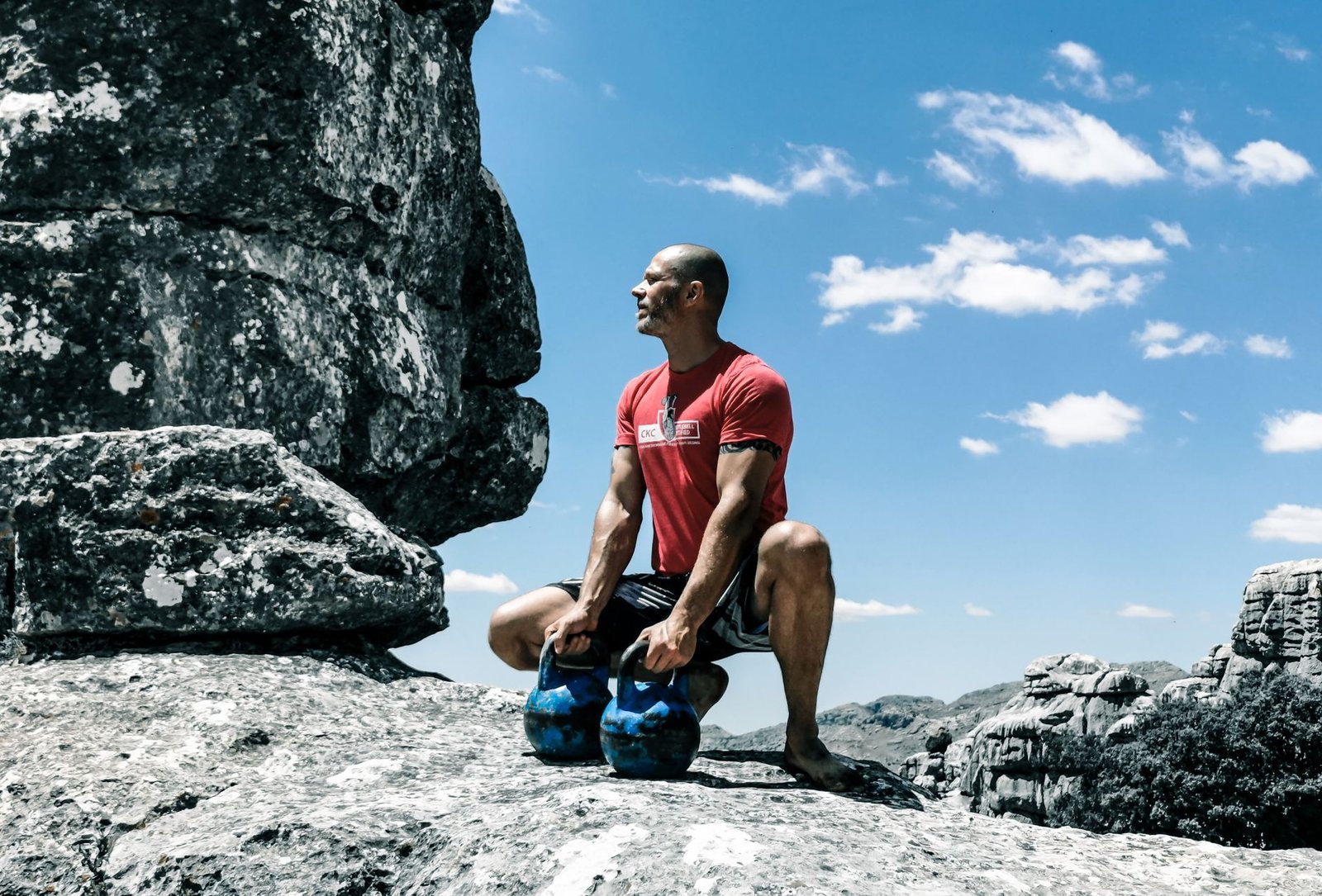
A kettlebell is a ball with a handle, and it trains power, grip, and core in one move. Swings, goblet squats, and deadlifts are the first moves to learn. Start with one bell of about 8 kg for most women and 12 kg for most men, or 18 lb and 26 lb, and learn the swing with a coach or a good video first. A bell that is too heavy will pull your back out of line. So start light, and let your form lead.
Use a kettlebell twice a week, for short sets of swings and squats. Keep your back flat, your core tight, and your feet planted. Rest a minute between sets, and stop when your form slips. That care keeps a powerful tool safe. The best home gym equipment often starts with one bell, because it does so many jobs.
5. Stability Ball
A stability ball, also called a Swiss ball, trains balance and core with simple moves. Sit on it for wall squats, lie on it for crunches, or rest your feet on it for planks. Pick a ball that fits your height, so your knees bend at a right angle when you sit on it. A ball that is too big or too small will throw your form off. So check the size chart before you buy.
Use the ball for core work, stretching, and balance drills. It is also a handy seat for desk work between sets, if you want to sit upright. Keep it away from sharp edges, and inflate it firm, not hard. That care keeps it safe for years. A ball costs little, yet it adds a new challenge to moves you already know.
6. Jump Rope
A jump rope is the cheapest cardio in this guide, and it fits in a drawer. Ten minutes of skipping can lift your heart rate, train your calves, and build coordination. Start with a rope that reaches your armpits when you stand on its middle. Jump on a mat or a soft floor, not on concrete, and wear shoes with grip. That care keeps your knees and your rope in good shape.
Use the rope for short bursts, such as 30 seconds on and 30 seconds off, for five rounds. Keep your elbows low, your jumps small, and your pace calm. If you want to hold a steady pace, our guide to zone 2 heart rate by age can help you find it. Skip on rest days for light cardio, or after a strength session for a finisher. That mix keeps your training fresh.
7. Pull-Up Bar
A pull-up bar trains your back, arms, and grip with your own body weight. A doorway bar needs no screws, and it fits most standard frames. Check your door frame first, and test the bar with a firm hang before you trust it. If you cannot do a pull up yet, use the bar for hangs, knee raises, and assisted pulls with a band. That slow start builds the strength you need.
Use the bar for dead hangs, scapular pulls, and knee raises. A dead hang of 20 to 30 seconds can open your shoulders and build grip. Keep your core tight, and do not swing. If your door frame is weak, skip this piece and use bands for rows instead. That choice keeps your home and your body safe.
8. Adjustable Bench
An adjustable bench turns your dumbbells into a full upper body gym. Flat, incline, and decline angles let you press, row, and fly with good form. Pick a bench that holds your weight plus your dumbbells, and check that it locks firm at each angle. A bench that wobbles is a bench you should not use. So test it in the shop, or read the weight limit before you buy.
Use the bench for chest presses, rows, step ups, and hip thrusts. Fold it flat and store it upright when you need the floor back. A bench takes more space than the other pieces here, so buy it last, once you know you will use it. That order keeps your home gym lean. The best home gym equipment earns its floor space, and a bench earns it only if you press on it twice a week.
9. Foam Roller
A foam roller is a recovery tool, not a workout piece, yet it belongs in every home gym. Roll your quads, calves, and upper back for a minute each, after a session or on a rest day. Keep the pressure light, breathe slow, and stop if you feel sharp pain. Our foam rolling guide shows the basic moves and the spots to avoid. A roller costs little, and it can ease the soreness that stops beginners from training twice a week.
Use the roller for five minutes after each session. Roll slow, pause on tight spots, and breathe through them. Do not roll your lower back, your neck, or a joint. That care keeps a simple tool safe. In addition, a roller doubles as a balance aid for core work, so it earns its place twice.
How to Choose the Best Home Gym Equipment on a Budget
Choose kit by your goal, your space, and your budget, in that order. Strength calls for dumbbells and a bench. Cardio needs only a rope and a mat. Calm movement works well with a ball and a mat. The best home gym equipment fits your goal first, and your room second. Price comes third, because cheap kit you never use is the dearest kit of all.
Set a budget before you shop, and buy in the order of this guide. A starter set of mat, bands, and dumbbells can cost less than 100 pounds or dollars, and it covers most moves. If you want indoor walking too, our guide to the best walking pad can help you pick one that fits your space and budget. Noise matters in a flat, so test bands and a rope before you buy a heavy bell. That care keeps your neighbours happy and your training steady.
Check build quality before you buy. Look for solid welds, firm locks, and a weight limit that clears your body weight. Read reviews from real buyers, and avoid kit with no weight limit listed. In addition, check the return policy, so a wrong pick can go back. That care costs nothing, yet it saves money and stress. Buy once, buy well, and add pieces only when you use the ones you have.
What to Buy First With the Best Home Gym Equipment
Buy in three small phases, and let each phase prove itself. Phase one is a mat and a set of bands. That pair costs little, and it lets you learn squats, rows, and core work. Train with it for two weeks. If you show up twice a week, move to phase two.
Phase two is a pair of adjustable dumbbells and a kettlebell. That pair adds real load to your legs, chest, and back. Train with them for a month, and add weight when your last two reps feel easy. Our guide to the best fitness tracker can help you see your steps, sleep, and heart rate as you train. If you sweat a lot, our electrolytes guide explains what to drink and when.
Phase three is a bench, a pull-up bar, and a foam roller. Add them only when you train twice a week without fail. For indoor walking on rest days, read our walking pad beginner guide. That slow build keeps your spend low and your habit strong. The best home gym equipment grows with you, one phase at a time.
Common Mistakes With the Best Home Gym Equipment
- Buying everything at once, then training twice and stopping.
- Skipping the warm up, then blaming the kit for sore joints.
- Lifting too heavy, too soon, with poor form.
- Buying a machine first, before you know which moves you like.
- Storing kit in a damp garage, where metal rusts and bands crack.
- Training every day, then burning out in week two.
Fix these by buying slow, warming up, and starting light. Add weight only when your form stays clean. Rest between sessions, and keep your kit dry. That care turns a pile of kit into a habit that lasts.
Best Home Gym Equipment for Beginners: Your Questions Answered
Do I need a lot of space for a home gym? No. A corner of 2 metres by 2 metres, about 6.5 feet by 6.5 feet, is enough for a mat, bands, and dumbbells. A bench and a rack need more room, so add them later.
How much should a beginner spend on home gym equipment? A starter set of mat, bands, and dumbbells can cost less than 100 pounds or dollars. Add a kettlebell and a bench later, once you train twice a week. Spend on quality for the pieces you use most.
Can I build muscle with just dumbbells and bands? Yes, if you train twice a week and add load over time. Dumbbells and bands can train every major muscle. Eat well, sleep well, and add a little weight each week. That steady progress builds real muscle over months.
More Questions About the Best Home Gym Equipment for Beginners
What should I buy first if I can only afford one piece? Buy a pair of adjustable dumbbells. One pair can train your whole body, from squats to presses to rows. Add a mat next, then bands. The best home gym equipment starts with one good pair of weights.
Is a home gym better than a gym membership? It depends on you. A home gym saves travel time and suits people who train early or late. A gym suits people who want classes and company. If you train twice a week at home, a home gym can beat a membership you never use.
Start Small With the Best Home Gym Equipment
Start with a mat, bands, and dumbbells, and train twice a week for a month. Add one piece at a time, and only when you use the ones you have. In addition, walk daily and keep a short note of your lifts. That slow start is how a home gym becomes a habit.
This article shares general information only. It is not medical advice. Talk to your doctor before you start a new exercise program, especially if you have a health condition, an injury, or you take medicine that affects your heart, bones, or balance.

 Ablaze Fitness


 Mélanie Courcelles


