


Walking after meals is one of the smallest health habits you can build. It may also be one of the most effective. A gentle 10 to 15 minute walk once you finish eating helps your muscles use the glucose from your food. It also smooths out the energy dip that follows a big meal. And it quietly adds thousands of steps to your week. Cultures around the world have known some version of this for centuries. Think of the Italian evening stroll, or the old saying about walking 100 steps after a meal.
This guide explains what happens in your body after you eat. It also covers what the research actually found, and exactly when and how long to walk. You will also learn which meal walk matters most. And you will see what this habit can and cannot do for weight loss. It also shows how to stack three short walks into a full day of movement. You can do it without ever scheduling a workout.
What Happens in Your Body After a Meal
To understand why this habit works, it helps to know what a meal does to your blood sugar. When you eat, your digestive system breaks food down into glucose, which enters your bloodstream. Blood sugar therefore rises after every meal. It peaks somewhere around 30 to 90 minutes later depending on the meal. Then it falls as insulin moves the glucose into your cells.
Muscles change this picture in a useful way. Working muscles can pull glucose straight out of the blood to fuel themselves. They also need less insulin help to do it while they are active. So when you walk soon after eating, your leg muscles start using some of that incoming glucose. That glucose fuels the walk itself. As a result, the post-meal rise tends to be smaller and steadier. Many people also notice they feel alert rather than sleepy after lunch or dinner.
There is a second, quieter benefit. Long, unbroken sitting after meals is hard on circulation and metabolism, and modern days stack a lot of it together: desk, car, couch. A short walk breaks that chain at exactly the moment your body is busiest processing food.
What the Research Found on Walking After Meals and Blood Sugar
The best-known evidence comes from a study published in the journal Diabetes Care. Researchers worked with older adults who were at risk of glucose problems and compared two walking patterns across a day. On some days the participants took one longer walk, and on other days they took a 15 minute walk after each meal, starting soon after they finished eating.
In plain terms, the short post-meal walks did the heavy lifting. Walking after meals controlled the rise in blood sugar across the day. It worked at least as well as the single longer walk. The walk after dinner was especially effective. That is because the evening meal is often the largest, and the post-dinner hours are usually the most sedentary. The researchers pointed to timing as the key detail. The walk worked because the muscles were active while glucose from the meal was arriving.
Later Studies on Walking After Meals and Their Limits
Later studies have echoed the same pattern. Research on people with type 2 diabetes found that walking after meals was linked with better overall blood sugar control. This was particularly true after the main meal of the day. It beat walking at other times without a meal link. Other studies on breaking up sitting have found that even very short light walks make a difference. Walks as little as 2 to 5 minutes taken regularly after eating can help. They soften the glucose and insulin response compared with staying seated.
Two honest limits apply. First, most of these studies are small and short. So they show a real effect on post-meal glucose rather than proof of long-term outcomes. Second, the effect is a smoothing, not a cure or a treatment. It also does not replace medication or medical care for anyone managing a condition. Even with those limits, the direction of the evidence is consistent. And the cost of the habit is about as low as health advice gets.
When to Walk: How Soon After Eating and How Long
Timing is where most people go wrong, because they either wait too long or turn the walk into a workout. The research points to a simple window.
Start within about 15 to 30 minutes of finishing your meal. If you wait an hour or more, much of the glucose peak has already passed. Then the walk loses its special advantage, although it still counts as healthy movement. Most studies used walks that began soon after the meal ended. So treat the end of the meal as your starting signal: clear the plates, put on your shoes, and go.
Walk for 10 to 15 minutes at an easy to moderate pace. You should be able to hold a conversation the whole way, because this is a digestion walk, not training. On days when 10 minutes is impossible, a shorter walk still helps. So take 3 to 5 minutes rather than skipping entirely. Conversely, a full hour of hard walking right after a large meal is unnecessary and can feel unpleasant. So keep the effort gentle and the duration modest.
Pace matters less than timing, but a purposeful stroll beats a shuffle. Aim for the pace you would use when walking a dog that wants to get somewhere: relaxed, steady, and continuous.
Breakfast, Lunch, or Dinner: Which Walk Matters Most?
If you can only build one post-meal walk at first, make it the dinner walk. The evening meal is typically the largest of the day. Blood sugar control also naturally runs a little worse in the evening than in the morning. And the hours after dinner are the most sedentary for most people. That combination is exactly why the Diabetes Care study found the after-dinner walk so effective. An evening walk also tends to be the easiest to keep. Work is finished, and the route can double as a way to unwind.
The lunch walk runs a close second. It breaks up the longest sitting stretch of a working day, and many people find it removes the heavy, drowsy feeling that follows a midday meal. If your afternoons usually fade, test a 10 minute lunch walk for a week before you reach for more caffeine.
The breakfast walk matters most for people who train or do physical work later, and for anyone whose mornings are otherwise completely seated. It also sets a psychological tone: once you have moved after breakfast, the later walks feel easier to start. In an ideal day you walk after all three meals, but build them one at a time, starting with dinner, and let each one become automatic before adding the next.
Walking After Meals for Weight Loss: What It Can and Cannot Do
Let us be honest about the scale first. A gentle 10 to 15 minute walk burns a modest amount of energy, roughly a few dozen calories depending on your body weight and pace. Three walks a day might add up to something like 100 to 150 calories for many adults. That is meaningful over months, but it will not cancel out a large and regular calorie surplus, and no single habit can promise a smaller waist. To work out the exact burn for your own weight and pace, try our Calories Burned Calculator.
What this habit can do is more interesting than the raw burn. First, it attacks the exact moment when extra calories often sneak in, because a person out walking is not wandering back to the kitchen for seconds or dessert. Second, it steadies energy and reduces the post-meal slump that drives snacking later. Third, it builds daily movement volume, which is one of the strongest predictors of keeping lost weight off.
To see how these walks fit your actual numbers, run your details through our calorie calculator. If you want a structured week to pair with the walks, our 7-day diet plan for weight loss gives you the eating side while the walks handle the movement side. Together they cover the two halves of weight loss without extremes in either direction.
Set your expectations in months, not days. People who keep this habit usually notice better energy and digestion within the first week or two, while changes on the scale arrive slowly and unevenly, exactly as sustainable fat loss should.
Stack Your Walks Toward 8,000 to 10,000 Steps a Day
Here is the arithmetic that makes this habit powerful. A 10 to 15 minute walk at a comfortable pace covers roughly 1,000 to 1,500 steps. Do that after three meals and you have banked about 3,000 to 4,500 steps before counting anything else you do all day.
Add the ordinary steps of a normal routine, such as moving around your home, errands, and short walks at work, and the total climbs quickly. Many people who felt that 10,000 steps was an impossible target discover they only need about 3,000 extra purposeful steps once the meal walks are in place. If you want the full picture of what a daily step goal does for fat loss, our guide on whether walking 10,000 steps a day helps fat loss walks through the evidence and the realistic timelines.
This stacking approach also fixes the biggest weakness of step goals, which is the single long walk that life keeps cancelling. Meal walks are anchored to events that happen every day no matter what, so the habit survives busy weeks, bad weather days when you use a hallway or treadmill, and travel, because you always eat.
How to Make the Habit Stick
Start smaller than you think you need to. A daily 10 minute walk after dinner for two weeks beats an ambitious three-walk plan that collapses by Friday. Once the first walk feels automatic, add the lunch walk, then breakfast.
Prepare the environment in advance. Keep your walking shoes and a light jacket by the door you use after meals, choose a default route that takes about 10 to 15 minutes, and make that route the decision-free option. Routes that pass a park, a quiet street, or a loop around your block work well, because you never have to plan them.
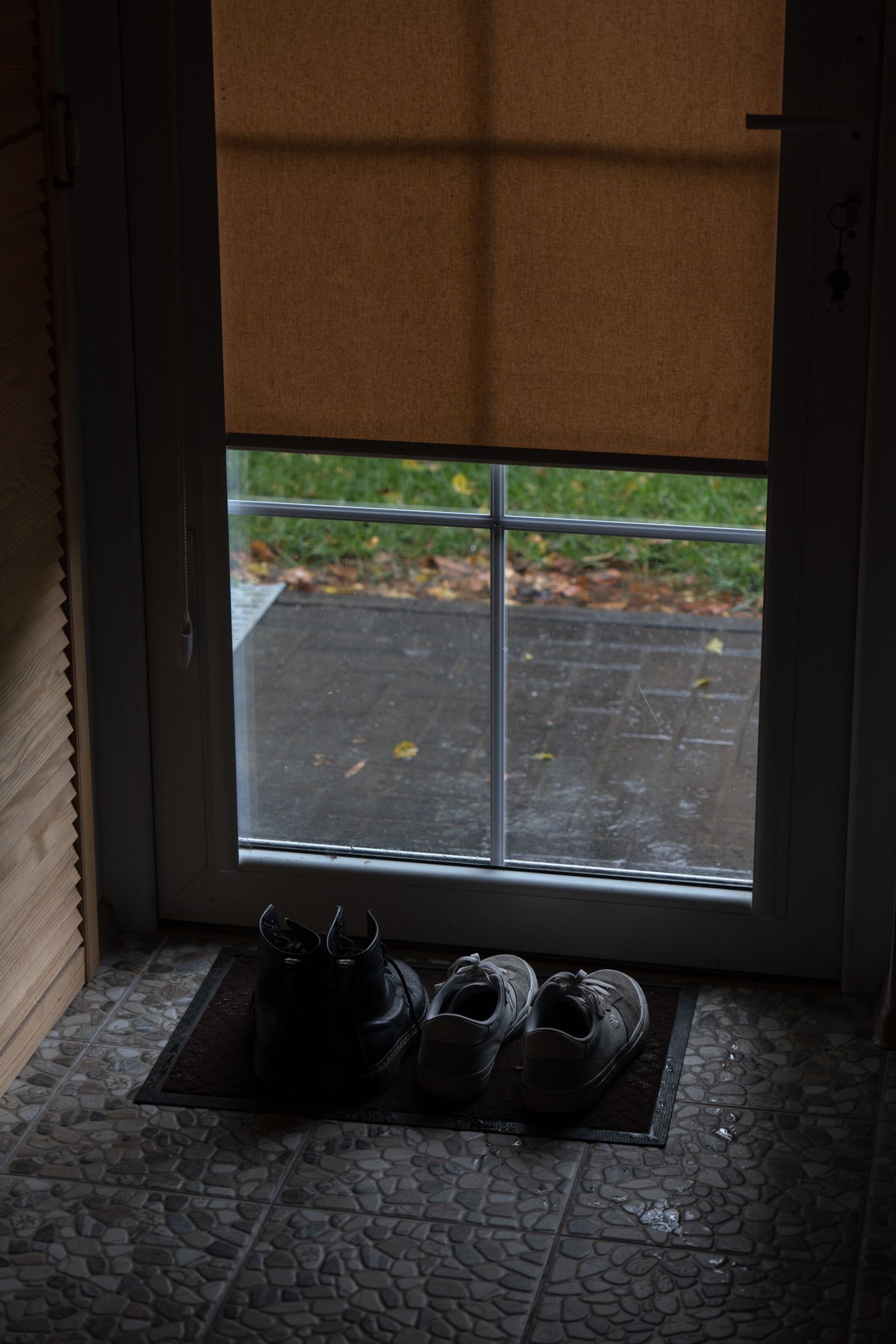
Attach the walk to company when you can. Walk with family, a partner, a neighbor, or the dog, or use the time for a phone call you enjoy. Many people find the after-dinner walk becomes protected conversation time, which protects the habit better than willpower does.

Finally, expect imperfect days. Travel, guests, illness, and deadlines will interrupt the streak. The rule that keeps the habit alive is simple: never miss twice in a row at the same meal, and restart with the very next meal rather than waiting for Monday.
Who Should Be Careful With Post-Meal Walks
For most healthy adults, a gentle walk after eating is safe and comfortable. A few situations deserve extra care or a conversation with a doctor first.
If you live with reflux or a digestive condition, vigorous exercise after meals can worsen symptoms. So keep the pace easy and the walk short, and note how you respond. If you take medication for diabetes, be aware that activity after meals changes how your body handles glucose. So discuss timing and monitoring with your care team rather than experimenting alone. Anyone with balance problems, foot issues, or mobility limits should choose flat, familiar routes. Use support where needed, and consider indoor walking instead.
Stop and seek medical advice if a walk brings chest pain, unusual breathlessness, dizziness, or sharp pain. Comfort is the guide here: the walk should leave you feeling better than when you sat down, not worse.
Frequently Asked Questions About Walking After Meals
Is it bad to walk right after eating?
No, as long as the walk is gentle. The old warning about exercise after meals applies to hard efforts, which pull blood and energy toward working muscles while you are trying to digest a large meal. An easy 10 to 15 minute stroll is a different thing entirely, and it is the pattern the research actually studied.
How long should I wait after eating before walking?
Very little time. Start within about 15 to 30 minutes of finishing your meal, because the benefit depends on your muscles being active while glucose from the meal is entering your blood. Waiting an hour or more means the peak has mostly passed.
Can walking after meals reduce belly fat?
It can contribute to overall fat loss over time by adding daily movement and steadying appetite, and belly fat shrinks as part of that overall loss. However, no habit targets fat from one area of the body, so treat any claim of spot reduction with suspicion and judge this habit by your total routine.
Sleep, Timing, and Sensitive Stomachs
Is an evening walk after dinner good for sleep?
For most people, yes. A gentle evening walk helps you feel pleasantly tired, supports digestion before bed, and replaces screen time. Keep it relaxed rather than brisk, and finish it at least a short while before you plan to sleep, so your body has time to wind down.
Should I walk before or after a meal for weight loss?
Both work, but they do different jobs. Walking after meals has the specific blood sugar advantage and is easier to schedule, because the meal itself is your reminder. Walking before a meal can curb appetite for some people. If you can only pick one anchor, pick after, because the timing benefit is unique to it.
What if walking after meals upsets my stomach?
Slow down and shorten the walk first, because pace is usually the problem. Try 5 gentle minutes and build up gradually, and leave a little more room between a very large or rich meal and your walk. If discomfort keeps happening, mention it to your doctor, since persistent symptoms after eating deserve a proper look.
The Bottom Line
Walking after meals works because of timing, not intensity. A gentle 10 to 15 minute walk, started soon after you finish eating, helps your muscles share the work of handling the glucose from your food, and three of those walks a day quietly build the daily step total that most people struggle to reach. Start with the dinner walk, keep the pace conversational, and let the habit stack up over weeks. Few health changes this small pay you back this consistently.
This article is general health and fitness information only and is not medical advice. Talk to a qualified professional about your own situation, especially if you manage a medical condition or take medication.

 Ablaze Fitness


