


Vibration plate exercises can make a short home workout feel fresh, fun, and a little strange at first. The plate moves fast under your feet, and your muscles switch on to keep you steady. So a simple squat can feel harder than it looks. In this guide, you will learn 10 beginner moves, safe settings, and a simple first week plan. You will also learn what a plate can and cannot do, so you can use it with clear eyes and real hope.
If you want a low impact way to add movement to your day, vibration plate exercises may fit your home routine. However, they work best as one part of a wider plan. They do not replace walking, strength work, or good sleep. For example, you can pair a short plate session with a daily walk and a simple stretch. In addition, you can build up slowly and stop if you feel pain, dizzy, or unwell. This guide keeps the focus on safe, steady progress.
What Are Vibration Plate Exercises?
Vibration plate exercises are moves you do while you stand, sit, or place your hands on a machine that shakes. The plate moves up and down, or side to side, many times each second. As a result, your muscles make small, quick adjustments to hold your posture. You can do squats, calf raises, lunges, and planks on the plate. In fact, most beginner moves are ones you already know, with the shake added as an extra challenge.
A vibration plate is a piece of home gym kit, not a magic fat loss tool. It can add a new stimulus to your legs, glutes, and core. However, the shake does not melt fat on its own. Your results will come from regular movement, good food, sleep, and time. So treat the plate as a useful tool, not a shortcut. That honest view helps you stay with it for weeks, not just days.
Most plates let you change the speed and the time. A low speed feels gentle and steady. A high speed feels strong and can tire you fast. For this reason, beginners should start low and short.
Try 30 seconds per move, with rest between moves. Then add time or speed only when your form stays good. If your knees shake too much, lower the speed or step off and rest.
What Does the Evidence Say About Vibration Plate Exercises?
Research on whole body vibration is mixed, and that matters. Some small studies show gains in leg strength, balance, and bone health in older adults. Other studies show only small gains, or no clear gain over the same moves done on the floor. As a result, experts do not call the plate a must have tool. They see it as a possible extra, mainly for people who find other training hard to start.
The Mayo Clinic notes that whole body vibration may offer some fitness and health benefits, yet it also warns that the evidence is limited and that more research is needed. So use the plate to support your training, not to replace it. If you have a health condition, ask your doctor first. That step is wise for anyone with joint, bone, heart, or balance concerns.
Claims you see in ads often go too far. A plate will not tone your body in 10 minutes a day with no other effort. It will not fix weak muscles on its own. It will not burn a large number of calories in a short session. In fact, a brisk walk often burns more energy and builds more stamina. So keep your hopes in line with the facts. A plate can help you move more, feel steadier, and enjoy a new routine.
Who Should Try Vibration Plate Exercises, and Who Should Skip Them?
Many healthy beginners can try vibration plate exercises with care. The moves suit people who want short home sessions, low impact work, or a new way to train legs and core. They also suit people who sit a lot and want to wake up stiff muscles. However, you should start slow, wear flat shoes or bare feet on a clean plate, and hold a rail or wall at first if you need support.
Some people should skip the plate or get medical advice first. This group includes people who are pregnant, people with a recent injury or surgery, and people with a pacemaker or other implanted device. It also includes people with severe osteoporosis, a history of blood clots, or a condition that affects balance. If any of these apply to you, talk to your doctor before you step on. Your safety comes first, every time.
Stop a session if you feel sharp pain, chest pain, shortness of breath, or dizziness. Step off the plate and sit down. Drink water and rest. If symptoms do not pass, seek medical help. In addition, avoid the plate if you feel ill or very tired. A rest day is a smart choice, not a failure. Your body will thank you for the pause.
How to Set Up Your Vibration Plate Exercises for Safety
Place the plate on a flat, firm floor with space around it. Keep it away from walls and furniture so you can step off in any direction. Wear flat, grippy shoes or clean socks with grip. Hold a chair, wall, or rail until you feel steady. Then start at the lowest speed for 30 seconds. Stand tall, bend your knees a little, and keep your core firm.
Time matters more than speed at first. Aim for 5 to 10 minutes in total for your first week. That time includes rest between moves. For example, do 30 seconds on the plate, then 30 seconds of rest on the floor. As you grow more confident, you can move to 45 seconds per move. In addition, you can add a second round after a few days. Keep the total session under 20 minutes for the first two weeks.
10 Vibration Plate Exercises for Beginners
These 10 vibration plate exercises build a full first week routine. Do them in order, or pick 5 for a short session. Rest 30 seconds between moves. Keep your knees soft, your chest up, and your core firm. If a move feels wrong, step off and try it on the floor first. Good form matters more than speed or time.
1. Basic Squat
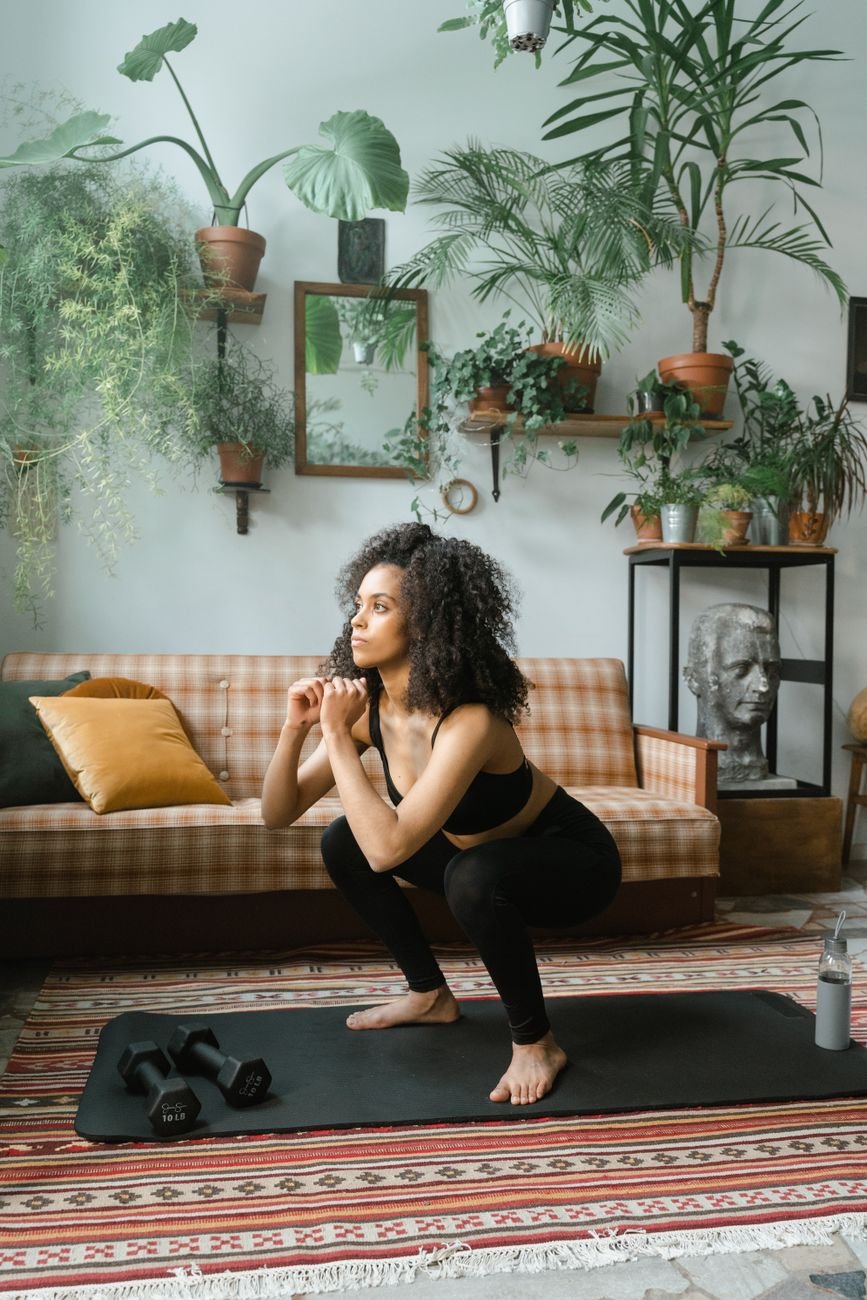
Stand on the plate with feet hip width apart and toes a little out. Bend your knees and push your hips back, as if you sit in a chair. Keep your chest up and your knees in line with your toes. Lower for a count of two, then stand tall for a count of two. This move trains your thighs, glutes, and core in one simple pattern.
Do 8 to 10 slow squats for 30 seconds. Rest, then repeat if you feel steady. Keep the speed low at first. If your knees cave in, stop and reset your feet. In addition, you can hold a wall for balance on your first day. Over time, your legs will feel stronger and your squat will feel smoother.
2. Calf Raise
Stand tall on the plate with feet hip width apart. Rise up on the balls of your feet, then lower your heels with control. Keep your ankles straight and your core firm. This small move trains your calves and helps your balance. It also wakes up stiff ankles after a long day of sitting.
Do 10 to 12 calf raises for 30 seconds. Move slowly and avoid bouncing. If you wobble, hold a chair with one hand. In addition, you can pause at the top for one second. That pause builds control. As a result, your lower legs will feel more awake and steady when you walk.
3. Split Stance Lunge
Place one foot on the plate and the other foot on the floor behind you. Bend both knees and lower your back knee toward the floor. Keep your front knee over your ankle and your chest tall. This move trains your thighs, glutes, and balance. It also shows up any side that feels weaker than the other.
Do 6 to 8 lunges on each side for 30 seconds per side. Rest between sides. Keep the range short at first. If your knee hurts, make the step smaller or skip the move. In addition, you can hold a wall for support. Over a week, your balance should feel a little more sure.
4. Glute Bridge
Lie on the floor with your feet on the plate and your knees bent. Press through your heels and lift your hips until your body forms a straight line from knees to shoulders. Squeeze your glutes at the top, then lower with control. This move trains your glutes and hamstrings without load on your knees.
Do 10 slow bridges for 45 seconds. Keep your ribs down and avoid arching your lower back. If you feel a cramp, lower your hips and rest. In addition, you can try this move with the plate off first. That way, you learn the shape before you add the shake. It is a calm, kind move for beginners.
5. Plank With Hands on the Plate
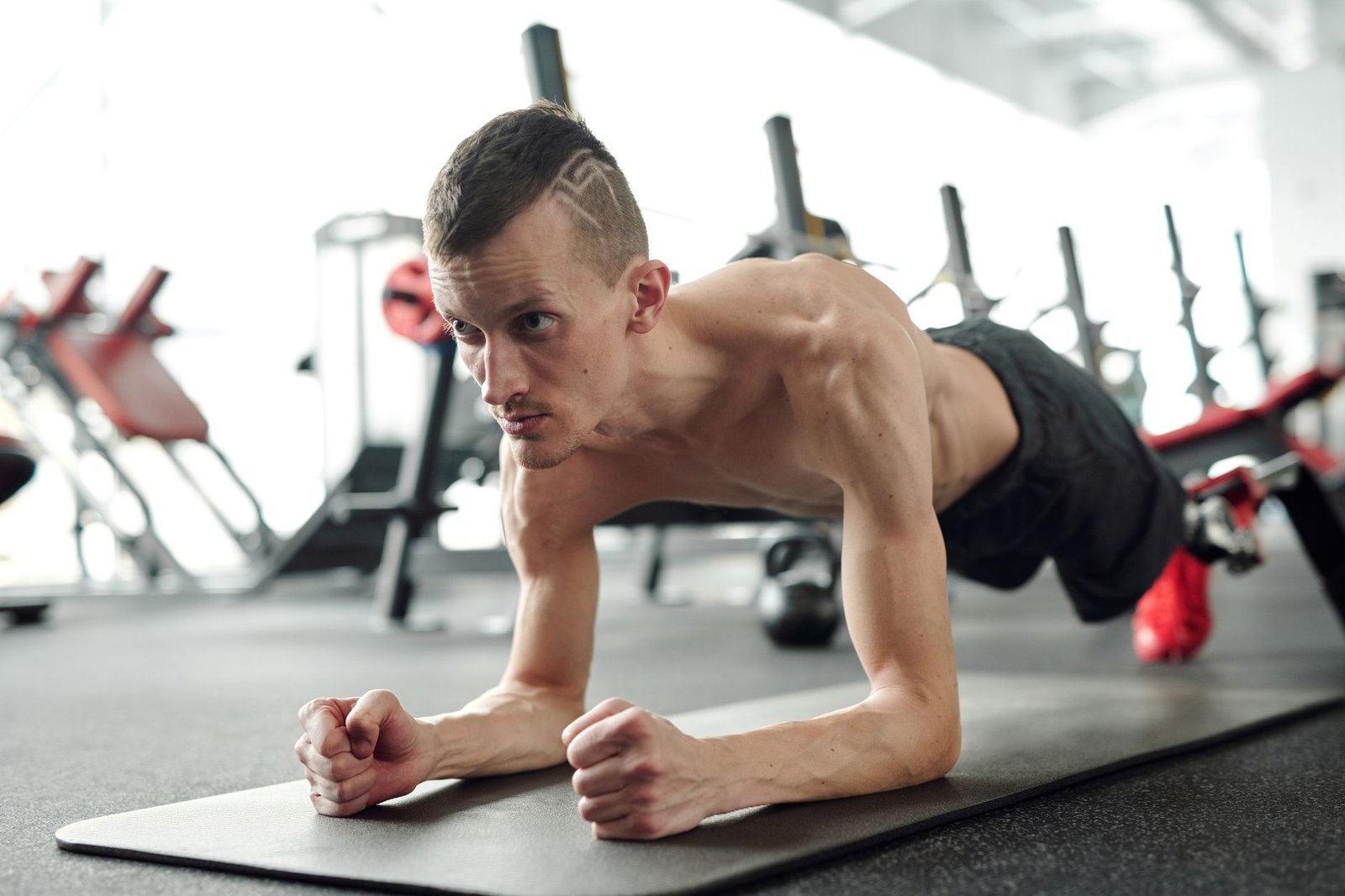
Place your hands on the plate and step your feet back into a plank. Keep your body in a straight line from head to heels. Tighten your core and glutes, and look at the floor. This move trains your core, shoulders, and arms. It feels harder than a floor plank, so start with a short hold.
Hold for 15 to 20 seconds, then rest on your knees. Repeat twice if you feel strong. Keep your hips level and avoid letting them sag. If your wrists hurt, place your forearms on the plate instead. In addition, breathe in a steady way. A short, clean plank beats a long, shaky one.
6. Push Up on the Plate
Place your hands on the plate, a little wider than your shoulders. Step back into a plank, then bend your elbows and lower your chest. Push back up with control. This move trains your chest, shoulders, and triceps. Beginners can start on their knees and still gain a lot from it.
Do 6 to 8 push ups for 30 seconds. Keep your elbows close to your body, not flared wide. If your form breaks, rest and try again. In addition, you can do this move on the floor first. Then move to the plate when you feel ready. Small, clean reps build real strength.
7. Side Leg Lift
Stand on the plate with one hand on a wall for balance. Lift one leg out to the side, then lower it with control. Keep your hips level and your standing knee soft. This move trains your outer hips and helps your balance. It also helps you feel how each leg works on its own.
Do 8 to 10 lifts on each side for 30 seconds per side. Move slowly and avoid swinging your leg. If you tip over, lower the speed or hold the wall with both hands. In addition, you can do this move barefoot for more grip. Over time, your hips should feel steadier.
8. Hamstring Curl Hold
Lie on the floor with your heels on the plate and your knees bent. Lift your hips a little, then bend your knees and pull your heels toward you. Hold for a few seconds, then return with control. This move trains the backs of your thighs. It also teaches you to use your hamstrings, not just your lower back.
Do 8 slow reps for 45 seconds. Keep your hips level and your core firm. If you feel a cramp, straighten your legs and rest. In addition, you can start with a simple hip lift and no pull. Add the curl only when the lift feels easy. That slow build keeps the move safe.
9. Seated Shoulder Press
Sit on the floor in front of the plate and place your hands on it, or sit on a chair with your feet on the plate. Press your hands down and lift your chest a little. Hold for a few seconds, then relax. This gentle move trains your shoulders and upper back. It suits people who want upper body work without standing.
10. Standing March
Stand on the plate and march in place, lifting one knee and then the other. Keep your core firm and your arms swinging in a natural way. This move trains your hips, thighs, and balance. It also adds a little cardio to the end of your session. It is a friendly way to finish.
March for 30 to 45 seconds. Keep the speed low and the steps small. If you feel unsteady, hold a wall. In addition, you can march on the floor first, then step on the plate. End with a slow breath and a smile. You have done a full session.
Your First Week Plan for Vibration Plate Exercises
Day 1 and Day 2: do 5 moves for 5 minutes in total. Pick the squat, calf raise, glute bridge, side leg lift, and standing march. Rest a full day after Day 1. Then try Day 3 and Day 4 with 7 moves for 8 minutes. Add the lunge and plank when you feel ready. On Day 5, try all 10 moves for 10 minutes. Take Day 6 and Day 7 as light days, with a walk and a gentle stretch instead.
Pair your plate work with a daily walk to build stamina in a kind way. A short walk after a plate session can ease stiff legs and lift your mood. If you want a simple start, read our walking pad beginner guide for indoor walking tips. In addition, keep your heart rate in a calm zone on easy days. Our guide to zone 2 heart rate by age can help you find that easy pace. That mix of plate, walk, and rest works well for most beginners.
Recovery matters as much as the workout. After a session, try gentle foam rolling for tight calves and thighs. Drink water and eat a simple meal with protein. If you train in heat, learn about electrolytes and how they help you stay hydrated. In addition, some people enjoy a short sauna after training. If you do, read how long you should sit in a sauna before you try it. Small recovery habits add up fast.
Common Mistakes With Vibration Plate Exercises
- Starting at the highest speed on day one, which can tire you and harm your form.
- Locking your knees and standing stiff, which sends the shake up to your head.
- Doing long sessions with no rest, which can leave you sore and tired.
- Skipping a warm up, so cold muscles face a new stimulus with no prep.
- Using the plate as your only workout, with no walking or strength work.
- Ignoring pain and pushing through, which can turn a small issue into a big one.
Vibration Plate Exercises: Your Questions Answered
Do vibration plate exercises help you lose weight?
They can help a little, as part of a wider plan. They burn some energy and build some strength. However, they do not burn a large number of calories on their own. Weight loss still needs regular movement, good food, and sleep. So use the plate as a support, not a sole plan.
How long should a beginner session last?
Aim for 5 to 10 minutes in your first week, with rest between moves. Then build to 15 to 20 minutes over a few weeks. Short, regular sessions beat one long session. In addition, you can split the work into two short bouts in one day.
Can vibration plate exercises replace strength training?
No, they cannot replace it fully. They can add a new stimulus, yet they do not load your muscles in the same way as weights or bands. For best results, pair plate work with bodyweight moves, bands, or weights. That mix builds strength in a more complete way.
Safety and Daily Use
Are vibration plate exercises safe for knees?
Many people with healthy knees can use a plate with care. Keep your knees soft, use a low speed, and keep the range short. If you have knee pain or a knee condition, ask your doctor first. Stop if you feel sharp pain. In addition, you can learn about magnesium for muscle cramps if cramps bother you after training.
Should I use a vibration plate every day?
You can use it most days if you keep sessions short and easy. However, your muscles need rest to grow stronger. So aim for 3 to 4 plate days per week at first. On other days, walk, stretch, or try a cold plunge only if it suits you and your doctor agrees it is safe for you. Rest days are part of the plan, not a break from it.
Start Small, Stay Steady, and Enjoy the Shake
Vibration plate exercises offer a fun, low impact way to move more at home. Start with 5 minutes, 5 moves, and a low speed. Build up over a week, then over a month. Pair the plate with walking, strength work, and good rest. In addition, listen to your body and stop when it asks you to stop. That steady path will serve you far better than a fast, hard start.
This article shares general information only. It is not medical advice. Talk to your doctor before you start a new exercise program, especially if you have a health condition, an injury, or you take medicine that affects your heart, bones, or balance.

 Ablaze Fitness


 Mélanie Courcelles


