


Protein coffee, often nicknamed proffee, is exactly what it sounds like: coffee with a meaningful amount of protein added, usually 15 to 30 grams in a single cup. It took off because it solves a real problem. Most people drink coffee every morning without fail, and most also fall short on protein at breakfast, the meal where protein is hardest to fit in. Putting the two together turns an automatic habit into a useful one.
Done well, it tastes like coffee. Done badly, it clumps, curdles or ends up sweeter than the breakfast it replaced. The difference is technique: which protein you use, how hot the coffee is, and the order you combine things.
This guide gives you four methods that work, with exact steps, honest protein and calorie numbers, and the traps to avoid. One boundary first: this is general information for healthy adults. Protein coffee is a convenient way to reach a protein target, not a treatment or a fat loss shortcut.
What protein coffee is, and why people make it
At its simplest, protein coffee is any coffee drink built to deliver a full serving of protein, roughly what you would get from a small tub of Greek yogurt, in the cup you were going to drink anyway. People make it for three main reasons:
- The breakfast protein gap. Toast, cereal and pastries often deliver under 10 grams of protein. A protein coffee lifts breakfast to 25 grams or more without cooking anything, and protein is the most filling macronutrient, so the morning holds together better.
- Habit stacking. Coffee already happens every day, so attaching protein to it is easier than building a new meal habit.
- Training schedules. Early trainers often do not want a full meal first. A protein coffee is substantial but still sits lightly.
It is not a license to skip food all morning or a magic metabolism trick. It is a delivery method, and the result depends on the protein source and the sweeteners.
The two rules that decide whether it tastes good
Rule 1: respect the heat. Most protein powders, especially whey, thicken and clump in liquid close to boiling. Coffee straight from a machine or kettle is often 85 to 95 °C (185 to 205 °F), while protein is happiest below about 70 °C (160 °F). You do not need a thermometer: let the coffee sit for three to five minutes, or use the tempering step in Method 1 below.
Rule 2: liquid first, powder second. Powder dumped into a full mug of hot coffee in one go forms a sealed lump with a dry centre. Powder whisked into a small amount of liquid first, to make a smooth slurry, blends cleanly every time.
Method 1: Whey protein in hot coffee, tempered so it never clumps
This is the classic method and the highest protein option for a hot drink. Whey has a mild, milky taste that suits coffee, and a scoop mixes to something close to a latte when done properly.
Protein per serving: 20 to 25 grams from one scoop of whey, plus 4 to 8 grams more with milk. Best for: a hot morning coffee that replaces a light breakfast.
- Brew your coffee as usual, about 240 ml (8 fl oz), and pour it into your mug.
- While it rests, put one scoop of whey protein (about 30 g or 1 oz) in a second cup with 60 ml (2 fl oz) of warm water or warm milk.
- Whisk for 20 to 30 seconds until it forms a smooth, pourable slurry with no dry pockets.
- Let the coffee sit for three to five minutes so it drops below roughly 70 °C (160 °F). Milk, if you use it, goes in now and also cools it.
- Pour the slurry in slowly, stirring as you pour.
- Taste before sweetening. Many whey powders are already sweetened, and the finished drink often needs nothing.
Taste and texture: closest to a normal milky coffee of the four methods, with a slightly fuller body. Unflavoured whey keeps the coffee flavour purest; vanilla and chocolate versions read more like a flavoured latte. If it still grains slightly, the coffee was too hot or the slurry too thick, so add a splash more warm liquid next time and let it cool a minute longer.
Method 2: Collagen peptides in hot coffee, the dissolves-cleanly option
Collagen peptides are the beginner proof method. They dissolve in hot liquid, do not thicken or foam, and change the taste of coffee less than any other protein. If a clumpy first attempt put you off, start here.
Protein per serving: about 18 to 20 grams from a standard two scoop serving (about 20 g or 0.7 oz of powder). Best for: people who want their coffee to taste exactly like coffee.
- Brew your coffee as usual, about 240 ml (8 fl oz). No cooling wait is needed.
- Add the collagen serving directly to the mug.
- Stir for 15 to 20 seconds until the liquid clears. A brief swirl of foam on top is normal and settles quickly.
- Drink it as you normally take your coffee, with or without milk.
Taste and texture: nearly undetectable. There is a slight rounding of the flavour and a touch more body, but most people would call it normal coffee.
The honest catch: collagen is not a complete protein. It lacks tryptophan and is low in some essential amino acids that matter for muscle repair, including leucine. It still counts toward your daily total and is popular with people focused on skin, hair, nails and joints, but it should not be your only protein strategy around training. Pair it with complete protein sources, such as dairy, eggs, soy or whey.
Method 3: Protein shake poured over espresso or cold brew, the iced coffee shop style
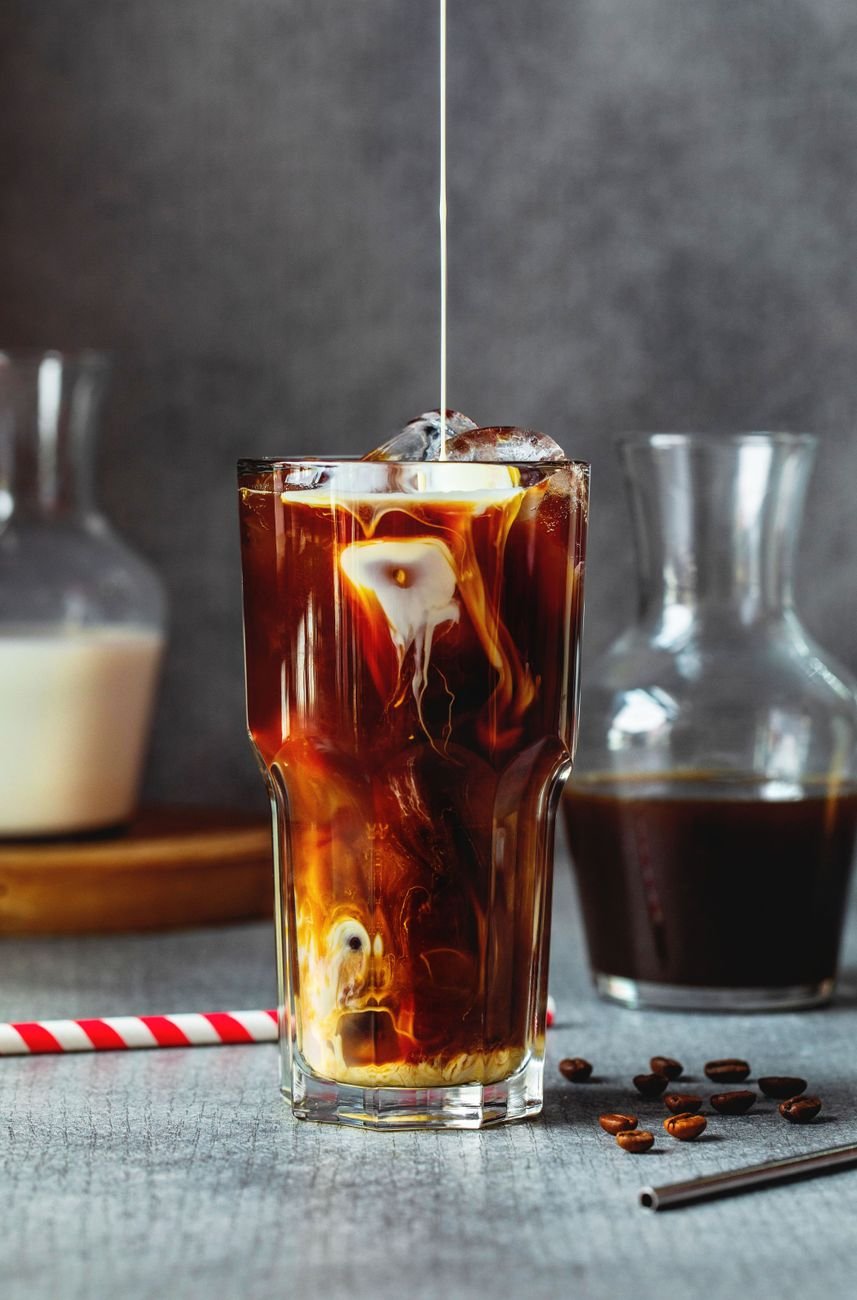
This is the method behind most of the videos you have seen: a ready to drink protein shake, or a homemade one, poured over ice and espresso. Because nothing hot touches the powder, clumping is impossible, and the result tastes like an iced latte.
Protein per serving: 25 to 30 grams from a typical bottled shake, or about 20 to 25 grams from a homemade shake. Best for: warm weather, post workout refreshment, and anyone who dislikes hot protein drinks.
- Fill a tall glass with ice.
- Pour over one or two shots of espresso, or about 120 ml (4 fl oz) of cold brew concentrate or strong chilled coffee.
- Slowly pour 250 to 330 ml (about 8 to 11 fl oz) of protein shake over the top. Pouring slowly keeps the coffee punchy rather than drowned.
- Stir, taste, and drink promptly. Iced protein drinks separate if they sit.
To make the shake yourself, blend one scoop of protein powder with 240 ml (8 fl oz) of milk or a fortified plant milk and a handful of ice, then use it as above.
Taste and texture: the sweetest and most dessert like of the four methods, because bottled shakes are made to taste like milkshakes. That cuts both ways: some carry 10 grams or more of added sugar per bottle. Read the label and prefer lightly sweetened options.
Method 4: Plant protein, or the Greek yogurt and milk version
This method covers two situations: you do not use whey, or you prefer ordinary foods to powder.
Plant protein version. Use a pea based or blended plant protein powder and follow the tempering method from Method 1: slurry first, coffee cooled slightly, slow pour. Protein per serving: about 15 to 21 grams per scoop, a little lower than whey, with a thicker, sometimes earthier texture. Oat or soy milk suits it better than water, and soy milk adds about 7 grams more protein. Pea and rice blends have a more complete amino acid profile than a single source and mix more smoothly.
Greek yogurt and milk version. This one works best iced or lukewarm rather than piping hot, because yogurt can split at high heat.
- Whisk 170 g (6 oz) of plain Greek yogurt with 120 ml (4 fl oz) of milk until smooth.
- Add a double shot of espresso or 120 ml (4 fl oz) of strong coffee, cooled to warm rather than hot.
- Whisk again, sweeten lightly if you like, and serve over ice or gently warmed.
Protein per serving: about 15 to 18 grams from the yogurt plus about 4 grams from the milk, roughly 20 grams in the glass. Best for: people avoiding powders entirely. The taste is closer to a coffee lassi than a latte, refreshing and more filling than it looks.
How much protein is in your cup, and how it fits your day
| Method | Protein per serving | Typical calories before extras |
|---|---|---|
| Whey in hot coffee | 20 to 25 g | 110 to 140 kcal |
| Collagen in hot coffee | 18 to 20 g | 70 to 80 kcal |
| Shake over espresso or cold brew | 25 to 30 g | 150 to 200 kcal |
| Plant protein in coffee | 15 to 21 g | 110 to 150 kcal |
| Greek yogurt and milk version | About 20 g | 170 to 210 kcal |
Whether that is a lot depends on your daily target. As a general guide, healthy adults need at least about 0.8 grams of protein per kilogram of body weight per day (about 0.36 grams per pound), and people who train regularly or are losing weight usually do better around 1.2 to 1.6 grams per kilogram. For a 70 kg (154 lb) person, that is roughly 85 to 110 grams a day, so one protein coffee covers about a quarter of the target before you have cooked a thing.
Your own number depends on your weight, goal and training, so run it through our Protein Calculator rather than guessing, and treat protein coffee as a supplement to protein at lunch and dinner.
When to drink it: morning, pre-workout and post-workout
Morning. This is the natural home of protein coffee. It fixes the low protein breakfast problem with zero extra effort, and suits people who feel flat or ravenous by ten o’clock. If your morning includes a walk, our breakdown of calories burned walking 10,000 steps shows how much those steps add up.
Pre-workout. Caffeine before training is one of the most consistently supported performance aids in sports nutrition, with effects building over the 45 to 60 minutes after you drink it, so a protein coffee in that window covers two bases at once. Keep it modest if you train on a sensitive stomach, and count it in your day’s caffeine total. It also pairs with morning supplement routines, since creatine dissolves happily in the same cup, as our guide to how to take creatine explains, a routine many readers of our creatine for women over 40 guide already follow.
Post-workout. Protein after training matters, and coffee is fine alongside it, but do not let a protein coffee replace a real recovery meal on hard days. Muscles need total protein and enough food across the day. Treat it as a bridge to lunch, not the destination.
The caffeine caveat. Caffeine has a long half life, commonly five to six hours, so a strong afternoon coffee is still half present at bedtime. The MedlinePlus overview of caffeine sets out the general picture, including that up to about 400 mg a day is acceptable for most healthy adults and that sensitivity varies widely. If your sleep is fragile, keep protein coffee to the morning. A decaf base works with every method here and still delivers the protein. Our guide to the role of sleep in maintaining good health covers why protecting sleep does more for training than any morning drink.
Calories and sugar traps
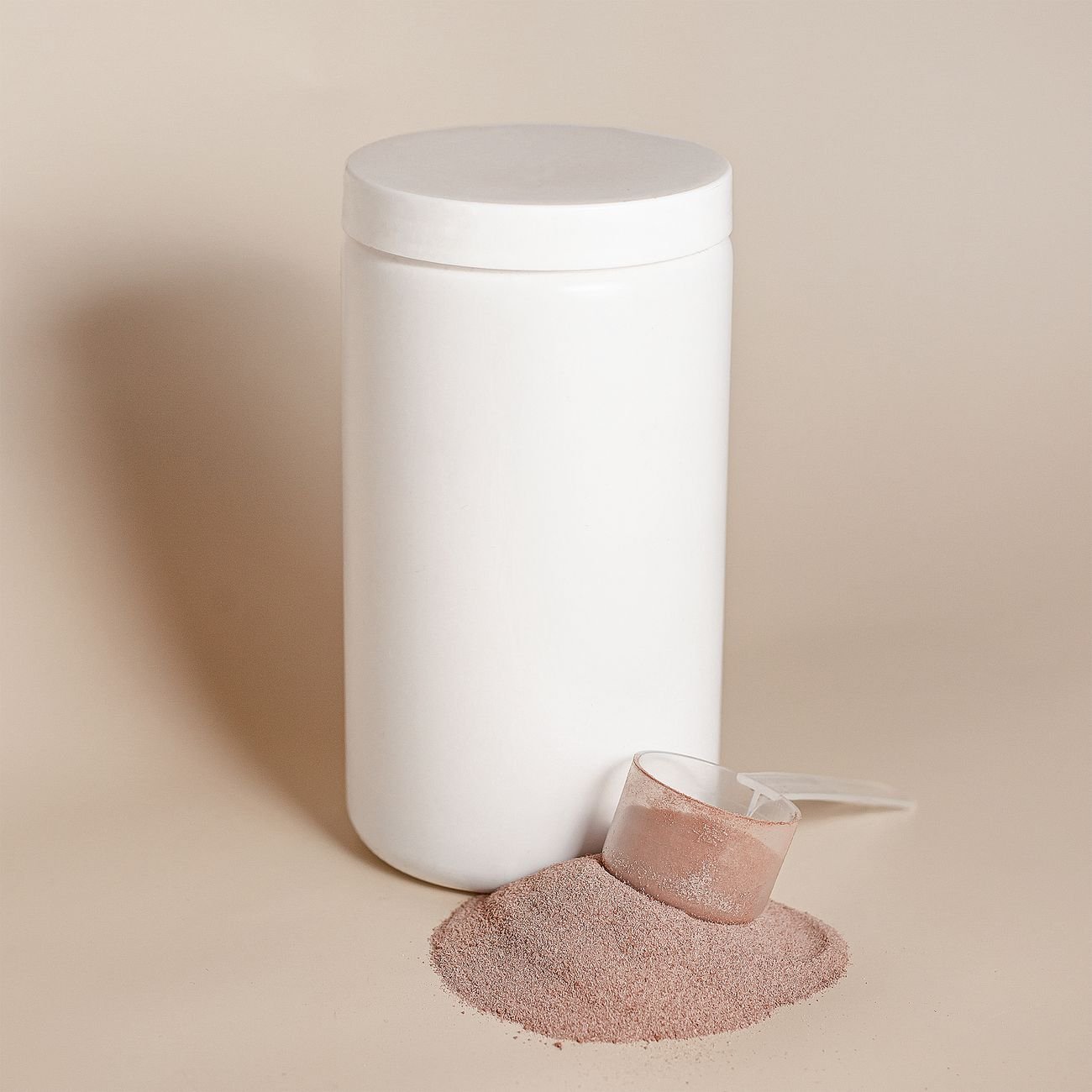
The protein base is reasonably lean. The damage, when it happens, comes from what rides along with it:
- Flavoured syrups. A typical serving adds roughly 50 to 100 calories and 12 to 25 grams of sugar.
- Sweetened bottled shakes. Some carry 10 grams or more of added sugar per bottle. The protein is real, but so is the sugar, so prefer options under about 5 grams.
- Creamers and whipped toppings. Flavoured creamers run around 30 to 40 calories per tablespoon.
- Sugar and honey at home. One tablespoon of sugar is about 48 calories, a tablespoon of honey about 64. Two spoonfuls is a snack you did not plan.
None of these is forbidden. The point is accounting. If the coffee is breakfast, 250 to 300 calories with 25 grams of protein is a perfectly good breakfast. If it is an extra on top of breakfast, it has to fit your day like any other food, and our Macro Calculator shows how it sits inside your daily targets.
Common protein coffee mistakes
- Pouring powder into boiling coffee. The single most common failure. Temper the powder into a slurry, or let the coffee cool first.
- Counting collagen as your whole protein plan. It is incomplete. Enjoy it for what it is, and cover complete protein at meals.
- Using a gainer or mass powder by accident. Some powders carry 250 calories or more per scoop with added sugars. Check the per scoop calories first.
- Doubling up caffeine without noticing. A large cold brew plus a pre-workout drink plus an afternoon coffee can pass 600 mg of caffeine quickly, which is jitter and poor sleep territory for most people.
- Expecting the drink to do the training. Protein supports the work. It does not replace the work, the sleep or the consistency.
Who should be careful with protein coffee
Most healthy adults can enjoy protein coffee without a second thought. Some readers should pause first:
- If you are sensitive to caffeine. Jitters, anxiety, reflux, palpitations or poor sleep at modest doses are signs to choose decaf, halve the coffee, or keep it early and small.
- In pregnancy. General guidance in most countries this site serves is to keep caffeine at or below about 200 mg a day during pregnancy, roughly one mug of brewed coffee before other sources. Check your clinician’s advice and count caffeine from all sources.
- With kidney concerns. People with kidney disease are sometimes advised to moderate protein. If that is you, do not add a daily 25 gram protein drink without discussing your total target with your clinician.
- Around certain medications. Coffee and food can change how some medicines absorb. Levothyroxine, for example, is usually taken on an empty stomach well away from coffee, and iron supplements also absorb better away from coffee. Ask your pharmacist about spacing rather than guessing.
- With reflux or a sensitive stomach. Coffee on an empty stomach bothers some people. Having the protein version with food, or after food, often settles it.
None of this is a diagnosis or treatment recommendation. It is a prompt to check before building a daily habit on top of a medical situation.
Frequently asked questions
Does protein coffee break a fast?
Yes. A drink with 70 to 200 calories and a full serving of protein is food, and it ends a fast as most people mean it. Plain black coffee is the version that fits a fasting window.
Can I put protein powder in hot coffee without it clumping?
Yes, with the tempering step from Method 1. Whisk the powder into a small amount of warm liquid to make a slurry, let the coffee cool a few minutes, then combine slowly while stirring. Clumps come from powder hitting near boiling liquid all at once.
Is collagen or whey better for protein coffee?
For ease and taste, collagen wins, because it dissolves in hot coffee with zero technique. For protein quality, whey wins, because it is a complete protein with the amino acids muscles use most. Many people use collagen on ordinary mornings and whey on training days.
How many calories are in a protein coffee?
Most homemade versions land between about 110 and 210 calories before sweeteners. The range climbs quickly with syrups, sweetened shakes and creamers, so the extras matter more than the protein source.
Can protein coffee replace breakfast?
It can be breakfast, if it genuinely fills the role: 20 to 30 grams of protein and enough calories to hold you until lunch. If you are hungry again within the hour, it is preceding breakfast rather than replacing it, and you should eat properly as well.
Will protein coffee help me lose weight?
Only in the indirect way any filling, protein rich food helps: it makes total intake easier to manage and protects muscle while you eat in a calorie deficit. The coffee itself burns nothing meaningful. Weight loss comes from the overall pattern of eating, training and sleep.
The bottom line
Protein coffee earns its popularity because it is a rare healthy habit that asks for almost nothing. You were already making the coffee. Respect the heat, temper whey or stir in collagen, pour a shake over espresso, or whisk up the yogurt version, and breakfast quietly gains 20 to 30 grams of protein. Keep the sweeteners honest, count the caffeine, and let the drink support your day rather than substitute for it.
This article is general information about food, nutrition and everyday habits for healthy adults. It is not medical advice and does not diagnose or treat any condition. If you are pregnant, have kidney concerns, take regular medication, or are unsure whether a daily protein or caffeine habit suits you, consult a health professional.

 Ablaze Fitness


 Mélanie Courcelles


