


The best walking pad for you is not the cheapest one, and it is not the one with the most features. It is the one that fits your space, your speed, and your daily routine. A good pad can help you walk more at home, even on a busy day. A wrong pad can wobble, squeak, or end up folded in a corner. So use the checks in this guide before you spend any money.
If you work at a desk, a best walking pad can turn sitting time into walking time. You can walk while you read, listen, or take a call. However, you need a pad that is quiet, steady, and easy to store. In this guide, you will learn seven checks that matter most: speed, incline, noise, size, belt, motor, and price. You will also learn how to test a pad and how to use it in your first week.
What Is a Walking Pad?
A walking pad is a slim, flat treadmill made for walking, not running. It has no tall handrails or large console in most models. You control it with a small remote or an app. It fits under a desk or a bed. As a result, it suits small homes, flats, and home offices. It is a simple tool for daily steps.
A walking pad differs from a full treadmill in size, speed, and cost. A full treadmill is larger, faster, and often louder. A walking pad is smaller, slower, and easier to move. For example, a pad may top out at 6 km per hour (about 3.7 mph), while a treadmill may reach 16 km per hour (about 10 mph). If you only want to walk, a pad is often enough. If you want to run, look at a full treadmill instead.
Walking is a strong habit for health. The NHS notes that walking is a simple way to get more active, and it can help your heart, mood, and joints. So a pad that helps you walk every day can be a good buy. However, a pad will not help if it is too noisy for your home, too short for your stride, or too weak for your weight. That is why the checks below matter.
Why the Wrong Walking Pad Wastes Money
Many people buy a pad on price alone, then find it does not suit them. The belt may be too narrow. The motor may strain. The pad may be too loud for a work call. As a result, they stop using it. Then the pad becomes a costly clothes stand. A few checks before you buy can stop that waste.
Think about how you will use the pad each day. Will you walk at a desk for two hours, or for 20 minutes after lunch? Could you store it under a bed, or leave it out? Will you walk in socks, trainers, or bare feet? Your answers change which checks matter most. For example, desk walkers need a quiet motor. Storage buyers need a slim fold. So start with your routine, not with a sales page.
If you are new to indoor walking, read our walking pad beginner guide first. It covers how to start, how to set up your desk, and how to build up your steps. In addition, you can pair a pad with other low impact home kit. Our guide to vibration plate exercises shows a different way to move at home. That mix can keep your routine fresh.
The 7 Checks for the Best Walking Pad
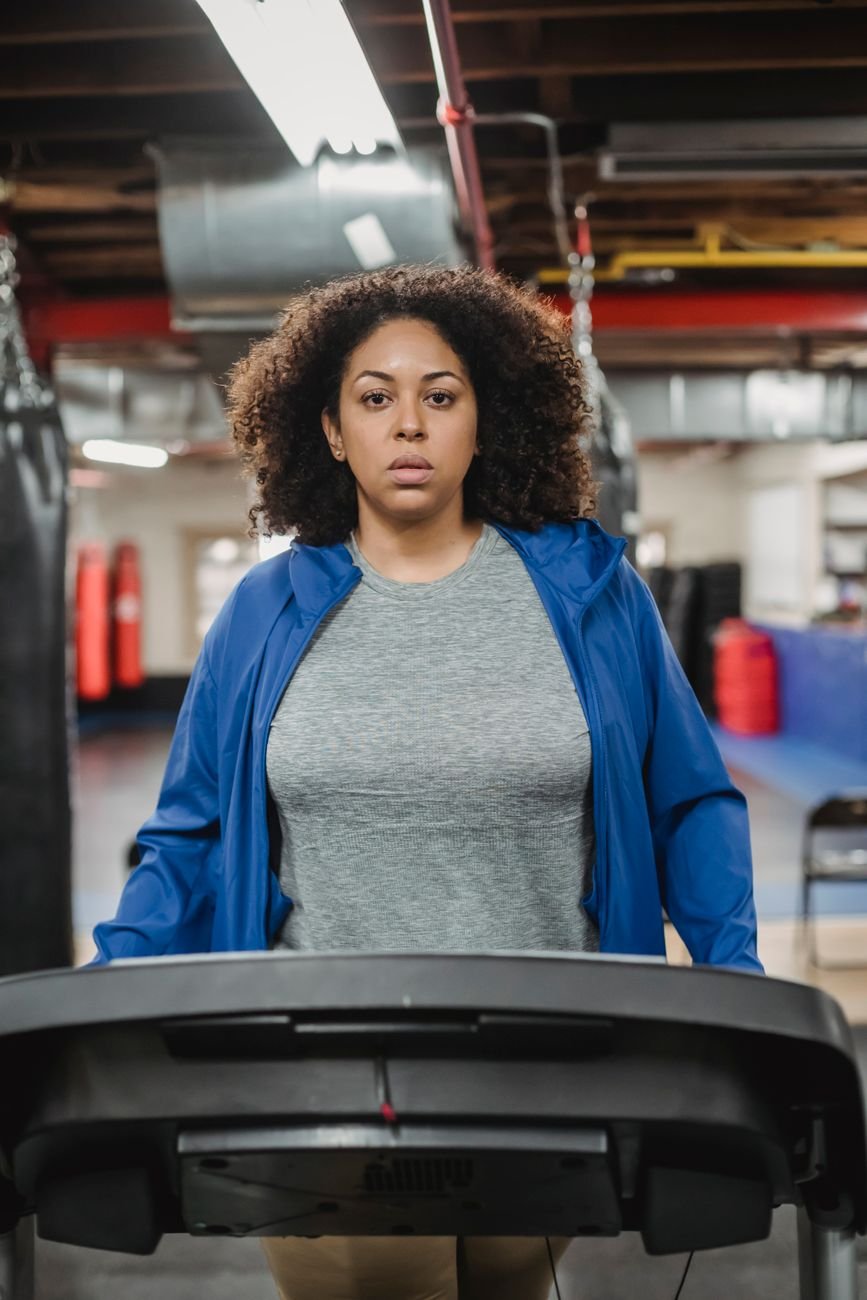
Use these seven checks in order. Score each pad you look at against them. A pad that passes six checks is often a good buy. A pad that fails speed, size, or motor is often a bad buy, even if it is cheap. Keep notes as you compare, so you can see the winner in a clear way.
1. Speed: Does It Match Your Walk?
Check the top speed first. Most walking pads top out at 5 to 6 km per hour (about 3 to 3.7 mph). That range suits a brisk walk. A slow stroll is about 3 km per hour (about 1.9 mph). A fast walk is about 6 km per hour. So look for a pad that reaches at least 6 km per hour, with smooth steps in between. A pad that jumps from slow to fast in big steps will feel jerky.
Test the speed in small steps if you can. Start at 2 km per hour and rise by 0.5 km per hour at a time. The belt should speed up in a smooth way, with no sudden lurch. In addition, check the lowest speed. A very low start helps you begin in a calm way. If you walk at a desk, you will spend most time at 3 to 4 km per hour (about 1.9 to 2.5 mph), so that range must feel steady.
2. Incline: Do You Need It?
Some pads offer a small incline, often by hand or by a low motor. An incline makes your walk harder and burns more energy. It also trains your calves and glutes more. However, many good pads have no incline at all. That is fine if you walk on flat ground at a desk. So do not pay extra for incline unless you will use it most days.
If you do want incline, check how you set it. A manual incline may need you to stop and lift the pad. An auto incline changes while you walk. In addition, check the max slope, often 5 to 10 percent. A small slope is enough for most beginners. If you have knee pain, keep the slope low or flat, and ask your doctor first.
3. Noise: Will It Disturb Work or Sleep?
Noise matters more than most buyers think. A loud pad can ruin a work call and wake a baby. A quiet pad lets you walk while you listen to music or talk. Look for a noise level under 55 decibels at walking speed, if the maker states it. In addition, read user notes about hum, squeak, and thud. A pad that hums is fine. A pad that squeaks may need oil or a new belt.
Test noise on a hard floor and on a mat. A mat can cut the thud of each step. Wear the shoes you will use at home. Walk at your normal speed for a few minutes. If you can talk in a normal voice over the pad, it passes. If you must raise your voice, it fails. In addition, check if the pad has a quiet mode. That mode can help on calls.
4. Size and Storage: Will It Fit Your Home?
Measure your space before you buy. A pad is often about 120 to 140 cm long (about 47 to 55 in) and 50 to 60 cm wide (about 20 to 24 in). It may be 10 to 15 cm tall (about 4 to 6 in) when flat. So check the length, width, and height against your desk, bed, and door. In addition, check the weight, often 20 to 30 kg (about 44 to 66 lb). A heavy pad is hard to move each day.
Look for wheels and a fold that suits your home. Some pads fold in half. Others slide under a bed or stand up behind a door. Measure the storage spot too. If you live in a small flat, a slim pad that stores flat is a good choice. If you have a home office, a pad that stays out may suit you better. In either case, do not guess the size. Measure it.
5. Belt: Is It Wide and Long Enough?
The belt is where your feet land, so its size matters. A belt about 40 to 45 cm wide (about 16 to 18 in) suits most walkers. A belt about 100 to 120 cm long (about 39 to 47 in) suits most strides. If you are tall, look for a longer belt. If you walk fast, look for a wider belt. A narrow belt forces short steps and can feel unsafe.
Check the belt surface and grip. It should feel firm, not slippery, in socks and trainers. Look for a belt that stays centred while you walk. If it drifts to one side, it may need adjustment. In addition, ask how often you must oil the belt. A simple oil routine every few months is normal. A belt that needs oil every week is a poor sign.
6. Motor: Is It Strong Enough for You?
The motor drives the belt, so it must match your weight and use. Look for a continuous motor rating, not just a peak rating. A 1 to 1.5 horsepower continuous motor suits most walkers up to 100 kg (about 220 lb). A stronger motor suits heavier walkers or long desk sessions. If the motor strains, the belt may slow or stop when you step on it.
Check the max user weight in the specs. It should be at least 10 kg (about 22 lb) above your weight. That margin gives the motor room to work. In addition, check how long the motor can run in one go. A pad that needs a rest after 30 minutes may not suit a two hour desk walk. For long sessions, look for a motor made for continuous use.
7. Price and Warranty: What Is the Real Cost?
Price is the last check, not the first. A cheap pad that fails in three months costs more than a mid price pad that lasts three years. So compare price with warranty, parts, and support. Look for at least one year on the motor and frame. A two year warranty is better. In addition, check the return policy. A 30 day return gives you time to test the pad at home.
Add the cost of a mat, oil, and any app fees to the price. Those extras can add up. If a pad needs a paid app to work, that is a cost you should know. In addition, check spare parts. A belt and a remote should be easy to replace. If parts are hard to find, a small fault can end the pad. So choose a pad with clear support and a fair price.
How to Test a Walking Pad Before You Commit
Test a pad in a shop if you can, or use the return window at home. Walk at 3 km per hour (about 1.9 mph) for 10 minutes, then at 5 km per hour (about 3.1 mph) for 5 minutes. Check the belt, noise, and remote in both speeds. Try it under a desk if that is how you will use it. In addition, try folding and moving it once. If any step feels hard, the pad may not suit daily use.
Keep your heart rate in a calm zone on easy days. Our guide to zone 2 heart rate by age can help you find that easy pace. In addition, drink water and eat a simple meal after a long walk. If you train in heat, learn about electrolytes and how they help you stay hydrated. Small habits make a pad routine easy to keep.
Your First Week With the Best Walking Pad
Day 1 and Day 2: walk for 15 minutes at a slow pace, twice a day. Day 3 and Day 4: walk for 20 minutes, once at a desk and once after lunch. Then Day 5: walk for 30 minutes in total, in two bouts. Take Day 6 and Day 7 as light days, with a short walk and a gentle stretch. In addition, add 5 minutes each week until you reach your goal. That slow build helps your feet and legs adapt.
After a walk, try gentle foam rolling for tight calves and thighs. It takes only a few minutes and can ease stiffness. If your calves cramp, read our guide to magnesium for muscle cramps for general information. In addition, some people enjoy a short cold soak after a long walk. If you do, read cold plunge benefits before you try it, and ask your doctor first if you have a health condition.
Common Mistakes When You Buy a Walking Pad
- Buying on price alone, with no check on speed, belt, or motor.
- Skipping the tape measure, so the pad does not fit under a desk or bed.
- Ignoring noise, then finding the pad is too loud for work calls.
- Choosing a belt that is too short or too narrow for your stride.
- Walking too fast on day one, which can leave you sore and tired.
- Forgetting the warranty and return policy until a fault appears.
Best Walking Pad: Your Questions Answered
Is a walking pad worth it for beginners?
Yes, if you will use it most days. A pad makes walking easy at home, in any weather. However, it is only worth it if the pad fits your space and speed. So use the seven checks above before you buy. A pad that fits your routine is a good buy. A pad that does not fit is a waste, at any price.
Can you lose weight with a walking pad?
You can, as part of a wider plan. Walking burns energy and builds a daily habit. However, a pad alone will not cause large weight loss. You also need good food, sleep, and regular movement. So treat the pad as a support for a healthy routine, not a sole plan.
How fast should a walking pad go?
Most people need a top speed of 5 to 6 km per hour (about 3 to 3.7 mph). That range covers a brisk walk. Desk walkers often stay at 3 to 4 km per hour (about 1.9 to 2.5 mph). So a pad that reaches 6 km per hour with smooth steps is a good choice for most buyers.
More Questions About the Best Walking Pad
Do walking pads work on carpet?
Many pads work on low pile carpet, yet they work best on a hard floor or a mat. Carpet can make the pad wobble and can trap heat under the motor. So use a firm mat under the pad if your floor is carpet. That mat also cuts noise and protects the floor.
How long does a walking pad last?
A well made pad can last three to five years with daily use, if you oil the belt and keep it clean. A cheap pad with a weak motor may last less than a year. So check the motor, warranty, and parts before you buy. Good care and a fair price often beat a low price alone.
Choose With Care, Then Walk Every Day
The best walking pad is the one that fits your speed, size, noise, belt, motor, and budget. Use the seven checks, measure your space, and test the pad if you can. Then start slow and build up over a week. In addition, pair your walks with good sleep, water, and rest. That steady path will serve you far better than a fast, hard start. Start with the checks, test the pad at home, and walk a little more each day. Your future self will thank you for the care you took today. That is how a good pad earns its place in your home.
This article shares general information only. It is not medical advice. Talk to your doctor before you start a new exercise program, especially if you have a health condition, an injury, or you take medicine that affects your heart, bones, or balance.

 Ablaze Fitness


 Mélanie Courcelles


