


If you want to get fitter but stall every time you try to train alone, fitness classes solve the two problems that stop most people: deciding what to do, and showing up to do it. A class puts a qualified instructor in charge of the plan, the clock, and the energy in the room, so your only job is to turn up and move. This guide explains what fitness classes actually are, compares the main types honestly, and helps you choose the right one for your goal, your joints, your schedule, and your budget, with a simple two week starter plan at the end.
The starting point for every choice in this guide is simple. The CDC physical activity guidelines for adults recommend at least 150 minutes of moderate intensity aerobic activity a week, or 75 minutes of vigorous activity, plus muscle strengthening activity on two or more days. The right class is the one that helps you reach something close to that, week after week, without dreading it.
What Counts as a Fitness Class?
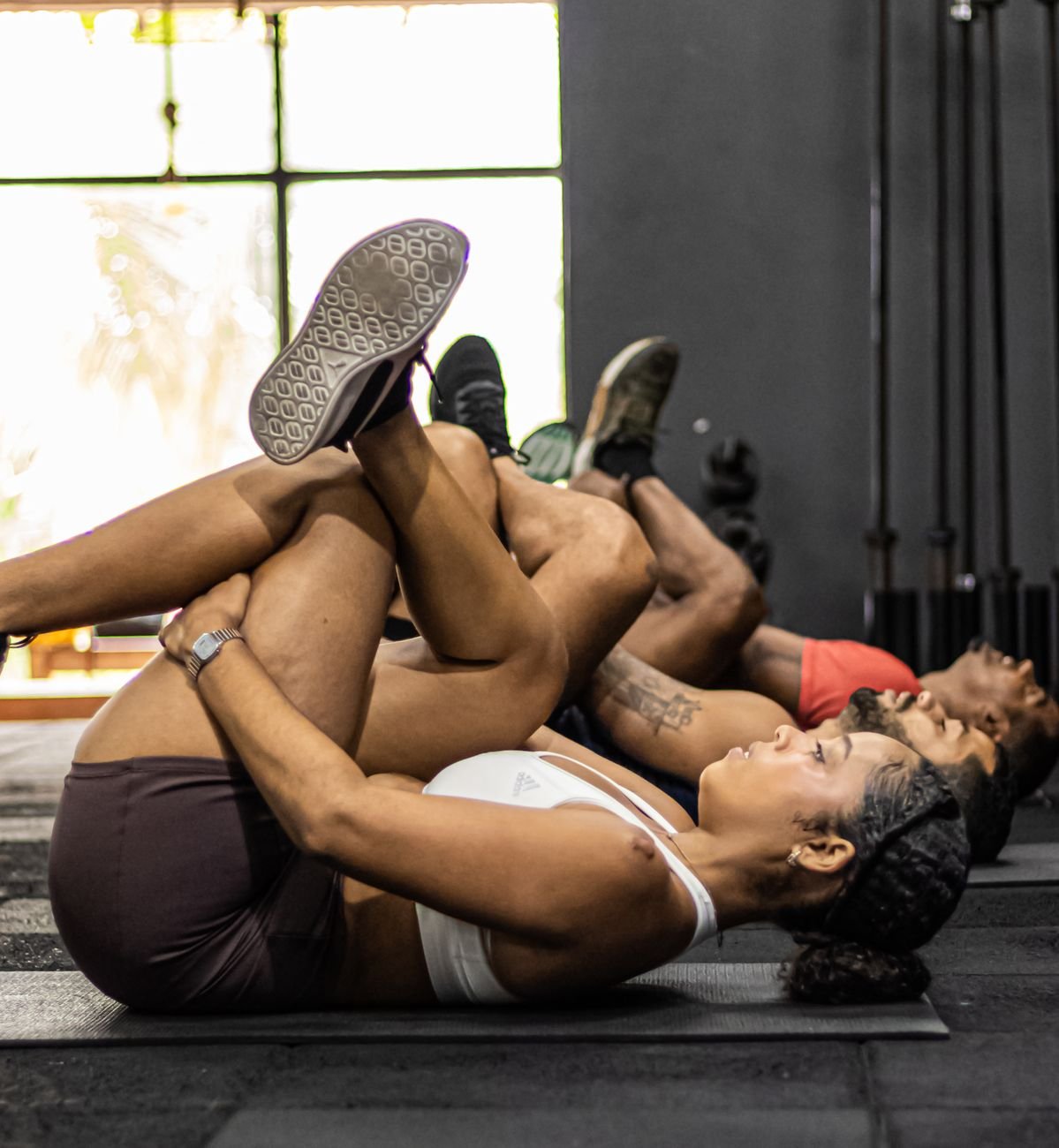
A fitness class is any structured exercise session led by an instructor for a group, in person or online, with a set start time, a planned workout, and guidance throughout. That covers a lot of ground: a spin studio at dawn, a yoga class in a village hall, a boxing inspired circuit in a big gym, and a live streamed dance workout in your living room are all fitness classes.
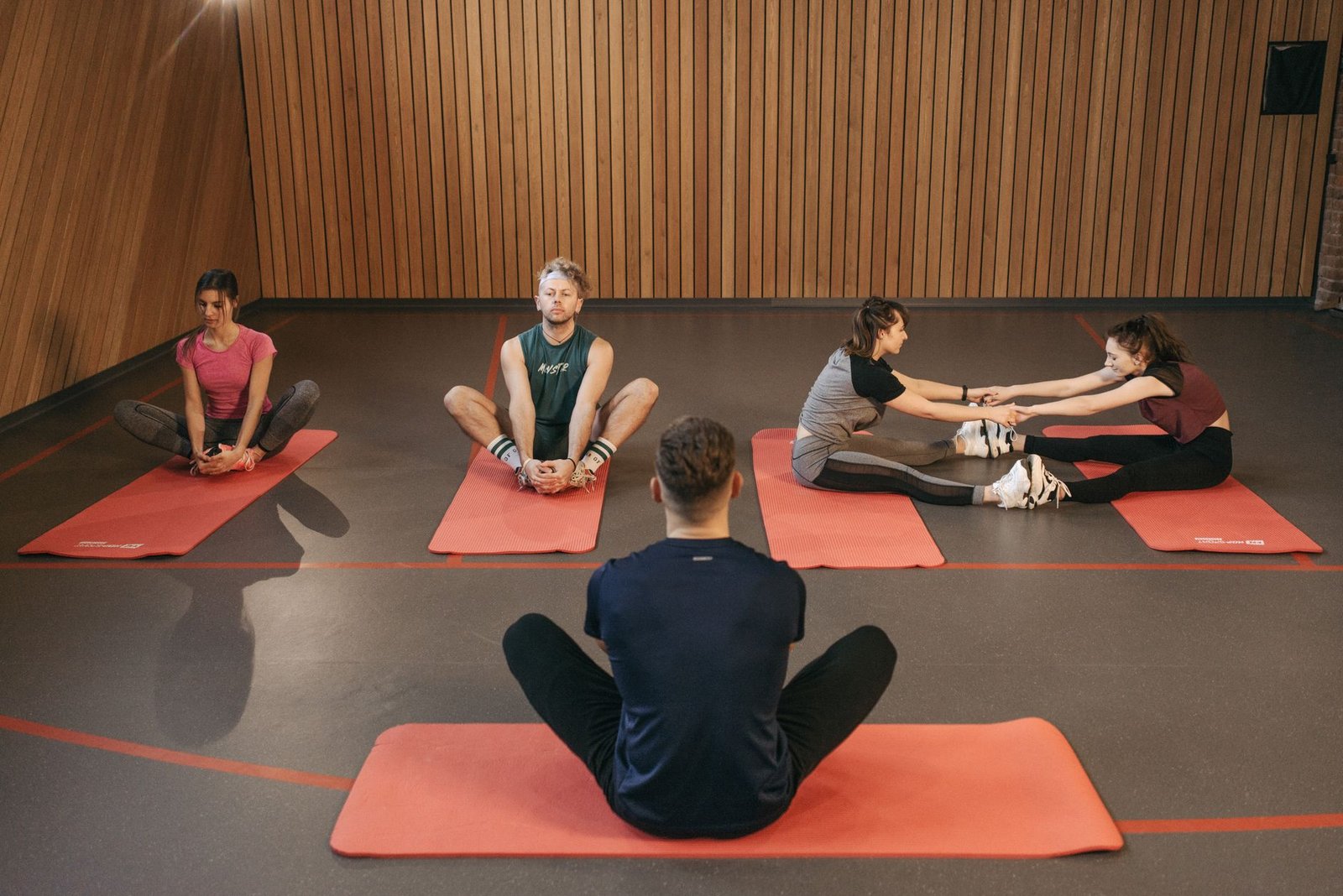
What separates a class from a solo workout is structure and supervision. The instructor chooses the exercises, the order, the work and rest periods, and the music or pace, and demonstrates easier and harder versions of each move. Good classes also build in a warm up and a cool down, the two parts home exercisers skip most often. Class sizes vary from a handful of people in a boutique studio to forty or more in a popular gym slot, and most sessions run 30 to 60 minutes.
Why Fitness Classes Work So Well
Classes are not magic, and they are not automatically better than training on your own. They work, when they work, because they remove the specific friction points that make solo exercise fall apart.
Structure removes decision fatigue
When you train alone, every session starts with questions: what should I do, how much, in what order, am I doing enough? A class answers all of them before you walk in. Research on habit formation consistently points to the same idea: the fewer decisions a routine requires, the more likely it is to survive busy weeks. A fixed timetable helps too, because a class at 6 pm on Tuesday becomes an appointment rather than an intention.
Coaching improves technique and safety
An instructor watches your form, corrects the big errors, and offers modifications when a move does not suit your body. That matters most for beginners, who are the people least able to spot their own mistakes. Coaching does not replace personal training, and a busy instructor cannot watch everyone at once, but it is a real step up from copying a video with no feedback at all.
Community and accountability keep you coming back
Working out alongside other people creates a mild but powerful pressure to show up. Studies of group exercise suggest that social support and a sense of belonging are linked with better attendance and adherence over time, although the size of the effect varies and no class can motivate someone who genuinely hates being there. Many people also simply enjoy it more, and enjoyment is an underrated predictor of whether any routine lasts past the first month.
The Main Types of Fitness Classes Compared
Every class format trades intensity, impact, and skill against each other. Use this table as a map, then read the notes underneath for the details that matter.
| Class type | Intensity | Strength and calorie profile | Joint friendly? | Who it suits |
|---|---|---|---|---|
| Strength and circuit | Moderate to high | Best in class for building muscle and strength; steady calorie burn | Mostly yes, with good coaching and sensible weights | People who want to get stronger and like variety |
| HIIT | High | High calorie burn in short sessions; some strength benefit | Harder on joints, often includes jumping | Time pressed people who already have a base of fitness |
| Indoor cycling | Moderate to high | Strong cardio and leg endurance; little upper body strength | Very joint friendly, no impact | Cardio fans and anyone protecting sore knees |
| Dance fitness | Moderate | Cardio and coordination; light strength work | Moderate, watch twisting moves on knees | People who want exercise that does not feel like exercise |
| Mind body (yoga, Pilates) | Low to moderate | Flexibility, core strength, balance; modest calorie burn | Very joint friendly | Beginners, stressed people, and anyone building flexibility |
| Aqua fitness | Low to moderate | Cardio and muscular endurance against water resistance | The most joint friendly of all | Joint pain, arthritis, pregnancy, and rehab friendly training |
| Martial arts based | Moderate to high | Cardio, power, agility, and coordination | Varies; some formats involve impact or contact drills | People who want skill, intensity, and focus |
| Barre | Low to moderate | Muscular endurance, posture, and core control | Very joint friendly | Low impact strength and toning without heavy weights |
What the Table Cannot Tell You
A few honest notes on the table. Calorie burn in any class depends far more on your body size and how hard you actually work than on the label on the timetable, so treat every number you see advertised with caution. HIIT earns its results but is the format beginners most often overdo. And mind body classes are sometimes dismissed as easy, yet a well taught Pilates or power yoga session will challenge strength and control in ways a treadmill never does.
Benefits of Fitness Classes, Without the Hype
The realistic benefits are strong enough without exaggeration:
- Consistency. A booked class and a room expecting you make it easier to hit your weekly activity targets than willpower alone.
- Balanced training. A varied timetable naturally mixes cardio, strength, and mobility across a week, which is closer to what the guidelines ask for than doing the same run every day.
- Faster learning. Watching an instructor and hearing cues in real time teaches you movements you can later use anywhere, including at home.
- Measurable progress. Many formats build in progression, heavier weights, longer intervals, harder variations, so you can feel yourself improving.
- Mood and stress relief. Group movement, music, and a clear finish line leave most people feeling better than they arrived, and regular exercise is associated with better mood and sleep for many people.
What classes cannot do is outrun everything else. Fat loss still depends mostly on your overall activity and eating habits across the whole week, and no single class type melts fat from one body part. Treat classes as the engine of a routine, not a shortcut.
How to Choose the Right Fitness Class
Choose by your goal
Fat loss. Prioritise the classes you will attend most often, because total weekly activity drives results more than any single workout style. A mix of two higher intensity sessions (HIIT, cycling, circuit) and one or two gentler ones usually beats five exhausting classes you quit by week three.
Muscle and strength. Look for strength and circuit classes that use progressive resistance: dumbbells, kettlebells, barbells, or demanding bodyweight work, with rest built in. If you would rather follow a set program at your own pace alongside classes, our beginner strength training plan shows how a simple week of strength training is put together.
Endurance. Indoor cycling, dance fitness, and longer circuit formats build aerobic fitness steadily. Add one session a week at a pace where you can still speak in short sentences, and build duration before you chase intensity.
Flexibility and mobility. Yoga, Pilates, and barre are the obvious fits, and short daily mobility work adds up fast; these simple stretches to improve flexibility are a good place to start between classes.
Low impact needs. If your knees, hips, or back complain, start with aqua fitness, cycling, Pilates, or barre, and read our guide to low impact workouts for beginners for how to train hard without the pounding.
Choose by your fitness level
Honest self assessment saves injuries. If you are new to exercise, returning after a long break, or managing a health condition, choose classes labelled beginner friendly, take the easier options the instructor offers, and tell the instructor before the class starts. A good instructor would rather modify a move for you than watch you struggle in silence. Arrive ten minutes early to your first few sessions, learn the room, and give yourself permission to rest whenever you need to.
Choose by schedule and budget
The best class is the one that fits your actual life. A brilliant studio across town loses to a decent gym on your route home, every time. Check the timetable against your hardest days, not your easiest, and look at cancellation rules before you commit. On budget, most gyms and studios offer a free trial class or a cheap first week; use it, and try at least two different instructors before judging a format, because the teacher changes the experience as much as the class type does.
In-Person vs Online Fitness Classes
Online classes grew from a backup option into a genuine alternative, and the honest comparison looks like this.
In person wins on feedback, because an instructor can see and correct you; on community, because real people in a room are harder to skip; and on equipment, because the studio provides everything. Online wins on cost, because subscriptions are usually far cheaper per month; on flexibility, because the class fits your clock and never fills up; and on privacy, because nobody watches you learn.
The catch with online training is that form feedback is limited and motivation is entirely on you. A structured program helps: following a written beginner home workout plan alongside live or recorded classes removes the guesswork and keeps your week balanced. Many people land on a hybrid: one or two in person classes for coaching and community, topped up with home sessions for convenience.
A Simple 2 Week Starter Plan
This plan assumes you are starting from little or no regular exercise. Its only goal is to finish two weeks feeling capable, not destroyed.
Week 1: three classes.
- Day 1: a low to moderate class, such as yoga, Pilates, barre, or aqua fitness.
- Day 3 or 4: an introductory strength or circuit class, taking every easier option offered.
- Day 6 or 7: a moderate cardio class, such as cycling or dance fitness, at a pace where you can still talk.
Week 2: three to four classes.
- Repeat the week 1 pattern, and notice which class you actually looked forward to.
- If you recovered well, meaning normal daily movement felt fine the day after each class, add one optional fourth session of the class you enjoyed most.
- Keep at least one full rest day between harder sessions, and never schedule two high intensity classes on back to back days in these first weeks.
After two weeks, build toward three to five classes a week, mixing hard and easy days, and count your other movement too: walking, gardening, and active days all contribute to your weekly totals.
Common Beginner Mistakes in Fitness Classes
- Going too hard in week one. Enthusiasm plus a competitive room is a recipe for extreme soreness and a quiet quit. Leave every class in the first fortnight feeling like you could have done a little more.
- Hiding at the back and copying blindly. Stand where you can see the instructor, and ask questions after class. That is what they are there for.
- Comparing yourself to regulars. The person next to you may have three years of these classes behind them. Your only comparison is your own last session.
- Skipping the warm up or slipping out before the cool down. Arrive on time and stay to the end; those bookends protect your joints and calm your system down.
- Choosing classes by calorie claims. Advertised burn numbers are estimates at best. Choose by enjoyment, fit, and how you feel the next day.
- Never resting. Progress happens between sessions. Persistent heavy fatigue, worsening performance, and constant soreness are signs to add rest, not effort.
What Do Fitness Classes Cost?
Prices vary widely by city and country, so treat these as typical US ranges rather than quotes. Drop in classes at independent studios commonly run about US$15 to US$35 a session, with boutique formats in big cities reaching US$25 to US$40. Big gym chains often include unlimited classes inside a membership of roughly US$30 to US$100 or more a month, which makes classes very cheap per visit if you go often. Community centres, leisure centres, and council or parks programs are usually the best value of all, sometimes only a few dollars a class. Online subscriptions typically cost about US$10 to US$30 a month. Class packs and introductory offers almost always beat paying per visit, so do the per class maths before signing anything long term.
Frequently Asked Questions
How many fitness classes should a beginner take each week?
Two to three classes a week is the sweet spot for most beginners. That is enough to build the habit and see progress, with rest days between sessions while your body adapts. Add a fourth only when you are recovering well.
Are fitness classes good for weight loss?
They can be a strong part of it, because they raise your weekly activity and add muscle preserving strength work. But fat loss still depends on your overall routine and eating habits across the whole week, so think of classes as the foundation rather than the whole answer.
What should I bring to my first fitness class?
Comfortable training clothes, supportive shoes suited to the format (or no shoes for yoga and Pilates), a water bottle, and a small towel. Arrive early, tell the instructor you are new, and ask where to set up and what equipment you need.
Coping in Class and Training Online
What if I cannot keep up during a class?
That is normal, and every good instructor expects it. Slow down, take the modified version of the move, rest when you need to, and rejoin when you are ready. Nobody is scoring you, and stopping to breathe is always allowed.
Do I need to be fit before I join a class?
No. Classes are how people get fit, not a reward for already being fit. Choose beginner friendly formats, start with low to moderate intensity, and build up over weeks.
Are online fitness classes as effective as in person ones?
They can be, if you follow them consistently and choose programs with sensible progression. You lose live form correction and the pull of a room full of people, but you gain cost, convenience, and privacy. Many people do best with a mix of both.
The Bottom Line
Fitness classes work because they hand the planning to a professional, put the session in your calendar, and fill the room with people doing the same thing. Start with two or three classes a week matched to your goal and your joints, mix hard days with easy ones, and judge every format by whether you want to go back. The right class is not the hardest one on the timetable. It is the one you are still attending in three months.
This article is general information only and is not medical advice. If you have a medical condition, an injury, or you are returning to exercise after a long break, check in with your own doctor or physiotherapist about which class types suit you before you start.

 Ablaze Fitness


 Mélanie Courcelles


