


You finish a hard workout, towel off, and catch a glimpse of white flakes on your shoulders. Dandruff is common, and it can feel worse when you train often. Sweat, heat, and hats can all make the scalp unhappy, and flakes can follow. The good news is that dandruff is very manageable with a simple routine. This guide explains what dandruff is, why training can make it worse, and how to care for your scalp so you can train with confidence.
You do not need a shelf full of products. In fact, a few steady habits matter more than any one shampoo. You will learn how to wash well after training, what to avoid, and when it is time to talk to a dermatologist. Keep reading for a clear plan that fits a busy training week.
What Is Dandruff?
Dandruff is a common scalp condition that causes white or grey flakes of skin to shed from the scalp. The flakes often land on the hair, shoulders, or clothes. The scalp may also feel itchy. Dandruff is linked to a yeast that lives on the skin of most people. In some people, the yeast grows more than usual, and the scalp sheds skin cells faster than normal. The result is flakes. Dandruff is not caused by poor hygiene, and it is not contagious. It can be annoying and it can affect how you feel, but it is a common and manageable condition. Many people have it at some point in life.
Dandruff often comes and goes. It may be worse in winter, when the air is dry, and it may ease in summer. Stress, illness, and changes in routine can also play a part. For people who train, sweat and heat add another factor, which we will look at next.
What Causes the Flakes?
Your scalp sheds skin cells all the time, but you rarely notice it. New cells form at the base of the skin, and old cells fall away. With dandruff, this cycle speeds up. The scalp sheds cells in larger clumps, and those clumps are the flakes you see. The yeast on the scalp feeds on the natural oils in your skin. When it grows more than usual, it can irritate the scalp and speed up the shedding. Oily skin, dry air, and a sensitive scalp can all add to the effect. That is why dandruff can flare up at certain times and ease at others.
Dandruff vs Dry Scalp: How to Tell
Flakes can come from dandruff or from a dry scalp, and the two need different care. Dandruff flakes are often larger, and they may look oily or yellowish. The scalp may feel itchy, and the skin can look red. A dry scalp, on the other hand, tends to shed small, dry, white flakes. The skin may feel tight, and flakes may show up on other parts of the body too, such as the shins or elbows. If your scalp feels oily and itchy with larger flakes, dandruff is the more likely cause. If your skin feels dry all over, a dry scalp is more likely.
- Larger flakes that look oily or yellowish
- Itchy scalp
- Redness along the hairline or behind the ears
- Flakes that keep coming back
- Scalp that feels oily rather than dry
When you are not sure which one you have, start with gentle care and watch the result. A simple routine often helps both. If flakes do not improve after a few weeks, a dermatologist can tell you which one it is.
How Dandruff Is Diagnosed
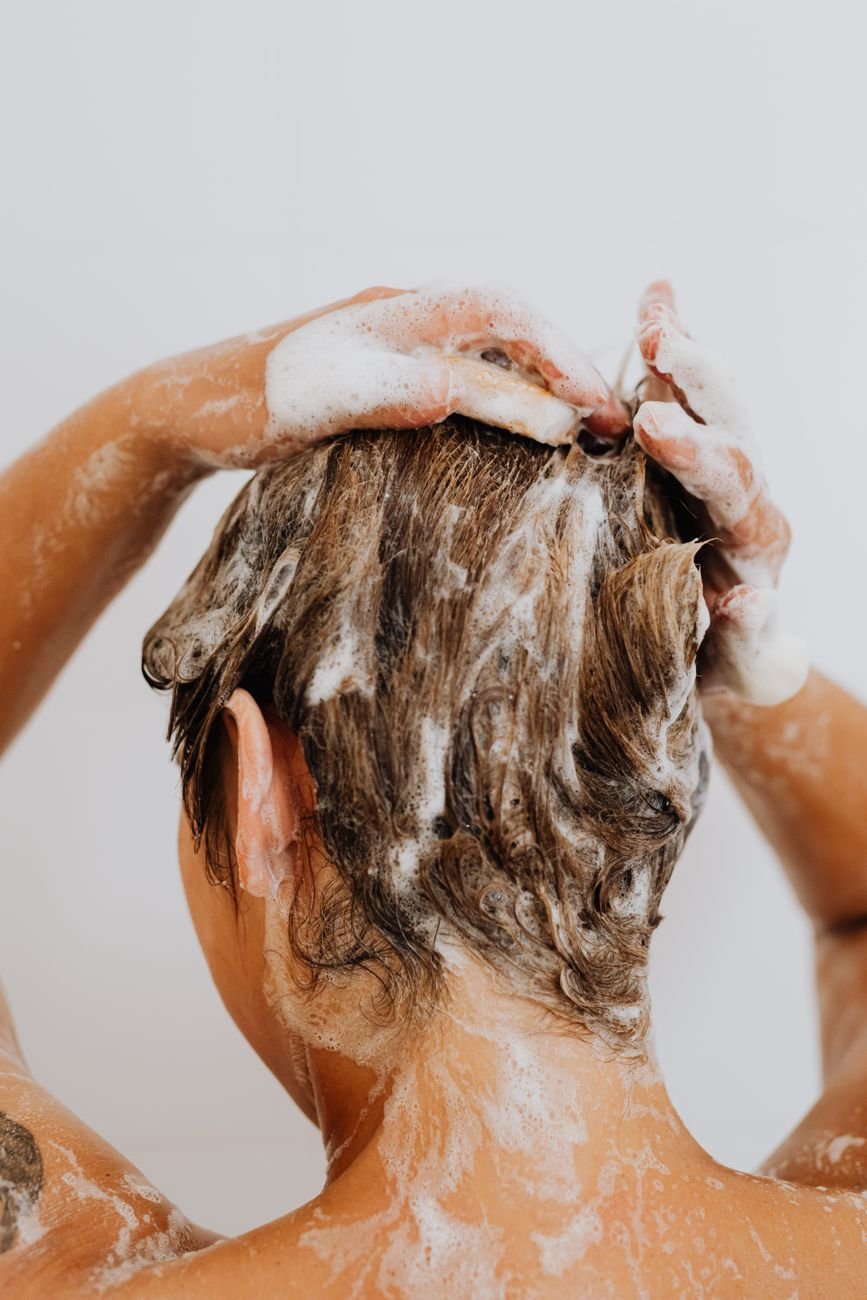
A dermatologist can usually tell dandruff from other scalp conditions by looking at the scalp and asking a few questions. They will ask how long you have had flakes, what products you use, and how often you wash your hair. They may also look at the skin on other parts of your body, because some scalp conditions show up elsewhere too. In most cases, no test is needed. The visit is short, and it gives you a clear answer. If the cause is not clear, the dermatologist may look more closely or ask you to try a simple care plan first and come back for a check.
It helps to go to the visit ready. Note when the flakes started, what makes them better or worse, and which shampoos you have tried. Bring the bottles or take photos of the labels. This saves time and helps the dermatologist give you useful advice. You can also write down your questions in advance, so you do not forget them.
Why Training Makes Dandruff Worse
Training is good for your body, but it can be hard on your scalp. Sweat is the main reason. When sweat dries on the scalp, it leaves salt behind, and that can irritate the skin. In addition, a damp scalp is a warm place where yeast can grow more easily. Hats, headbands, and helmets add to the problem. They trap heat and moisture close to the scalp for hours. If you train twice a day, your scalp may rarely dry out fully. That steady dampness can make dandruff worse over time.
Washing habits matter too. Some people skip washing after a workout because they are short on time. Others wash too often with harsh shampoo, which strips the scalp and causes more flaking. Both extremes can make the problem worse. The answer is a steady middle path: wash after sweaty sessions, but wash gently. The routine below shows you how.
Hats, Helmets, and Hair Products
Gear matters as much as sweat. A cycling helmet, a swim cap, or a tight gym hat can trap heat and moisture for the whole session. After the session, the damp gear goes back in the bag, and the next day it goes back on your head. Sweat, oil, and skin cells build up in the fabric. Over time, that buildup can irritate the scalp. The fix is simple: wash your hats and headbands often, and let them dry fully between uses. Hair products add to the load too. Heavy gels, waxes, and dry shampoo can coat the scalp and trap flakes. Keep products light on training days, and wash them out the same day.
A Simple Scalp Care Routine for People Who Train
A good scalp routine does not need to be long. It needs to be steady. These steps fit into a normal training week, and they take only a few extra minutes.
Wash After Sweaty Sessions
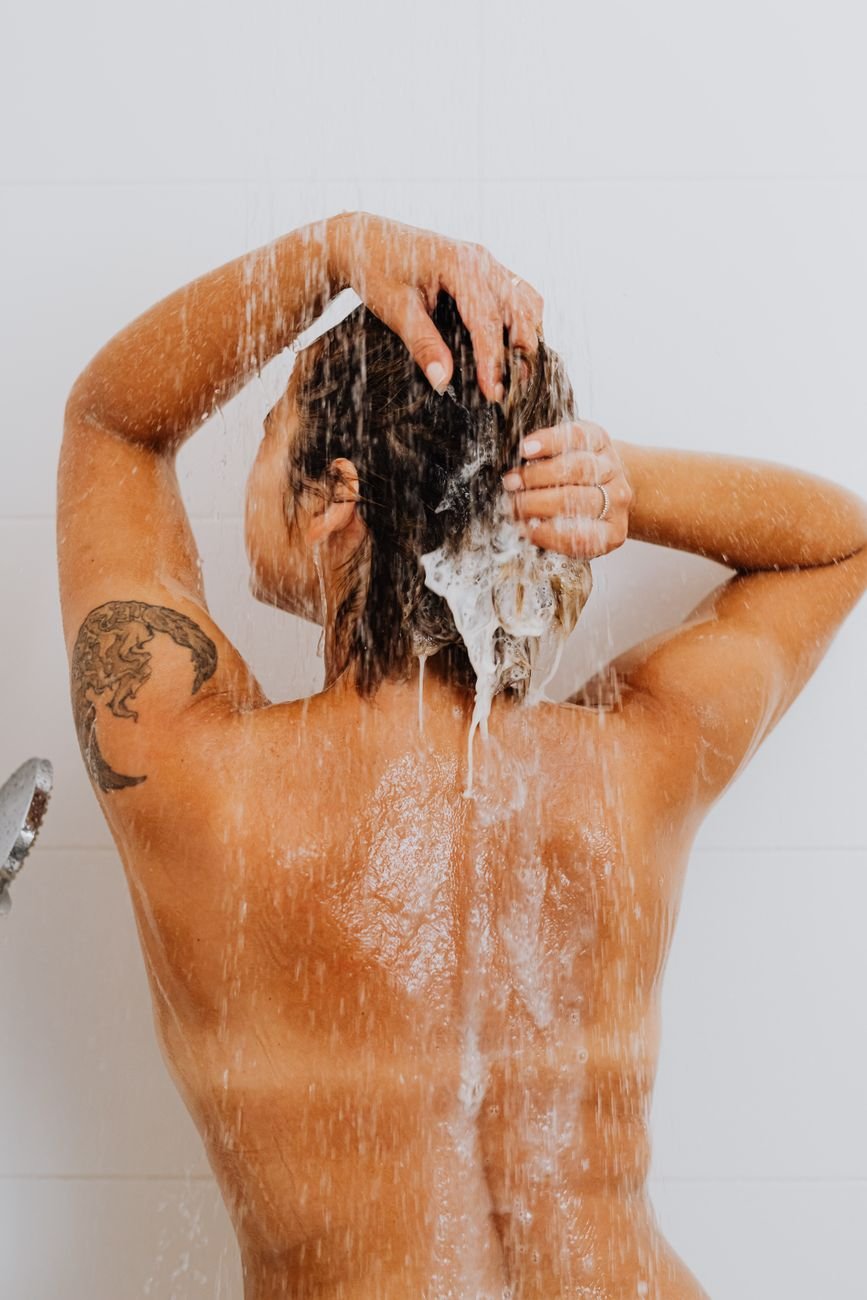
Wash your hair after a sweaty workout, and do it the same day. Use lukewarm water, not hot water, because hot water can dry the scalp. Wet your hair fully, then massage the shampoo into the scalp with your fingertips, not your nails. Rinse well. If you train twice a day, rinse with water after the lighter session and use shampoo after the harder one. This keeps the scalp clean without over washing it.
Choose a Gentle Shampoo
Pick a gentle shampoo that suits your hair type. If you have dandruff, look for a shampoo made for a flaky scalp. Use it as directed on the bottle. Lather it well and leave it on the scalp for a few minutes before you rinse. This gives it time to work. Rotate in a plain gentle shampoo on other wash days so your scalp does not get too dry. Avoid shampoos with strong fragrance if your scalp feels sensitive, because scent can irritate the skin. A simple formula is often the best choice for daily use.
Dry Your Hair Well
Dry your hair after washing. Do not put a hat on wet hair, and do not tie wet hair up tight. Let it air dry when you can, or use a cool setting on a dryer. A dry scalp is less friendly to the yeast that drives dandruff. In addition, wash your hats, headbands, and gym towels often. They hold sweat and oil, and they can put it back on your scalp.
Wash Your Gear Too
Your gym bag can work against your scalp. Hats, headbands, towels, and helmet liners collect sweat and oil with every session. If you reuse them without washing, you put that buildup back on clean hair. Wash fabric gear after every few uses, and let it dry fully in the air. Wipe down helmet liners and swim caps after each use. Keep a spare clean headband in your bag so you are never stuck with a damp one. These small steps cost little time, and they keep your scalp care routine working.
What About Dry Shampoo?
Dry shampoo is popular with people who train, because it soaks up oil fast and buys time between washes. It can help on a busy day, but it is not a replacement for washing. Dry shampoo sits on the scalp, and it can build up over time. That buildup can trap flakes and irritate the skin. If you use it, use it lightly and only now and then. Spray it at the roots, wait a few minutes, then brush it out well.
Do not use dry shampoo two days in a row, and do not use it after a very sweaty session. Sweat needs water to wash away, and dry shampoo cannot do that job. Wash with shampoo the same day after a hard workout, even if you used dry shampoo that morning. Think of dry shampoo as a backup for light days, not as your main wash. Used that way, it will not undo your scalp care routine.
Common Dandruff Mistakes to Avoid
A few common habits can make dandruff worse. The first is scratching an itchy scalp with your nails. Scratching can break the skin and make itching worse. The second is using very hot water. Hot water strips the natural oils from the scalp, and that can lead to more flaking. Third, many people use too much styling product. Gels, sprays, and dry shampoo can build up on the scalp, and that buildup can feed the problem.
Fourth, wearing a hat on wet hair traps moisture for hours. Fifth, skipping washes after hard sessions lets sweat and oil sit on the scalp. Each of these is easy to fix. Wash gently, use warm water, keep products light, and let your hair dry before you cover it. Small changes add up over a few weeks.
Healthy Habits That Support Your Scalp
Scalp health reflects your overall health. Sleep, food, and movement all play a part. For example, training makes you sweat, and sweat carries fluid and salts out of the body. Our guide to electrolytes explains how to replace them. Recovery matters too, and our guide to cold plunge benefits looks at one popular recovery method. For post workout food, our guide to how to make protein coffee covers a quick option that many people enjoy after training.
Nutrients also play a role in skin and hair health. Vitamin D plays a part in skin health, and collagen is a building block of skin. You can read more in our guides to vitamin D supplement and collagen supplement. If you train hard, you may also know muscle cramps. Our guide to magnesium for muscle cramps explains the role of this mineral.
Sleep, Stress, and Your Scalp
Sleep and stress affect your skin, and your scalp is skin too. Poor sleep can make itching feel worse, and stress can flare up skin conditions. Aim for a steady sleep routine, even on heavy training weeks. Wind down before bed, keep the room cool and dark, and avoid late night training when you can. In addition, give yourself rest days. Training hard every day without a break can raise stress in the body. A rest day helps your muscles, and it helps your scalp too.
What to Do If Dandruff Keeps Coming Back
If flakes keep coming back after a few weeks of gentle care, it is time to get advice. Keep your routine steady in the meantime. Wash after sweaty sessions, keep products light, and avoid scratching. Note what you have tried and how long you tried it. This helps a health professional understand the pattern.
Talk to a dermatologist if the flakes do not improve, or if you see redness, swelling, or sores on the scalp. A dermatologist is a skin specialist who can look at the scalp closely and tell you what is going on. They can also rule out other scalp conditions. The NHS has a helpful overview of dandruff and how it is managed. Bring a list of the products you use, and note how often you train. Do not try to diagnose the problem yourself, and do not start any treatment without advice from a health professional.
Track Your Triggers
Flakes often follow a pattern, and a short note can reveal it. For two weeks, write down when flakes are worst and what happened that day. Note the weather, the training you did, the products you used, and how well you slept. You may see a link you missed. For example, flakes may flare after double sessions, or after you wear the same hat for a week. Share your notes with the dermatologist if you go for advice. A clear pattern helps them help you faster.
Frequently Asked Questions
How often should I wash my hair if I have dandruff?
Wash after sweaty workouts, and aim for a steady routine rather than a fixed number. Most people who train do well washing every day or every other day with a gentle shampoo. If your scalp feels dry, wash less often or use a milder shampoo. The key is to keep sweat and buildup off the scalp without stripping it.
Does sweating cause dandruff?
Sweat does not cause dandruff on its own, but it can make it worse. Sweat leaves salt on the scalp, and a damp scalp gives yeast a warm place to grow. That is why washing after training helps. Rinse with water after a light session and use shampoo after a hard one.
Can I still wear a hat or headband when I train?
Yes, you can. Choose a clean, breathable hat or headband, and take it off as soon as you finish. Let your scalp dry. Wash your hats and headbands often, because they hold sweat and oil. Avoid wearing a hat on wet hair for a long time.
Is dandruff contagious?
No, dandruff is not contagious. You cannot catch it from another person, and you cannot pass it on. It is linked to yeast that lives on the skin of most people, and to how the scalp reacts to it. It is common, and it is manageable.
When should I see a dermatologist about dandruff?
See a dermatologist if flakes do not improve after a few weeks of gentle care, or if you see redness, swelling, or sores. Also seek advice if the itching is severe or if hair loss starts. Early advice helps you find the right care for your scalp.
Two More Common Questions
Can dandruff cause hair loss?
Dandruff itself does not often cause hair loss, but heavy scratching can break hairs and irritate the scalp. In addition, some scalp conditions that look like dandruff can affect hair growth. If you notice hair loss along with flakes, talk to a dermatologist. They can check the scalp and tell you what is going on.
How long does it take for dandruff to improve?
Give a new routine at least two to four weeks. Flakes often ease slowly, not overnight. Wash gently and steadily, and track the change with a weekly photo. If you see no change after a month of steady care, talk to a dermatologist. They can check whether something else is going on.
The Bottom Line
Dandruff is common, and training can make it worse, but a simple routine can keep it under control. Wash after sweaty sessions, choose a gentle shampoo, dry your hair well, and keep hats and towels clean. If flakes do not improve, talk to a dermatologist. Your scalp will thank you for the steady care.
This article is for general information only. It is not medical advice. If you have concerns about your scalp, talk to a qualified health professional or a dermatologist.

 Ablaze Fitness


 Mélanie Courcelles


