


Your hairline can change slowly, and you may not notice it at first. A ponytail that feels tight, a small patch of thinning near your temples, or tiny bumps along the hairline can all be early clues. Traction alopecia is hair loss caused by steady pulling on the hair, and it often starts with the styles we wear every day. The good news is that early changes are often reversible when the pulling stops. This guide explains what traction alopecia is, what causes it, and how to protect your hairline with simple changes.
You do not need to give up the styles you love. In fact, small changes in how you tie, braid, or rest your hair can lower the strain a lot. You will also learn which signs mean it is time to change a habit, and when it is wise to talk to a dermatologist. Keep reading for a clear plan you can start today.
What Is Traction Alopecia?
Traction alopecia is a type of hair loss that happens when hair is pulled again and again over weeks or months. The pulling strains the hair follicles, which are the tiny roots that hold each hair in place. At first, the follicles may become sore or inflamed. Over time, steady tension can weaken them, and hair may stop growing in that spot. Unlike some other types of hair loss, traction alopecia is linked to a clear cause: repeated tension. That is why it often shows up in the same places, such as the temples, the hairline, and the nape of the neck.
In the early stages, the change is often mild and easy to miss. You may see a few short broken hairs, some redness, or a slight widening of your part. If the pulling stops early, the hair can often grow back. If the tension goes on for years, however, the follicles can be damaged for good. That is why early action matters so much.
It helps to know how traction alopecia differs from other hair loss. For example, male pattern baldness follows a different pattern and has different causes. Traction alopecia, on the other hand, is tied to styling habits, and that means you have real control over it. The steps in this guide focus on lowering tension and giving your hair a break.
The good news is that traction alopecia is one of the few types of hair loss you can prevent with habit changes alone. No special products are needed. The most useful step is simply to lower the tension and keep it low. In the sections below, you will find a clear plan for doing that, plus the mistakes to avoid.
What Causes Traction Alopecia?
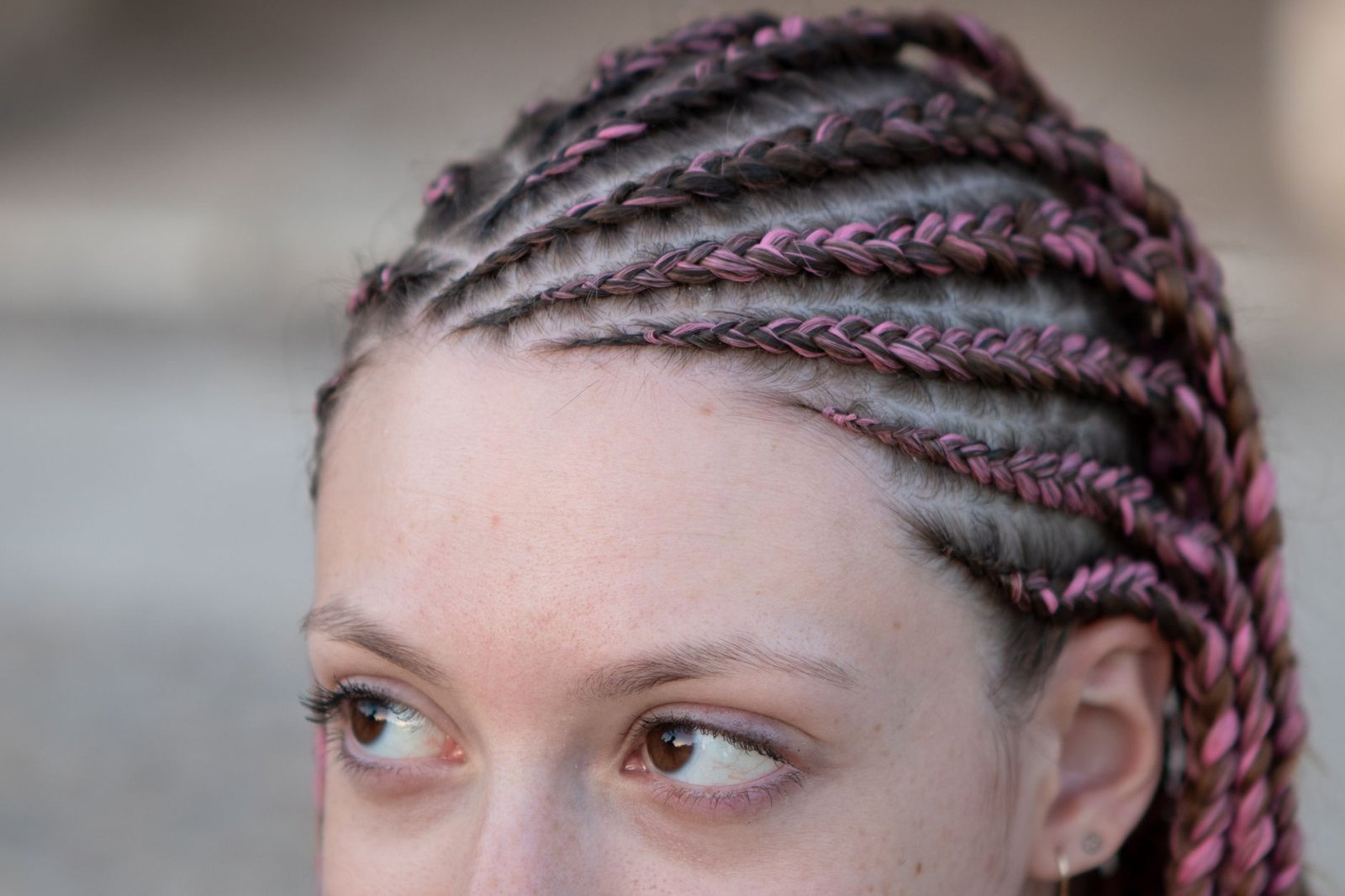
Traction alopecia is caused by repeated pulling on the hair roots. The most common cause is a tight hairstyle worn day after day. Tight ponytails, buns, braids, cornrows, and dreadlocks can all create steady tension. Hair extensions and weaves can add weight that pulls on the roots too. Even a tight headband or a hair clip worn in the same spot can add strain over time. In addition, heat styling and chemical treatments can weaken the hair shaft, which makes breakage more likely. The risk rises when several of these factors combine. For example, tight braids plus heavy extensions plus daily heat styling puts far more strain on the hairline than any one of these alone.
- Tight ponytails and buns
- Tight braids, cornrows, and twists
- Heavy extensions and weaves
- Tight headbands, clips, and hats
- Daily heat styling on the same sections
- Chemical treatments that weaken hair
The pattern matters as much as the style. A single tight ponytail for one day will not cause lasting harm. The problem builds when the same style pulls on the same spot for months. That is why variety helps. Changing your part, loosening your tie, and giving your hair rest days can all lower the load.
Early Signs of Traction Alopecia
The early signs of traction alopecia are easy to miss, so it helps to know what to look for. The first sign is often tenderness. Your scalp may feel sore when you take your hair down, or it may hurt when you brush it. Next, you may see small bumps or redness along the hairline. These bumps can look like tiny pimples, and they often show up where the hair is pulled tightest. Another early sign is thinning at the temples or along the front hairline. You may notice that your part looks wider, or that baby hairs along the edge have broken off. In some cases, the hairline itself moves back a little. If you see these signs, it is time to loosen your styles and give your scalp a rest.
- Scalp soreness or tenderness after styling
- Small bumps or redness at the hairline
- Thinning at the temples or front hairline
- Short broken hairs along the edges
- A part that looks wider than before
- Itching or flaking where hair is pulled tight
Do not ignore these signs. They are your scalp asking for a break. In the early stages, the change is often reversible, and that is the key point to remember. The sooner you ease thetension, the better the chance that your hair will recover.
Who Is Most at Risk of Traction Alopecia?
Anyone who wears tight styles often can develop traction alopecia, but some groups face a higher risk. People who wear braids, cornrows, or extensions for long periods are more likely to see it. So are dancers, gymnasts, and athletes who keep their hair tied back tightly every day. Children can be affected too, especially when their hair is pulled into tight styles for school or sport. Hair type also plays a role. Fine hair breaks more easily, while thick or curly hair can hide early thinning until it is more advanced. In addition, people who use chemical relaxers or frequent heat styling may have weaker hair that breaks sooner. The risk is highest when tight styles are worn for most of the day, every day, for months at a time. If that sounds like your routine, the steps below will help.
Nutrition also plays a role in hair health. For example, vitamin D plays a part in the hair growth cycle, and collagen is a building block of skin and hair. You can read more in our guides to vitamin D supplement and collagen supplement.
How to Protect Your Hairline From Traction Alopecia
You can protect your hairline without giving up the styles you like. The goal is simple: lower the tension, vary the style, and give your scalp regular breaks. These seven steps will help you do that.
Seven Steps to Ease Traction Alopecia
- Loosen the tie. Wear ponytails and buns looser, and move them to a different spot each day. If your scalp feels sore, the style is too tight. A good test is simple: if you can feel the pull when you move your head, loosen it.
- Change your part. Switch the part from one side to the other, or wear it in the middle. This spreads the tension across different areas instead of pulling the same spot every day.
- Take rest days. Let your hair down for at least two days each week. On rest days, wear it loose or in a soft, low style. Your scalp needs time to recover from daily tension.
- Choose soft ties. Use fabric scrunchies or spiral ties instead of thin elastic bands. Soft ties grip less, and they are less likely to snag or break hair. Avoid rubber bands, which can tear hair.
- Be gentle with extensions. If you wear extensions, keep them light and give your hair a break between installs. Heavy extensions pull on the roots all day, so lighter styles are kinder to your hairline.
- Cut back on heat. Use heat tools less often, and always use the lowest setting that works. Heat weakens the hair shaft, and weak hair breaks more easily under tension. Let your hair air dry when you can.
- Care for your scalp. Keep your scalp clean and moisturised, and massage it gently when you wash your hair. A healthy scalp supports healthy hair, and gentle care pays off over time.
Hairstyles That Are Kinder to Your Hair
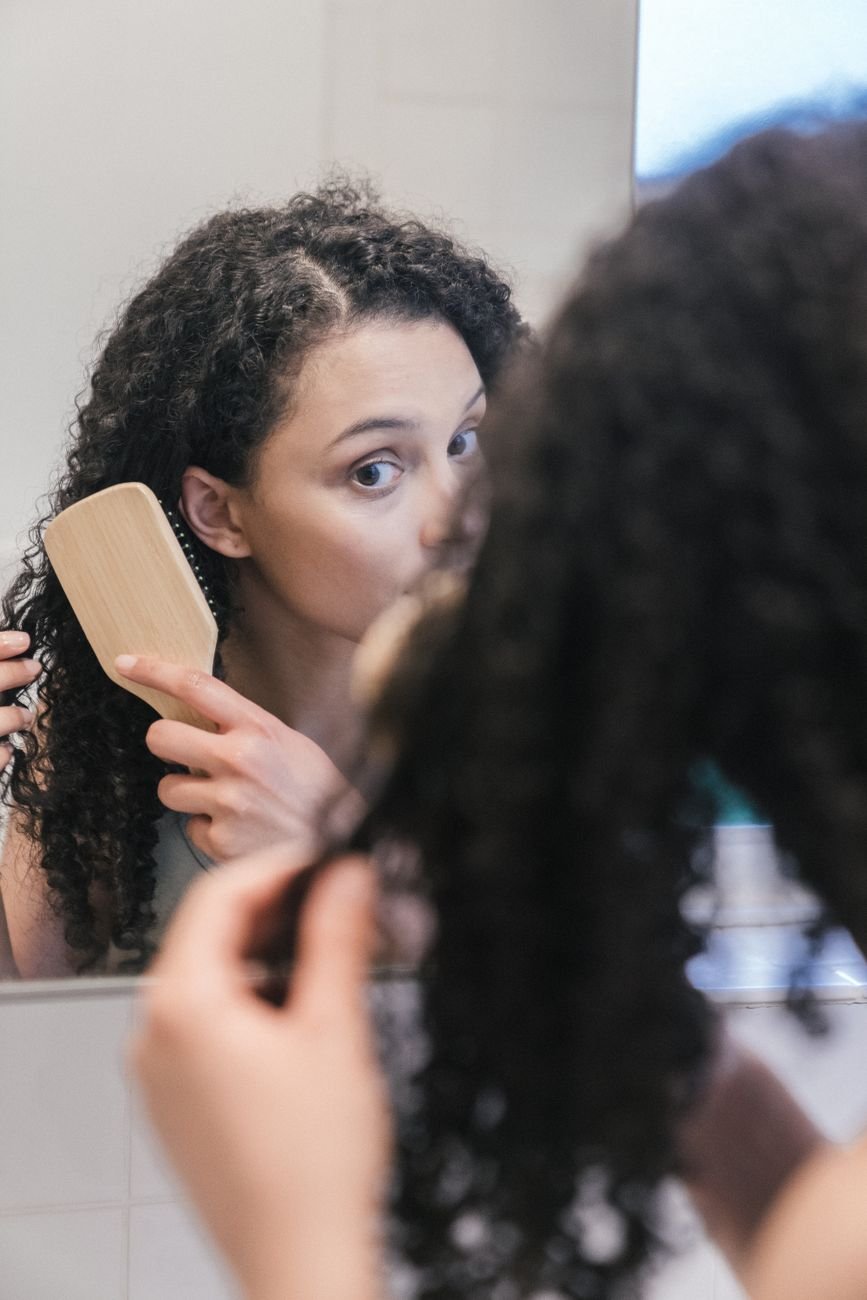
Some styles put far less strain on your hairline than others. Loose braids, low ponytails, and soft buns are good choices. Claw clips can hold hair up without pulling as hard as a tight tie. In addition, wearing your hair down more often gives the roots a full break. If you love braids, ask your stylist to keep them loose at the edges. The hairline is the most fragile area, so it needs the gentlest touch. The same rule applies to edges and baby hairs. Avoid pulling them tight with gel every day. A soft edge style looks neat without the strain.
When you do wear a tighter style, keep it short term. Wear it for the event or the workout, then take it down when you get home. In short, tight styles are fine now and then, but loose styles should be your daily default.
If you work out daily, your gym style matters too. A tight high ponytail for every session adds up over months. Try a low, loose ponytail or a soft braid for training instead. A sweatband can keep hair out of your face without pulling. After your workout, take the style down and let your scalp breathe.
Protective styles can help, but only when they are loose. A loose low bun, a soft braid, or a silk scarf at night can guard the hair while you sleep. A satin pillowcase also cuts friction, which means less breakage. Avoid styles that pull at the edges, even if they are meant to protect the hair. A protective style should feel easy, not tight. If it hurts, it is not protecting your hair.
Common Mistakes That Make Traction Alopecia Worse
A few common habits can make traction alopecia worse without you noticing. The first is ignoring pain. If a style hurts, it is too tight, and wearing it anyway adds damage. The second is wearing the same style every day. The same tension on the same spot adds up fast. Third, many people pull their edges tighter to get a smooth look. That smooth look comes at a cost, because the hairline takes the most strain. Fourth, heavy extensions worn back to back give the roots no rest at all.
Fifth, brushing wet hair hard can snap fragile strands. Wet hair is weaker, so use a wide tooth comb and work gently. Finally, skipping rest days keeps the follicles under constant strain. Your scalp needs breaks, just like your muscles do after a hard workout.
Another mistake is to rely on edge control products to smooth the hairline every day. These products often come with tight brushing, which adds more strain. Use them now and then, not daily. A soft look is kinder to your hairline in the long run.
Hair health also reflects your overall health. Sleep, food, and movement all play a part. For example, regular training supports blood flow, and our guides to electrolytes and magnesium for muscle cramps cover two topics that active people often ask about. Recovery counts too, and our guide to cold plunge benefits explains one popular method in detail.
What to Do If You Notice Thinning
If you notice thinning at the hairline or temples, start by easing the tension. Loosen your styles, take rest days, and avoid extensions for a while. Watch the area for a few weeks and note any change. Take a photo once a month so you can compare. In the meantime, be gentle when you wash and brush your hair. Avoid tight styles, heat, and chemical treatments while the area recovers.
If the thinning does not improve, or if you see redness, scaling, or scarring, talk to a dermatologist. A dermatologist is a skin and hair specialist who can look at the area closely and tell you what is going on. They can also rule out other causes of hair loss. The NHS has a helpful overview of hair loss and its causes.
Bring a list of the styles you wear most often, and note how long you have worn them. This helps the dermatologist understand the pattern. You can also ask what to expect next and how to protect the area. Do not try to diagnose the problem yourself, and do not start any treatment without advice from a health professional. Early advice from a dermatologist gives you the best chance of a good outcome.
How Long Does It Take to See Improvement?
Improvement takes time, so set fair hopes. Hair grows slowly, at about one centimetre a month for most people. That means you may not see clear change for several weeks. The first sign is often less soreness. Your scalp may feel calm when you take your hair down, and the small bumps may fade. Next, you may see fine new hairs along the hairline. These short hairs are a good sign. They show that the follicles are active again. Full regrowth takes longer. In many cases, it can take three to six months to see a clear change. The exact time varies from person to person. Age, health, and how long the tension lasted all play a part.
While you wait, keep the routine gentle. Take a photo once a month from the same angle and in the same light. Photos make slow change easier to see. In addition, keep a short note of the styles you wear each week. This helps you spot which styles still pull too hard. If you see no change after three months of gentler styling, talk to a dermatologist. They can check the area and give you clear next steps. Patience matters, but so does getting advice when progress stalls.
Frequently Asked Questions
Can traction alopecia be reversed?
In the early stages, yes, it often can. When the pulling stops, the follicles can recover and hair can grow back. That is why early action matters. If the tension has gone on for years and the follicles are scarred, however, regrowth is less likely. If you are unsure, a dermatologist can assess the area.
How long does it take for hair to grow back after traction alopecia?
Hair grows slowly, so give it time. You may see fine new hairs after a few months, and fuller regrowth can take six months or more. The exact time varies from person to person. Keep the area free of tension while you wait, and track progress with monthly photos.
Are braids safe if I have traction alopecia?
Loose braids can be fine, but tight braids are not. Ask your stylist to keep the edges loose, and take breaks between installs. If your scalp feels sore after braiding, the style is too tight. Listen to that signal and loosen it.
Does traction alopecia affect men as well as women?
Yes, it can affect anyone who wears tight styles. Men who wear tight man buns, braids, or extensions can develop it too. The signs and the steps to protect the hairline are the same for everyone.
When should I see a dermatologist about traction alopecia?
See a dermatologist if the thinning does not improve after a few weeks of gentler styling, or if you see redness, scaling, bumps, or scarring. Also seek advice if the hairline keeps moving back. Early advice helps you protect the hair you have.
The Bottom Line
Traction alopecia is common, and it is often preventable. The key is to lower the tension on your hairline, vary your styles, and act early when you notice a change. Loose styles, rest days, and gentle care can make a real difference. If you are worried about thinning, talk to a dermatologist. Your hairline will thank you for the care you give it today.
This article is for general information only. It is not medical advice. If you have concerns about hair loss, talk to a qualified health professional or a dermatologist.

 Ablaze Fitness


 Mélanie Courcelles


