

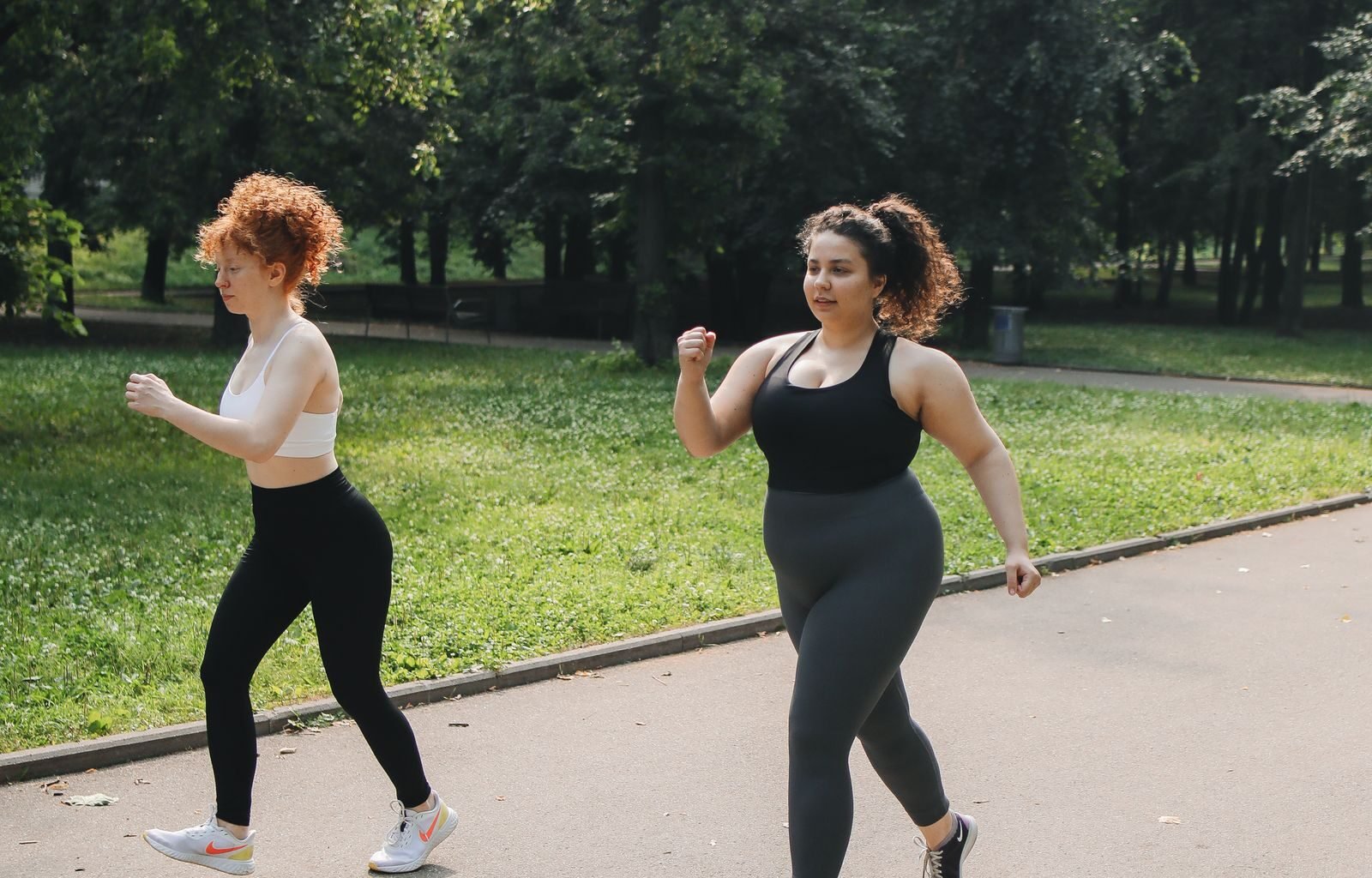
If your feeds keep showing walkers who surge ahead for a few minutes and then suddenly ease off, you have already met the japanese walking method. This interval walking routine was developed by researchers in Japan, and it has gone viral because it promises more fitness from a 30 minute walk than a slow, steady stroll of the same length. Better still, it needs no gym, no equipment, and no running.
In this guide, you will learn the exact protocol, what the original study actually found, and how it compares with the familiar 10,000 steps goal. You will also get a 4-week beginner plan that builds up gently, plus treadmill and indoor versions for bad weather days. By the end, you will know whether this style of walking fits your life and how to start it safely.
What Is the Japanese Walking Method?
The japanese walking method is a form of interval walking training. Instead of holding one comfortable pace from start to finish, you alternate short bursts of fast walking with short periods of slow walking. Each fast and slow pairing counts as one cycle, and you repeat the cycles until you reach about 30 minutes.
Researchers at Shinshu University in Japan designed the program for middle-aged and older adults who wanted stronger fitness gains without jogging. Because the fast sections are brief, your body gets a real challenge, yet the slow sections give you time to recover before the next push. As a result, most people find the session feels manageable even though the total effort is higher than a normal walk.
This approach also suits people who get bored on long, steady walks. The pace changes every 3 minutes, so your attention stays on the timer rather than the distance. In addition, the structure is easy to remember, which means you can do it on any route, in any season, with nothing more than a watch or phone timer.
The Japanese Walking Method Protocol, Step by Step
The full protocol is simple, and you can learn it in one session. Here is the exact structure used in the research and in most guides since.
The basic session
- Warm up with 3 to 5 minutes of easy walking, gradually building to your normal pace.
- Walk fast for 3 minutes at about 70 percent of your maximum effort.
- Walk slowly for 3 minutes at about 40 percent of your maximum effort.
- Repeat the fast and slow pairing until you have completed 5 cycles, which takes 30 minutes.
- Cool down with 3 to 5 minutes of easy walking, then stretch your calves and thighs lightly if you like.
The target schedule is at least 4 days per week. In the original research, participants built up toward this routine across several months, so you do not need to hit the full dose in week one. The 4-week plan below shows a gentler way in.
How to judge 70 percent and 40 percent effort
Percentages sound technical, but you do not need a heart rate monitor to use them. Instead, use the talk test and a simple 1 to 10 effort scale.
At about 70 percent effort, which is a 7 out of 10, your breathing is hard and your heart is clearly working. You can speak a few words at a time, but a full conversation feels difficult. Your legs should feel warm and purposeful, as if you are hurrying for a train you really want to catch.
At about 40 percent effort, which is a 4 out of 10, you can chat comfortably and your breathing settles back down. This is a relaxed stroll, and it should feel almost too easy by the end of the 3 minutes. That contrast is the point, because the recovery sections are what let you push again on the next fast section.
If you do wear a heart rate monitor or smartwatch, you can cross-check with your numbers. However, perceived effort is the measure the original program relied on for most walkers, and it works well once you have practiced for a week or two.
What the 2007 Shinshu University Study Found
The method comes from a study run at Shinshu University and published in 2007. The researchers recruited more than 200 middle-aged and older adults and split them into groups. One group followed the interval walking program. Another group aimed for a daily step target at a steady moderate pace. A third group made no specific change.
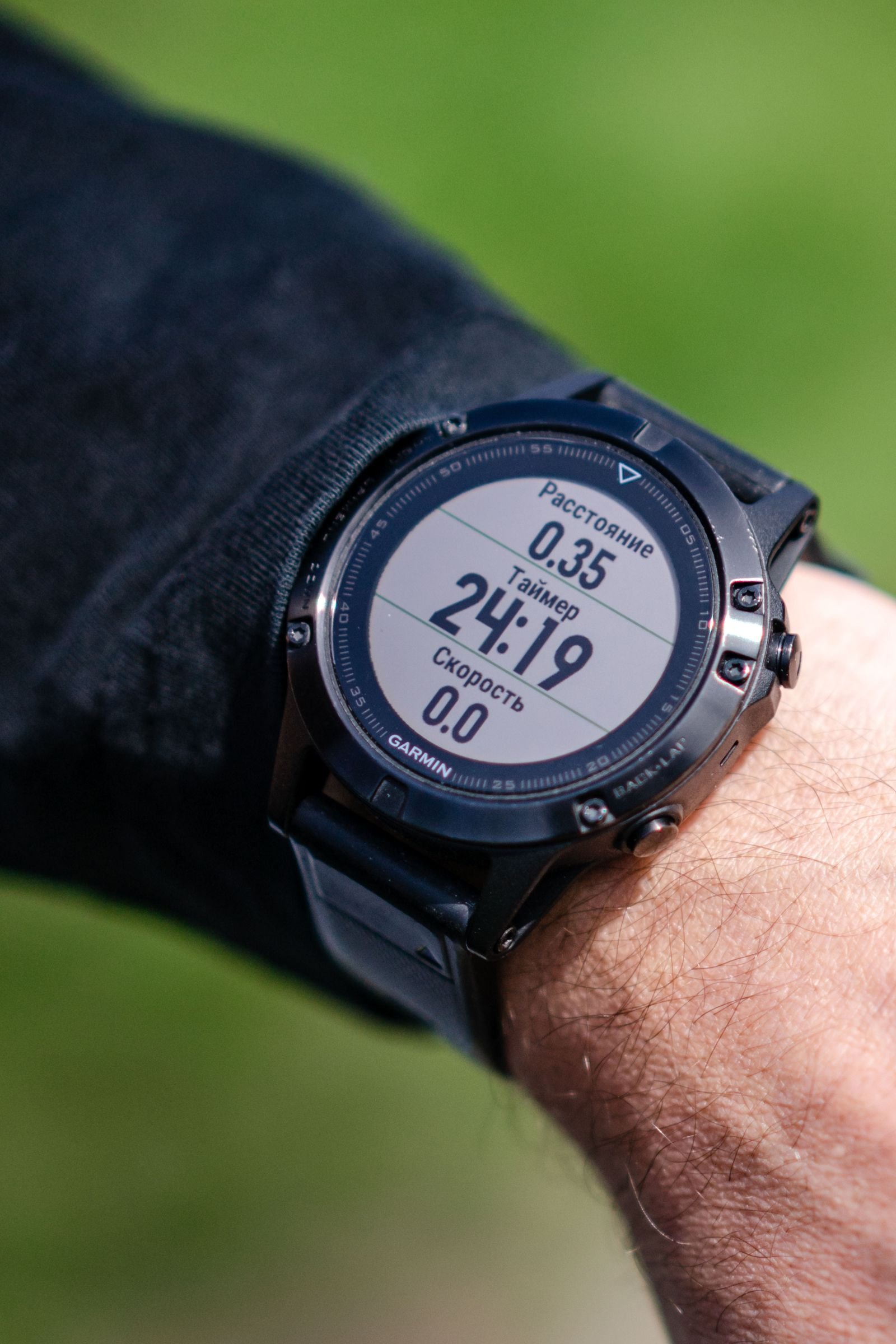
The program ran for about 5 months. Participants in the interval group were asked to complete sets of fast and slow walking. They walked on at least 4 days per week and carried a small device. It tracked their effort and reminded them when to change pace.
In plain language, the interval walkers improved the most. By the end of the study, they had raised their peak aerobic fitness and thigh muscle strength. They had also lowered their blood pressure. Both improvements were noticeably larger than the steady pace group’s results in the same period. The steady walkers still gained some benefit. This confirms that all walking helps. Still, the intervals produced larger changes in fitness and strength.
Two honest cautions matter here. First, the study was relatively small and focused on middle-aged and older adults in Japan, so the results may not transfer perfectly to every age group or population. Second, the gains came from months of consistent practice, not from a single heroic week. Even so, the study remains the backbone of the method, and later research on interval walking in older adults and in people managing blood sugar has pointed in a similar direction.
Japanese Walking vs 10,000 Steps: An Honest Comparison
Many readers already follow the 10,000 steps goal, so the fair question is whether intervals are actually better. The honest answer is that they do different jobs, and the best choice depends on your time, your joints, and your goals.
| Factor | Japanese walking method | 10,000 steps a day |
|---|---|---|
| Time needed | About 30 focused minutes | Spread across the whole day |
| Intensity | Alternates high and low effort | Mostly low to moderate effort |
| Fitness gains | Stronger effect on aerobic fitness and leg strength in the study | General activity and calorie burn |
| Structure | Timed intervals, needs attention | Flexible, no timer needed |
| Best for | People short on time who want measurable fitness progress | People building a daily movement habit |
If you want a deeper look at what a daily step target can and cannot do, our guide on whether walking 10,000 steps a day helps fat loss breaks down the evidence and the realistic expectations.
In practice, the two approaches combine well. You can treat your interval session as the training part of your day and then let ordinary steps from errands, work, and chores build on top of it. Meanwhile, steps alone will not give you the same fitness stimulus, because your body adapts to challenge, and steady easy walking stops being a challenge fairly quickly.
Calories deserve one honest note. A 30 minute interval session burns a moderate amount of energy, and the exact figure depends on your weight and pace. If you want your own numbers rather than a generic chart, run your details through our calorie calculator after your walk and log the result for a week.
A 4-Week Beginner Plan for the Japanese Walking Method
The research protocol is the destination, not the starting line. If you are new to brisk walking, jumping straight into five hard cycles can leave your shins and calves complaining. Instead, follow this progression, which keeps the 3 and 3 rhythm but adjusts the effort and the number of cycles.
Week 1: Learn the rhythm
Walk on 3 or 4 days. Warm up for 5 minutes, then complete 3 cycles where the fast sections sit at about 60 percent effort, a strong but comfortable push. Finish with an easy cool down. Your only goal this week is to get used to changing pace on the timer.
Week 2: Add a cycle
Walk on 4 days. Complete 4 cycles per session, and let the fast sections rise to about 65 percent effort. By now the talk test should feel natural, so check yourself once per fast section: a few words out loud, then back to breathing.
Week 3: Reach the full session
Walk on 4 days. Complete the full 5 cycles, which gives you the complete 30 minutes of intervals. Keep the fast effort near 65 to 70 percent, and shorten a fast section by 30 seconds if your form starts to fall apart. Good form at a slightly lower effort beats sloppy form at full effort.
Week 4: The full protocol
Walk on 4 or 5 days. Complete 5 cycles with fast sections at about 70 percent effort and slow sections at about 40 percent. From here, you are doing the japanese walking method as studied. After week 4, you can progress by adding a fifth day, choosing a route with gentle hills, or adding one extra cycle on your strongest day.
A few rules apply across all 4 weeks. First, take at least one full rest day between the early sessions if your legs feel heavy. Second, end any session early if you feel pain rather than effort, especially in the shins, knees, or feet. Finally, repeat a week whenever you need to, because steady progression matters far more than a perfect calendar.
Treadmill and Indoor Versions
Rain, snow, and dark winter evenings do not have to cancel your session. The method transfers well indoors, and many beginners actually prefer learning the paces on a treadmill first.
On a treadmill, set the slow sections at a comfortable walking speed and the fast sections about 1 to 1.5 miles per hour quicker, then adjust until the effort matches the talk test. A slight incline of 1 to 2 percent makes the treadmill feel closer to outdoor walking. Because the belt keeps your pace honest, treadmill sessions are a good place to learn what your personal fast pace really is.
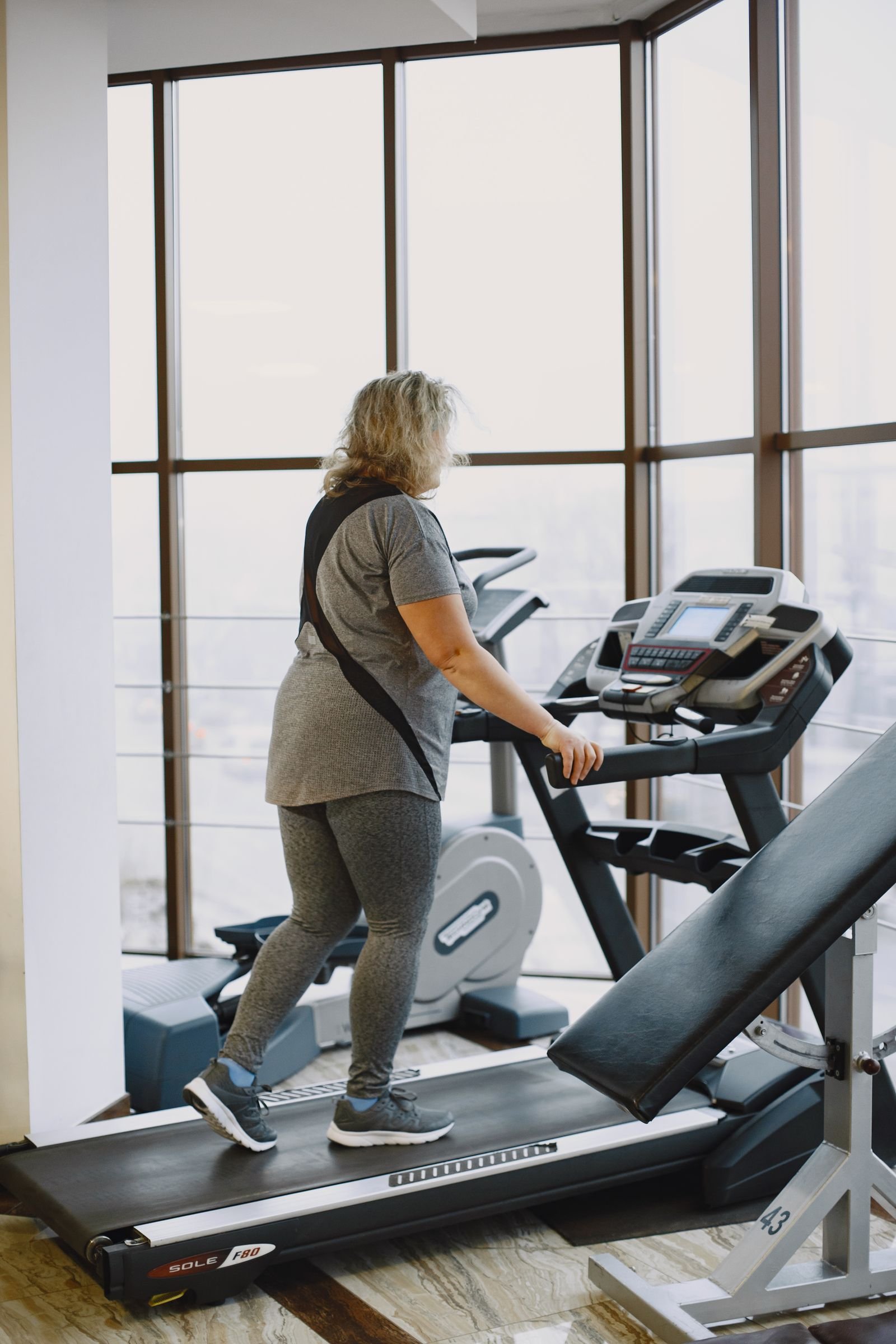
Without a treadmill, you have several options. Indoor tracks and large shopping centers offer flat, weatherproof loops, and many open early for walkers. At home, you can march in place during a program, walk the length of a hallway or around a room circuit, or use a compact walking pad if you own one. Stair flights can serve as a fast section substitute for confident walkers, although plain marching at a quicker tempo works just as well for most people.
Whatever the setting, keep the same structure: 3 minutes fast, 3 minutes slow, repeated to about 30 minutes. The method lives in the rhythm, not in the location.
Common Mistakes That Weaken Your Intervals
Small errors can quietly turn an interval session into an ordinary walk. Watch for these four.
First, the most common mistake is a fast pace that is not fast enough. If you can hold a full conversation during a fast section, you are probably near 50 percent effort, not 70. Second, the opposite mistake is treating the slow sections as more training. If you never let your breathing settle, the next fast section suffers and the whole session becomes one tired medium pace.
Third, many walkers skip the warm up and launch into the first fast interval cold, which is a fast route to tight calves. Finally, some people watch the clock so closely that their posture collapses. Keep your eyes up, your shoulders relaxed, and your arms swinging naturally, and let a simple interval timer app or watch beep handle the counting.
Who Should Be Careful Before Starting
Interval walking is still walking, and most healthy adults can start the beginner plan right away. However, the fast sections do raise your heart rate, so a few people should check with a doctor or another qualified professional first.
Talk to your doctor before starting if you have a heart condition, uncontrolled blood pressure, or chest pain during activity. The same advice applies if you have diabetes and take medication that can lower blood sugar, if you have joint problems in your knees, hips, or ankles, or if you have been completely inactive for a long period. Balance issues and a history of falls also deserve a conversation first, because the pace changes demand steady footing.
Even with clearance, start at the week 1 level and build slowly. Stop the session and seek medical advice if you feel chest pain, unusual breathlessness that does not settle during a slow section, dizziness, or sharp joint pain. General fitness information like this guide can help you plan, but it cannot judge your personal risk.
Frequently Asked Questions About the Japanese Walking Method
How many days a week should I do the japanese walking method?
The research protocol used at least 4 days per week. Beginners can start with 3 days in the first week and build up, because consistency across months matters more than a perfect first week.
Can the japanese walking method help with weight loss?
It can support weight loss as part of a wider routine, because it raises your fitness and burns more energy than an easy stroll of the same length. On its own, though, no walking style outruns a large calorie surplus, so pair it with sensible eating. For context on what daily movement does for your health overall, see our overview of the benefits of daily exercise for physical and mental health.
Is the japanese walking method better than jogging?
For many people, it is the more sustainable option. Jogging can build fitness faster, but it loads the knees and ankles with much more impact, and many adults simply will not stick with it.
Interval walking offers a middle path: a genuine fitness challenge with walking-level impact.
Pace, timing, and equipment for the japanese walking method
How fast is fast enough for the fast sections?
Use the talk test. At the right pace you can manage a few words but not a conversation, and your effort feels like a 7 out of 10. On flat ground, many adults land somewhere around a brisk 3.5 to 4 miles per hour, although your number depends on your height, fitness, and terrain.
Can I split the 30 minutes into two shorter sessions?
You can, especially in the first weeks. Two blocks of 2 or 3 cycles still train the same rhythm. However, aim to build toward the full 30 minute session over time, because that is the dose the research actually tested.
Do I need special shoes or equipment for the japanese walking method?
No special equipment is required. You need supportive walking shoes that fit well, comfortable clothing, and a timer. A watch or phone app that beeps at each change makes the session much easier to follow.
The Bottom Line
The japanese walking method turns an ordinary half hour walk into structured training by alternating 3 minutes of fast walking with 3 minutes of slow walking. The original Shinshu University research found that this simple pattern improved aerobic fitness, leg strength, and blood pressure more than steady walking over the same period. Start with the beginner progression, respect the effort levels, and give the habit a few months to compound. Small, repeated challenges are what change fitness, and this method packages them into the most accessible exercise there is: walking.
This article is general fitness information only and is not medical advice. Talk to a qualified professional about your own situation before starting a new exercise program.

 Ablaze Fitness


