


Bacne has a way of showing up exactly when you least want it. You finish a good run of training, and your arms and shoulders look strong. Then you catch your back in a mirror. A scatter of spots sits across your shoulders. It feels unfair. You are doing something healthy, yet the spots make it look like you are not looking after yourself. The truth is kinder than that. Bacne is ordinary acne in a place that is hard to wash, hard to see, and easy to irritate. It responds to the same habits that help acne anywhere else. First you need to understand why the back and chest are such easy targets.
Bacne is the nickname for acne on the back and chest. Doctors usually call it truncal acne, because the trunk is the medical word for the torso. The spots look the same as facial acne, and they form the same way. A pore fills with oil and dead skin, the opening narrows, and bacteria that normally live on skin multiply in the trapped mixture. The result can be a blackhead, a whitehead, a red bump, or a deeper sore spot under the skin. The NHS acne guidance explains this process in plain terms, and it is worth reading if you want the basics from an authority you can trust.
What Bacne Actually Is
Your skin makes oil to keep itself soft and protected. That oil, called sebum, travels up through a hair follicle and out onto the surface. When the follicle sheds dead skin cells faster than they can clear, the cells mix with oil and form a plug. A plug near the surface darkens into a blackhead. A plug sealed under the skin becomes a whitehead. When the wall of the follicle breaks, the mixture leaks into the surrounding skin and the immune system reacts, which is what makes a spot red, sore, and swollen. None of this means your skin is dirty. Acne is not caused by poor hygiene, and scrubbing harder does not fix it. It is a plumbing problem in the pore, made worse by oil, friction, and time.
Most people get some acne on the face first, because the face has the most oil glands per square inch. The back and chest are next in line. Both areas have large pores and plenty of oil glands, and both spend most of the day covered by fabric. That combination is why bacne is so common in people who train. It is not a sign of a hormone problem on its own, and it is not something you caused by eating the wrong food last week. Hormones, genetics, and age all play a part, and training adds friction and sweat on top of that mix. If you already have acne on your face, you are more likely to see it on your back and chest too, because the same skin type is at work in both places.
Why the Back and Chest Are Easy Targets
The back is the hardest place on your body to wash properly. You cannot see it. Reaching the middle of it takes effort. Most people give it a quick pass with a soapy hand and move on. Shampoo and conditioner run down your back in the shower. If they are not rinsed off fully, the residue can sit in pores and add to the clogging. The skin on the back is also thicker than facial skin. Spots there can sit deeper and take longer to settle. A spot on your cheek might fade in a week. The same kind of spot on your back can linger for three or four.
Clothing makes the difference bigger. A tight training top traps heat and sweat against the skin. A backpack strap or a gym bag strap presses fabric into the same patch of skin for an hour at a time. That pressure and rubbing has a name. It is acne mechanica. It is one of the main reasons athletes get spots where their kit touches them. The chest has its own version of the problem. Sports bras and tight vests hold sweat against the skin for the whole session.
Add a long commute home in damp kit, and the pores have had hours of warm, oily, friction-filled conditions to work with. A simple skin care routine that treats the back and chest as skin worth washing properly is the first fix, not a stronger product.
Training does not cause acne on its own, but it creates the exact conditions that let it flare. Heat, sweat, friction, and time all work together, and most of us add hours of damp clothing on top. Once you see the pattern, the fixes start to look obvious.
Why Training Triggers Bacne
Sweat is the first suspect most people blame, and it is only half guilty. Sweat itself does not clog pores. It is mostly water and salt, and it washes off easily. The problem is what happens when sweat sits on warm skin for hours under tight fabric. It softens the top layer of skin. The sweat mixes with oil and dead cells. Pores stay damp and swollen while bacteria multiply. That is why the shower you take matters less than when you take it. A shower three hours after training does far less than a shower thirty minutes after training. The mixture has had three hours to settle into the pores. Replacing fluids matters for performance too. That is why electrolytes come up in every conversation about sweaty sessions. No drink fixes skin that stays damp in a tight top for the afternoon.
Friction and bacne: straps, seams, and benches
Friction is the second trigger, and for many lifters it is the bigger one. Every strap, seam, and tight edge can press into skin. That pressure can push oil and dead cells deeper into a pore. It can irritate the follicle wall. A barbell rests across the upper back. Backpack straps press over the shoulders. A sports bra band circles the chest. Benches press into the shoulder blades. All of them do the same job. Dermatologists call this acne mechanica. It shows up exactly where the pressure was. If your spots cluster in a neat band where a strap sits, friction is probably the cause. The same goes for a patch where a bench touches your back. Looser kit helps. Clean straps help. A towel between your back and a shared bench cuts this trigger down without any product at all.
Creatine and steroids: two different answers
This supplement deserves a clear answer, because it comes up in every gym conversation about bacne. Creatine is popular among lifters, and some people notice spots after they start taking it. There is no established evidence that creatine causes acne. It does not raise the hormones that drive oil production. The studies on it do not list acne as an effect. If spots appear after starting creatine, the timing is usually a coincidence. The real cause is often a change in training load and sweat. A new programme also means more time in kit. Anyone curious about dosing and safety can read how to take creatine for the basics.
Anabolic steroids are different, and they need a straight answer too. They are a recognised trigger for acne, including severe acne on the back and chest, because they raise the hormones that drive oil production and speed up skin cell turnover. The acne they cause is often deeper, more painful, and slower to clear than ordinary bacne, and it can scar. This is a known effect of these drugs, not a mystery and not a rumour. Anyone using anabolic steroids should know this risk and talk to a clinician about it rather than trying to treat the spots alone.

The habits that help bacne are boring, cheap, and easy to skip. That is the whole point. They work because they remove the conditions that let spots form, and they work slowly, over weeks, not overnight. No single product does the job on its own. The routine below is the full picture, and the order matters as much as any one step.
The Habits That Actually Help
Shower soon after training, and treat the timing as part of the workout. Thirty minutes is a good target, and an hour is the outer limit worth aiming for. Lukewarm water is kinder than hot water, because hot water strips the oils that protect the skin barrier and can leave skin more reactive. Use a gentle cleanser on the back and chest rather than a harsh scrub or a strongly scented shower gel. Your hands are enough for washing, and a long-handled soft brush or a clean washcloth helps you reach the middle of your back without scratching. Rinse well, because cleanser left sitting on skin can irritate it just as much as sweat can
Wash your body after your hair
Wash your body after your hair, not before. Shampoo and conditioner are designed for hair. The residue they leave on skin can clog pores on the back and chest. The fix is simple and costs nothing. Wash and condition your hair first. Then wash your back and chest with cleanser. Then rinse everything. Tie long hair up while the conditioner sits. That way it does not rest against your back. It will not transfer product onto skin you have just cleaned. People who switch the order often see a difference within a few weeks. The back stops getting a daily coat of hair product.
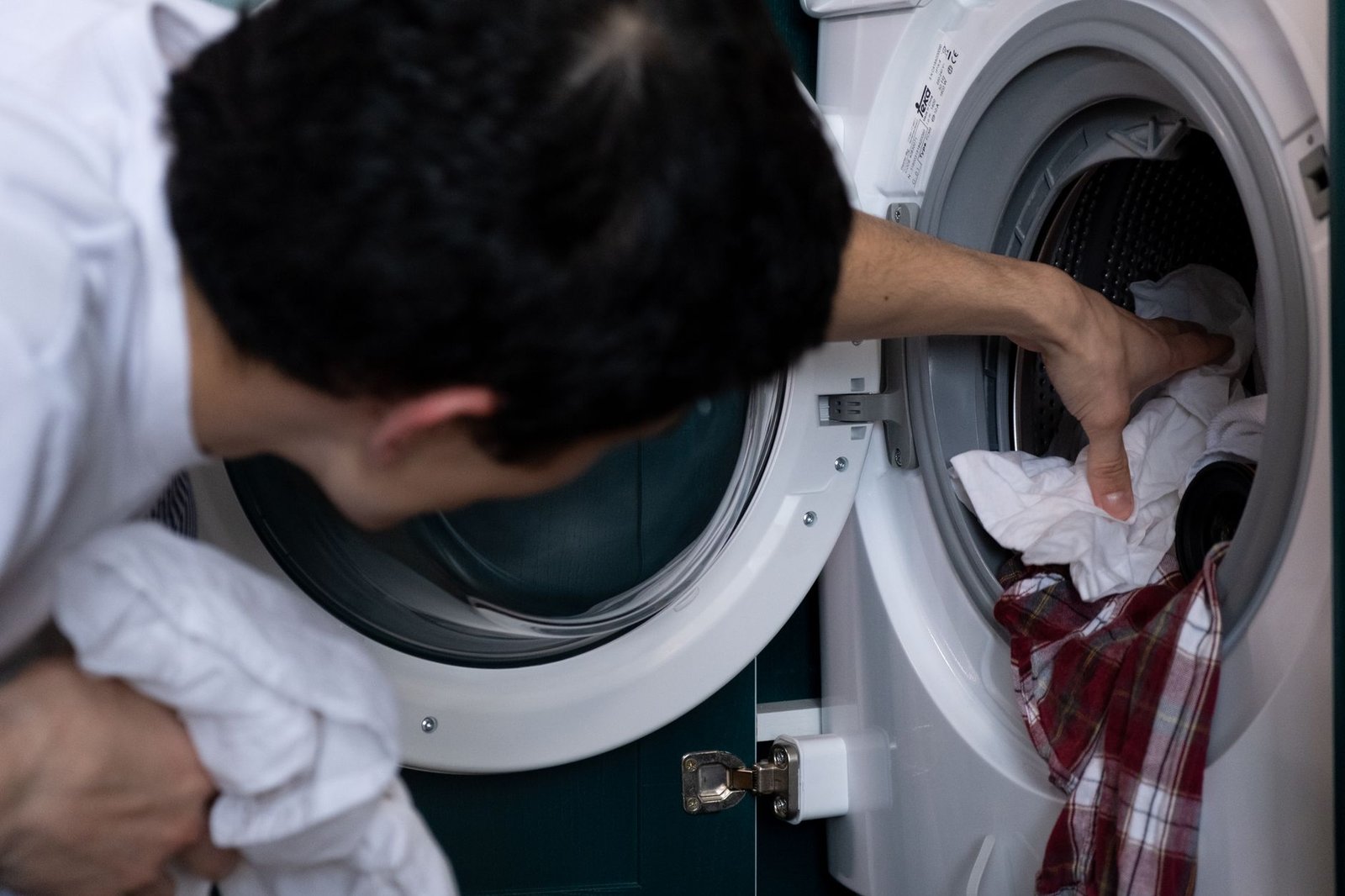
Friction control is the habit most people miss, because it feels too simple to matter. Change out of damp kit as soon as you can. Wash training clothes after every session. Do not wear them twice. A top that smells fine can still carry oil, dead skin, and bacteria from the last workout. Choose looser kit for training when you can. Wash straps, sports bras, and hats as often as the kit itself. If you carry a backpack, loosen the straps after training. Carry the bag in your hand for the walk home. A clean towel on a shared bench protects your back. It shields you from other people’s sweat and from the bench itself. These are small moves. Together they remove the pressure and rubbing that turn a small clog into a sore spot.
Ingredients that can help bacne
Ingredients can help, but only in the right order and at the right strength. Salicylic acid is the most useful starting point for bacne. It dissolves the mixture of oil and dead skin inside the pore. A gentle wash or leave-on product with salicylic acid is enough to start with. Use it once a day. Benzoyl peroxide is the other family worth knowing. It reduces the bacteria that drive inflammation. It works, and it also bleaches fabric. Use white towels and old shirts while you use it. Rinse it off fully in the shower.
A retinoid can help over time by keeping pores clear. It makes skin more sensitive to sun. Read the beginner guide to retinol before you start. Never use one while pregnant without medical advice. Start with one active ingredient at a time. Give it four to six weeks. Only then think about adding another. Using everything at once usually causes irritation. Irritated skin breaks out more, not less.
Small daily inputs
Small daily inputs round out the routine. Use a clean towel for every session, and change your bed sheets at least once a week, because your back spends hours against them. Keep hair products, heavy oils, and pomades away from the back and chest, and rinse your back after applying anything to your hair. Wear a clean top to bed after an evening session rather than the shirt you trained in. None of these steps is dramatic on its own. Together they keep the back and chest clean, dry, and free of friction, which is the environment bacne struggles to grow in.
It helps to know what makes bacne worse, because the mistakes are as common as the good habits. Most of them feel like they should help, which is why people keep doing them for months before they realise the spots are getting worse, not better.
What Makes Bacne Worse
Scrubbing is the most common mistake. A rough brush, a gritty exfoliant, or a hard loofah feels like it is cleaning the skin properly, but it tears at the surface and breaks the walls of clogged follicles. That pushes the trapped mixture deeper into the skin, which makes spots redder, sorer, and slower to heal. Gentle cleansing wins every time. If your skin feels tight or stings after washing, the product is too strong, not too weak
Squeezing
Squeezing is the second mistake, and it is the one that causes the most lasting damage. Pressing a spot on your back is awkward, so people use nails, tools, or a mirror and a lot of force. That force drives bacteria and oil deeper, it can turn a small whitehead into a painful cyst, and it raises the chance of a scar. A spot that would have faded in a week can leave a mark that lasts for months because it was squeezed. Leave spots alone, and let the cleanser and the active ingredient do the work.
Sunbathing is the third trap. A few days in the sun can make spots look better, because the tan hides redness and the skin dries out. The rebound comes a few weeks later, when the thicker, sun-damaged skin traps more oil and the spots return in greater numbers. Sunbeds do the same job faster and with more damage. Sun protection matters for the back and chest just as much as for the face, and the same habits that help prevent wrinkles also protect skin that is already irritated.
Lookalikes Worth Knowing
Not every bump on the back and chest is acne. Folliculitis looks similar. It is an infection of the hair follicle itself. It often follows sweating in tight kit or sitting in a hot tub. The bumps tend to be itchy, uniform, and centred on the follicles. They can clear quickly once the irritation stops. Malassezia folliculitis is a close cousin. A yeast that loves warm, humid skin causes it. It shows up as lots of small, itchy, identical bumps across the chest and upper back. Summer often makes it worse.
It needs a different approach from acne. A spot pattern that itches a lot and does not respond to acne habits is worth showing to a pharmacist or a doctor. The yeast behind it is related to the yeast that drives dandruff. If your scalp is flaky too, sorting scalp care for people who train at the same time can help both problems. Heat rash is the third lookalike. Blocked sweat ducts cause it, rather than blocked pores. It feels prickly. It appears quickly in hot weather. Cool, dry skin makes it fade.
Marks and Scarring
Marks are the part of bacne that lingers longest. After a spot settles, it often leaves a dark or red mark that can take months to fade, even though the spot itself is gone. Sun makes those marks darker and slower to clear, so sunscreen on the back and chest is part of treating the marks, not just preventing new ones. Picking and squeezing are the biggest drivers of true scarring, because they damage the deeper layers of skin. Deep, painful, cystic spots carry a higher scarring risk on their own, which is one reason they deserve medical attention rather than home treatment. Marks do fade with time, and a gentle routine with sun protection gives them the best chance.
Bacne FAQ
Can bacne go away on its own?
Mild bacne often improves on its own as hormones settle and habits improve, but it usually takes months rather than weeks. A steady routine speeds the process up and reduces the chance of marks.
How long does it take for bacne habits to work?
Give any new habit four to six weeks before you judge it. Skin turns over slowly, and spots that are already forming under the surface will still appear during the first few weeks. Judge the routine at six weeks, not at six days.
Should I stop training if I have bacne?
No. Training is good for your health, and stopping it would cost far more than the spots do. Shower soon after sessions, change out of damp kit, and keep friction down, and you can train as much as you like.
Is bacne caused by dirty gym equipment?
Equipment can carry bacteria, but it is not the main cause. Your own sweat, oil, and friction do most of the work. A towel on shared benches is still a good habit, and wiping equipment before and after use protects everyone.
When should I see a doctor about bacne?
See a doctor or a dermatologist if your acne is deep, painful, or cystic, if it is scarring, if it keeps spreading, or if it has not improved after three months of steady habits. A doctor can offer treatments that are not available over the counter, and a GP can refer you if needed.
A last word
This article is general information, not medical advice. It cannot replace a conversation with a clinician who can see your skin. If your bacne is painful, scarring, or affecting your mood, or if you are unsure whether your spots are acne at all, book an appointment and ask. Getting the right diagnosis early saves months of guessing.

 Ablaze Fitness


 Mélanie Courcelles


