


If you have ever walked past a fitness studio, you may have heard Latin music spilling out the door. A room full of people smiling, sweating, and moving together may have caught your eye. You have probably walked past zumba classes in session. It looks like a party, and in many ways it is. But it is also a real workout, one that can raise your heart rate, improve your coordination, and burn a surprising number of calories, all while you are having too much fun to notice the effort.
Zumba classes are one of the most popular group fitness formats in the world, and for good reason. You do not need dance experience, you do not need to be fit to start, and you do not need to get every step right. This guide explains what Zumba classes are, what happens in a typical class, how hard they really are, what to wear and bring, how to find a class near you, and how to fit Zumba into a real week.
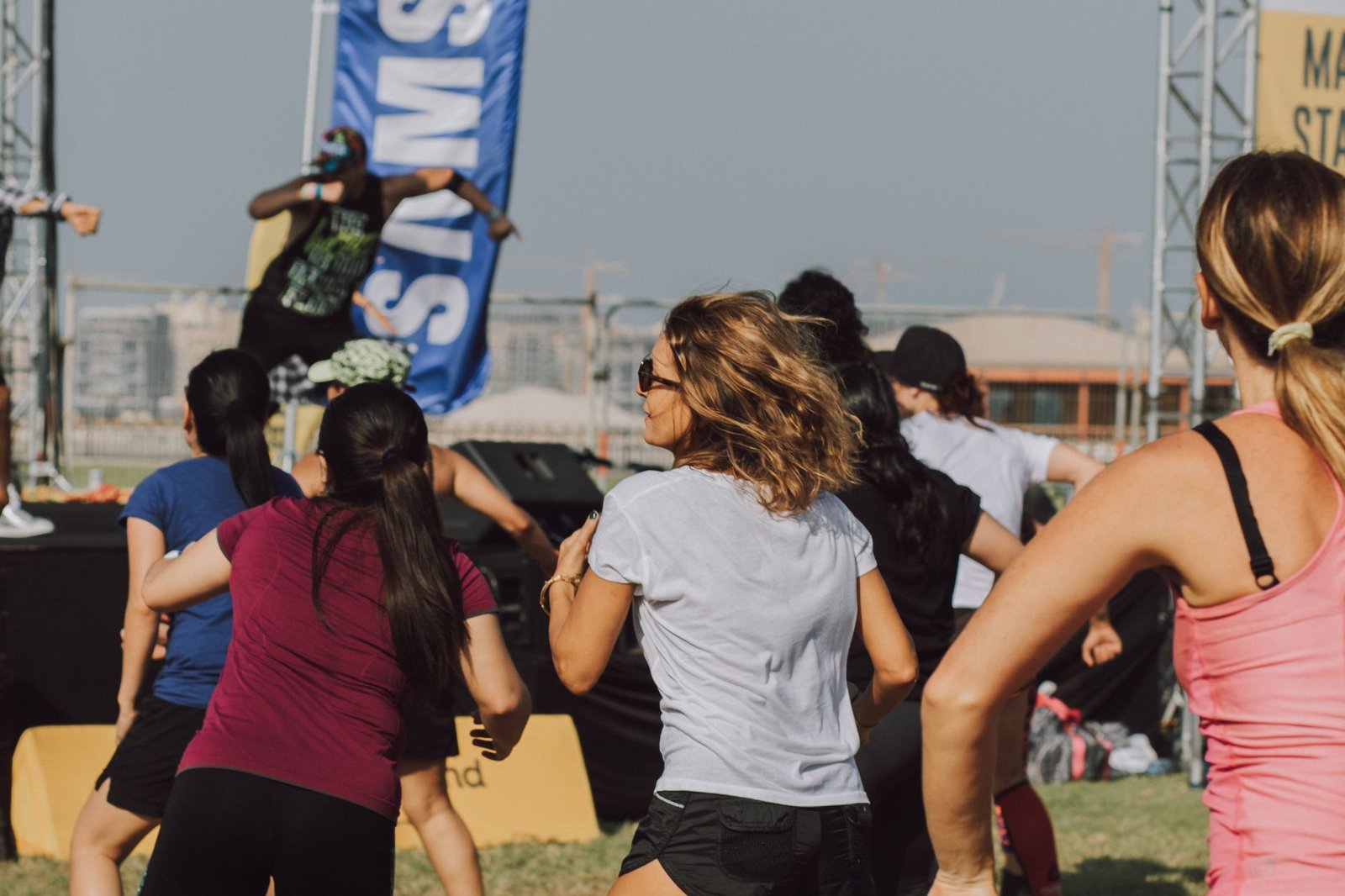
What Are Zumba Classes, Really?
Zumba is a dance fitness program that was created in the 1990s by Colombian dancer and choreographer Alberto Perez. The idea came about by accident. Perez forgot his usual aerobics music and used a mix of Latin music tapes he had in his bag instead. The class loved it, and a new fitness format was born.
Zumba classes combine simple dance steps with aerobic exercise, set to music from around the world. The most common styles are salsa, merengue, cumbia, and reggaeton. You will also hear pop, hip-hop, and other rhythms. The instructor leads the class from the front, and the group follows along. There is no counting in sets and repetitions, and no one is grading your technique. You move to the music, and the workout happens while you dance.
What makes Zumba classes different from a typical gym class is the atmosphere. The lights are often lower, the music is loud, and the instructor is as much a host as a coach. People who would never enjoy a treadmill often love Zumba. It does not feel like exercise in the usual sense. It feels like going out dancing, with the added benefit of a workout.
What Happens in Typical Zumba Classes?
A typical Zumba class lasts 45 to 60 minutes, and it follows a loose structure. The class starts with a warm-up song, usually at a moderate tempo, to get your body moving and your heart rate up. The instructor will guide you through simple steps, and you will start to learn the basic movements without even realizing it.
After the warm-up, the class moves into the main workout. Each song uses a different dance style, and the instructor introduces new steps as the music changes. You will do a mix of fast and slow songs. That gives you intervals of higher and lower intensity. The instructor will show you the steps, and you follow along as best you can. If you miss a step, you just keep moving until you catch the next one.
The class usually ends with a cool-down song, at a slower tempo, to bring your heart rate down and stretch out your muscles. By the end, you will have moved for almost an hour, often without noticing how much time has passed.
You do not need to get every step right, and you do not need to be a good dancer. The instructor expects beginners to be a step behind, and nobody in the class is watching you. They are all too busy trying to follow the steps themselves. If you get lost, just march in place until you find the beat again, and then join back in.
How Hard Are Zumba Classes, Really?
Zumba classes are a moderate to vigorous workout, and you can make them as hard or as easy as you need. If you follow the instructor closely, take big steps, and add arm movements, your heart rate will climb quickly. If you need to take it easier, you can take smaller steps, keep your arms low, and march in place during the faster songs.
Most people burn between 300 and 600 calories in a 60-minute Zumba class, depending on their weight, effort, and how much they move. That is similar to a brisk run or a cycling class, but it rarely feels that hard, because the music and the group energy carry you along.
If you are new to exercise, start with a beginner-friendly class, often labeled Zumba Gold or Zumba for beginners, which moves at a slower pace. If you have any health concerns, talk to your doctor before starting a new exercise program, and let your instructor know that you are new.
What to Wear to Your First Zumba Class
You do not need special dance clothes for your first Zumba class. Wear comfortable workout clothes that let you move freely, and shoes that support your feet. Cross-trainers or dance sneakers work well, because they grip the floor without sticking to it. Running shoes can work too, but their thick tread can catch on the floor when you turn, so be careful if you wear them.
Avoid loose, heavy clothing that will get in the way, and choose fabrics that breathe. You will sweat, so a moisture-wicking top is a good idea. Bring a hair tie if you have long hair, and leave any jewelry that might get caught at home.
What to Bring to Your First Zumba Class
You do not need much for your first class, but a few things will make it more comfortable. Bring a water bottle, because you will sweat and need to drink. A small towel helps if you tend to sweat a lot. A change of clothes is useful if you plan to go somewhere after class.
Leave your phone in your bag or locker, and do not worry about filming the class. Most studios do not allow filming, and you will enjoy the class more if you are not thinking about your phone. Arrive a few minutes early, so you can find a spot, meet the instructor, and let them know you are new.
How to Find Zumba Classes Near You
Finding a Zumba class near you is easier than it used to be. Many gyms, community centers, and dance studios offer Zumba classes, and you can search online for classes in your area. Our guide to workout classes near me explains how to compare class times, prices, and locations, and the same approach works well for Zumba.
Look for a class labeled for beginners. Ask the studio if the class suits someone who has never done Zumba before. Check the class time, the location, and the cost. See if you can try a single class before you commit to a membership or a package. Many studios offer a trial class, and some gyms include Zumba in their regular membership.
If you prefer a smaller class, look for community centers and local studios, which often have smaller groups and a more personal feel. If you prefer a big, high-energy class, a large gym is a good choice. Either way, the most important thing is to find a class that fits your schedule, so you can go regularly.
Zumba Classes at Home: Can You Do Them Without a Studio?
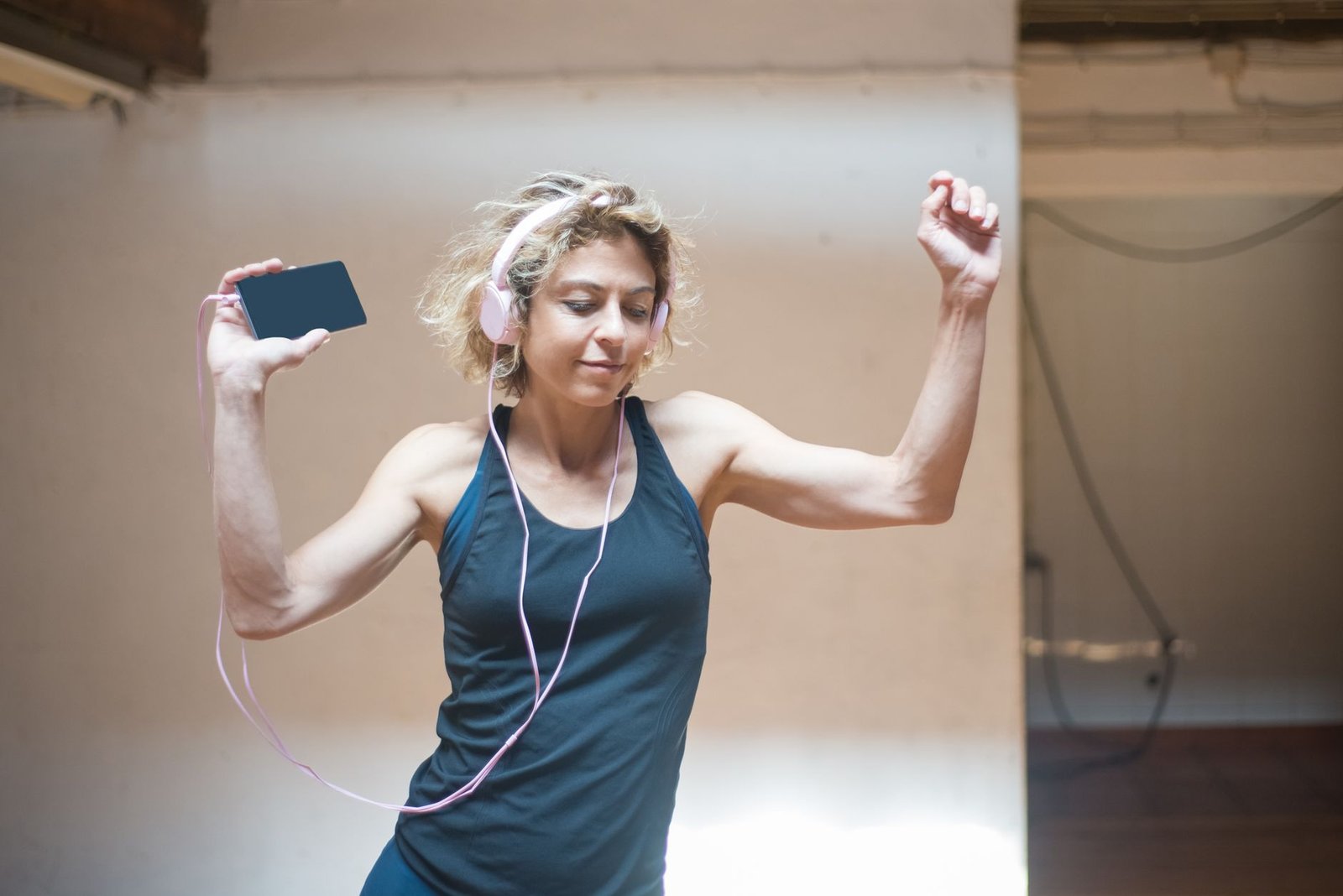
Yes, you can do Zumba at home, and many people do. There are online Zumba classes, video workouts, and apps that let you follow along from your living room. Doing Zumba at home is a good option if you are shy about joining a class, if your schedule is tight, or if there is no studio near you.
Doing Zumba at home has its limits, though. You will not get the same energy as a live class. You will also miss having an instructor to correct your form and encourage you. If you do Zumba at home, clear some space, wear supportive shoes, and follow a video made by a licensed Zumba instructor. If you are building a routine at home, our beginner home workout is a good place to start, and you can add a Zumba video to that routine on dance days.
How to Fit Zumba Classes Into a Real Week
Zumba classes work best when they fit into your week without a lot of planning. Two or three classes a week is a good target for most beginners, with at least one rest day between them. You do not need to go every day to get the benefits, and you do not need to rearrange your whole life around a class.
Here is a simple sample week that works for many beginners:
| Day | What to Do |
|---|---|
| Monday | Zumba class, 45 to 60 minutes |
| Tuesday | Rest or a gentle walk |
| Wednesday | Zumba class, 45 to 60 minutes |
| Thursday | Rest or light stretching |
| Friday | Zumba class or a home dance session, 30 to 45 minutes |
| Saturday | Rest or an activity you enjoy, such as a walk or a bike ride |
| Sunday | Rest |
If you only have time for one class a week, that is still worth doing. Add a short walk on other days, and you will still be moving more than you were before. If you only have a short window on a busy day, a 10-minute workout can keep the habit going until your next class.
How Much Exercise Do You Actually Need?
Zumba classes count toward the amount of physical activity that health experts recommend for adults. The CDC recommends that adults get at least 150 minutes of moderate-intensity aerobic activity each week. Vigorous activity counts too: 75 minutes a week is enough. Add muscle-strengthening activities on two or more days a week as well. You can read the CDC guidance on adding physical activity for adults to see how dance fitness fits into those recommendations.
Two or three Zumba classes a week will cover most of the aerobic part of that recommendation. Each class lasts 45 to 60 minutes. Add some strength work on other days, such as bodyweight exercises at home, and you will be close to the full recommendation. You do not need to hit the target perfectly in your first week. Build up to it over a few weeks, and let your body adjust.
Common Mistakes Beginners Make in Zumba Classes
Most beginners make the same few mistakes in their first Zumba classes, and they are all easy to avoid. The first is trying to get every step right. You will not, and you do not need to. Focus on moving to the music and keeping your heart rate up, and the steps will come with practice.
Next, standing at the back and trying to stay out of the way is a common mistake. Stand where you can see the instructor clearly, even if that means standing near the front. You will learn the steps faster, and you will feel more part of the class.
Another common mistake is skipping the warm-up or the cool-down. Arrive on time, and stay for the whole class. Your body needs time to warm up and cool down. Skipping those parts makes the workout harder than it needs to be.
Finally, comparing yourself to other people in the class is a mistake many beginners make. Some people have been doing Zumba for years, and they will look confident. That does not mean you are doing it wrong. Focus on your own movement, and enjoy the music.
What to Do After Your First Zumba Class
After your first class, drink some water, walk around for a few minutes, and stretch gently. You may feel tired in a good way, and your legs may feel a little heavy the next day, especially if you are new to dance fitness. That is normal, and it usually passes within a day or two. After class, foam rolling can help ease tight calves and thighs, if you already use a foam roller and it feels comfortable.
Give yourself credit for showing up. The hardest part of a first class is walking through the door, and you have already done that. Book your next class before you leave the studio, if you can, so the habit starts to form.
Frequently Asked Questions
Do I need to be fit to start Zumba classes?
No. Zumba classes are designed for people of all fitness levels, and you can take the moves at your own pace. If you are new to exercise, start with a beginner-friendly class, take smaller steps, and rest when you need to. If you want a gentler start, our low-impact workouts for beginners can help you build confidence before your first class.
Do I need dance experience for Zumba classes?
No dance experience is needed. The steps are simple, the instructor shows you what to do, and nobody expects you to get them right the first time. Most people feel lost for the first few songs, and then start to find the rhythm. By your third or fourth class, the basic steps will start to feel familiar.
How many calories do Zumba classes burn?
Most people burn between 300 and 600 calories in a 60-minute Zumba class, depending on their weight, effort, and how much they move. Taking bigger steps, adding arm movements, and following the faster songs will burn more calories than taking small steps and marching in place.
What should I wear to Zumba classes?
Wear comfortable workout clothes that let you move freely, and supportive shoes such as cross-trainers or dance sneakers. Avoid running shoes with thick tread, which can catch on the floor when you turn. Bring a water bottle and a small towel, and arrive a few minutes early.
Are Zumba classes good for weight loss?
Zumba classes can help with weight loss as part of an active lifestyle, because they burn calories and raise your heart rate for almost an hour. They work best when combined with a balanced diet and other movement during the week. If you want a different kind of high-energy workout to mix in, our HIIT classes offer short, intense intervals that pair well with dance fitness.
Can I do Zumba classes at home?
Yes, you can do Zumba at home with online classes, videos, and apps made by licensed instructors. Home Zumba is a good option if you are shy, busy, or far from a studio, but a live class has more energy and an instructor who can guide you. Many people do both: live classes when they can, and home sessions when they cannot get to a studio.
Go and Have Fun
Zumba classes work because they are fun. The music, the movement, and the group energy make it easy to keep coming back, and that is what matters most for fitness. You do not need to be a dancer, you do not need to be fit, and you do not need to get every step right. You only need to show up, move to the music, and enjoy yourself.
Find a beginner class near you, wear comfortable clothes, bring water, and give it a try. Your first class might feel awkward for the first ten minutes, and then it will start to feel like a party. That is the point.
This article is general information only and is not medical advice. If you have a health condition or you are new to exercise, speak with a healthcare professional before starting a new fitness routine.

 Ablaze Fitness


 Mélanie Courcelles


