


Your skin does not wrinkle overnight. It changes slowly, in small steps you barely notice, until one morning a line that used to fade by lunch is still there at dinner. That is normal, and it is not a failure of your routine. It is the visible result of years of sun, sleep, food, smoking, and the way you move your face every day. If you want to know how to prevent wrinkles, start with those daily habits, because they matter far more than any single cream.
What wrinkles are
A wrinkle is a fold or crease in the skin that stays visible when your face is at rest.Collagen and elastin are the two proteins that give skin its structure. Collagen acts like scaffolding, holding skin firm and smooth. Elastin acts like a rubber band, letting skin stretch when you smile and snap back when you stop. When you are young, both are plentiful and well organised. With age, your body makes less collagen, the fibres become less organised, and elastin loses some of its spring. The surface then folds more easily, and those folds last longer.
Not all wrinkles form the same way. Intrinsic ageing is the slow, internal process driven by time and genetics. It tends to produce fine lines and a gradual loss of firmness, even in skin that has rarely seen the sun. Photoageing is the extra damage caused by ultraviolet light. It breaks down collagen faster, thickens and roughens the surface, and adds blotches and deeper lines. Dermatologists often say that most visible ageing on the face is photoageing, not age alone, which is why the habits below focus so much on the sun.
1. How to prevent wrinkles in the sun: protect your skin every day
If you do only one thing from this article, make it this one. Daily sun protection is the single most useful habit for how to prevent wrinkles, because ultraviolet light is the main driver of photoageing. It damages collagen and elastin, and the damage adds up quietly, year after year, even on cloudy days and in winter.
Use a broad spectrum sunscreen every morning on your face, neck, ears, and the backs of your hands. Reapply if you are outside for a long time, after sweating, or after swimming. A hat with a wide brim and sunglasses help too, and shade is free. Do not save sunscreen for holidays. The short walk to the train, the lunch break outside, and the drive with sun on one side of your face all count.
The NHS sun safety guidance explains how to choose sunscreen, when to reapply, and how to protect children and babies. You can read it here: NHS sun safety guidance. It is the one authority source I link to in this article, and it is worth a careful read if you spend a lot of time outdoors.
Practical points that help people stick with it:
Wear sunglasses that block ultraviolet light, and squint less.
Put sunscreen next to your toothbrush so you see it every morning.
Choose a formula you like wearing, because the best sunscreen is the one you will actually use.
Do not forget your neck, chest, and hands, which often age first.
2. Stop smoking and drink less alcohol
Smoking is one of the fastest ways to age skin. The chemicals in tobacco smoke narrow blood vessels, which reduces blood flow to the skin and starves it of oxygen and nutrients. Smoking also damages collagen and elastin directly, and the repeated pursing of the lips and squinting adds lines around the mouth and eyes. Smokers often develop deeper lines earlier than non smokers of the same age, and the effect is visible even in people who otherwise look after their skin.
Quitting is hard, and it is also the single most powerful change a smoker can make for skin, lungs, heart, and overall health. You do not need to quit perfectly on the first try. Many people need several attempts, and each attempt teaches you something about your triggers. If you smoke, talk to your doctor or pharmacist about support, nicotine replacement, and local stop smoking services. The benefits start within weeks, and the skin benefits build over months and years as blood flow improves.
Alcohol also ages skin, though in a different way. It dehydrates the body, disturbs sleep, and can trigger flushing and broken blood vessels in people who are prone to them. Heavy drinking over time is linked to poorer skin quality and slower healing. You do not need to give up alcohol completely to help your skin, unless your doctor advises it. Drinking less, having alcohol free days each week, and drinking water alongside alcohol are practical steps that most people can keep.
3. How to prevent wrinkles while you sleep
Sleep is when skin repairs itself. During deep sleep, blood flow to the skin increases, and the body makes more collagen. When you sleep too little, night after night, you wake with duller skin, darker circles, and lines that look deeper. Short sleep also raises stress hormones, which can break down collagen over time.
Most adults need seven to nine hours of sleep. That is not a luxury, it is part of skin care. Keep a regular bedtime, keep your bedroom cool and dark, and put screens away at least 30 minutes before bed. If you snore loudly, wake unrefreshed, or fall asleep during the day, talk to your doctor, because sleep apnoea and other sleep problems need medical care, not a new cream.
Your sleep position matters too. Sleeping face down presses one side of your face into the pillow for hours, and over years that pressure can deepen lines on that side. Sleeping on your back is kinder to your face. A silk or satin pillowcase can reduce friction if you find back sleeping hard at first. If you cannot sleep on your back, do not worry. Getting enough sleep matters far more than the position you sleep in. You can read more about sleep and health in our guide to the role of sleep in maintaining good health.
4. How to prevent wrinkles with a simple skincare routine
You do not need a ten step routine when you are learning how to prevent wrinkles. In fact, a long routine often causes irritation, which can make skin look worse. A simple routine that you follow every day will do more than an expensive routine you use twice a month.
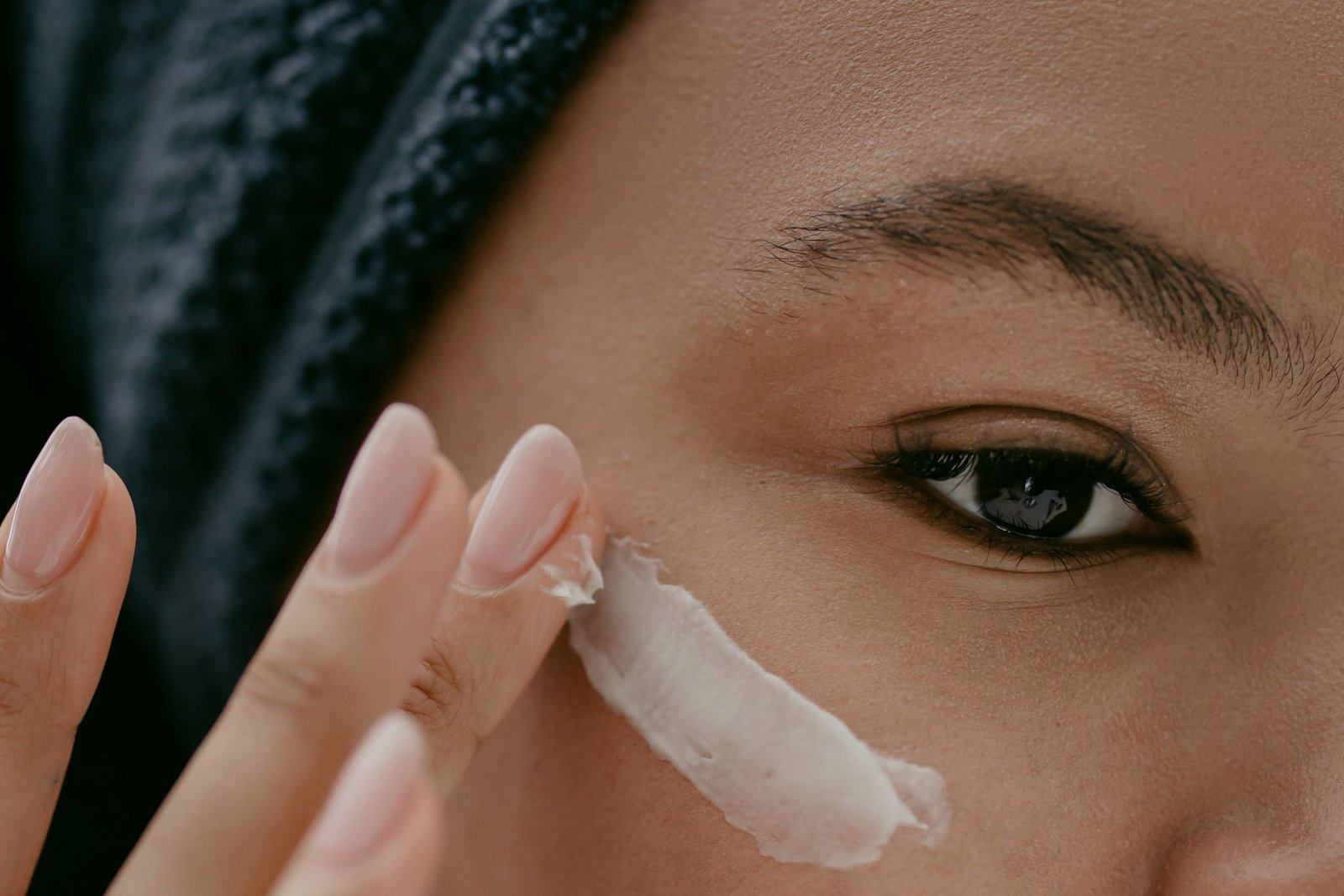
Start with a gentle cleanser, morning and night. Follow with a moisturiser that suits your skin type. In the morning, finish with sunscreen. That is the core routine. If you want to add one active ingredient, add it slowly, one product at a time, and give it at least a month before you judge it. Our skin care routine guide walks through the basics in more detail, including how to choose a cleanser and moisturiser without overthinking it.
Be gentle with your skin. Avoid harsh scrubs, hot water, and rubbing your face dry with a towel. Pat dry instead. Do not pick at spots, because picking can leave marks and scars that last far longer than the spot itself. If a product stings, burns, or leaves your skin red and flaky for more than a few days, stop using it and let your skin recover.The next habits work more slowly than sunscreen, and they work from the inside out. They will not erase a line in a week, but over months they change the raw material your skin has to work with.
5. A note on retinoids
Retinoids are a family of ingredients related to vitamin A. They speed up skin cell turnover and can help the skin make more collagen over time. That is why they are often called the most useful anti ageing ingredient in skincare. They are also the ingredient most likely to irritate skin, especially when you start too fast or use too much.
If you want to try a retinoid, start slowly. Use a small amount, a pea sized amount for the whole face, two or three nights a week. Build up only if your skin stays calm. Use moisturiser first if your skin is sensitive, and always use sunscreen in the morning, because retinoids can make skin more sensitive to the sun. Expect some dryness and flaking at first. If irritation is strong, stop for a few days, let your skin settle, and restart more slowly.
Do not use retinoids if you are pregnant, trying to become pregnant, or breastfeeding, unless your doctor tells you it is safe. This is important, and it is not a minor caution. Talk to your doctor or pharmacist first if you are unsure. Our guide to how to use retinol as a beginner explains the slow start in detail, including what to expect in the first month.
6. How to prevent wrinkles by eating for collagen
Skin is built from what you eat. Collagen is a protein, and your body needs protein to make it. Most adults who train already eat enough protein, but many people who eat lightly, skip meals, or follow very low calorie diets do not. Aim for a palm sized portion of protein at each meal, from foods such as eggs, fish, chicken, beans, lentils, yoghurt, or tofu. You do not need a perfect diet, just a steady one.
Vitamin C is also essential for collagen. Your body cannot make collagen without it. Good sources are peppers, broccoli, citrus fruit, strawberries, and kiwi fruit. You do not need a supplement to get enough vitamin C if you eat fruit and vegetables most days, but if your diet is limited, talk to your doctor or a dietitian rather than buying a shelf full of pills. You can read more about food and supplements in our guide to collagen supplement and our guide to vitamin D supplement, which covers a nutrient many people in northern climates are short of in winter.
Sugar matters too, though not in the way social media claims. When blood sugar stays high over time, sugar molecules can attach to collagen in a process called glycation. Glycated collagen is stiffer and less able to repair itself. This does not mean one biscuit will age you. It means a diet very high in sugary drinks, sweets, and refined snacks, day after day, is not kind to skin. Drink water, eat whole foods most of the time, and keep treats as treats.
7. Relax your face and rest your eyes
Some wrinkles are expression lines. They form where the same muscles pull the skin again and again, such as the forehead when you raise your eyebrows, or the corners of the eyes when you squint. You cannot stop moving your face, and you should not try. A face that never moves looks unnatural, and expression is part of who you are.
You can still reduce the extra strain. Wear your glasses or contact lenses if you need them, because squinting to read adds lines around the eyes. Wear sunglasses outside, for the same reason. If you work at a screen, follow the 20 20 20 rule. Every 20 minutes, look at something 20 feet away for 20 seconds. This rests your eyes and reminds you to unclench your jaw and drop your shoulders. At night, notice if you clench your teeth or frown in your sleep. A dentist can help if you grind your teeth, and a simple reminder to relax your face during the day can help too.Heat is the last daily habit on the list, and it is easy to overlook because a hot shower feels so good after a long day.

8. Turn down the heat
Very hot water strips natural oils from the skin and leaves it dry and tight. Dry skin shows fine lines more clearly, and repeated dryness can weaken the skin barrier over time. Use lukewarm water to wash your face and body, and keep showers short. Pat your skin dry and apply moisturiser while it is still slightly damp, which helps lock in water.
Saunas and hot baths are not banned, and many people enjoy them. Just do not sit in very hot water every day, and drink water before and after. If you use a sauna, keep sessions sensible, cool down well, and moisturise afterwards. You can read more about safe sauna use in our guide to how long should you sit in a sauna.
9. Keep your weight steady
Large weight swings can change how skin looks. When you gain weight quickly, skin stretches. When you lose a lot of weight quickly, skin can look looser and lines can look deeper, especially on the face. This is not a reason to avoid losing weight if you need to, because the health benefits of a healthy weight are large. It is a reason to aim for slow, steady change rather than crash diets.
Lose weight gradually, keep protein intake up, and keep strength training in your routine, because muscle supports the shape of the face and body. Avoid repeated cycles of losing and regaining the same weight, which are hard on skin and on health. If you are working on your weight, focus on habits you can keep for years, not on a number you can hit for a month.
How to prevent wrinkles: start now and judge at three months
You do not need to change everything at once to learn how to prevent wrinkles. Pick the two habits that will make the biggest difference for you. For most people, that is sunscreen every morning and better sleep. Add a third habit after a month, such as a simple skincare routine or a retinoid used slowly. Small changes that you actually keep will beat a perfect routine that lasts a week.
Judge your skin after three months, not after three days. Take a photo in the same light, at the same time of day, before you start. Take another photo after three months. Compare them honestly. You are looking for skin that looks brighter, smoother, and less tired, not for a miracle. If nothing has changed, check the basics first. Are you using sunscreen every day, or only on sunny days? Is your sleep long enough most nights? Have you been changing products every week instead of giving one product time to work?
Common mistakes when learning how to prevent wrinkles
Buying expensive creams while skipping sunscreen is the first mistake. No cream can undo sun damage while the sun keeps adding more, so learning how to prevent wrinkles starts with protection, not with a jar. Changing products too often is another common error, because skin needs weeks to respond and switching every few days makes it impossible to know what helped. Scrubbing hard is also a mistake, since it irritates skin and can make it look worse. Finally, do not believe a product that promises to erase wrinkles in days, and do not ignore your neck and hands, which often show age before your face does.
How to prevent wrinkles: frequently asked questions
Can I prevent wrinkles completely?
No, and anyone who says you can is not being honest. Learning how to prevent wrinkles means slowing them down, softening them, and keeping your skin healthier for longer, but some lines are part of ageing, genetics, and a life full of expression. The goal is not a frozen face. It is skin that looks healthy and cared for at every age.
At what age should I start preventing wrinkles?
Now, whatever your age. Sunscreen helps at 20, at 40, and at 70. It is never too early, and it is never too late. Younger skin benefits most because damage has had less time to build up, but older skin still benefits from protection, moisturiser, and a steady routine.
Do anti wrinkle creams work?
Some ingredients help, and most do not live up to their claims. Sunscreen and retinoids have the most support. Moisturisers help skin look smoother by keeping it hydrated, which is real, but temporary. Expensive does not mean better. A simple, well chosen routine will do more than a shelf full of luxury jars.
Will drinking more water prevent wrinkles?
Water is important for health, and dehydrated skin looks duller and more lined. But drinking extra water beyond what your body needs will not fill in wrinkles. Drink enough to stay hydrated, eat well, and do not expect water alone to change your skin.
Is it too late if I already have wrinkles?
No. The habits in this article still help. Sunscreen slows further damage, moisturiser softens the look of fine lines, and a retinoid used slowly can improve texture over months. If a line bothers you a lot, talk to a dermatologist about your options. They can explain what is realistic and what is not.
A note on this information
This article is general information only. It is not medical advice, and it is not a substitute for talking to a dermatologist or your doctor. If you have a skin problem that is painful, spreading, bleeding, or not healing, or if you are unsure about a product, ingredient, or treatment, please seek medical advice. A dermatologist can look at your skin, take your history, and give advice that fits you.

 Ablaze Fitness


 Mélanie Courcelles


