


Picture a summer morning. You put on a short sleeved shirt, catch your upper arm in the mirror, and see a patch of small, rough bumps that look like goosebumps that never go away. Rubbing them does not help, and a week later they are still there. If that sounds familiar, you may have keratosis pilaris, and you are far from alone.
Keratosis pilaris is a common skin condition that makes the skin feel rough and bumpy, often on the upper arms, thighs, cheeks, and buttocks. It is sometimes called chicken skin. It is not contagious, and it is not caused by poor hygiene. This article explains what it really is, why scrubbing makes it worse, and what actually helps it look and feel smoother over time.
What keratosis pilaris is
Keratosis pilaris happens when keratin, the tough protein that protects skin, builds up inside hair follicles and forms a hard plug. Each plug blocks the opening of a follicle, and the skin around it becomes rough and slightly raised. The bumps are usually skin coloured, white, or slightly red, and they feel dry and sandpapery.
The condition is very common, especially in children and teenagers, and many adults carry it into their twenties and beyond. It often runs in families, which suggests a genetic link. It is not caused by a lack of washing, by sweat, or by a poor diet, although dry skin and cold weather can make it look worse.
Keratosis pilaris is usually worse in winter, when cold air and indoor heating dry the skin out. In summer, many people find their bumps look softer, partly because the skin is more hydrated. That does not mean sunbathing helps, and sun damage is covered later in this article.
The NHS has a clear, short guide to keratosis pilaris, including when to seek medical advice. You can read it here: NHS keratosis pilaris guidance. It is the one authority source I link to in this article.
How to recognise keratosis pilaris
The bumps are small, usually one to two millimetres across, and they sit around hair follicles. They do not usually hurt, and they rarely itch, although some people find them mildly itchy when the skin is very dry. The skin between the bumps may look normal, or slightly red or brown, especially if the bumps have been picked or rubbed.
The bumps often form a rough patch on the back and outer side of the upper arm, where a shirt sleeve ends. They also appear on the front and outer side of the thighs, and on the cheeks, where the skin can look flushed as well as bumpy. Some people also notice them on the forearms, the calves, and the buttocks. The bumps tend to be symmetrical, which means they appear in similar places on both sides of the body.
It is worth checking the pattern before you assume every bump is keratosis pilaris. Acne tends to be redder, sorer, and more likely to form whiteheads. A rash that appears suddenly, spreads quickly, or comes with a fever needs medical care. The lookalikes are covered later in this article, and if you are unsure what you are looking at, a pharmacist or doctor can help you work it out.Before you reach for a harsh scrub, it helps to understand why keratosis pilaris is so stubborn. The plug is not dirt, and it is not a layer of dead skin sitting on the surface. It is keratin packed inside a follicle, under the surface. You cannot wash it away, and you cannot scrub it away without damaging the skin around it.
Why keratosis pilaris happens
Keratin is a normal protein. It forms the outer layer of skin, hair, and nails, and it protects the body from the outside world. In keratosis pilaris, the skin makes keratin in a way that lets it collect in follicles instead of shedding smoothly. The reason is not fully understood, but it runs in families and it often appears alongside dry skin and eczema.
Hormones may play a part too. Keratosis pilaris often appears in childhood, gets worse in the teenage years, and then fades slowly in adulthood, although it can persist for life. There is no single trigger, and no single food or habit that causes it.
Dry air makes keratosis pilaris look worse, because dry skin shows bumps more clearly. Cold weather, long hot showers, harsh soaps, and indoor heating all dry the skin. That is why the condition often flares in winter and eases in summer, when humidity is higher.
Why scrubbing fails for keratosis pilaris
Scrubbing feels like it should work. If the bumps are rough, surely rubbing them smooth will help. In practice, hard scrubbing, dry brushing, and rough exfoliating gloves usually make keratosis pilaris worse. They strip the skin barrier, cause redness and irritation, and can leave the bumps looking more inflamed, not less. In some cases, aggressive scrubbing can cause small cuts and dark marks, especially on darker skin.
Picking is even worse. It can push a plug deeper, cause bleeding, and leave a scar or a dark spot that lasts months. It can also lead to infection, which needs medical care. If you find yourself picking without thinking, keep your nails short and keep the area moisturised.
The better approach is gentle and slow. Instead of trying to remove the plugs by force, soften them, keep the skin hydrated, and let the follicles clear gradually over weeks and months.
1. Gentle exfoliation: how keratosis pilaris responds to urea and lactic acid
Chemical exfoliation sounds harsh, but in this context it means using a moisturiser that contains a gentle exfoliating ingredient, not scrubbing with grains. Three ingredient families are commonly used: urea, lactic acid, and salicylic acid. All three help soften keratin and help the skin shed more smoothly, over weeks, as part of a moisturiser you use every day.
Urea helps break down keratin and holds water in the skin, and it is often found in creams for dry and rough skin. Lactic acid is a mild exfoliating ingredient that also draws water into the skin, although it can sting a little on very dry or cracked skin. Salicylic acid helps unblock follicles, although it can be drying if you use too much.
Use one exfoliating product at a time, and give it at least four to six weeks before you judge it. Apply it after a shower, when the skin is still slightly damp, and follow with a plain moisturiser if your skin feels dry. Do not combine several exfoliating products at once, and do not use them on broken or infected skin.
2. Moisturising is the main treatment for keratosis pilaris
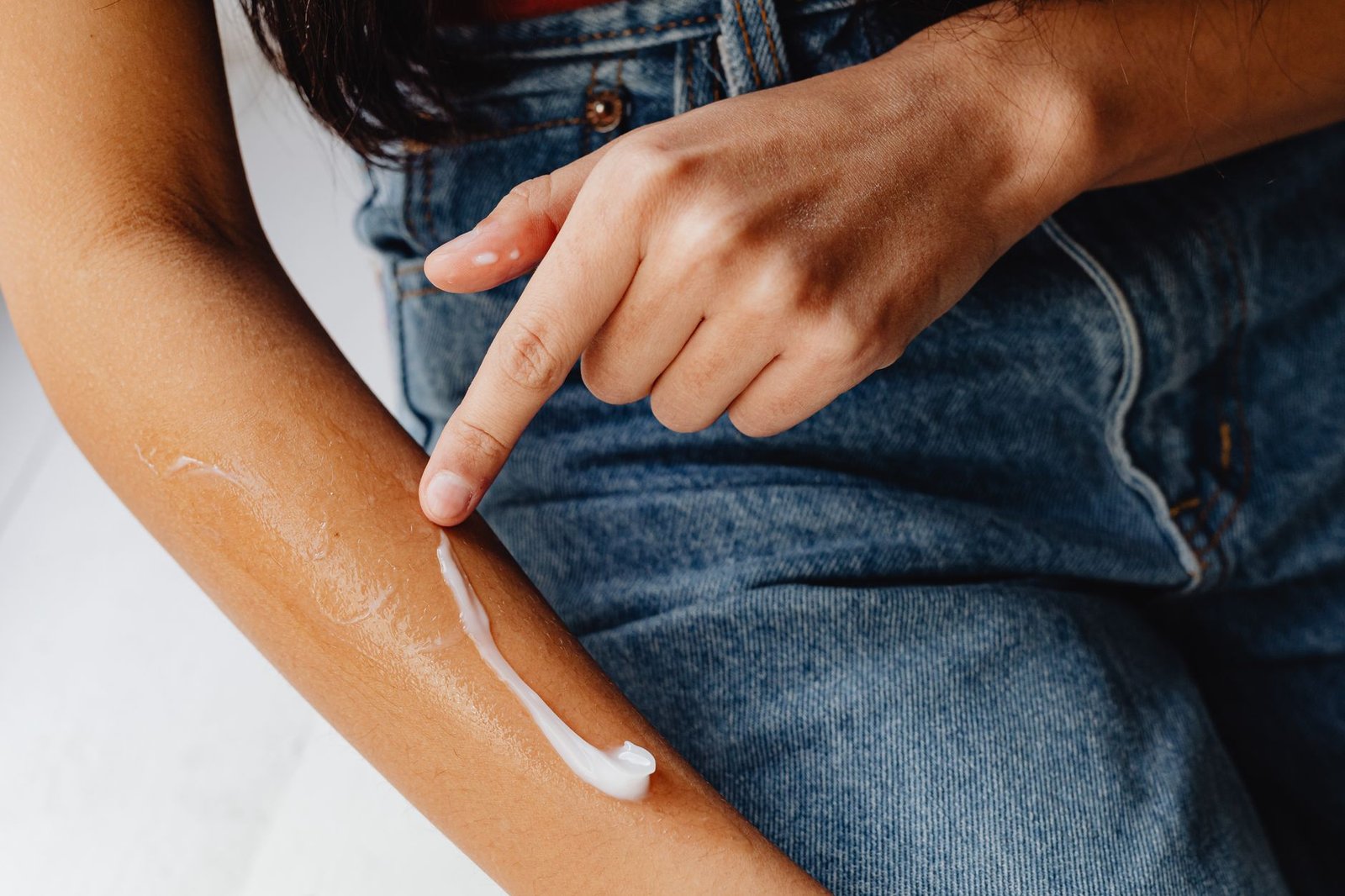
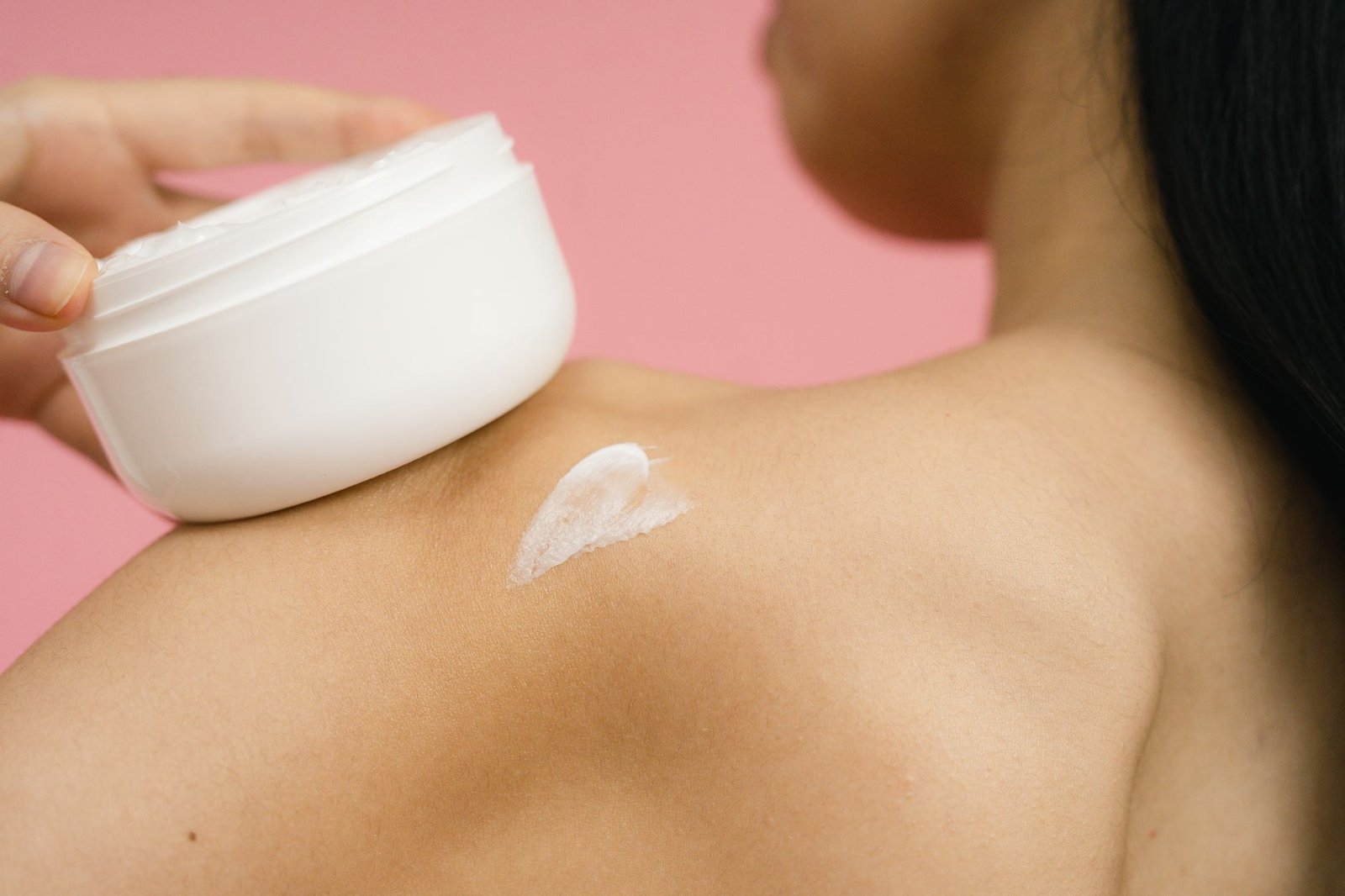
Moisturise every day, ideally twice a day, and always after a shower or bath. Apply cream to skin that is still slightly damp, which helps trap water in the skin. Use a thick cream or ointment rather than a thin lotion if your skin is very dry, because thicker products stay on the skin longer and protect the barrier better. Look for simple, fragrance free products if your skin is sensitive, because fragrance and essential oils can irritate dry skin.
The best moisturiser for keratosis pilaris is the one you will use every day. It does not need to be expensive, and it does not need to promise a cure. A plain, rich cream used consistently will do more than a luxury product used once a week. If you want to read more about building a simple routine, see our skin care routine guide, which covers cleansers, moisturisers, and sunscreen without overcomplicating it.
In winter, moisturise more often, and consider a humidifier in your bedroom if the air is very dry. In summer, a lighter cream may be enough, but do not stop moisturising altogether. If your skin is very dry, flaky, or cracked, our guide to [home remedies for dry skin](https://ablazefitness.com/home-remedies-for-dry-skin/) has more practical ideas.
3. Shower and clothing habits
Keep showers short and lukewarm, not hot. Hot water strips natural oils from the skin and makes dryness and roughness worse. Use a gentle, fragrance free cleanser, and avoid harsh soaps and body washes that leave the skin feeling tight. Pat the skin dry with a towel instead of rubbing it, and apply moisturiser within a few minutes, while the skin is still damp.
Clothing can also irritate keratosis pilaris. Tight, rough fabrics rub against the bumps all day, especially on the upper arms and thighs. Choose soft, breathable fabrics where you can, and wash new clothes before you wear them. After training, change out of sweaty kit promptly, shower, and moisturise, rather than sitting in damp clothes for hours.
Avoid loofahs, rough sponges, and exfoliating gloves on the affected areas. They do not remove the plugs, and they can cause redness and dark marks. A soft washcloth is enough for washing, and your hands are gentler still.
4. Sun protection and keratosis pilaris
Some people find their keratosis pilaris looks better in summer, and they assume the sun is helping. It is more likely that the extra humidity and warmer air are helping, not the ultraviolet light. Sunbathing will not cure keratosis pilaris, and it will damage the skin in other ways. You can read more about sun protection in our guide to [how to prevent wrinkles](https://ablazefitness.com/how-to-prevent-wrinkles/).
Use a broad spectrum sunscreen on exposed skin when you are outside, especially on the arms and face, which are often affected by keratosis pilaris. Choose a formula that does not sting or irritate your skin, and reapply after sweating or swimming. A hat and light, long sleeves can also help, and they have the added benefit of reducing friction and sun exposure at the same time.
5. Retinoids, carefully
Retinoids can help some people with keratosis pilaris, because they speed up skin cell turnover and can help follicles clear more smoothly. They are not a first step, and they are not suitable for everyone. If you have tried gentle exfoliation and moisturising for several months and you still want to try something stronger, talk to your doctor or dermatologist first.
If a doctor suggests a retinoid, start slowly and use a small amount. Expect some dryness and flaking at first. Use moisturiser alongside it, and use sunscreen every morning, because retinoids can make skin more sensitive to the sun. Do not use retinoids if you are pregnant, trying to become pregnant, or breastfeeding, unless your doctor tells you it is safe.
What does not help keratosis pilaris
Dry brushing does not help keratosis pilaris, and it can make the skin redder and rougher. The stiff bristles scratch the surface, irritate the follicles, and can cause small cuts. The same is true for harsh body scrubs, salt scrubs, and sugar scrubs. They may leave the skin feeling smooth for a few minutes, but the roughness returns, often worse than before.
Detox diets, juice cleanses, and special supplements do not cure keratosis pilaris either. There is no toxin that causes it, and no food that removes the plugs. A balanced diet is good for your health, but it will not make keratosis pilaris disappear. Be wary of any product or diet that promises a cure in days or weeks.
Picking, squeezing, and trying to dig out the plugs does not help, and it can cause scarring, dark marks, and infection. Tanning beds do not help either. They damage the skin, increase the risk of skin cancer, and can make dark marks worse. Sunbathing is not a treatment, and it is not worth the risk.
Training and friction
Training can make keratosis pilaris more noticeable, because sweat, heat, and friction irritate the skin. Tight gym kit rubs against the upper arms and thighs, and a heavy bag strap can rub the same spot every day. That friction can make the bumps redder and more visible.
You do not need to stop training. Just change out of sweaty kit soon after you finish, shower with lukewarm water, and moisturise afterwards. Wash your kit regularly, because dried sweat and bacteria can irritate the skin. Choose softer, looser fabrics for training where you can, and avoid carrying a heavy bag on the same shoulder every day. If you have scalp problems from training too, our guide to dandruff scalp care for people who train covers similar friction and sweat issues.
Lookalikes: folliculitis and eczema
Not every rough, red bump is keratosis pilaris. Folliculitis is an infection of the hair follicles, often caused by bacteria or yeast. It tends to be redder, sorer, and more likely to form small whiteheads or pus filled bumps. It can appear suddenly after shaving, after a hot tub, or after sweating in tight clothes. Malassezia folliculitis, which is caused by a yeast that lives on the skin, often affects the chest, back, and shoulders, and it can be itchy. These conditions need different care, and some need medical treatment, so do not assume every bump is the same.
Eczema can also look similar, especially when the skin is dry and itchy. It tends to be itchier, redder, and more likely to form patches that weep or crack. Keratosis pilaris is usually less itchy, and the bumps are more regular. If your skin is very itchy, painful, or weeping, see a doctor rather than trying new products at home.
Stretch marks are another common skin change that people confuse with keratosis pilaris, because both can appear on the thighs and upper arms. Stretch marks are long, thin lines where the skin has stretched quickly, while keratosis pilaris is a field of small, separate bumps. You can read more about stretch marks in our guide to stretch marks from muscle growth.
When to see a dermatologist for keratosis pilaris
Most people can manage keratosis pilaris at home with moisturising, gentle exfoliation, and sun protection. See a dermatologist or your doctor if the bumps are painful, spreading, or one sided, or if they look infected, with increasing redness, warmth, swelling, or pus. Seek medical advice promptly if a bump bleeds a lot, does not heal, or changes shape or colour quickly, because a new or changing skin lesion needs to be checked in person.
A dermatologist can confirm the diagnosis, rule out lookalikes, and talk through stronger options if home care is not enough. They may suggest a prescription retinoid, a stronger exfoliating cream, or laser treatment in some cases. These are decisions to make with a doctor, not on your own, because they carry risks and costs, and they do not work for everyone. Bring a list of the products you have tried, how long you used them, and how your skin reacted, so the doctor can give advice that fits you.Keratosis pilaris does not need a complicated plan. It needs a simple routine, done every day, for long enough to see a change. That is the realistic plan, and it is the one most dermatologists would suggest you start with.
The realistic plan for keratosis pilaris
Start with moisturiser, twice a day, every day. Add a gentle exfoliating cream two or three times a week, and build up only if your skin stays calm. Keep showers short and lukewarm, wear soft clothing, and use sunscreen on exposed skin. Take a photo before you start, and another after three months, in the same light.
If the routine helps, keep it. If it does not help after three months, or if it irritates your skin, stop the exfoliating product, keep moisturising, and talk to your doctor or dermatologist. Do not add five new products at once, because you will not know which one helped and which one hurt. One change at a time, with a few weeks between changes, is the fastest way to learn what your skin likes.
Frequently asked questions about keratosis pilaris
Does keratosis pilaris go away on its own?
Sometimes. Many children and teenagers find it fades as they get older, and many adults find it becomes milder with time. For others, it stays for life, but it can be managed so it is much less noticeable. There is no cure, but there are habits that help a lot.
Is keratosis pilaris contagious?
No. You cannot catch it from someone else, and you cannot spread it to other parts of your body by touching it. It is not caused by germs, and it is not a sign of poor hygiene. It is a common skin pattern that runs in families.
Can I get rid of keratosis pilaris with a scrub?
No, and scrubbing usually makes it worse. The plugs are inside the follicles, under the surface, so a scrub cannot reach them without damaging the skin around them. Gentle chemical exfoliation in a moisturiser, used slowly over weeks, is a much better approach than a harsh scrub.
Does diet affect keratosis pilaris?
There is no diet that cures keratosis pilaris, and no food that causes it. A balanced diet is good for your health, but detox diets and special supplements will not remove the plugs. If you have a food allergy or a skin condition affected by food, talk to your doctor.
When should I worry about a bump?
See a doctor promptly if a bump is painful, spreading, or one sided, if it looks infected, or if it bleeds a lot, does not heal, or changes shape or colour quickly. Most bumps from keratosis pilaris are harmless, but a new or changing skin lesion needs to be checked in person.
A note on this information
This article is general information only. It is not medical advice, and it is not a substitute for talking to a dermatologist or your doctor. If you have a skin problem that is painful, spreading, bleeding, or not healing, or if you are unsure about a product, ingredient, or treatment, please seek medical advice. A dermatologist can look at your skin, take your history, and give advice that fits you.

 Ablaze Fitness


 Mélanie Courcelles


