


Look closely at almost any beach, pool, or gym changing room, and you will see cellulite. It shows up on thighs, buttocks, hips, and sometimes the stomach, as skin that looks dimpled, like orange peel or a mattress. It is so common that doctors call it normal, not a disease. Yet millions of people spend money every year trying to remove it, often on products that cannot work.
Cellulite affects most women and plenty of men, at every size and at every age. It is not a sign that you are unfit, lazy, or unhealthy. It is a normal feature of how fat, skin, and connective tissue are arranged in the body. This article explains what cellulite really is, why women see it more than men, and what the evidence actually supports, so you can spend your time and money on the few things that help, and stop chasing the rest.
What cellulite is
Under the skin, fat sits in small chambers, separated by bands of connective tissue called septae. These bands anchor the skin to the muscle underneath. When fat cells grow, they push up against the skin, while the septae pull down at fixed points. The result is a dimpled surface, with small bumps where fat pushes up and small dips where the bands hold the skin down. That is cellulite.
The structure matters more than the amount of fat. A slim person can have visible cellulite, because their septae are arranged in a way that shows dimples. A larger person can have smooth looking skin, because their septae are arranged differently. Weight, fitness, and body fat all play a part, but they do not decide the issue on their own. Genetics, hormones, age, and skin thickness matter too.
Cellulite is graded from mild to severe. Mild cellulite is only visible when you pinch the skin or sit in a certain way. Moderate cellulite is visible when you stand, in normal light. Severe cellulite is visible at all times, with deeper dimples and a more uneven surface. Most people fall in the mild to moderate range, and the grade can change with weight, muscle, hydration, and lighting.
Why women see cellulite more
Women see cellulite far more often than men, and the reason is structure, not willpower. In women, the septae tend to run vertically, straight up from muscle to skin. When fat pushes up between vertical bands, it forms the classic dimpled pattern. In men, the septae tend to run in a criss cross pattern, which holds the fat in a flatter layer and shows less dimpling.
Hormones also play a part. Oestrogen affects where fat is stored, how much water the tissues hold, and how thick the skin is. During puberty, pregnancy, and menopause, hormonal changes can make cellulite more visible. Age matters too, because skin gets thinner and less elastic over time, and the septae become less flexible. That is why cellulite often becomes more noticeable in the thirties and forties, even if weight stays the same.
None of this means cellulite is a female problem to be fixed. It is a normal variation in human anatomy, and it is so common in women that some researchers call it a secondary sex characteristic, like wider hips. Knowing why it appears can help you stop blaming yourself for it.
What it is not
Cellulite is not toxins. There is no toxin trapped in the fat that causes dimpling. No detox tea, juice cleanse, or special diet can flush it out. The idea sounds appealing, because it promises a simple cause and a simple cure, but there is no evidence for it. Your liver and kidneys already remove waste from the body, and they do not need a special product to do it.
Cellulite is also not the same as lipoedema, although the two are sometimes confused. Lipoedema is a medical condition where fat builds up symmetrically in the legs, often painfully, and it does not respond to diet and exercise in the usual way. If your legs are painful, swollen, bruised easily, or much larger than the rest of your body, and one leg is much bigger than the other, see a doctor. Painful, one sided swelling needs medical care, not a cream.
The Mayo Clinic has a clear guide to cellulite, including causes and treatment options. You can read it here: Mayo Clinic cellulite guide. It is the one authority source I link to in this article.With the basics clear, the next question is what actually helps. The honest answer is that no single treatment removes cellulite for good. Some approaches help a little, some help for a short time, and some do not help at all. The sections below go through each one, with what the evidence says.
Weight loss and cellulite: what the evidence says
Losing weight can make cellulite look better, worse, or about the same, depending on the person. If you lose fat, there is less fat pushing up against the skin, so the dimples can look softer. That is the most common result, and it is why many people notice an improvement when they lose weight slowly and steadily.
At the same time, losing a lot of weight quickly can make the skin look looser, which can make dimples more visible, especially on the thighs and stomach. Skin needs time to adapt, and rapid weight loss does not give it that time. The effect is more likely if you lose weight without strength training, because you lose muscle as well as fat, and muscle is what gives the body its shape and support.
The evidence is mixed, because studies are small and they measure cellulite in different ways. No study shows that weight loss alone removes cellulite. It can help, and it is worth doing if you are above a healthy weight, but do not expect it to be a cure. If you are working on your weight, our guide to why not losing weight in a calorie deficit explains why the scales can stall, and what to check first.
Strength training: the most practical lever for cellulite
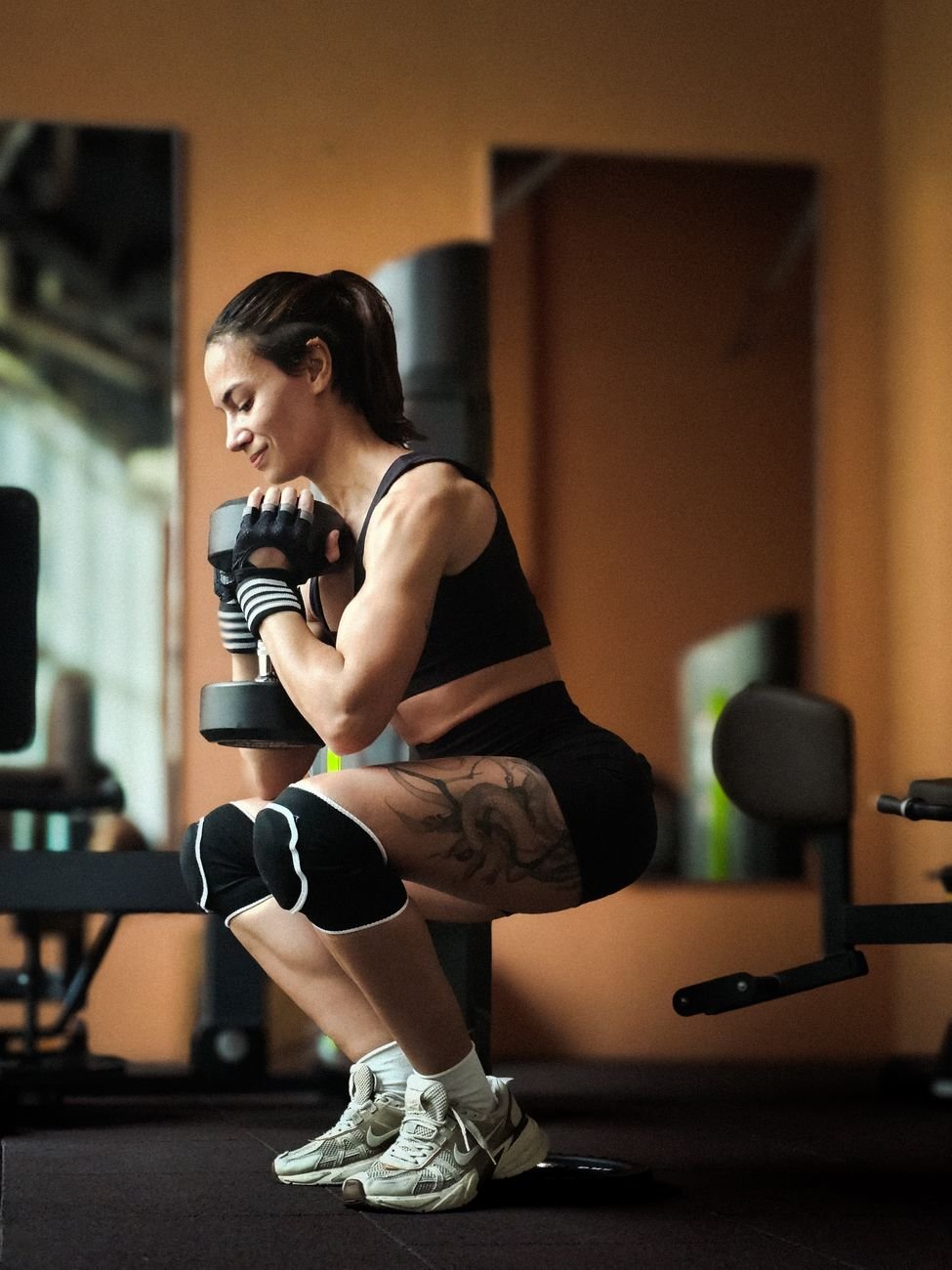
Strength training is the most practical lever most people have for cellulite. It does not remove the septae, and it does not change the basic structure of the skin. It does build muscle under the fat, which can make the surface look smoother and firmer. Muscle also burns more energy at rest than fat, which can help with weight management over time.
Focus on the lower body, because that is where cellulite is most visible. Squats, lunges, deadlifts, hip thrusts, and step ups all work the thighs and buttocks, and they build the muscles that support the skin there. You do not need heavy weights to start. Bodyweight exercises, resistance bands, and light dumbbells are enough for the first few months, and you can add weight as you get stronger.
Train the lower body two or three times a week, with at least one rest day between sessions. Keep the movements controlled, use a full range of motion, and add weight or reps gradually. It will take at least three to six months to see a clear change in how the skin looks, because muscle grows slowly. Take photos in the same light, in the same position, before you start, so you can judge the change honestly.
Strength training also helps in other ways. It improves balance, bone density, and mood, and it makes everyday tasks easier. Those benefits are certain, even if the change in cellulite is modest. That is why it is the first thing I suggest, before any cream or clinic treatment.Creams, massage, and clinic treatments are where most of the money goes, and where the evidence is weakest. It helps to go through them one by one, so you can see which ones offer a temporary change and which ones offer almost nothing.
Do creams help cellulite?
Most cellulite creams do not change the structure underneath the skin. Their ingredients cannot reach the fat and septae in useful amounts. They can make the skin look smoother for a few hours, because they hydrate the surface and cause a mild swelling that fills in the dimples a little. That effect is real, but it is temporary, and it stops when you stop using the cream.
Some creams contain caffeine, retinol, or other active ingredients, and the makers claim they break down fat or boost collagen. The evidence for these claims is weak. Small studies funded by the makers sometimes show a small improvement, but independent studies rarely repeat it. If a cream helps you, it is likely because of the moisturising and the massage you use to apply it, not because of a special ingredient.
If you like using a body cream, keep using it for the moisture and the routine, not as a cure. Choose a simple, affordable cream, apply it with a gentle massage, and do not expect it to remove cellulite. Spend the money you save on training, walking, and protein, which are more likely to help.
Massage, foam rolling and cellulite
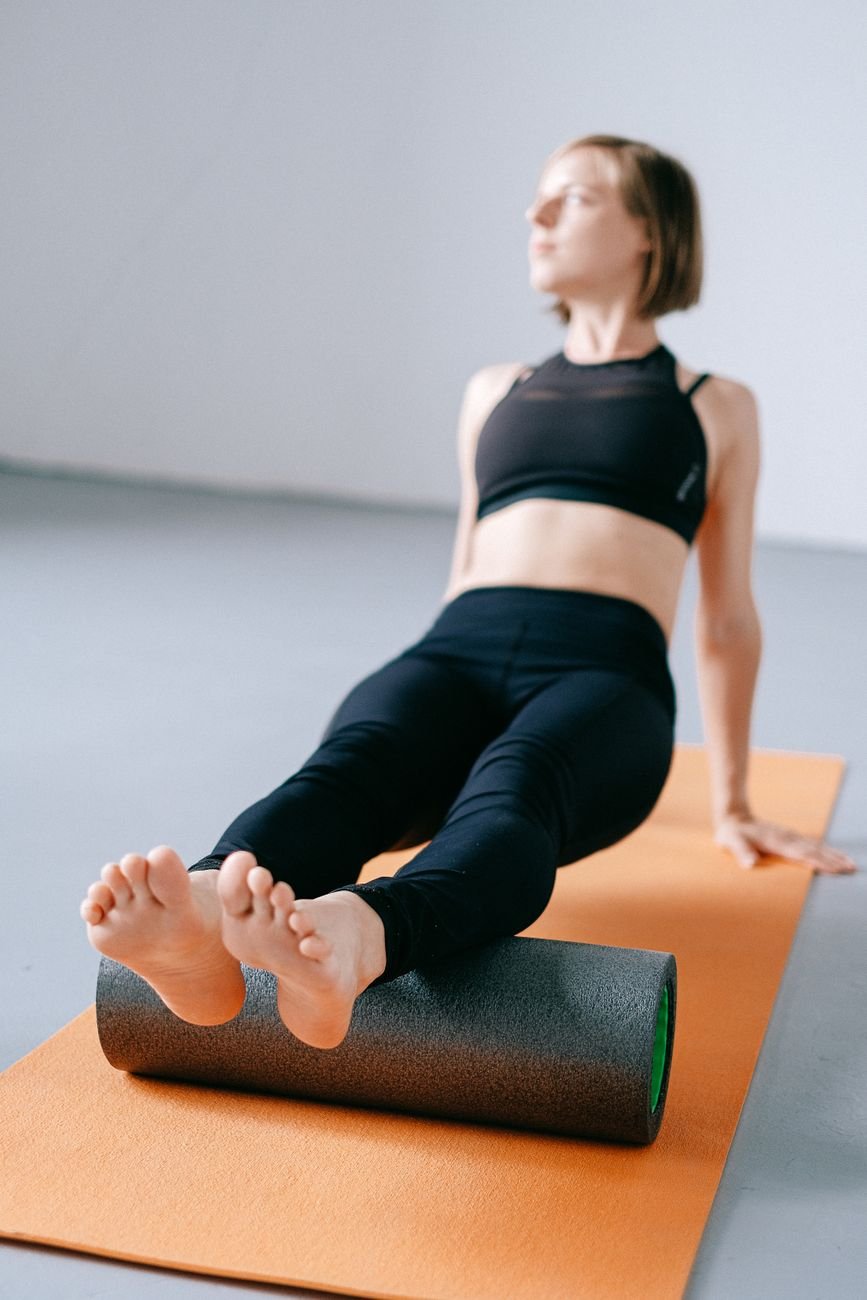
Massage and foam rolling can make cellulite look a little smoother for a short time. The pressure pushes fluid out of the tissues and increases blood flow, which can reduce the puffy look for a few hours. Some people also find that regular massage makes their skin feel softer, because it encourages them to moisturise and to pay attention to the area.
The effect does not last, and it does not change the septae or the fat chambers. A single deep massage will not remove cellulite, and a series of massages will not remove it either, unless you also change the things that matter more, like muscle, weight, and skin health. Foam rolling is useful for other reasons, including warming up, easing muscle soreness, and improving range of motion. You can read more about it in our guide to foam rolling.
If you enjoy massage, keep doing it for relaxation and for the temporary smoothness, but do not buy a course of treatments expecting a permanent change. A home massage with a plain cream, for a few minutes a day, is just as useful as an expensive clinic session for this purpose.
Vibration plates
Vibration plates are platforms that shake the body while you stand, squat, or do simple exercises on them. The makers claim they burn fat, build muscle, and reduce cellulite. The evidence is modest at best. Some small studies show a small improvement in skin appearance when vibration is combined with exercise, but the effect is small, and it is not clear how much of it comes from the vibration and how much comes from the exercise itself.
Vibration plates do not melt fat, and they do not break up cellulite. They can be a useful way to add variety to a workout, and they may help with balance and muscle activation, but they are not a treatment for cellulite on their own. If you already use one, keep using it as part of a wider training routine, not as a replacement for strength training and walking. You can read more about the exercises in our guide to vibration plate exercises.
Clinic treatments
Clinic treatments for cellulite include radiofrequency, laser, acoustic wave therapy, subcision, and injections. Some of these treatments can improve the appearance of cellulite for a few months, by heating the skin, breaking some of the septae, or stimulating collagen. The results vary a lot from person to person, and they are rarely permanent. Most treatments need several sessions, they cost a lot, and they can cause bruising, swelling, and pain.
Subcision, which cuts some of the septae under the skin, has some of the better evidence, but it is a medical procedure, not a beauty treatment. It needs a qualified doctor, it carries risks, and the results still fade over time. Laser and radiofrequency treatments can also help a little, but the improvement is usually modest, and it needs maintenance sessions.
This article does not recommend any clinic treatment, because the evidence is mixed and the costs and risks are real. If you are thinking about one, talk to a qualified doctor, not a salesperson. Ask how many sessions you will need, what the total cost will be, what the risks are, how long the result is likely to last, and what happens if it does not work. Take time to think, and do not sign up on the spot.The pattern is clear. Training and walking help most, creams and massage help a little for a short time, and clinic treatments help some people for a few months at a high cost. That is the basis for a realistic plan.
The realistic plan for cellulite
Train your lower body with strength exercises two or three times a week, and walk every day. Walking after meals is a simple way to add steps without a gym. It also helps with blood sugar and digestion. You can read more about it in our guide to [walking after meals benefits](https://ablazefitness.com/walking-after-meals-benefits/).
Eat enough protein to support muscle. Drink water, and get enough sleep. All three help your skin and your training. Use a plain moisturiser every day, and use sunscreen on exposed skin, because healthy, hydrated skin shows dimples less clearly. You can read more about sun protection in our guide to [how to prevent wrinkles](https://ablazefitness.com/how-to-prevent-wrinkles/), which covers the same habits.
Give the plan six months, not six days. Take dated photos in the same light, in the same position, at the start and after three and six months. Compare them honestly. You are looking for firmer, smoother looking skin, not for a miracle. If nothing has changed after six months, check the basics first. Are you training consistently, or only when you feel like it? Is your walking happening most days? Have you been changing products every week instead of giving one routine time to work?
Cellulite vs stretch marks
Cellulite and stretch marks are often confused, because both can appear on the thighs, hips, and buttocks. They are different problems. Cellulite is a dimpled surface, caused by fat pushing up between bands of connective tissue. Stretch marks are long, thin lines in the skin, caused by the skin stretching quickly, for example during growth, pregnancy, or rapid weight gain.
The two can appear together, and they can both be more visible when the skin is dry or when you gain weight quickly. The treatments are different, though. Strength training can help cellulite by building muscle under the skin, while stretch marks respond more to time, moisturising, and, in some cases, clinic treatments. You can read more about stretch marks in our guide to stretch marks from muscle growth.
Frequently asked questions about cellulite
Can cellulite be removed completely?
No, and anyone who promises to remove it completely is not being honest. Cellulite is a normal feature of how fat and connective tissue are arranged, and no cream, massage, or treatment removes it for good. You can make it look smoother and less visible, with training, walking, and good skin care, but some dimpling is likely to remain, and that is normal.
Does cellulite mean I am unfit?
No. Cellulite affects athletes, dancers, and very fit people, as well as people who never train. It is about structure, hormones, and genetics, not about fitness. Training can make it look better, but having cellulite does not mean you are unfit, and not having it does not mean you are fit.
Do cellulite creams work?
They can make the skin look smoother for a few hours, because they hydrate the surface. They do not change the fat and septae underneath, so the effect stops when you stop using the cream. A simple, affordable moisturiser, applied with a gentle massage, is just as useful as an expensive cellulite cream.
Will losing weight get rid of cellulite?
It can help, and it can also make it look worse if you lose weight very quickly. Losing fat slowly, while keeping strength training in your routine, gives the best chance of a smoother result. No study shows that weight loss alone removes cellulite, so do not expect it to be a cure.
Is cellulite dangerous?
No, cellulite itself is not dangerous, and it does not need treatment. See a doctor promptly if you have painful, one sided swelling, if your legs are much larger than the rest of your body, or if a new lump, pain, or skin change worries you. Those symptoms need medical care, not a cream.
A note on this information
This article is general information only. It is not medical advice, and it is not a substitute for talking to a doctor or dermatologist. If you have a skin problem that is painful, spreading, bleeding, or not healing, or if you are unsure about a product, ingredient, or treatment, please seek medical advice. A doctor can look at your skin, take your history, and give advice that fits you.

 Ablaze Fitness


 Mélanie Courcelles


