


Seed cycling is one of those food trends that sounds almost too tidy to be true. You eat two kinds of seeds for the first half of the month. Then you swap to two different seeds for the second half. Proponents say the rotation supports your hormones through each phase of the menstrual cycle. Social posts about it are confident, and the before and after stories are glowing. The practice itself is cheap and simple.
This guide takes a steadier approach. It explains seed cycling fully and fairly. You will find the rotation, the reasoning behind it, and what the seeds genuinely give you nutritionally. The guide also does the part most trend coverage skips: checking the evidence, honestly. The short version is simple. The seeds are nutritious foods worth eating. The hormone balancing claims attached to the protocol remain unproven. Both halves of that sentence matter, so let us walk through them in order.
What Seed Cycling Is and Where It Came From
Seed cycling is a food practice built around four seeds: flax, pumpkin, sesame, and sunflower. The eater rotates them in two phases that roughly follow a 28-day menstrual cycle. During the first phase, the daily seeds are flax and pumpkin. During the second phase, they switch to sesame and sunflower. The typical amount is one tablespoon of each seed per day, so two tablespoons of seeds daily in total.
The idea did not come from a clinical trial or a medical school. It comes from naturopathic and functional wellness practice, where it circulated for years as a gentle, food-based suggestion. Social media then did what social media does. Short videos and tidy infographics turned a niche naturopathic habit into a mainstream trend. The claims grew bolder as they spread.
That origin is worth knowing. It explains the shape of the evidence, even though it does not make the practice worthless. Nobody tested seed cycling first and promoted it second. Promoters promoted it first, largely on theory and testimonials. The testing simply has not caught up. Whether it ever does is an open question.
How Seed Cycling Works: The 28-Day Rotation
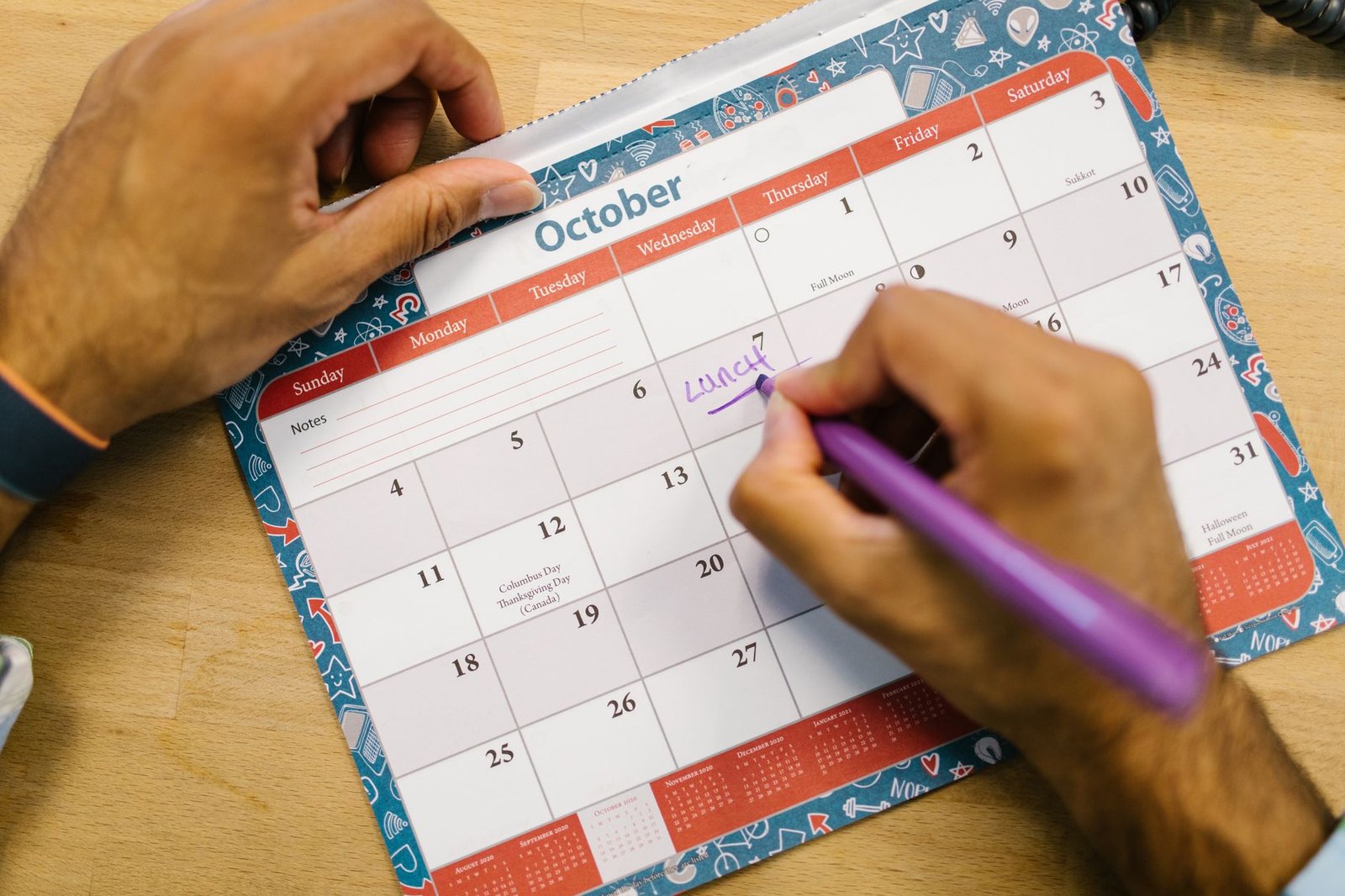
The rotation is the whole method, so here it is plainly. The cycle splits into two halves of roughly 14 days each. They match loosely to the two halves of a menstrual cycle.
Phase one: days 1 to 14
People count day 1 as the first day of a period. From day 1 through about day 14, the daily seeds are flax and pumpkin. You eat one tablespoon of each seed. In the proponents’ framing, estrogen is the dominant hormone in this half of the cycle. It rises toward ovulation in the middle of the month. Supporters assign flax and pumpkin to that phase. The theory section below covers their reasons.
Most people eat the seeds ground or stirred into food rather than by the spoonful. Smoothies, yogurt, oatmeal, salads, and soups are the usual vehicles. The how-to section later in this article covers the practical details.
Phase two: days 15 to 28
From about day 15 through day 28, the seeds swap. Flax and pumpkin step aside. The daily pair becomes one tablespoon of sesame seeds and one tablespoon of sunflower seeds. In the proponents’ framing, progesterone is the dominant hormone in this half of the cycle. It rises after ovulation. Supporters assign sesame and sunflower to that phase.
At the end of day 28, the rotation simply starts again with the next period. There is no break week and no loading phase. The rhythm is the point, according to the people who promote it.
When there is no regular cycle to follow
Not everyone has a predictable 28-day cycle. Healthy adult cycles vary naturally from about 21 to 35 days. The practice has two common workarounds, described here neutrally because they are part of how the trend operates.
The first is a simple calendar split. You take two weeks on the first pair of seeds. Then you take two weeks on the second pair. You repeat regardless of what your body is doing. The second workaround uses the moon. Some practitioners align phase one with the new moon. They align phase two with the full moon. They treat the roughly 29-day lunar cycle as a stand-in rhythm. No evidence shows that moon phases affect hormones or seed digestion. It is simply a scheduling device. Some people find it easier to follow. A plain calendar does the same job.
The Theory Behind the Phases, Labelled as Theory
Everything in this section is the proponents’ reasoning. It is a theory about how food might interact with hormones. Clinical trials of seed cycling itself have not demonstrated it. Read it as the claim, not the conclusion.
The theory starts with real nutrients. Flax seeds are rich in compounds called lignans. The body can convert these plant compounds into substances with weak estrogen-like activity. Proponents reason that these lignans might smooth out estrogen levels in the first half. They might support low estrogen or buffer high estrogen. The exact claim depends on which version you read. Pumpkin seeds provide zinc. Zinc plays a genuine role in normal reproductive function. So the theory assigns pumpkin seeds a supporting role in the same phase.
For the second phase, the reasoning continues. Sesame seeds also contain lignans. Sunflower seeds are a strong source of vitamin E. Vitamin E has antioxidant roles in the body. Proponents link it to support for progesterone in the second half. They include the healthy fats in sesame in that link.
Notice the pattern. Each step starts from something true. These seeds do contain these nutrients. These nutrients do have real jobs in the body. The leap is one claim. It says one tablespoon a day, timed to a calendar, steers hormone levels in a meaningful way. That leap is where the evidence runs out, and the evidence section below looks at it directly.
What the Seeds in Seed Cycling Genuinely Provide
Set the hormone theory aside for a moment, because the seeds themselves need no hype. All four are nutrient-dense foods, and eating them regularly is a reasonable habit on plain nutritional grounds. Here is roughly what one tablespoon of each provides, with values varying a little by brand and preparation.
Flax seeds. One tablespoon of ground flax has about 55 calories. It also has around 2 grams of fiber and about 1.5 grams of plant protein. And it has roughly 1.6 grams of ALA, the plant form of omega-3 fat. Flax is also the standout lignan source in the group, containing far more lignans than most other foods. Ground flax is the useful form, because whole flax seeds can pass through digestion largely intact. The research on flaxseed and lignans is one reason flax gets most of the attention in this group.
Pumpkin seeds. One tablespoon of pumpkin seed kernels has about 55 calories. It has roughly 2.5 grams of protein. It also provides magnesium and zinc. The zinc lands in the region of 0.7 to 1 milligram per tablespoon. Zinc supports normal immune function and normal reproductive function. It does so as part of an adequate diet. That statement is more modest and more accurate than the trend version.
Sesame and sunflower seed nutrition
Sesame seeds. A tablespoon of sesame seeds has about 50 calories. It has a little over 1 gram of protein. It also brings small amounts of calcium, iron, and magnesium. Sesame has its own lignans too, mainly one called sesamin. Sesame is calorie-dense like the others, so the tablespoon serving is doing real work in these numbers.
Sunflower seeds. For sunflower seeds, a tablespoon of kernels has about 50 calories. It has around 2 grams of protein. It also has a genuinely notable amount of vitamin E. That is roughly 2.5 to 3.5 milligrams per tablespoon. It is a meaningful share of the daily target. Sunflower seeds also provide magnesium and healthy unsaturated fats.
Taken together, a daily two-tablespoon rotation adds fiber, healthy fats, plant protein, magnesium, zinc, and vitamin E to the diet in a small, easy package. The fiber point deserves a sentence of its own. Fiber feeds the gut microbes that produce useful compounds for the body, and most adults fall well short of fiber targets. If you want the wider picture on that, our guide on how to starve bad gut bacteria covers how everyday food choices shape the gut environment. None of this requires a calendar, however. The nutrition arrives whether or not the seeds are rotated.
Does Seed Cycling Actually Work? The Evidence Check
This is the section the trend usually skips, so it gets the facts in order.
There are no clinical trials of seed cycling itself. As of now, no published study has taken a group of people, assigned them the four-seed rotation, and measured whether their hormones, cycles, or symptoms changed compared with a control group. The protocol, as a protocol, is untested. That does not prove it does nothing. It means nobody actually knows, and anyone who says otherwise is guessing with confidence.
There is some research on individual seeds and nutrients. Flaxseed has been studied in trials, mostly for things like cholesterol and blood pressure, with modest findings in some areas and mixed results in others. Lignans and their weak estrogen-like activity are a real research topic. Zinc, magnesium, and vitamin E each have established nutritional roles. However, evidence that a nutrient does something in the body is not evidence that a tablespoon of seeds, rotated by calendar, balances hormones. The doses, the timing claim, and the outcome claim are all separate questions, and only the first has any real research behind it.
Why the testimonials feel so convincing
Anecdote is not evidence, and here is why the testimonials feel so convincing. Menstrual cycles vary naturally from month to month, sometimes by several days, and symptoms like cramps, mood changes, and skin flare-ups fluctuate on their own. When someone starts seed cycling during a rough month, the following month is often milder simply because cycles regress toward their average. The seeds get the credit that ordinary variation earned. Add in the other changes people often make at the same time, such as sleeping more, eating better, or starting to exercise, and a glowing testimonial becomes very easy to generate without the seeds doing anything hormonal at all.
The honest summary. Seed cycling is an untested protocol built on a plausible-sounding theory, wrapped around four genuinely nutritious foods. Eating the seeds is fine and probably mildly beneficial, the way eating most whole foods is. Believing the rotation balances hormones is a step the evidence does not support.
Who Might Enjoy Seed Cycling as a Food Habit, and How to Do It Well
If the hormone claims are set aside, there is still a sensible reason some people like this practice: it is a structure. A simple daily ritual of adding seeds to breakfast gives people an easy way to eat more fiber, healthy fats, and minerals without overhauling their diet. As a food habit, rather than a hormone treatment, it is harmless for most people and easy to keep up. Here is how to do it well.
Grind the flax. Whole flax seeds often pass through undigested, which wastes the fiber, fats, and lignans inside. Buy ground flax, or grind small batches at home and store them in the fridge. Pumpkin, sesame, and sunflower seeds do not need grinding, although lightly crushing them works too.
Store the seeds properly. The healthy fats in seeds can go rancid with heat and time. Keep them in sealed containers in a cool, dark place, or in the fridge for ground flax, and buy quantities you will finish within a couple of months.
Build them into food you already eat. Stir them into oatmeal, yogurt, or smoothies, scatter them over salads and soups, or blend them into dressings and sauces. If you prep meals ahead, seeds hold up well stirred into grains and roasted vegetables, and our high-protein meal prep guide for busy weeks shows the kind of simple weekly structure seeds can slot into. Tahini, which is simply ground sesame, counts toward the sesame days and spreads easily on toast.
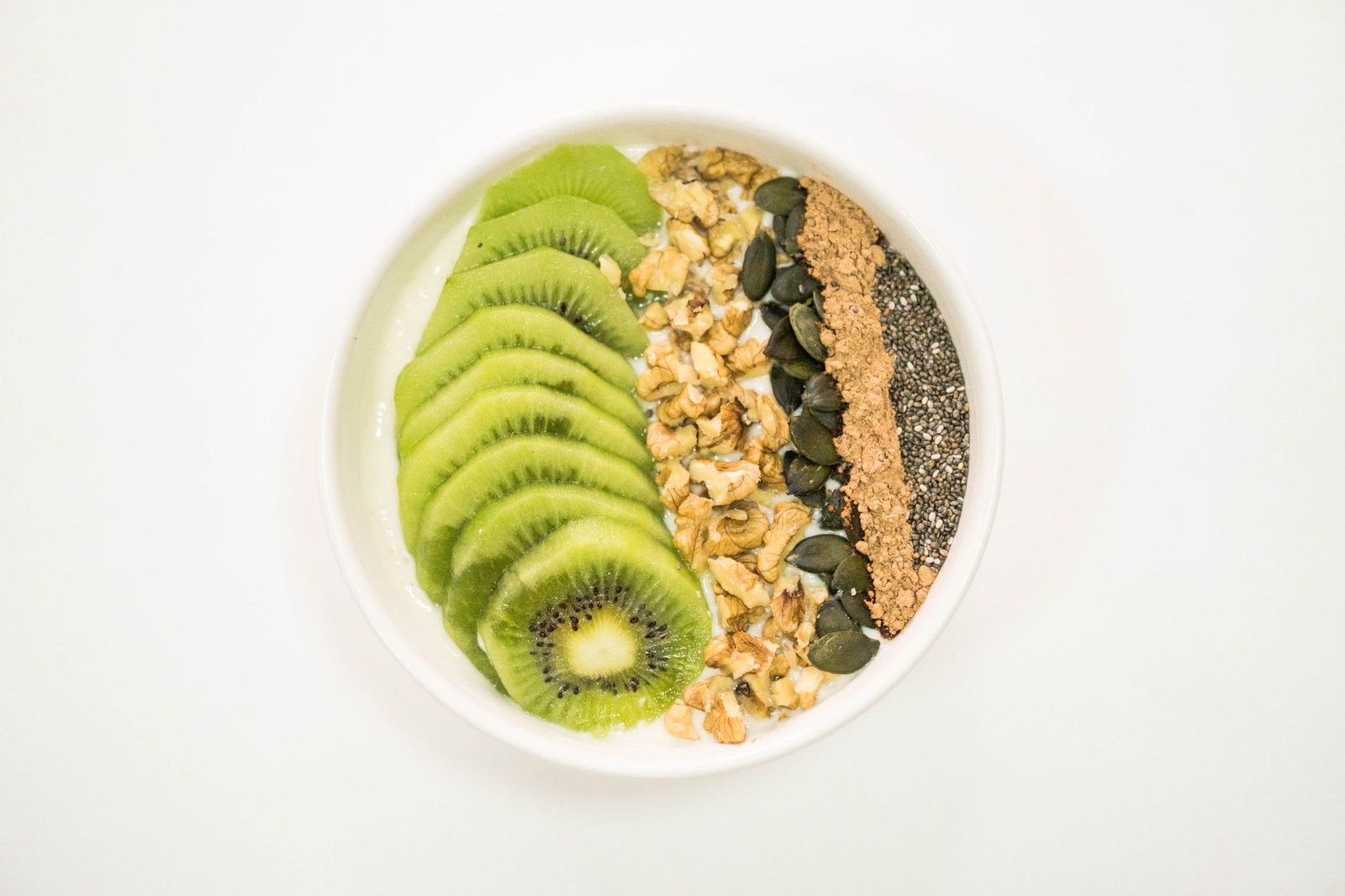
Keep the amounts sane. The trend’s tablespoon servings are reasonable. More is not better here, because the calories add up quickly, as the cautions below explain.
Seed Cycling Cautions: Who Should Be Careful
General information only in this section, because seeds are food, but food still deserves a clear-eyed look.
Seed allergies are real. Sesame is a major allergen in many countries and must be labelled on foods for that reason. Anyone with a known seed allergy should avoid the relevant seed entirely, and anyone who reacts to a seed with hives, swelling, or breathing difficulty needs medical care, not a smaller serving.
The calories are not trivial. Two tablespoons of seeds a day add roughly 100 to 120 calories. That is a fine trade for the nutrients if it fits your eating pattern, but it is not free, and doubling or tripling the servings while chasing a hormone effect mostly adds calories, not benefit.
Seeds are not a substitute for care. Irregular cycles, very painful periods, heavy bleeding, missed periods, or new symptoms deserve a clinician’s attention in their own right. Anyone with a diagnosed hormone-related condition, and anyone who is trying to conceive, should talk to their own clinician about their situation rather than relying on seeds or any other food trend for answers. Food can be a pleasant part of a healthy routine. It is not a fertility strategy and not a treatment, and presenting it as either would be unfair to the people reading.
New habits can interact with timing of medicines in rare cases. A large jump in fiber can affect how some medicines are absorbed when taken at the same moment. The tablespoon amounts here are small, but if you take regular medication, spacing high-fiber foods a little apart from doses is a cautious general habit, and your pharmacist can advise on your specific prescription.
Frequently Asked Questions
Does seed cycling actually work?
For hormone balancing, there is no clinical evidence that it does, because the protocol has never been tested in a trial. For nutrition, it works in the ordinary sense that the seeds provide fiber, healthy fats, protein, and minerals. If you enjoy it as a food habit, that is a fair reason to keep it. If you are doing it to fix a hormone problem, the evidence does not back that expectation.
How much of each seed do you eat per day?
The standard version uses one tablespoon of each of the two seeds assigned to that phase, so one tablespoon of flax and one of pumpkin during days 1 to 14, then one tablespoon of sesame and one of sunflower during days 15 to 28. That is the commonly promoted amount, not a medically established dose, because no dose has been medically established.
What if my cycle is not 28 days long?
Proponents suggest either splitting your own cycle roughly in half, following a simple two-weeks-on, two-weeks-off calendar, or aligning the phases to the new moon and full moon. None of these variations has been tested. A simple calendar split is the easiest to follow, and the nutrition is the same whichever rhythm you pick.
Do the seeds need to be raw or ground?
Flax should be ground, because whole flax often passes through undigested. The others can be eaten whole, raw, or lightly toasted, all of which are fine. Light toasting improves flavour for many people and does not meaningfully change the nutrition at these small amounts.
Results, men and menopause
How long before seed cycling shows results?
Trend sources usually say two to three months, which conveniently matches how long cycles take to vary on their own. Because the protocol is untested, there is no evidence-based timeline. If you are tracking a real concern, such as very irregular cycles, that tracking is far more useful to a clinician than to a seed schedule, so keep records and bring them to an appointment.
Can men or people past menopause do seed cycling?
Anyone can eat these seeds, and the nutrition described in this article applies to everyone. The cycle-based theory, however, is built around the menstrual cycle, so the rotation has no particular rationale without one. For everyone else, the simpler advice holds: eat a variety of seeds and nuts as part of a varied diet, on whatever schedule suits your meals.
The Bottom Line
Seed cycling is a simple, low-cost food ritual built around four nutritious seeds, wrapped in a hormone theory that has never been clinically tested. The fair reading is this: the seeds earn their place on your plate with fiber, healthy fats, lignans, zinc, magnesium, and vitamin E; the calendar has not earned the claims made for it. Enjoy the habit if it helps you eat well, keep the amounts modest, and let real symptoms and real fertility questions go to a clinician, where they belong.
This article is general health and nutrition information only and is not medical advice, a diagnosis, or a treatment recommendation. Talk to a qualified professional about your own situation, especially if you have a hormone-related condition, are trying to conceive, or take medication.

 Ablaze Fitness


 Mélanie Courcelles


